Many women experience variations in their menstrual cycles at some point, but when these changes deviate significantly from the norm, they warrant attention. A typical menstrual cycle lasts between 21 and 35 days, with bleeding occurring for 2 to 7 days. Deviations such as cycles shorter than 21 days, longer than 35 days, excessively heavy or light flow, or skipped periods signal irregularity. These disruptions can stem from benign lifestyle factors or indicate underlying health concerns requiring professional evaluation.
Recognizing the Signs of Menstrual Irregularity
Identifying an irregular period early helps in addressing potential issues promptly. Common indicators include:
- Cycles occurring more frequently than every 21 days or less often than every 35 days.
- Bleeding lasting longer than seven days.
- Passing through more than one sanitary pad or tampon per hour for several hours.
- Missing three or more consecutive periods in someone who previously had regular cycles.
- Spotting or bleeding between scheduled periods.
- Sudden changes in flow volume, becoming much heavier or lighter than usual.
- Accompanying severe pain, cramping, dizziness, or fatigue during menstruation.
These symptoms can vary in severity. For adolescents just starting menstruation or women approaching menopause, some irregularity is common as hormone levels stabilize or decline.
Primary Factors Disrupting Menstrual Regularity
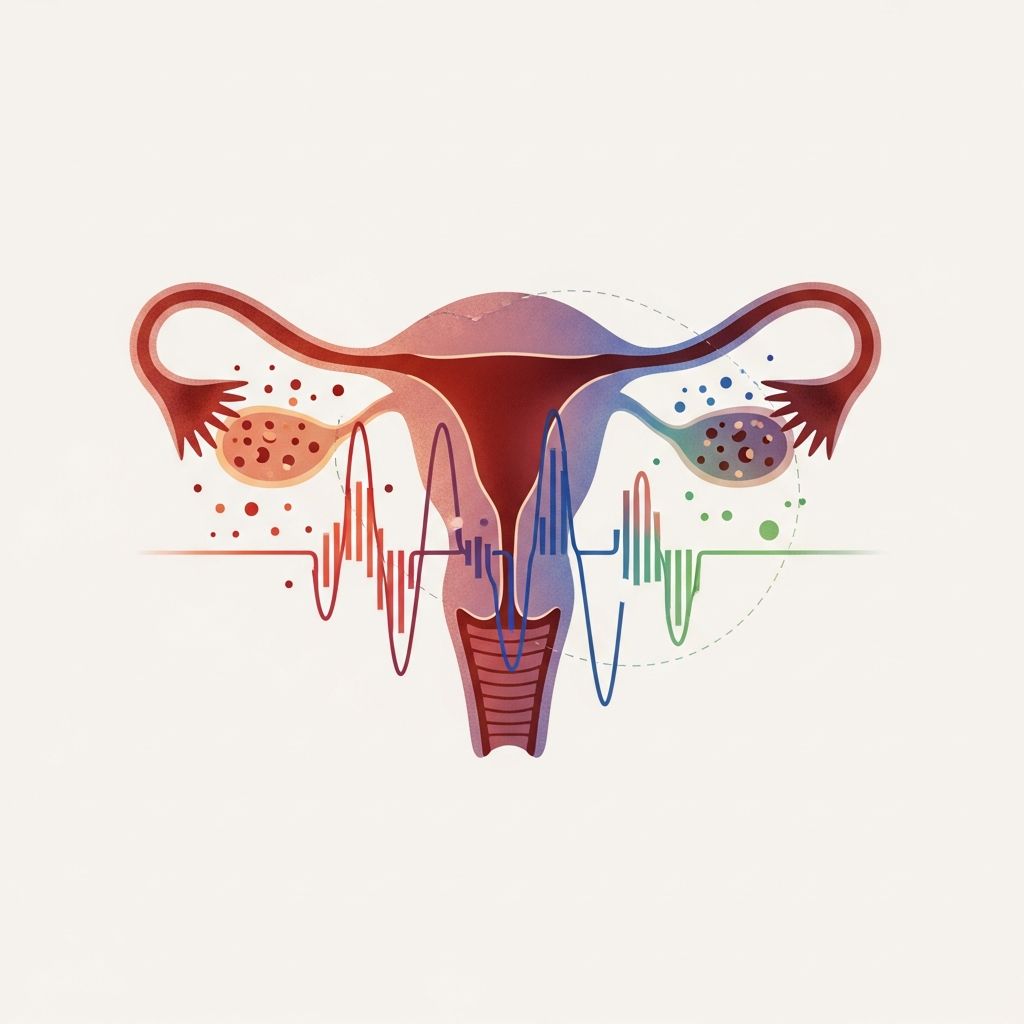
Menstrual cycles are orchestrated by a delicate balance of hormones including estrogen, progesterone, and others produced by the hypothalamus, pituitary gland, ovaries, and thyroid. Any disturbance can lead to irregularity. Lifestyle plays a significant role, but medical conditions often underlie persistent issues.
Lifestyle and Environmental Influences
Daily habits profoundly impact hormonal function. Stress activates the body’s fight-or-flight response, elevating cortisol levels that suppress reproductive hormones from the hypothalamus, potentially halting ovulation. Extreme weight fluctuations—either rapid gain or loss—disrupt fat storage, which is crucial for estrogen production. Women with body weight about 10% below normal, often due to eating disorders like anorexia or bulimia, frequently experience amenorrhea, the complete absence of periods.
Intense physical activity, common in athletes or those with rigorous training routines like ballet dancers, combines low body fat, high energy demands, and stress to interrupt cycles. Travel across time zones, shift work, or poor sleep further desynchronizes the body’s internal clock, affecting cycle timing.
Hormonal and Endocrine Disorders
Hormonal imbalances are frequent culprits. Polycystic ovary syndrome (PCOS) features elevated androgens and insulin resistance, leading to irregular, often heavy bleeding without consistent ovulation. Thyroid dysfunction—hyperthyroidism (overactive) or hypothyroidism (underactive)—alters metabolism and hormone regulation, causing light, infrequent periods or prolonged heavy flows.
Elevated prolactin from the pituitary gland, sometimes due to benign tumors, suppresses ovulation and menstruation. Primary ovarian insufficiency (POI), where ovaries fail before age 40, mimics premature menopause with sparse periods.
Structural and Gynecological Conditions
Issues within the reproductive organs can physically prevent normal shedding of the uterine lining. Uterine fibroids, benign muscle growths, and endometrial polyps, overgrowths of the uterine lining, often cause heavy, prolonged bleeding. Adenomyosis embeds endometrial tissue into the uterine muscle, intensifying pain and flow.
Asherman’s syndrome results from scar tissue buildup in the uterus post-surgery like dilation and curettage (D&C) or after infections, blocking menstrual outflow. Endometriosis, where uterine-like tissue grows outside the uterus, leads to painful, irregular periods. Pelvic inflammatory disease (PID) from untreated sexually transmitted infections like chlamydia scars reproductive organs, disrupting cycles.
Effects of Medications and Contraceptives
Many pharmaceuticals influence menstruation. Hormonal contraceptives—pills, injections, implants, or IUDs—alter natural hormone patterns, sometimes causing breakthrough bleeding or temporary amenorrhea even after discontinuation. Non-hormonal IUDs may provoke heavier flows.
Antidepressants, antipsychotics, epilepsy drugs, and steroids can interfere with hormonal signals. Chemotherapy for cancers like ovarian or uterine malignancies often induces temporary or permanent irregularity.
Life Stage Transitions and Natural Causes
Certain phases of life naturally feature irregularity. Puberty involves fluctuating hormones as the hypothalamic-pituitary-ovarian axis matures, often resulting in unpredictable cycles for the first few years. Perimenopause, typically in the late 40s to early 50s, brings erratic periods due to declining ovarian function.
Pregnancy and postpartum recovery, including breastfeeding, suppress ovulation via high prolactin and progesterone levels. Miscarriage or ectopic pregnancy can delay return to normal cycles.
Diagnosing the Root Cause
Consulting a healthcare provider is essential for persistent irregularity. Diagnosis begins with a detailed history covering cycle patterns, symptoms, lifestyle, medications, and family history. A pelvic exam checks for structural abnormalities.
Blood tests measure hormone levels (FSH, LH, estrogen, progesterone, thyroid, prolactin), blood sugar for diabetes or PCOS, and clotting factors for bleeding disorders. Ultrasound imaging visualizes fibroids, polyps, ovarian cysts, or thickening of the uterine lining. For complex cases, hysteroscopy or laparoscopy allows direct visualization and biopsy.
| Test | Purpose | What It Detects |
|---|---|---|
| Blood Tests | Assess hormone and metabolic levels | PCOS, thyroid issues, prolactin elevation, anemia |
| Transvaginal Ultrasound | Image reproductive organs | Fibroids, polyps, cysts, endometrial thickness |
| Endometrial Biopsy | Sample uterine lining | Hyperplasia, cancer risk |
| Hysteroscopy | Camera inspection of uterus | Scarring, polyps, fibroids |
Treatment Approaches Tailored to Causes
Treatments target the underlying issue. For hormonal imbalances like PCOS, lifestyle modifications—weight management, balanced diet, exercise—combined with metformin for insulin resistance or oral contraceptives to regulate cycles are effective. Thyroid disorders require medication to normalize hormone levels.
Structural problems may necessitate surgical intervention: myomectomy for fibroids, polypectomy for polyps, or hysteroscopic resection for Asherman’s syndrome. Heavy bleeding unresponsive to medication can be managed with a D&C or endometrial ablation to destroy the lining.
For lifestyle-related cases, stress reduction techniques like mindfulness, adequate nutrition, and moderated exercise often restore regularity. Contraceptive adjustments or alternative methods can resolve medication-induced issues.
Prevention Strategies for Cycle Stability
Maintaining a healthy weight through nutritious eating and regular moderate exercise supports hormonal balance. Managing stress via yoga, meditation, or therapy prevents cortisol spikes. Tracking cycles with apps or calendars aids early detection of changes.
Consistent sleep schedules and limiting caffeine/alcohol intake stabilize the circadian rhythm influencing hormones. Routine gynecological check-ups catch issues early.
When to Seek Immediate Medical Help
Not all irregularities require urgent care, but certain red flags demand prompt attention:
- Bleeding soaking through pads/tampons hourly for over 2 hours.
- Severe pain unrelieved by over-the-counter remedies.
- Fainting, shortness of breath, or chest pain with bleeding.
- Periods absent for 90 days or more (not pregnant/breastfeeding/menopausal).
- Post-menopausal bleeding.
- Sudden heavy bleeding post-normal cycles.
These could signal hemorrhage, ectopic pregnancy, or malignancy.
Frequently Asked Questions (FAQs)
Can stress alone cause missed periods?
Yes, high stress disrupts the hypothalamus, halting ovulation and periods temporarily. Reducing stress often restores cycles.
Is PCOS the most common cause of irregular periods?
PCOS is a leading cause, affecting 6-12% of reproductive-age women, leading to anovulatory cycles and heavy bleeding.
How long should I wait before seeing a doctor for irregular periods?
If irregularity persists beyond three cycles or includes heavy bleeding/pain, consult a provider promptly.
Do birth control pills fix irregular periods permanently?
They regulate cycles while used but don’t cure underlying causes like PCOS; symptoms may return upon stopping.
Can excessive exercise stop periods?
Yes, extreme exercise lowers body fat and raises stress hormones, causing amenorrhea in athletes.
References
- What causes menstrual irregularities? — National Institute of Child Health and Human Development (NICHD). Accessed 2026. https://www.nichd.nih.gov/health/topics/menstruation/conditioninfo/causes
- Amenorrhea – Symptoms and causes — Mayo Clinic. 2023-02-09. https://www.mayoclinic.org/diseases-conditions/amenorrhea/symptoms-causes/syc-20369299
- Signs Your Period is Irregular — New England Women’s Healthcare. Accessed 2026. https://www.newh-obgyn.com/blog/signs-your-period-is-irregular
- Irregular periods — NHS. Accessed 2026. https://www.nhs.uk/symptoms/irregular-periods/
- Heavy and Abnormal Periods — American College of Obstetricians and Gynecologists (ACOG). Accessed 2026. https://www.acog.org/womens-health/faqs/heavy-and-abnormal-periods
- Irregular Periods (Abnormal Menstruation): Causes & Treatment — Cleveland Clinic. Accessed 2026. https://my.clevelandclinic.org/health/diseases/14633-abnormal-menstruation-periods