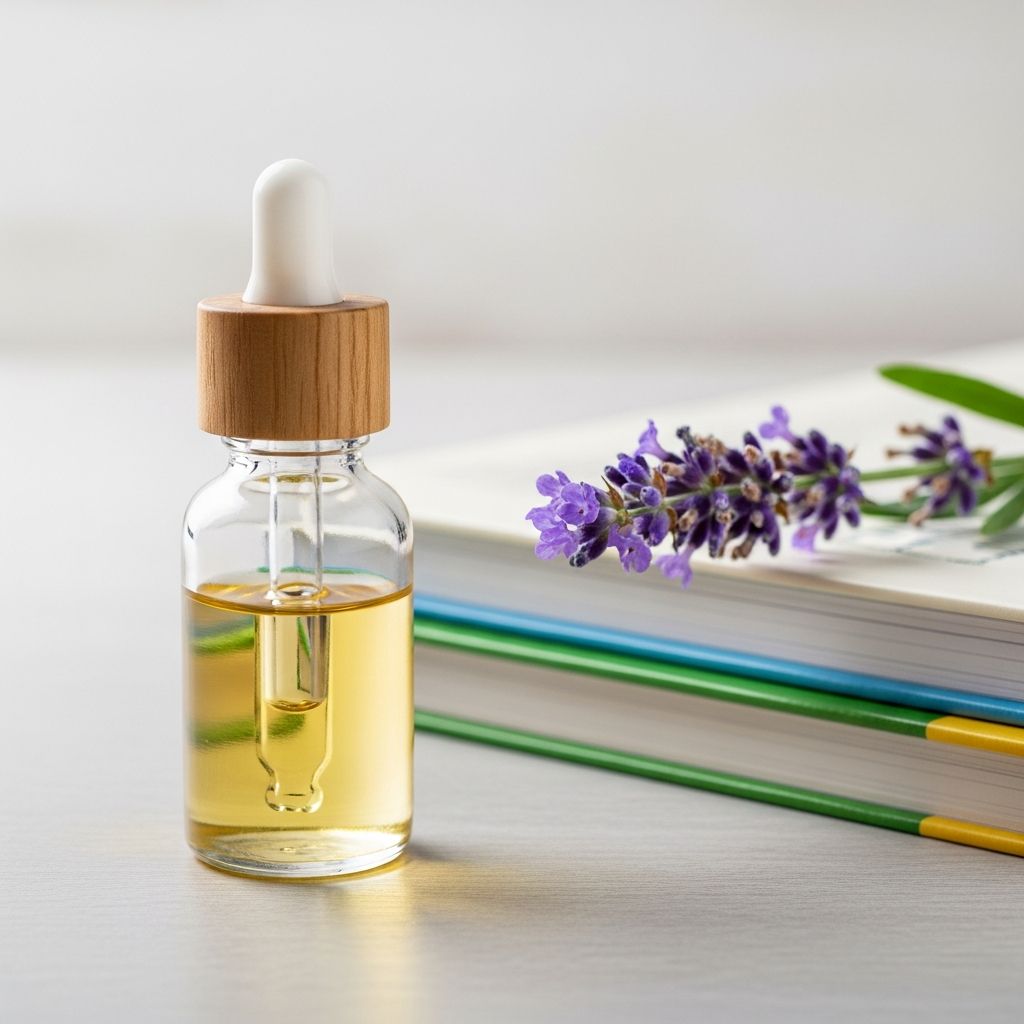
Many new mothers turn to essential oils for relaxation, pain relief, and overall well-being during the postpartum period. However, breastfeeding introduces unique considerations since certain compounds can transfer to breast milk, potentially affecting the infant. This guide explores safe practices, recommended oils, and precautions based on expert insights.
Understanding Risks for Nursing Mothers
Essential oils are potent plant extracts that can enter the bloodstream through skin absorption or inhalation, and some may pass into breast milk. Infants have immature livers and kidneys, making them more vulnerable to these substances. High concentrations could lead to irritation, hormonal disruptions, or reduced milk supply in some cases.
- Skin transfer: Direct contact with the baby’s skin can cause rashes or sensitization.
- Inhalation: Strong scents from diffusers might overwhelm a newborn’s respiratory system.
- Milk transmission: Lipophilic compounds in oils like peppermint may alter lactation or cause fussiness in babies.
Healthcare authorities emphasize caution, advising against ingestion entirely during lactation due to insufficient safety data.
Safe Essential Oils for Breastfeeding
Not all essential oils pose risks when used properly. Several are widely regarded as gentle options for nursing mothers, offering benefits like stress reduction and immune support. Always prioritize dilution and moderation.
| Essential Oil | Key Benefits | Safe Usage Tips |
|---|---|---|
| Lavender | Promotes calm, aids sleep, soothes skin | Diffuse 30 minutes or dilute 1% for massage |
| Chamomile (Roman or German) | Reduces anxiety, eases inflammation | Bath additive or topical blend away from breasts |
| Frankincense | Grounding, supports skin health | Diffuse or 0.5-1% dilution for stretch marks |
| Mandarin | Uplifting, gentle for newborns | Safe for diffusion around baby over 3 months |
| Geranium | Balances hormones, antimicrobial | Topical use on feet or diluted roller |
These selections draw from aromatherapy guidelines tailored for lactation, focusing on oils with low toxicity profiles.
Oils to Steer Clear Of During Nursing
Some essential oils can decrease milk production, trigger allergies, or irritate sensitive systems. Avoidance is key to prevent adverse effects.
- Peppermint: Contains menthol, which may suppress prolactin and reduce supply.
- Sage: Known galactagogue inhibitor; even small amounts can impact lactation.
- Eucalyptus: Potent; avoid if baby has respiratory issues, though light diffusion may be okay for some.
- Clary Sage: Mimics estrogen, potentially disrupting hormones.
- Rosemary: Stimulating; risk of overstimulation for infants.
Consult a doctor before using any oil if you or baby have allergies or health conditions.
Best Practices for Safe Application
Proper technique minimizes risks while maximizing benefits. Follow these steps for responsible use.
- Dilute appropriately: Use 0.5-1% for body (1-2 drops per teaspoon carrier oil like jojoba or sweet almond). For sensitive areas, go lower.
- Patch test: Apply diluted oil to inner arm; wait 24 hours for reactions.
- Avoid key areas: Never apply to breasts, nipples, or baby’s reach zones.
- Diffuse wisely: 30-minute sessions in ventilated rooms; start with low output.
- Monitor baby: Watch for irritability, rash, or sleep changes post-use.
Carrier oils enhance safety and absorption. Opt for unscented versions to prevent overwhelming scents.
Application Methods Tailored for New Moms
Different delivery methods suit various needs during nursing.
- Topical: Rollers on feet or wrists for quick calm; ideal for postpartum aches.
- Diffusion: Bedroom or living space for ambient relaxation without direct contact.
- Baths: Add 3-5 drops to Epsom salts for muscle relief; rinse before nursing.
- Compresses: Cool cloths with diluted chamomile for mastitis swelling.
For milk supply support, consider gentle galactagogues like fennel (diluted externally), but evidence is anecdotal—pair with hydration and frequent nursing.
Boosting Wellness Without Oils
Alternatives provide similar relief sans risks, perfect for cautious moms.
- Herbal teas: Ginger or fennel for digestion (consult lactation expert).
- Warm compresses: Unscented for engorgement.
- Mindfulness: Deep breathing or gentle yoga.
- Hydration and nutrition: Key for milk production and energy.
Integrate these with professional prenatal/postpartum care for holistic support.
Professional Advice and When to Consult Experts
Individual factors like baby’s age, health history, and mom’s sensitivities vary. Pediatricians and certified lactation consultants (IBCLC) offer personalized guidance. Organizations like Mayo Clinic stress no ingestion and professional oversight.
Recent studies (post-2024) reinforce low-dose external use for most safe oils, but long-term data remains limited. Always err on caution with newborns under 3 months—stick to lavender, mandarin, or chamomile.
Frequently Asked Questions
Can I use lavender oil while nursing?
Yes, lavender is among the safest, promoting relaxation without affecting milk. Diffuse or dilute for feet.
Does peppermint oil harm breast milk supply?
Peppermint can reduce supply due to menthol; avoid topical or inhaled use.
Is diffusing essential oils safe around my baby?
For babies over 3 months, yes with safe oils like mandarin in short, ventilated sessions. Avoid strong scents for newborns.
What dilution is best for breastfeeding?
0.5-1% maximum; lower for face or infants.
Can essential oils help with mastitis?
Diluted tea tree or lavender compresses may soothe, but see a doctor first for antibiotics if needed.
Empowering Your Postpartum Journey
Essential oils can enhance self-care when chosen wisely. Prioritize safety, observe responses, and seek expert input to enjoy aromatherapy’s perks confidently. With informed choices, nursing mothers can nurture their well-being alongside their baby’s.
References
- Essential Oil Safety During Pregnancy and Breastfeeding — Noosa Basics. 2024. https://www.noosabasics.com/en-us/blogs/blog/essential-oil-safety-during-pregnancy-and-breastfeeding
- 20 Essential Oils Safe For Pregnancy And Breastfeeding — Paula Kemp Therapies. 2024. https://www.paulakemptherapies.co.uk/essential-oils-safe-for-pregnancy-and-breastfeeding/
- Essential oils during pregnancy — Mayo Clinic Health System. 2024-01-16. https://www.mayoclinichealthsystem.org/hometown-health/speaking-of-health/essential-oils-and-pregnancy
- 6 Safe Essential Oils for Breastfeeding — The Birth Hour. 2024. https://thebirthhour.com/essential-oils-for-breastfeeding/
- The Safe Use of Essential Oils — ICEA. 2024. https://icea.org/the-safe-use-of-essential-oils/
- Using Essential Oils Safety During Pregnancy, Breastfeeding — The Sleep Store. 2024. https://thesleepstore.com.au/sleep-information/pregnancy-preparing-for-your-baby/pregnancy-birth/using-essential-oils-safety-during-pregnancy-breastfeeding-around-newborns