Infertility affects millions worldwide, often presenting subtle clues before conception challenges become evident. Understanding these signs empowers individuals to seek help early, improving chances of successful pregnancy. This guide explores common indicators in women and men, backed by medical insights.
Understanding Infertility Basics
Infertility is defined as the inability to conceive after 12 months of regular unprotected intercourse for couples under 35, or 6 months for those over 35. It impacts both partners equally, with male factors contributing in about 40% of cases. Many cases show no obvious symptoms until attempts to conceive fail, but recognizing patterns can prompt timely evaluation.
Factors like age, lifestyle, and underlying conditions play key roles. Fertility declines notably after age 35 in women due to reduced egg quality and quantity. Men experience gradual sperm quality decline with age, particularly after 35.
Key Indicators in Women
Women may notice reproductive and systemic changes signaling potential issues. These warrant professional assessment.
Disrupted Menstrual Patterns
Normal cycles last 21-35 days with consistent flow. Deviations like irregular timing, absent periods (amenorrhea), or extremely heavy/light bleeding often link to ovulatory disorders, PCOS, thyroid imbalances, or endometriosis. For instance, cycles varying by more than 9 days monthly suggest anovulation, reducing conception odds.
- Irregular cycles: Unpredictable start dates or skipped months.
- Heavy bleeding: Soaking a pad/tampon hourly or lasting over 7 days.
- Painful cramps: Severe pelvic/back pain interfering with daily life.
Pain Associated with Intimacy or Pelvis
Discomfort during intercourse (dyspareunia) affects up to 75% of women with endometriosis, where uterine tissue grows outside the uterus, scarring reproductive organs. Pelvic inflammatory disease (PID) from infections can also cause this, blocking tubes.
Chronic pelvic pain outside menstruation may indicate fibroids—noncancerous uterine growths—or adhesions. Ignoring these delays diagnosis and treatment.
Hormonal and Metabolic Shifts
Hormone imbalances disrupt ovulation and implantation. Common signs include:
- Sudden weight gain/loss, especially abdominal, tied to PCOS.
- Hot flashes/night sweats signaling diminished ovarian reserve.
- Acne, hirsutism (excess facial/body hair), hair thinning from elevated androgens.
- Low libido, vaginal dryness from estrogen dips.
These overlap with perimenopause or thyroid issues, necessitating blood tests for FSH, AMH, and thyroid hormones.
Essential Signs in Men
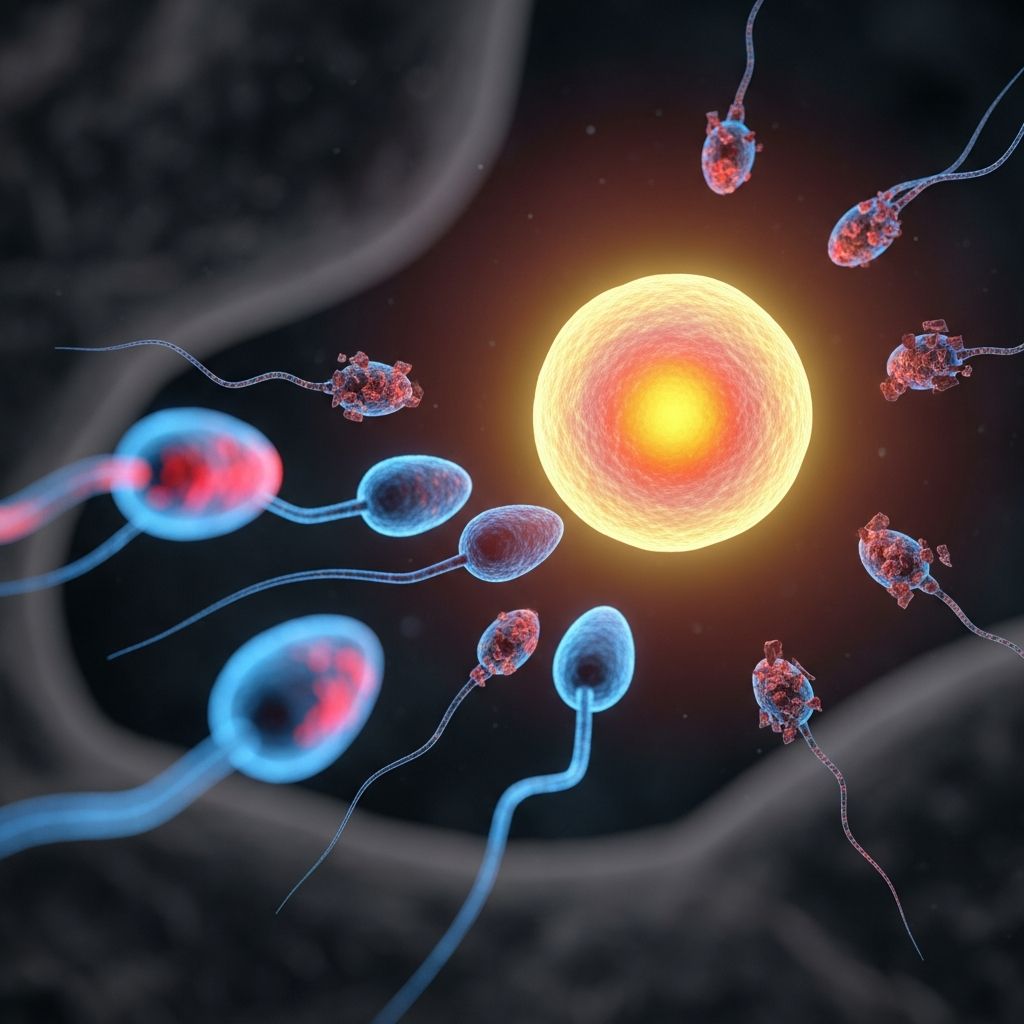
Male infertility often stems from sperm production/motility issues or blockages, with symptoms sometimes subtle.
Sexual Performance Challenges
Erectile dysfunction (ED), premature/delayed ejaculation, or low semen volume point to vascular, nerve, or hormonal problems. ED affects 30-50% of infertile men, often linked to low testosterone.
- ED: Inability to achieve/maintain erection for intercourse.
- Ejaculation issues: Pain, reduced volume, or retrograde ejaculation.
- Libido drop: Diminished sexual desire from testosterone decline.
Testicular and Hormonal Red Flags
Swelling, lumps, or pain in testicles may indicate varicocele (enlarged veins), infections, or tumors. Small, firm testicles suggest Klinefelter syndrome or prior injury.
Hormonal signs mirror women’s: gynecomastia (breast tissue growth), muscle loss, fatigue, mood changes, infertility.
| Symptom | Women | Men |
|---|---|---|
| Hormonal Changes | Hot flashes, acne, hair growth | Gynecomastia, low libido |
| Sexual Pain/Dysfunction | Pain during sex | ED, ejaculation problems |
| Cycle/Sperm Issues | Irregular periods | Testicular pain/swelling |
| Weight/Mood | Unexplained gain | Fatigue, depression |
Lifestyle and Environmental Contributors
Beyond symptoms, modifiable factors exacerbate infertility. Obesity disrupts hormones in both sexes, lowering sperm count and ovulation rates. Smoking damages eggs/sperm DNA; alcohol excess impairs motility.
Environmental toxins like pesticides and plastics (BPA) mimic hormones, while heat exposure (hot tubs) harms sperm production. Stress elevates cortisol, suppressing reproductive hormones.
When to Consult a Specialist
Don’t wait the full year if symptoms persist: see a doctor after 6 months if over 35 or with known risks (e.g., irregular cycles). Initial tests include semen analysis for men, hormone panels/ultrasounds for women.
Reproductive endocrinologists offer advanced diagnostics like HSG (tube patency) or laparoscopy. Early intervention via meds (Clomid), IUI, or IVF boosts success—IVF rates exceed 50% under 35.
Diagnostic Approaches and Treatments
For Women: Ovulation tracking via kits/basal temp; ultrasound for PCOS/fibroids; bloodwork for hormones.
For Men: Semen analysis (count >15M/mL, motility >40%); hormone tests; scrotal ultrasound.
Treatments range from lifestyle changes to surgery (varicocele repair improves sperm 60%) or ART.
Frequently Asked Questions (FAQs)
What is the most common infertility symptom?
The primary sign is failure to conceive after 12 months of trying, but irregular periods in women and ED in men are frequent precursors.
Can stress cause infertility symptoms?
Yes, chronic stress disrupts hormones, mimicking imbalance signs like irregular cycles or low libido.
Do these symptoms always mean infertility?
No, they may stem from other issues, but combined with conception delays, they merit evaluation.
How does age impact these signs?
Fertility drops sharply post-35 in women; men’s sperm quality declines gradually, amplifying symptoms.
Can lifestyle reverse these signs?
Often yes—weight loss, quitting smoking, and exercise improve 30-50% of mild cases.
Proactive Steps for Fertility Health
Track cycles via apps; maintain BMI 18.5-24.9; limit alcohol (<14 units/week men, <7 women); exercise 150 min/week. Supplements like CoQ10/folic acid may help, per doctor advice.
Prenatal vitamins pre-conception optimize outcomes. Couples should test together for holistic assessment.
Empowerment through knowledge turns warning signs into action plans. Consult providers promptly for personalized paths to parenthood.
References
- The Signs of Infertility in Women & Men — Prelude Fertility. 2023. https://www.preludefertility.com/learn/the-signs-of-infertility
- 8 Symptoms Commonly Associated with Infertility — Fertility Centers of Illinois. 2023. https://www.fcionline.com/article/8-common-infertility-symptoms/
- Infertility Symptoms in Men and Women — WebMD. 2024-01-15. https://www.webmd.com/infertility-and-reproduction/understanding-infertility-symptoms
- Main Signs of Infertility for Men & Women — Kofinas Fertility Group. 2023. https://www.kofinasfertility.com/patient-info/signs-of-infertility
- Infertility – Symptoms and causes — Mayo Clinic. 2025-06-12. https://www.mayoclinic.org/diseases-conditions/infertility/symptoms-causes/syc-20354317