Understanding Gastrointestinal Shifts in the Final Weeks of Pregnancy
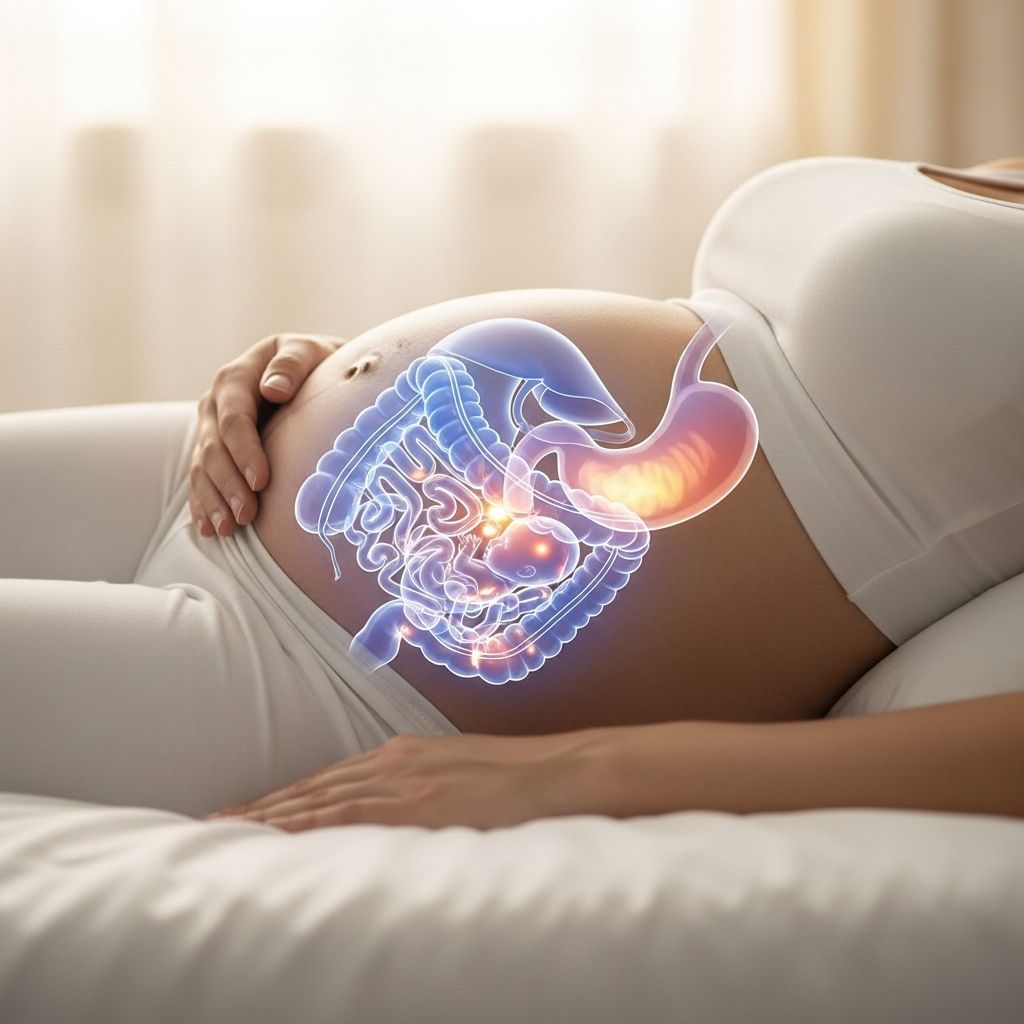
As pregnancy progresses into the third trimester, expectant mothers often experience a variety of physical changes signaling the body’s preparation for birth. Among these transformations, alterations in digestive function emerge as one of the more frequently discussed yet often misunderstood phenomena. The appearance of looser stools or increased bowel movements during the weeks or days preceding labor represents the body’s natural response to hormonal and physical readjustments. This gastrointestinal shift, while sometimes uncomfortable, reflects the intricate biological processes orchestrating the transition to active labor.
The Hormonal Foundation Behind Digestive Changes
The primary mechanism driving pre-labor digestive changes centers on the hormone prostaglandin and its effects throughout the body. As labor approaches, the body naturally increases prostaglandin production and releases oxytocin to prepare the cervix for softening and to initiate uterine contractions. These powerful hormones serve a dual purpose: while they work to ready the reproductive system for birth, they simultaneously influence the gastrointestinal tract, affecting intestinal muscle contractions and stool consistency.
Prostaglandins function as signaling molecules that enhance peristalsis—the wave-like muscular movements that propel food through the digestive system. When prostaglandin levels surge in preparation for labor, these intestinal contractions intensify, accelerating the passage of stool through the bowels. The result is often looser stools or diarrhea occurring within days or hours before active labor commences. This biological mechanism represents millions of years of evolutionary adaptation, ensuring the mother’s body is as prepared as possible for the demanding process of childbirth.
Distinguishing Pre-Labor Digestive Symptoms from Other Causes
One of the primary challenges expectant mothers face involves determining whether digestive symptoms indicate approaching labor or result from other, unrelated causes. Multiple factors throughout pregnancy can trigger loose stools, including dietary changes, prenatal vitamins, increased anxiety, and infections. Understanding the distinguishing characteristics of labor-associated digestive changes helps pregnant individuals make informed decisions about when to contact healthcare providers.
Characteristics of Labor-Associated Digestive Changes
- Sudden onset of loose or watery stools without preceding dietary changes
- Increased frequency of bowel movements accompanied by mild abdominal cramping
- Concurrent appearance with other labor indicators such as mucus plug loss or sensation of baby dropping
- Occurrence within 24 to 48 hours of due date or within days preceding labor onset
- Resolution of symptoms as labor progresses and hormone levels stabilize postpartum
In contrast, digestive upsets from food-related causes typically present with additional symptoms including nausea, vomiting, fever, or localized stomach pain without accompanying labor signs. Infections may produce blood in stool samples or extremely severe abdominal discomfort. When digestive changes appear alongside the classic indicators of approaching labor—such as regular contractions, pelvic pressure, or rupture of amniotic fluid—the likelihood of labor-related causation increases significantly.
The Stress Response and the Gut-Brain Axis
Beyond the direct hormonal effects of prostaglandins, the psychological anticipation surrounding labor contributes to digestive changes through mechanisms involving the gut-brain axis. This sophisticated communication network permits emotional states and stress levels to directly influence gastrointestinal function. As the due date approaches, many pregnant individuals experience heightened nervousness, anxiety, and anticipatory stress about the upcoming birth experience.
Elevated stress hormones, particularly cortisol, increase intestinal sensitivity and further stimulate peristalsis beyond what prostaglandins alone would produce. The combination of hormonal shifts and emotional responses creates a compounded effect on digestive function. Some healthcare providers recognize that the nervous system’s heightened state during late pregnancy may intentionally prepare the mother’s body by clearing the digestive tract—a practical adaptation that reduces complications during labor and delivery.
Timeline Variations and Individual Differences
The timing and severity of pre-labor digestive changes vary dramatically among pregnant individuals, reflecting differences in hormone sensitivity, baseline digestive function, and overall health status. Some women report experiencing noticeable digestive shifts several days before labor onset, while others observe changes only within hours of active labor beginning. Remarkably, many pregnant individuals never experience pre-labor diarrhea at all, yet proceed through normal labor and delivery without complications.
This variability underscores an important reality: digestive changes represent one potential indicator among many possible labor signals, rather than a definitive predictor. The absence of pre-labor diarrhea does not suggest anything unusual or problematic about the pregnancy or impending labor. Healthcare providers consistently emphasize evaluating the complete clinical picture rather than relying on any single symptom to determine labor readiness.
Additional Pre-Labor Indicators Deserving Attention
While digestive changes warrant consideration, numerous other physical signals provide more reliable information about labor progression. Recognizing these complementary indicators helps pregnant individuals develop confidence in identifying genuine labor approaches.
| Labor Indicator | Characteristics | Reliability |
|---|---|---|
| Mucus Plug Loss | Discharge of thick, blood-tinged mucus from the cervix; may occur days or hours before labor | Moderate |
| Baby Dropping (Lightening) | Sensation that the baby has descended lower in the pelvis; increases pelvic pressure and changes torso appearance | Moderate to High |
| Braxton-Hicks Contractions | Irregular tightening sensations that do not increase in intensity or frequency; painless or mildly uncomfortable | Low |
| True Labor Contractions | Regular, increasingly intense, painful contractions occurring at predictable intervals; do not subside with rest or movement | Very High |
| Amniotic Fluid Leakage | Visible or sensed fluid leak from the vagina; may appear as sudden gush or continuous trickle | Very High |
| Pelvic Pressure | Intense pressure sensation in the pelvic region and lower back; may intensify with baby’s descent | Moderate |
Managing Digestive Discomfort and Preventing Complications
When experiencing pre-labor digestive changes, the primary management objective involves maintaining adequate hydration while supporting overall comfort. Diarrhea increases fluid and electrolyte loss precisely when the body requires maximum resources for labor preparation and performance. Dehydration during this critical period can compromise maternal energy levels, increase fatigue, and potentially complicate labor progression.
Hydration and Nutritional Strategies
- Drink water consistently throughout the day, aiming for at least eight to ten glasses daily
- Consume electrolyte-rich beverages such as coconut water, sports drinks, or broths to replenish minerals lost through loose stools
- Include fruit juices and herbal teas to provide fluids with added nutrients and mild flavor variety
- Select easily digestible foods including toast, crackers, applesauce, bananas, rice, and clear broths
- Avoid dairy products, high-fiber foods, fatty items, and spicy dishes that may intensify digestive upset
- Eat small, frequent meals rather than large portions to reduce digestive strain
- Limit caffeine intake, which may stimulate additional bowel activity
Rest becomes equally important during periods of digestive discomfort. Adequate sleep and relaxation support the body’s physiological processes while reducing stress-related exacerbation of symptoms. Many pregnant individuals find that gentle movement—such as short walks or modified stretching—alleviates both digestive discomfort and the anxiety that often accompanies it.
Recognizing Warning Signs Requiring Immediate Medical Attention
While most pre-labor digestive changes resolve independently and without serious consequence, certain symptoms necessitate prompt communication with healthcare providers. These warning indicators suggest either complications beyond typical pre-labor preparation or conditions unrelated to labor that require medical evaluation and treatment.
Symptoms Warranting Healthcare Provider Contact
- Persistent fever exceeding 100.4°F (38°C) or accompanying chills
- Severe or unrelenting abdominal pain extending beyond mild cramping
- Persistent vomiting or inability to retain fluids for extended periods
- Visible blood in stool samples or abnormally dark, tarry stool appearance
- Diarrhea lasting longer than 24 to 48 hours without improvement
- Signs of significant dehydration including severe dizziness, confusion, or greatly reduced urination
- Unusual patterns in contractions or concerns about fetal movement
Dehydration specifically represents the most significant risk associated with pre-labor diarrhea. The physical stress of labor itself demands optimal fluid balance and electrolyte status. Severe dehydration entering active labor may contribute to maternal weakness, impaired ability to push effectively, and complications requiring medical intervention. Observable dehydration signs include dry mouth, cracked lips, noticeably decreased urination, pronounced thirst, and lightheadedness or unusual fatigue despite adequate rest.
When to Proceed to the Hospital or Birth Center
The presence of digestive changes alone does not indicate the appropriate time to seek hospital admission or contact labor and delivery services. However, when combined with other labor indicators, digestive symptoms contribute to the overall assessment of labor progression. Pregnant individuals should contact their healthcare provider or proceed to the hospital when experiencing regular, increasingly intense contractions occurring at progressively shorter intervals, visible rupture of amniotic fluid, significant vaginal bleeding, or other concerning symptoms regardless of digestive status.
Frequently Asked Questions About Pre-Labor Digestive Changes
Can digestive changes indicate labor starting within specific timeframes?
Some research suggests that when experiencing digestive changes near the due date, labor may begin within 24 to 48 hours. However, this timeline varies considerably among individuals. Some may experience symptoms weeks before labor, while others notice changes only hours before contractions intensify. The timeframe remains unreliable as a standalone predictor, particularly for individuals not yet at their due date.
Should dietary modifications continue if diarrhea develops shortly before due date?
Yes, maintaining appropriate nutrition remains important even when experiencing digestive upset near labor. Focus on easily digestible options providing calories and electrolytes rather than foods requiring extensive digestive effort. Avoid fasting or severely restricting intake, as the body requires energy reserves for labor performance. Consult healthcare providers if dietary concerns emerge.
Can pre-labor digestive changes affect labor performance or delivery outcomes?
Pre-labor diarrhea does not directly compromise labor progression or delivery safety when mothers maintain adequate hydration and nutritional status. In fact, the body’s natural clearing of the digestive tract may reduce complications. However, significant dehydration entering labor can diminish maternal stamina and complicate medical management.
Do all pregnant individuals experience pre-labor digestive changes?
No. Many women proceed through pregnancy and labor without experiencing noticeable digestive changes. The absence of pre-labor diarrhea indicates nothing abnormal about the pregnancy or upcoming labor. Individual variation in hormone sensitivity and digestive responsiveness accounts for these differences.
How does pre-labor diarrhea differ from illness-related digestive upset?
Labor-related digestive changes typically appear suddenly without dietary triggers and occur alongside other labor indicators. Illness-related diarrhea more commonly accompanies fever, vomiting, severe pain, or signs of infection. When distinguishing between causes proves difficult, healthcare provider consultation offers definitive guidance and reassurance.
Conclusion and Key Takeaways
Pre-labor digestive changes represent a normal physiological response to the hormonal and physical transformations characterizing late pregnancy. Understanding the mechanisms behind these changes—particularly the role of prostaglandins and stress-related responses—helps pregnant individuals interpret symptoms accurately and respond with appropriate management strategies. While digestive changes may occur within 24 to 48 hours before labor or may never occur at all, maintaining hydration and monitoring for concerning symptoms ensures maternal wellbeing throughout this critical transition period. Open communication with healthcare providers regarding any unexpected or concerning symptoms remains paramount, ensuring individualized guidance tailored to specific pregnancy circumstances and medical history.
References
- Diarrhea Before Labor: Causes, Risks & Safe Tips for Parents — Heloa. Accessed January 2026. https://heloa.app/en/blog/pregnancy/health/diarrhea-before-labor
- 6 Telltale Signs of Labor — Healthline. Accessed January 2026. https://www.healthline.com/health/pregnancy/telltale-signs-of-labor
- Signs That Labor Is Near — The Bump. Accessed January 2026. https://www.thebump.com/a/what-are-signs-of-labor
- How Soon Before Labor Do You Have Diarrhea? — MedicineNet. Accessed January 2026. https://www.medicinenet.com/how_soon_before_labor_do_you_have_diarrhea/article.htm
- 15 Signs Your Body Is Getting Ready for Labor — The Mother Baby Center. August 2025. https://www.themotherbabycenter.org/blog/2025/08/signs-labor-is-near/
- When to Go to the Hospital for Labor — OSF HealthCare. Accessed January 2026. https://www.osfhealthcare.org/blog/when-to-go-to-the-hospital-for-labor