Parenthood transforms lives in profound ways, but for introverted mothers, it often amplifies an inherent need for quiet reflection and personal space. While society celebrates the image of endlessly energetic moms thriving in chaos, introverts grapple with a quieter reality: a deep yearning for solitude amid relentless family demands. This article delves into the emotional landscape of introverted parenting, highlighting common hurdles, resilience-building tactics, and the empowering aspects of this temperament.
The Inner World of the Introverted Mom
Introversion is not shyness or antisocial behavior; it’s a preference for low-stimulation environments where energy is replenished through introspection rather than external interactions. In motherhood, this trait clashes with the high-energy, interactive nature of child-rearing. New moms who identify as introverts often feel a profound sense of isolation, not from lack of love for their children, but from the exhaustion of perpetual engagement.
Daily life involves responding to cries, play demands, and household bustle without pause. What extroverted parents might find invigorating, introverts experience as draining. This mismatch can lead to self-doubt, where mothers question their suitability for parenting despite their deep affection.
Core Challenges Faced Daily
Introverted moms encounter specific obstacles that test their limits. These include:
- Sensory Overload: Constant noise from toys, tantrums, or multiple children overwhelms the nervous system, leading to irritability or shutdown.
- Absence of Solitude: Moments alone are rare, often interrupted by needs that prevent mental recharge.
- Social Obligations: Playdates, school events, and parent gatherings require ‘faux-extroverting,’ masking natural tendencies to conserve energy.
- Emotional Tug-of-War: Intense love for children conflicts with the physical need for withdrawal, fostering guilt.
- Sleep Deprivation Impact: Nights meant for recovery are fragmented, exacerbating daytime fatigue.
These challenges compound in single-parent households, where there’s no partner to share the load of social or logistical tasks.
Postpartum Realities for Introverts
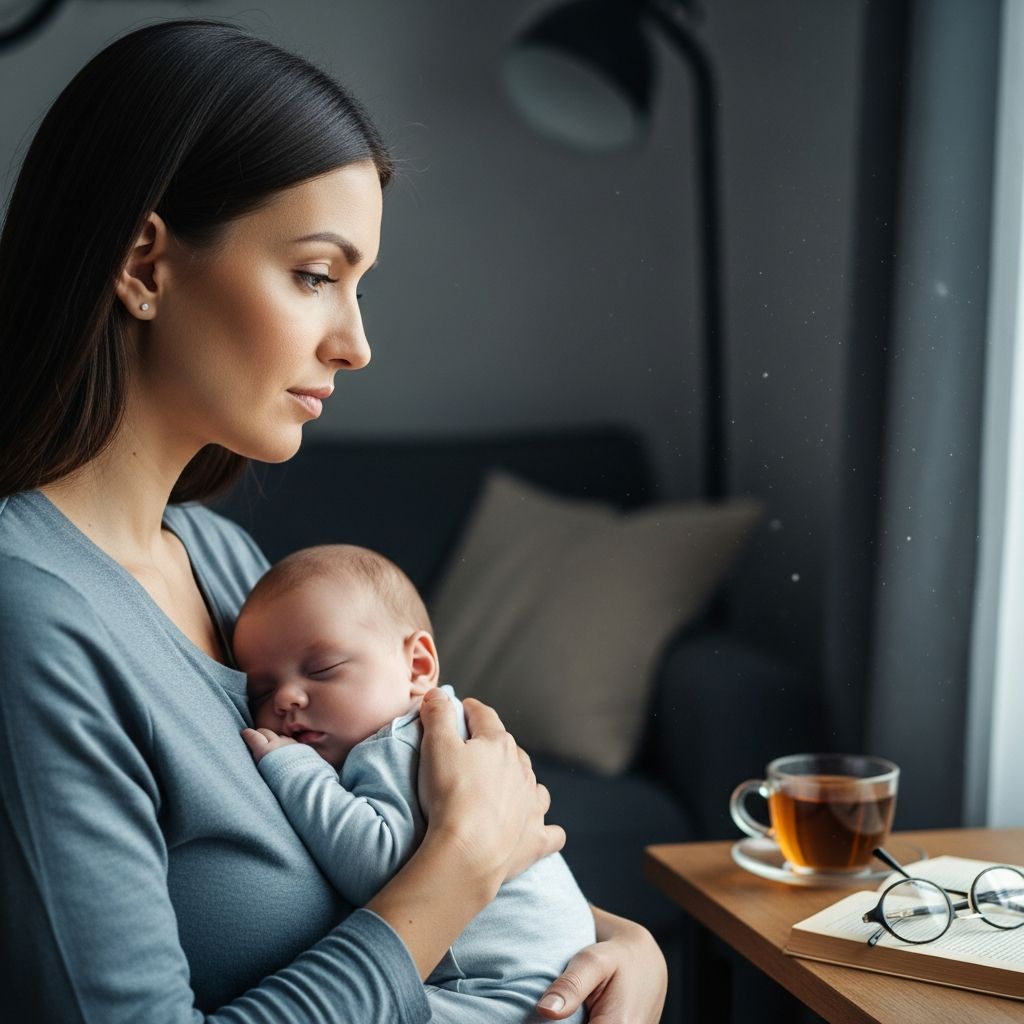
The postpartum period intensifies these struggles. Sleep deprivation strips away the primary recharge method for introverts, while hormonal shifts and round-the-clock caregiving create a pressure cooker. New mothers may withdraw further, avoiding visitors not out of rudeness, but necessity for survival. This can strain relationships, as partners or family misinterpret it as detachment.
Physical recovery demands quiet, yet the home buzzes with activity. Introverted moms might feel trapped, their world shrinking to the immediate needs of their baby, with little room for self-care.
Social Pressures and Misunderstandings
Society expects mothers to be sociable hubs, organizing group activities and chatting effortlessly at events. For introverts, this means constant adaptation. Attending birthday parties or school functions alone draws unwanted attention, heightening anxiety. Children’s blunt comments or public meltdowns amplify embarrassment without a co-parent to buffer.
Others may label introverted moms as aloof or uninterested, ignoring the internal effort required to participate. This external judgment adds emotional weight, making solitude even more appealing yet guilt-inducing.
| Scenario | Extroverted Mom Reaction | Introverted Mom Reaction |
|---|---|---|
| Playgroup | Energized by interactions | Drained, counts down to leave |
| Child’s Tantrum in Public | Handles with ease, engages onlookers | Feels exposed, seeks quick exit |
| Family Gathering | Thrives as center of attention | Needs breaks to recharge privately |
| Quiet Evening at Home | Seeks more stimulation | Relishes the peace |
Strategies to Recharge and Thrive
Survival isn’t about changing one’s nature but adapting the environment. Here are actionable steps:
- Establish Quiet Zones: Designate a room or time for mandatory rest, even if brief. Use it for reading or meditation.
- Delegate Social Duties: Partner with extroverted friends or family for playdates, or hire sitters for events.
- Micro-Breaks: Step away for 10 minutes during the day—bathroom, car, or walk—to reset.
- Communicate Boundaries: Explain needs to partners and kids age-appropriately: “Mommy needs quiet time to be her best self.”
- Nap Routines: Implement daily quiet hours where everyone rests independently.
- Selective Engagement: Choose low-key activities like park visits over noisy indoor playgrounds.
For single introverted parents, pacing is key: savor one-on-one child moments without overcommitting socially.
Strengths That Introverts Bring to Motherhood
Beyond challenges, introversion offers gifts. Deep listening fosters strong emotional bonds with children. Thoughtful observation spots subtle needs others miss. Preference for quality over quantity time creates meaningful interactions. Introverted moms model healthy self-care, teaching kids balance and introspection.
In single parenting, autonomy allows tailoring routines to personal rhythms, free from compromise.
Building a Support Network on Your Terms
Connection doesn’t require constant socializing. Seek like-minded moms via online forums or small groups. One deep conversation weekly can sustain more than superficial daily chats. Apps for virtual playdates reduce in-person drain while meeting needs.
Therapy or coaching specialized in introversion helps reframe guilt and build assertiveness.
Frequently Asked Questions
Is it normal for introverted moms to feel lonely?
Yes, loneliness stems from energy mismatch, not lack of love. It’s common and manageable with strategies.
Can introverts be great parents?
Absolutely. Their empathy, patience, and focus create nurturing environments.
How do I explain my needs to my partner?
Use ‘I’ statements: “I feel recharged after alone time, which helps me be more present.”
What if my child is extroverted?
Balance by allowing their energy outlets while protecting your recharge time. Teach mutual respect.
Does this get easier as kids grow?
Often yes, as children gain independence, providing more solo moments.
Long-Term Outlook: Embracing Your Introverted Parenting Journey
Introverted motherhood evolves. Early years test endurance, but with practice, moms craft sustainable rhythms. Celebrate small wins: a peaceful evening, guilt-free break, or child’s understanding nod. This path honors authenticity, modeling resilience for the next generation.
Ultimately, introversion enriches family life uniquely, turning solitude into strength.
References
- The Challenges of Introverted Mothers — Quiet Quality. 2023-05-15. https://quietquality.nl/en/blog/challenges-introverted-mothers/
- The Perks and Challenges of Being an Introverted Single Parent — Introvert Dear. 2022-11-10. https://introvertdear.com/news/the-perks-and-challenges-of-being-an-introverted-single-parent/
- Managing Postpartum Challenges As An Introvert — Meghan Telpner. 2021-08-20. https://www.meghantelpner.com/postpartum-challenges-as-an-introvert/
- An Introvert’s Survival Guide to Parenthood — Mothers Day Magazine. 2023-11-25. https://mothersdaymagazine.com/2023/11/25/an-introverts-survival-guide-to-parenthood/
- 6 Survival Strategies for Introverted Moms — Introverted Moms. 2023-02-14. https://introvertedmoms.com/survival/