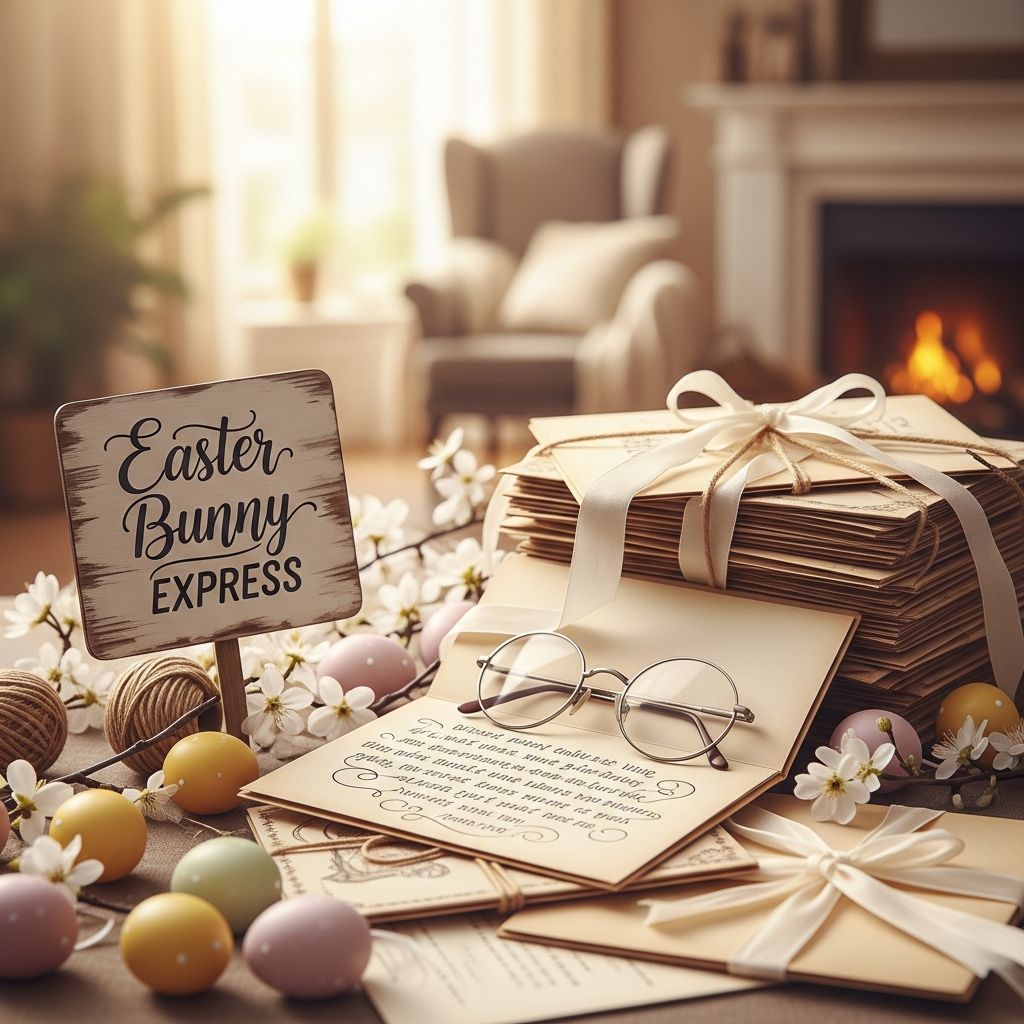
For many families, the Easter Bunny is more than just candy and plastic eggs; it is a chance to add a little wonder to childhood. A thoughtful Easter Bunny letter can transform an ordinary morning into a memory that children carry with them for years. Instead of focusing only on baskets and treats, a special note opens the door to imagination, gratitude, and connection.
This guide walks you through why Easter Bunny letters matter, how to write them at any child’s age, and how to turn one simple note into a yearly tradition filled with joy. You will also find practical examples, bullet-point ideas, and frequently asked questions to make your planning easy and stress-free.
Why an Easter Bunny Letter Is So Powerful
A letter from the Easter Bunny does more than announce where eggs are hidden. It speaks directly to your child, acknowledging their personality, efforts, and milestones in a way that feels magical but deeply personal. When a child believes a whimsical character notices them, everyday kindness and growth suddenly feel extra special.
Unlike gifts that are quickly forgotten, a letter is something many children will want to keep. You might tuck it away in a memory box, display it on the fridge, or slip it into a scrapbook. Over time, these notes become a written record of your family’s seasons—tiny snapshots of who your children were each spring.
Planning Your Easter Bunny Letter
Before writing, spend a few minutes thinking about what you want your child to feel when they read the letter. The goal is not to create a perfect piece of literature but to craft a warm message that feels tailored to your family’s style and values. A little intention beforehand makes the writing easier and more meaningful.
Consider whether you want your letter to be silly, sentimental, faith-focused, or centered on family traditions. You can mix tones as well—perhaps opening with playful humor and ending with a gentle, heartfelt reminder about love and kindness.
Key Elements to Include
- Personal details: Use your child’s name, mention their favorite toy, pet, or hobby, and reference something specific they have done recently.
- Encouragement: Highlight positive behaviors such as sharing, trying hard in school, or being gentle with younger siblings.
- A hint of magic: Add small, imaginative details that make the Bunny feel like a real character with a busy holiday schedule.
- Simple instructions: Give clues about the egg hunt, special surprises, or activities planned for the day.
- A closing message of love: End with a warm, reassuring tone that emphasizes care, joy, and togetherness.
Age-Appropriate Letter Ideas
Children at different ages connect with different kinds of messages. Adjusting the length, language, and themes of your Easter Bunny letter ensures that it feels believable and meaningful to your child.
| Age Group | Letter Style | Suggested Focus |
|---|---|---|
| Toddlers (2–3) | Very short, simple, playful | Names, colors, simple praise, fun hops and eggs |
| Preschool (4–5) | Short and silly, clear clues | Listening, sharing, excitement about egg hunts |
| Early elementary (6–8) | More detailed, imaginative | Kindness, responsibility, specific achievements |
| Older kids (9+) | Thoughtful, sometimes humorous | Helping others, family traditions, gentle acknowledgment of growing up |
Fun Themes for Your Letter
Choosing a theme makes the letter easier to write and more fun to read. You can stick to one idea or blend a few together depending on your child’s personality and what your family enjoys about Easter.
- The Explorer Bunny: The Easter Bunny describes hopping across forests, fields, and neighborhoods to reach your home, turning the letter into a mini adventure story.
- The Secret Egg Detective: The Bunny playfully drops “top secret” hints about where the most special eggs are hidden without giving everything away.
- The Kindness Coach: The Bunny talks about how kindness spreads like Easter eggs across the world, noticing small acts your child has done.
- The Garden Guardian: The Bunny shares stories about spring plants, flowers, and animals, tying the magic of Easter to the wonder of nature.
- The Family Cheerleader: The Bunny celebrates your family traditions, from brunch to church to backyard games.
Step-by-Step: Writing the Letter
Even if writing does not come naturally, a simple step-by-step process can help you create a charming letter in just a few minutes. Think of it as filling in a friendly template with details that only you know about your child.
- Start with a warm greeting. Use your child’s name and a playful hello that sounds like it comes from a bunny on the move.
- Mention your child’s world. Bring up a small detail—maybe a favorite game, a recent accomplishment, or a beloved stuffed animal.
- Offer praise and encouragement. Call out one or two specific positive behaviors you appreciate.
- Add the Easter magic. Mention hopping across town, carrying a basket, or juggling colorful eggs.
- Give a clue or instruction. Provide a hint about where to start the egg hunt or how to find a special surprise.
- Close with warmth. End with a friendly sign-off that fits the Easter Bunny’s personality.
Personalizing the Experience
Customization turns a generic note into something that could never be mistaken for anyone else’s. Children notice when a letter includes their nickname, mentions their school project, or remembers how much they love a certain snack or game.
You might even tailor the letter to sibling dynamics. If you have more than one child, the Bunny can praise how they work together, take turns, or help each other, reinforcing cooperative behavior with a magical stamp of approval.
Creative Extras to Add
Small, inexpensive touches can make the letter feel like it truly came from a mystical visitor. None of these are required, but choosing one or two can elevate the experience without adding much effort.
- “Paw prints”: Lightly dab pink or brown paint on your finger and press tiny marks near the signature.
- Glitter “fairy dust”: Sprinkle just a bit of glitter inside the envelope or on the back of the letter for a magical glimmer.
- Carrot-shaped doodles: Draw little carrots, eggs, or bunny ears in the margins of the page.
- Special paper: Use colored stationery, textured craft paper, or a printed template to make the letter feel more official.
- Wax seal or sticker: Seal the envelope with a bunny sticker, a wax seal, or a cute piece of washi tape.
Where and When to Leave the Letter
The timing and location of the Easter Bunny letter can add to the magic just as much as the words themselves. Think about what fits best with your family’s schedule on Easter weekend and how your children typically wake up or start the day.
- On the breakfast table: Place the letter next to each child’s plate so they discover it as soon as they sit down.
- Near the front door: Tape the envelope where they will see it the moment they step into the hallway or living room.
- Inside the basket: Hide the letter among the treats, making it the first thing they pull out.
- At the start of the egg hunt: Leave it where the hunt begins so the Bunny can explain the rules or drop a big clue.
Using Letters to Encourage Values
The letter offers a gentle opportunity to reinforce the values you hope to cultivate in your children without sounding like a lecture. Coming from a whimsical visitor, reminders about kindness or responsibility can feel more like a blessing than criticism.
- Kindness: The Bunny can mention times your child shared, comforted a friend, or helped a sibling.
- Gratitude: The letter can suggest saying “thank you” to family members who helped make Easter special.
- Patience: For kids who get easily frustrated, the Bunny might praise moments when they waited their turn or tried again after a setback.
- Helping at home: Subtle encouragement about cleaning up toys or helping set the table can be woven in positively.
Creating a Yearly Tradition
Once you start writing Easter Bunny letters, it is easy to turn them into a yearly tradition your children look forward to each spring. Consistency builds anticipation, and over time, the letters capture how your kids change and grow from year to year.
You might decide to keep copies of each note in a folder or binder. When your children are older, looking back at past letters can spark conversations about their childhood and the traditions that shaped your family life.
Tips for Families with Multiple Children
If you have several children, the Easter Bunny letter can become a tool for nurturing teamwork instead of competition. A single shared letter can highlight how they help and care for one another, or you can write individual letters that each mention sibling relationships.
- Consider one main letter that addresses all the children plus short, personalized notes tucked into each basket.
- Use the letter to encourage taking turns during the egg hunt, such as letting younger kids start first.
- Acknowledge each child’s unique qualities so no one feels overshadowed.
Frequently Asked Questions About Easter Bunny Letters
How long should the letter be?
For very young children, a few short, simple sentences are often enough to keep their attention. Older kids can enjoy longer, more detailed notes, but even then, a single page is usually plenty. Focus on warmth and personalization rather than length.
Should I handwrite the letter or type it?
Handwriting can feel more personal and magical, especially if you slightly change your usual style to look more “bunny-like.” However, typing and printing the letter works just as well, particularly if you want to use fun fonts, borders, or themed stationery.
What if my child asks why the handwriting looks like mine?
Some parents say the Bunny asked for their help because there were so many houses to visit. Others keep the explanation simple and redirect attention to the message about kindness, fun, and family togetherness.
Can I involve my child in writing letters to the Easter Bunny?
Yes. Children can write or draw pictures to the Bunny in the days leading up to Easter. You can leave the Bunny’s reply nearby, creating a sweet back-and-forth that deepens the sense of connection and tradition.
What if my older child is starting to doubt the Easter Bunny?
For older kids, the letter can shift from pure fantasy to a more reflective note about memories, gratitude, and helping younger siblings enjoy the holiday. Over time, older children can even help “the Bunny” design surprises for little ones, turning them into holiday helpers instead of passive recipients.
Simple Structure You Can Adapt
To make writing easier, you can think of your Easter Bunny letter as following a loose structure that you adjust to your child and your family’s style. You do not have to follow it strictly, but it can serve as a helpful checklist as you write.
- Greeting with your child’s name.
- One or two sentences about your child’s world (school, hobbies, or recent progress).
- A brief note of praise and encouragement.
- A bit of Easter magic or humor.
- Clues or instructions about the day’s activities.
- A warm closing “signature” from the Easter Bunny.
With a little imagination and a lot of love, your Easter Bunny letter can become one of the brightest parts of the holiday. Each spring, that small piece of paper will whisper the same message to your children: they are seen, they are cherished, and there is always room for a little magic in the everyday.