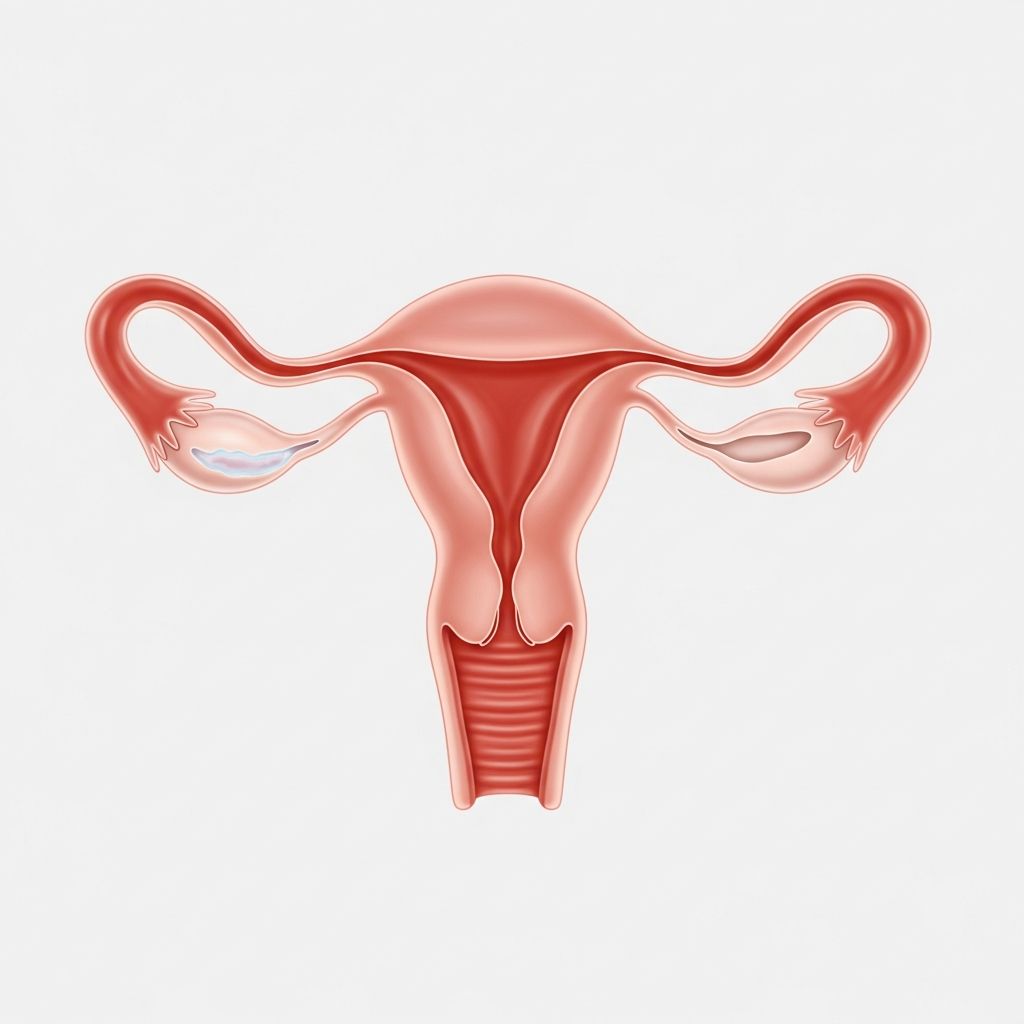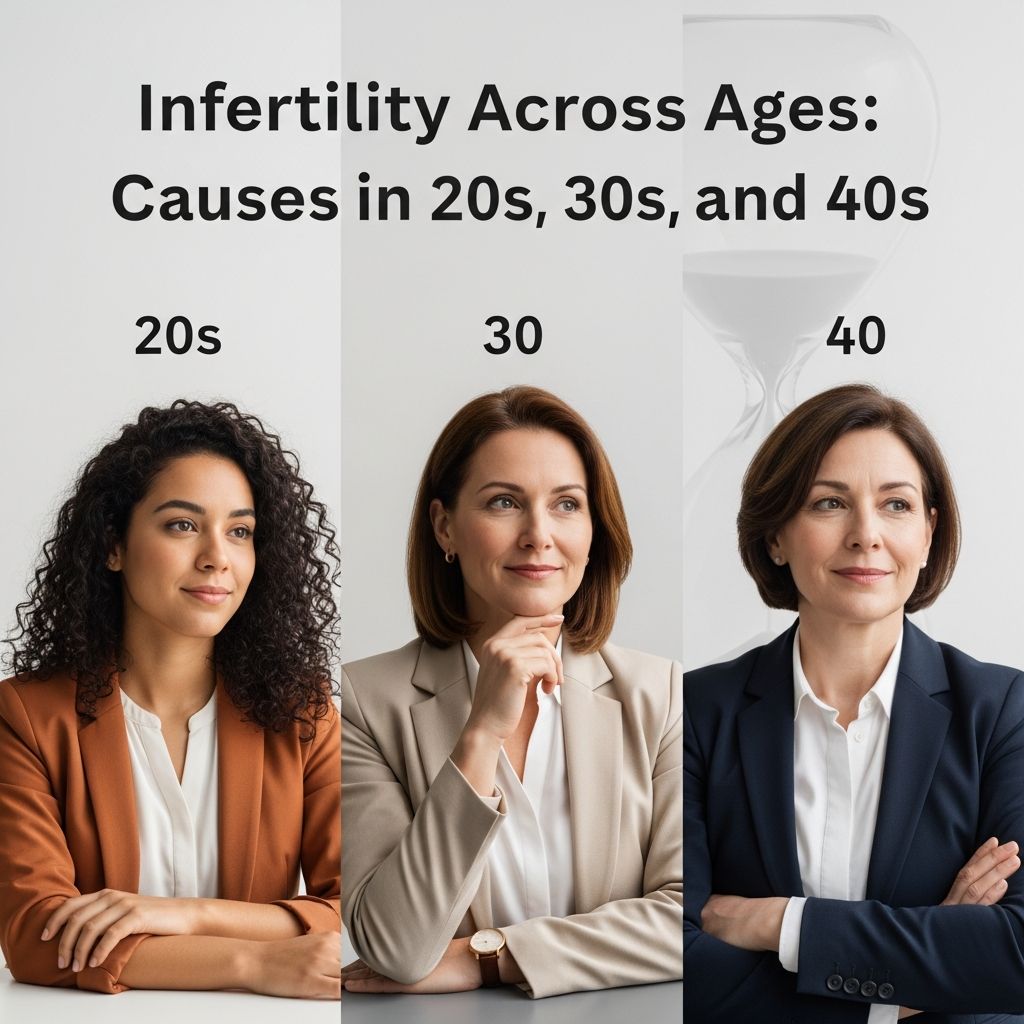
Infertility affects millions worldwide, defined as the inability to conceive after 12 months of regular unprotected intercourse for those under 35, or 6 months for those 35 and older. While it impacts both partners equally, its causes shift significantly with age, influenced by biological, lifestyle, and environmental factors. This article delves into how infertility manifests differently in the 20s, 30s, and 40s, offering insights for proactive family planning.
Defining Infertility and Its Prevalence
Infertility is not a disease but a condition stemming from various underlying issues. Globally, it affects about 8-12% of couples, with male factors contributing to 40% of cases, female factors another 40%, and combined issues in 20%. Age plays a pivotal role, particularly for women, as ovarian reserve diminishes over time. Men also experience declining sperm quality with age, though more gradually.
Fertility Challenges in Your 20s: Often Lifestyle-Driven
In the 20s, fertility is typically at its peak, with women having abundant healthy eggs and men producing optimal sperm. However, infertility in this decade often arises from modifiable factors rather than age-related decline. Couples in their 20s facing difficulties should investigate lifestyle and medical contributors early.
Common Female Causes in the 20s
- Ovulatory Disorders: Conditions like polycystic ovary syndrome (PCOS) disrupt hormone balance, preventing regular ovulation. High luteinizing hormone (LH) and low follicle-stimulating hormone (FSH) levels hinder egg maturation.
- Thyroid Imbalances: Hypothyroidism or hyperthyroidism can halt ovulation by altering menstrual cycles.
- Weight Extremes: Obesity links to lower ovulation rates, while being underweight from eating disorders suppresses reproductive hormones.
Male Factors in the 20s
- Sperm Quality Issues: Low count, poor motility, or abnormal shape often stem from varicocele, a swelling of scrotal veins.
- Lifestyle Impacts: Smoking, heavy alcohol, marijuana, and exposure to heat (e.g., hot tubs) impair sperm production.
Environmental toxins like pesticides and heavy metals further exacerbate risks for both genders. In the 20s, addressing these through lifestyle changes—quitting smoking, moderating alcohol, achieving healthy weight—can restore fertility in many cases.
Navigating Infertility in Your 30s: Cumulative Effects Emerge
By the 30s, subtle declines begin, compounded by life stressors, delayed childbearing, and accumulated health issues. Fertility drops noticeably after 35, with monthly conception chances falling from 20-25% in the 20s to about 15%.
Key Female Contributors in the 30s
- Tubal Blockages: Scarring from infections, endometriosis, or surgeries blocks egg transport. Endometriosis, where uterine-like tissue grows outside the uterus, affects 30-50% of infertile women.
- Uterine Issues: Fibroids, noncancerous growths, distort the uterus in 40% of women by age 40, potentially impeding implantation.
- Endometriosis Progression: This condition damages ovaries and tubes, reducing fertility.
Male Concerns in the 30s
- Hormonal Disruptions: Low testosterone or prostatitis reduces sperm viability.
- Occupational Hazards: Prolonged chemical exposure or strenuous labor lowers sperm count.
Stress from careers and relationships can indirectly affect fertility via hormonal shifts. Women with PCOS may see worsening symptoms if untreated, while men benefit from avoiding anabolic steroids, which harm sperm formation.
Infertility in Your 40s: The Role of Biological Clock
The 40s mark accelerated fertility decline, especially for women, with egg quantity and quality plummeting. By 40, only 5% of natural cycles result in pregnancy monthly, and miscarriage risk rises due to chromosomal errors.
Primary Female Causes in the 40s
- Diminished Ovarian Reserve: Primary ovarian insufficiency halts ovarian function before 40, often linked to genetics or autoimmunity.
- Advanced Age Effects: Fewer eggs, irregular ovulation, and lower estrogen/progesterone levels increase infertility and miscarriage.
- Fibroids and Adhesions: Pelvic scar tissue from prior surgeries or infections binds organs, complicating conception.
Male Factors in the 40s
- Declining Sperm Parameters: Age-related drops in volume, motility, and DNA integrity.
- Chronic Conditions: Diabetes or hypertension alters sperm shape.
Couples in their 40s often face combined factors, necessitating comprehensive testing. Donor eggs offer high success for women with poor egg quality.
Lifestyle Modifications to Boost Fertility at Any Age
Regardless of decade, certain habits profoundly influence fertility. Maintaining a BMI of 18.5-24.9 optimizes outcomes; for PCOS patients, 5% weight loss can restore ovulation. Limit caffeine to under 200mg daily, avoid trans fats, and prioritize antioxidants-rich diets. Exercise moderately—excessive intensity disrupts cycles. Minimize toxins: no smoking, limited alcohol (<14 units/week), and protective gear in hazardous jobs.
| Age Group | Top Fertility Boosters | Common Pitfalls to Avoid |
|---|---|---|
| 20s | Balanced diet, regular check-ups | Smoking, extreme diets |
| 30s | Stress management, STI screening | Delayed testing, untreated PCOS |
| 40s | Supplements (CoQ10, folate), early intervention | Ignoring age risks, over-exercise |
Diagnostic Approaches and When to Seek Help
Start with semen analysis for men and ovulation tracking for women. Hysterosalpingography checks tubal patency, while blood tests assess hormones/AMH levels. Consult a specialist after 1 year (under 35) or 6 months (over 35). Treatments range from medications (clomiphene for ovulation) to IVF.
Frequently Asked Questions (FAQs)
What is the most common cause of infertility in women in their 20s?
Ovulatory disorders like PCOS are prevalent, affecting hormone balance and egg release.
Does age affect male fertility as much as female?
Less dramatically, but sperm quality declines gradually, increasing genetic risks.
Can lifestyle changes reverse infertility?
Yes, especially for weight-related or substance-induced issues; 5% weight loss aids ovulation in obese women.
How does endometriosis impact fertility across ages?
It scars tubes and ovaries, worsening in 30s-40s; early treatment preserves options.
Is infertility testing painful?
Most are routine: blood draws, ultrasounds; HSG may cause cramping but is brief.
Empower yourself with knowledge—early action maximizes chances. Track cycles, prioritize health, and consult reproductive endocrinologists for personalized paths to parenthood.
References
- Infertility Causes, Symptoms, and Treatments — UPMC. 2023. https://www.upmc.com/services/womens-health/conditions/infertility
- Infertility – Symptoms and causes — Mayo Clinic. 2024-01-15. https://www.mayoclinic.org/diseases-conditions/infertility/symptoms-causes/syc-20354317
- What lifestyle and environmental factors may be involved with infertility? — NICHD (NIH). 2023. https://www.nichd.nih.gov/health/topics/infertility/conditioninfo/causes/lifestyle
- Common and Uncommon Causes of Infertility — Shady Grove Fertility. 2024. https://www.shadygrovefertility.com/article/common-and-uncommon-causes-infertility/
- Causes of infertility — NHS. 2023-11-20. https://www.nhs.uk/conditions/infertility/causes/
- Infertility: Types, Causes, Symptoms, Diagnosis & Treatment — Cleveland Clinic. 2024. https://my.clevelandclinic.org/health/diseases/16083-infertility