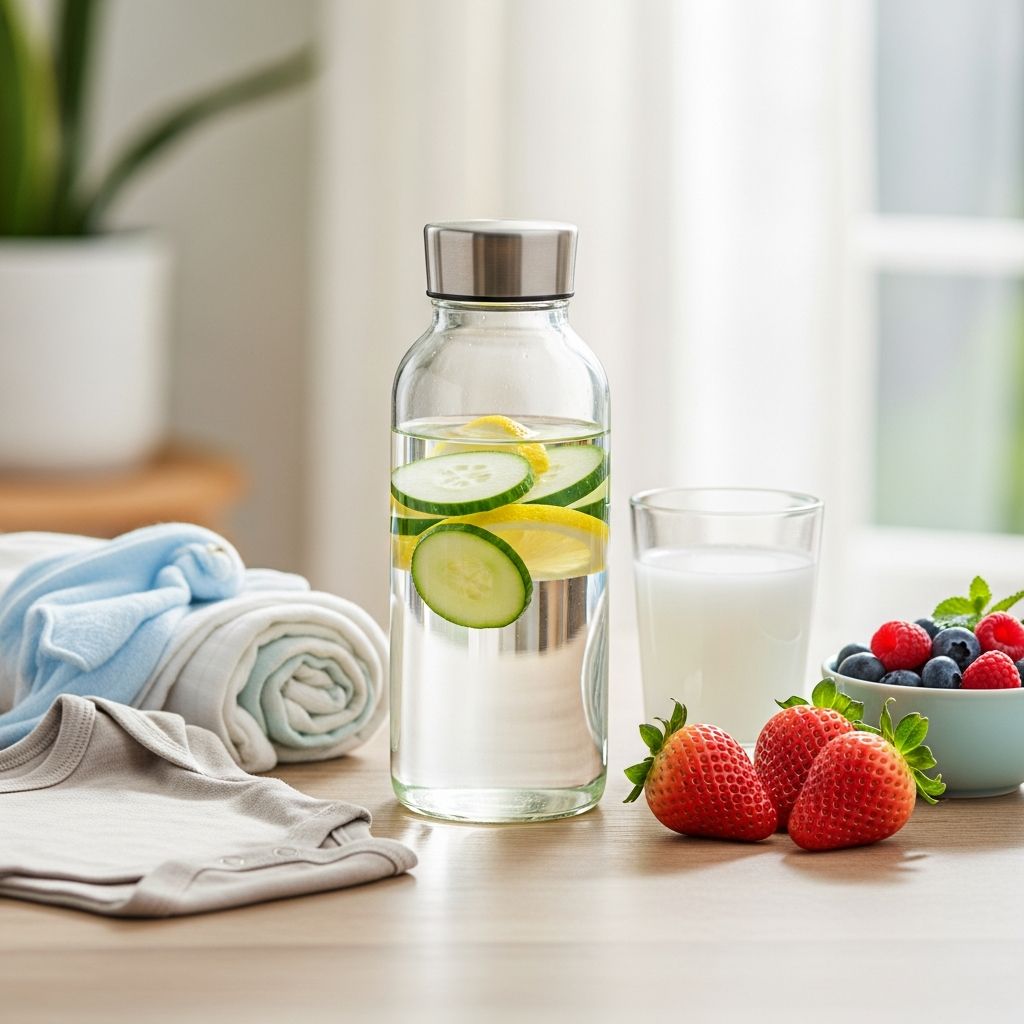
Staying properly hydrated is a cornerstone of health for expecting and new mothers, influencing everything from fetal development to breastfeeding success and personal recovery. During pregnancy, the body demands more fluids to support expanded blood volume and amniotic fluid production, while postpartum needs surge due to milk production and healing processes. This comprehensive guide explores the science, benefits, and actionable strategies to maintain optimal hydration levels.
Why Hydration Matters More During Pregnancy
Pregnancy triggers profound physiological changes that elevate fluid requirements. The body increases its total water content by about 50% to accommodate the growing fetus, placenta, and expanded maternal tissues. Plasma osmolality—the concentration of solutes in blood—decreases, resetting thirst thresholds lower to ensure a steady water balance.
Adequate intake directly impacts key areas:
- Amniotic Fluid Regulation: Hydration supports the volume of amniotic fluid, which cushions the baby, aids lung development, and maintains temperature stability. Preliminary studies suggest optimal hydration may enhance fluid levels, potentially reducing risks like preterm labor.
- Preventing Common Discomforts: Dehydration exacerbates swelling (edema), constipation, urinary tract infections, and overheating, all heightened in pregnancy. Proper fluids help flush toxins, reduce water retention, and ease digestion.
- Metabolic and Energy Support: Water facilitates nutrient transport, hormone regulation, and temperature control, combating fatigue common in later trimesters.
Guidelines recommend 2-2.5 liters (8-10 glasses) daily, adjusted for activity, climate, and trimester. Listening to thirst cues, now more sensitive, is crucial.
Postpartum Hydration: Fueling Recovery and Milk Supply
After delivery, hydration needs remain elevated or increase further, especially for breastfeeding mothers. Breast milk is 87-90% water, and lactation induces significant fluid loss—up to an extra 700-1,000 ml daily. Blood volume normalizes post-birth, but healing from labor or C-section demands robust fluid support.
| Postpartum Hydration Benefit | Key Impact | Supporting Evidence |
|---|---|---|
| Boosted Milk Production | Dehydration can cut supply by 25%; hydration ensures steady flow | |
| Energy Restoration | Increases energy by 14%, counters sleep deprivation fatigue | |
| Healing and Metabolism | Aids tissue repair, boosts metabolism 30% for weight management | |
| Mood Stabilization | Prevents irritability from mild dehydration |
New mothers lose fluids during labor, amplifying dehydration risks. Signs include dark urine, dry mouth, dizziness, and reduced milk output—prompt action with fluids prevents complications.
Science-Backed Hydration Requirements
Expectant women need 2.3-3 liters daily, rising to 3.3-3.8 liters for breastfeeding, per health authorities. These exceed non-pregnant needs by 20-30% due to fetal metabolic demands and milk synthesis. Factors like hot weather, exercise, or illness increase requirements further.
Electrolytes—sodium, potassium, magnesium—are vital for water absorption and balance. Pregnancy and lactation deplete them via sweat, urine, and milk, risking cramps, headaches, or fatigue. Sugar-free electrolyte packets or natural sources like lemon-salted water enhance uptake.
Practical Strategies to Stay Hydrated
Achieving daily goals requires intention amid pregnancy nausea or postpartum busyness. Here are proven tactics:
- Set Visual Reminders: Use marked bottles (e.g., half-gallon with time lines) or apps tracking intake. Place near nursing stations.
- Incorporate Flavorful Options: Infuse water with cucumber, mint, berries, or citrus. Herbal teas (chamomile, ginger) count toward totals, soothing nausea.
- Prioritize Electrolyte Boosts: Add sea salt, lemon, or packets to water. Coconut water provides natural potassium.
- Link to Routines: Drink a glass before each meal, upon waking, and with every breastfeeding session.
- Explore Nutrient-Dense Drinks: Smoothies with fruits, milk, or yogurt hydrate while delivering calories and vitamins.
Aim for clear or pale urine as a hydration benchmark. If urine is consistently dark, increase intake immediately.
Innovative Hydration Solutions for Busy Moms
Traditional drinking can fall short when exhaustion hits. Mobile IV therapy offers direct bloodstream delivery of fluids, electrolytes, vitamins (B-complex, C), and minerals, bypassing absorption issues. Ideal postpartum, it provides rapid rehydration, immune boosts, and fatigue relief without leaving home. Customized blends target recovery: magnesium for muscle relaxation, calcium for bones.
Benefits include 100% bioavailability, convenience, and quick energy surges—perfect for sleep-deprived nights. Sessions last 30-60 minutes, with effects lasting days. Consult providers for safety during breastfeeding.
Recognizing and Addressing Dehydration Risks
Dehydration sneaks up subtly: headaches, constipation, low milk supply, or dizziness. Pregnancy heightens UTI and preterm risks; postpartum links to poor mood and slow healing. Prevention beats cure—monitor urine color, thirst, and energy.
For severe cases (e.g., post-labor fluid loss), oral rehydration salts or medical IVs restore balance swiftly. Always consult healthcare providers before supplements.
Nutrition’s Role in Sustaining Hydration
Hydration pairs with water-rich foods: watermelon (92% water), oranges, soups, yogurt. These supply electrolytes naturally, enhancing retention. Postpartum, balanced meals prevent deficiencies exacerbating thirst. A study notes proper maternal hydration and diet improve breastfeeding outcomes.
Frequently Asked Questions (FAQs)
Is it safe to use electrolytes during pregnancy and breastfeeding?
Yes, essential electrolytes like sodium, potassium, and magnesium are safe and necessary for hydration, muscle function, and fluid balance. Choose sugar-free options.
How much water should I drink while pregnant?
Target 8-10 glasses (2-2.5 liters) daily, more in heat or with activity. Thirst guides adjustments.
Can dehydration affect my baby’s health?
Yes, it may lower amniotic fluid, raise preterm risks, and impact milk supply post-birth.
What are signs of dehydration postpartum?
Dark urine, dry mouth, fatigue, dizziness, or reduced milk—replenish immediately.
Does IV therapy work for breastfeeding moms?
Absolutely, it rapidly restores fluids and nutrients, supporting milk production and recovery.
Empowering Your Journey Through Hydration
Mastering hydration transforms pregnancy and postpartum into periods of vitality rather than struggle. Consistent habits yield lasting benefits: vibrant energy, ample milk, swift recovery. Small, daily commitments—like a nearby bottle or electrolyte sip—compound into profound wellness. Partner with your body by prioritizing fluids, and watch motherhood unfold with renewed strength.
References
- Unveiling the Benefits of Mobile IV Therapy for Post-Pregnancy Hydration — Revitalize Mobile IV. 2023. https://www.revitalizemobileiv.com/post/unveiling-the-benefits-of-mobile-iv-therapy-for-post-pregnancy-hydration-a-game-changer-for-mom-s-r
- Hydration in Pregnancy and Breastfeeding — Hydration for Health. 2024. https://www.hydrationforhealth.com/en/hydration-science/hydration-lab/hydration-pregnancy-and-breastfeeding/
- How to Stay Hydrated During Pregnancy and Postpartum — Blooming Chiropractic. 2023. https://www.bloomingchiropractic.com/blog/how-to-stay-hydrated-during-pregnancy-and-postpartum
- Staying Hydrated After Giving Birth — Three Lollies. 2024. https://threelollies.com/staying-hydrated-after-giving-birth/
- Keeping Hydrated During Pregnancy and the Postpartum Period — Stork Helpers. 2023. https://www.storkhelpers.com/blog/entry/keeping-hydrated-during-pregnancy-and-the-postpartum-period/
- Nourishing New Mothers: The Crucial Role of Hydration and Nutrition Postpartum — LPI Physical Therapy. 2024. https://www.lpiphysicaltherapy.com/blog/hydration-nutrition-postpartum
- Impact of Maternal Body Composition, Hydration, and Metabolic… — PMC (NCBI). 2024-10-15. https://pmc.ncbi.nlm.nih.gov/articles/PMC11536699/