Experiencing changes in your body after sexual activity can raise questions about pregnancy, especially if protection was not used or failed. While immediate effects are rare, certain indicators tied to hormonal surges and implantation may surface within days to weeks. This guide details these signs, their timelines, and steps for confirmation, drawing from medical insights to help you navigate uncertainty.
Understanding the Timeline of Early Pregnancy Indicators
Conception typically occurs within 24 hours of ovulation if sperm meets egg. Implantation, where the fertilized egg attaches to the uterine lining, happens 6-12 days later, triggering human chorionic gonadotropin (hCG) production. Symptoms often begin 1-2 weeks post-conception as hCG rises, around the expected period time.
Not all pregnancies present identical signs, and many mimic premenstrual symptoms. Factors like stress, hormonal birth control, or illness can overlap. Reliable detection requires testing after a missed period.
Common Physical Changes to Watch For
Several bodily responses may hint at early pregnancy after intimacy. Here’s a breakdown:
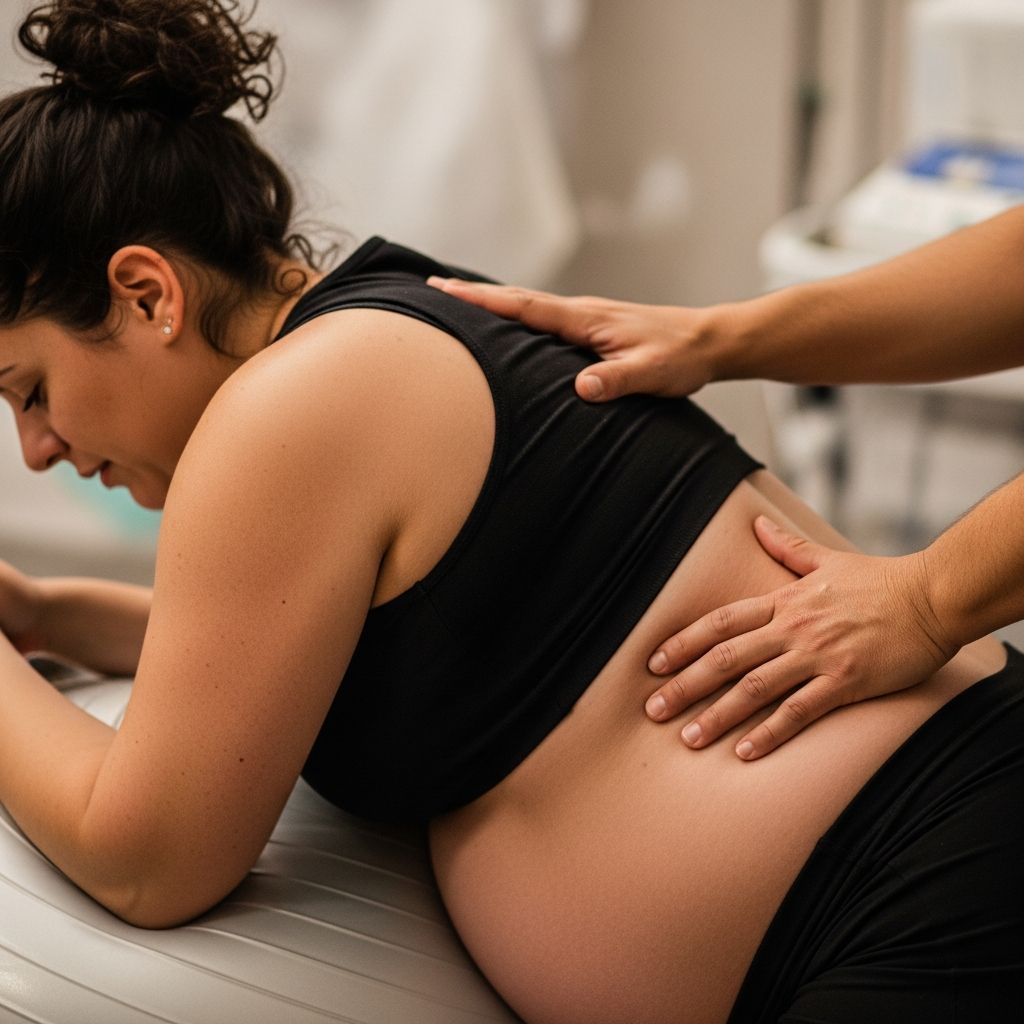
- Abdominal Discomfort or Mild Cramping: Light cramps resembling period pain can occur during implantation, caused by the embryo embedding in the uterus. This usually feels like dull aches in the lower abdomen, lasting 1-2 days, and differs from severe pain warranting medical attention.
- Light Spotting or Implantation Bleeding: About 25% of pregnancies involve pinkish or brownish discharge 6-12 days post-fertilization. Lighter and shorter than a period, it’s due to minor vessel disruption during attachment—not common post-sex friction.
- Breast Sensitivity and Swelling: Tenderness, tingling, or fullness starts 1-2 weeks after conception from surging estrogen and progesterone. Nipples may darken, and veins become prominent as glands prepare for milk production.
Hormonal Impacts on Daily Well-Being
Pregnancy hormones profoundly affect energy and mood:
- Persistent Fatigue: Progesterone elevation induces drowsiness, often noticeable 1-2 weeks in. Combined with rising basal body temperature, it leads to needing naps or early bedtimes.
- Frequent Headaches: Increased blood volume and hormonal flux can trigger mild, recurring headaches in the first trimester.
- Nausea or Mild Queasiness: Subtle stomach upset may begin early, escalating to morning sickness later, linked to hCG peaks.
| Symptom | Typical Onset | Duration | Key Distinctions from PMS |
|---|---|---|---|
| Cramping | 6-12 days post-conception | 1-2 days | Milder, no heavy flow |
| Spotting | 6-12 days | Hours to 1 day | Brown/pink, scant |
| Breast Tenderness | 1-2 weeks | Ongoing | More intense, persistent |
| Fatigue | 1-2 weeks | Weeks | Overwhelming need to rest |
Other Possible Indicators and Their Causes
Beyond core symptoms, note these:
- Increased Urination: hCG boosts blood flow, filling the bladder faster; the growing uterus adds pressure later.
- Heightened Sense of Smell or Food Aversions: Hormonal shifts amplify odors, causing nausea from certain smells or tastes.
- Mood Swings: Estrogen and progesterone fluctuations mimic PMS but intensify with pregnancy.
These arise because pregnancy ramps up metabolism and circulation, demanding more energy early on.
Distinguishing Pregnancy Signs from Other Causes
Post-sex spotting or cramping often stems from non-pregnancy issues:
- Friction or Dryness: Insufficient lubrication causes micro-tears; atrophy in perimenopause worsens it.
- Infections/STIs: Chlamydia, gonorrhea, or yeast infections provoke bleeding, discharge, or pain. Accompanied by odor or itching, seek testing promptly.
- Hormonal Imbalances: Stress, birth control, or PCOS disrupts cycles, causing irregular spotting.
- Cervical Sensitivity: Deep thrusting irritates the cervix; polyps or ectropion contribute.
Painful sex signals potential issues like endometriosis or fibroids—consult a provider if persistent.
When and How to Confirm Pregnancy
Home tests detect hCG in urine 10-14 days post-conception, most accurately after a missed period. Blood tests at clinics identify it earlier.
Steps for testing:
- Wait 10-14 days post-intimacy or until period due.
- Use first morning urine for concentration.
- Retest in 3 days if negative but period absent.
False negatives occur too early; false positives from medications or recent miscarriage are rare.
Red Flags Requiring Immediate Medical Attention
Seek care if experiencing:
- Severe Pain: Could indicate ectopic pregnancy or miscarriage.
- Heavy Bleeding: Soaking a pad hourly signals complications.
- Fever or Chills: Possible infection.
- Dizziness or Fainting: Ectopic or dehydration risks.
Early prenatal visits confirm viability via ultrasound around 6-8 weeks.
Lifestyle Adjustments During the Two-Week Wait
While awaiting symptoms or tests:
- Avoid alcohol, smoking, and limit caffeine (<200mg>
- Start prenatal vitamins with folic acid (400-800mcg).
- Track basal temperature and symptoms in an app.
- Maintain hydration and light exercise.
Emotional support helps; share concerns with partners or professionals.
Frequently Asked Questions
Can cramping immediately after sex indicate pregnancy?
No, immediate post-sex cramping usually results from orgasm contractions, gas, or pelvic sensitivity—not implantation, which takes days.
How soon after intimacy do symptoms appear?
Typically 7-14 days, aligning with hCG buildup. Immediate changes are unrelated to pregnancy.
Is painful intercourse a pregnancy sign?
Rarely; more often infections, hormonal shifts, or conditions like PID. Evaluation is essential.
What confirms pregnancy best?
A home urine test 10-14 days post-conception or blood test. Symptoms alone aren’t diagnostic.
Can fatigue or nausea start right away?
No, these require hormonal changes post-implantation, emerging weeks later.
Preparing for Next Steps if Pregnant
Positive test? Schedule prenatal care promptly. Discuss history, ultrasounds, and screenings. Healthy habits reduce risks like neural tube defects.
If not pregnant, address underlying causes of symptoms for reproductive health.
Empowerment comes from knowledge—monitor, test, and consult experts for personalized guidance.
References
- Early Pregnancy Symptoms — carafem.org. 2023. https://carafem.org/learn-more/articles/early-pregnancy-symptoms
- Is Light Spotting After Sex a Sign of Pregnancy? — Healthline (Medically reviewed by Priya Patel, MD). 2025-04-10. https://www.healthline.com/health/light-spotting-after-sex-could-i-be-pregnant
- How soon do early pregnancy symptoms start after intercourse? — Ubie Health. 2025-11-18. https://ubiehealth.com/doctors-note/early-pregnancy-symptoms-start
- Pregnancy Symptoms: Early Signs, How To Notice, When To Test — Women’s Health Medical Care. 2024. https://whmcny.org/blog/ob-gyn/pregnancy-symptoms/
- Early Pregnancy Symptoms — UPMC. 2024. https://www.upmc.com/services/womens-health/services/obgyn/obstetrics/pregnancy/journey/getting-pregnant/early-symptoms
- 18 Early Symptoms of Pregnancy: How to notice and confirm — MedPark Hospital. 2024. https://www.medparkhospital.com/en-US/lifestyles/symptoms-of-pregnancy
- Am I Pregnant? Early Symptoms of Pregnancy & When To Test — Cleveland Clinic. 2024. https://my.clevelandclinic.org/health/articles/9709-pregnancy-am-i-pregnant