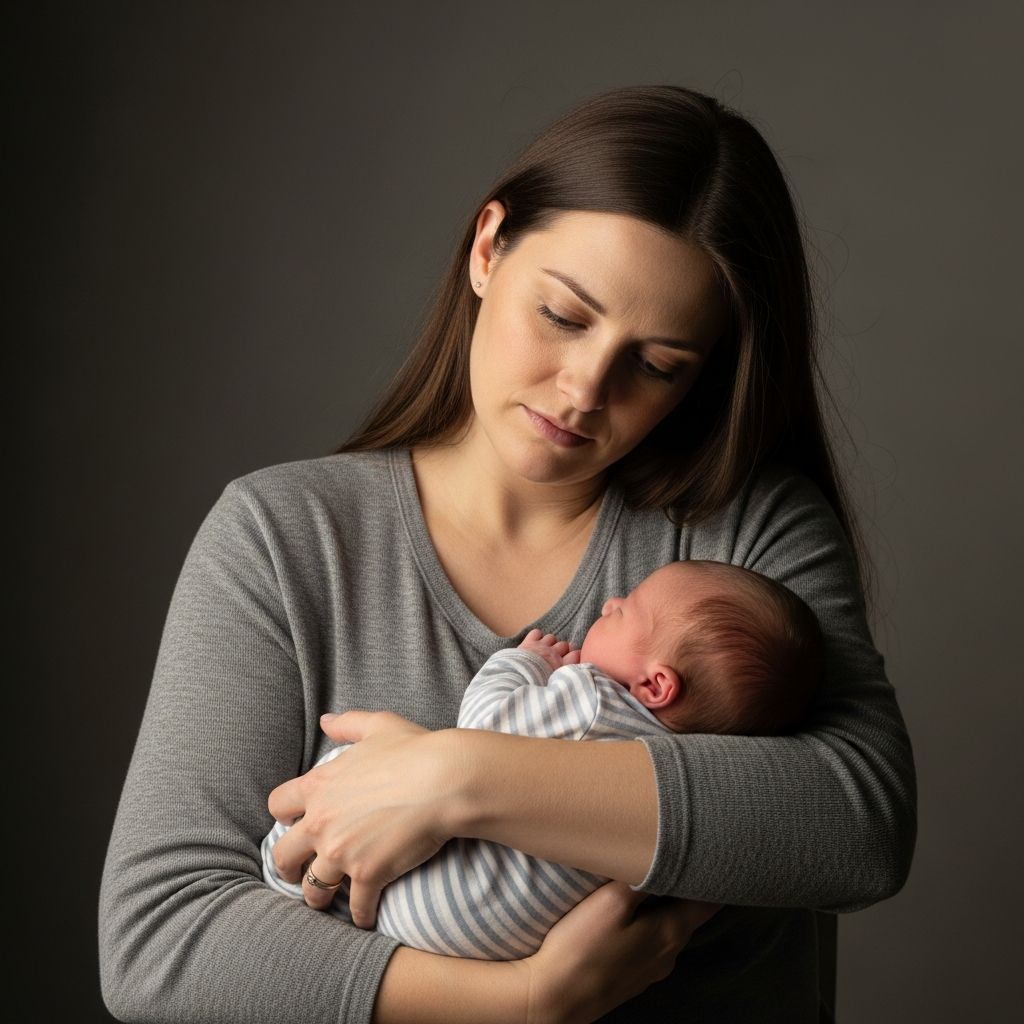
Postpartum anxiety (PPA) affects up to 1 in 6 new mothers, manifesting as persistent worry, restlessness, and fear that can overshadow the joys of parenthood. Unlike the baby blues, PPA involves intense, ongoing distress that interferes with daily life, often triggered by hormonal changes, sleep deprivation, and the pressures of caregiving.
Recognizing the Signs of Postpartum Anxiety
New parents may dismiss early unease as normal adjustment, but PPA presents distinct symptoms. Common indicators include constant fear for the baby’s safety, racing thoughts about potential harm, and physical sensations like a racing heart or shortness of breath. These differ from fleeting concerns, persisting for weeks and escalating without intervention.
- Emotional symptoms: Excessive worry, irritability, feeling overwhelmed or on edge.
- Physical symptoms: Muscle tension, fatigue, gastrointestinal issues, sleep disturbances despite exhaustion.
- Behavioral symptoms: Constant checking on the baby, avoidance of leaving the child alone, difficulty concentrating.
Women might experience intrusive thoughts, such as imagining accidents befalling their infant, leading to compulsive reassurance-seeking behaviors. Early recognition is crucial, as untreated PPA can strain relationships and bonding.
Risk Factors and Causes Behind PPA
Several elements contribute to PPA development. Dramatic hormonal fluctuations post-delivery, particularly drops in estrogen and progesterone, disrupt brain chemistry regulating mood. Sleep loss exacerbates this, mimicking anxiety symptoms and impairing emotional regulation.
| Risk Factor | Description | Impact Level |
|---|---|---|
| History of Anxiety | Prior generalized anxiety or PTSD increases susceptibility. | High |
| Sleep Deprivation | Chronic lack of rest heightens vulnerability. | High |
| Traumatic Birth | Complicated labor experiences trigger onset. | Moderate |
| Lack of Support | Isolation or inadequate partner/family help. | Moderate |
| Perfectionism | High self-expectations as a parent. | Low-Moderate |
Personal history plays a significant role; those with pre-existing mental health conditions face elevated risks. Additionally, life stressors like financial pressures or relationship issues compound vulnerability.
Postpartum Anxiety vs. Postpartum Depression: Key Differences
While overlapping, PPA and postpartum depression (PPD) have distinct profiles. PPA centers on anxiety-driven worry and hypervigilance, whereas PPD features profound sadness, hopelessness, and low energy. Comorbidity is common, with many experiencing both, complicating diagnosis.
- PPA: Restlessness, panic attacks, obsessive fears.
- PPD: Persistent low mood, loss of interest, guilt.
- Overlap: Sleep issues, appetite changes, irritability.
Screening tools help differentiate; providers use validated questionnaires to identify clinically significant symptoms warranting treatment. Accurate distinction guides tailored interventions, as CBT excels for anxiety while IPT suits depression.
Proven Treatment Options for Relief
PPA is highly treatable, with options ranging from therapy to medication. Combining approaches yields the best outcomes, often resolving symptoms within weeks.
Cognitive Behavioral Therapy (CBT)
CBT, typically 12-16 sessions, targets negative thought patterns and behaviors fueling anxiety. Therapists teach identification of automatic thoughts, like “My baby will stop breathing,” and replacement with balanced perspectives. Research shows CBT reduces symptoms significantly, preventing relapse. About one-third of participants achieve full remission.
Medication Interventions
Antidepressants like SSRIs (e.g., sertraline) and SNRIs are first-line, safe for breastfeeding, boosting serotonin for mood stabilization. Effects emerge in 4-6 weeks; pairing with therapy enhances efficacy. For severe cases with depression, zuranolone offers rapid relief over 14 days. Anxiolytics like lorazepam provide short-term aid for acute symptoms.
Lifestyle and Self-Help Strategies
Non-pharmacological tools complement professional care. Prioritizing sleep, even short naps, regulates hormones. Mindfulness meditation fosters present-moment awareness, reducing rumination. Progressive muscle relaxation (PMR) eases physical tension: tense and release muscle groups while breathing deeply.
- Cuddle baby to release oxytocin.
- Practice yoga or breathwork.
- Join support groups for validation.
- Delegate tasks to build rest periods.
Small daily acts, like a walk or hobby time, restore identity beyond motherhood.
Building a Support Network
Isolation amplifies PPA; connecting combats this. Partner involvement, sharing symptoms openly, fosters understanding. Online or in-person groups normalize experiences, reducing shame. Therapists aid boundary-setting and help-seeking skills.
Healthcare providers screen routinely; immediate consultation is advised for symptoms. Hotlines like SAMHSA offer 24/7 guidance.
Frequently Asked Questions (FAQs)
Can postpartum anxiety affect fathers or non-birthing parents?
Yes, paternal postpartum anxiety occurs, with similar symptoms from sleep loss and role stress. Treatment mirrors maternal approaches.
How long does postpartum anxiety last?
Untreated, it may persist months; with treatment, most improve in 4-12 weeks.
Is medication safe while breastfeeding?
Many SSRIs are; consult providers for individualized safety profiles.
Will PPA recur with future pregnancies?
Risk increases, but proactive monitoring and early intervention mitigate.
When should I seek emergency help?
If thoughts turn harmful or psychosis emerges (hallucinations), contact crisis services immediately.
Long-Term Outlook and Prevention
With intervention, most achieve full recovery, embracing parenthood confidently. Prevention involves prenatal mental health discussions, birth planning, and postpartum check-ins. Ongoing self-care sustains gains, modeling resilience for children.
Normalizing PPA reduces stigma; sharing stories empowers others. New parents deserve compassion—seeking help is strength, not failure.
References
- Postpartum Anxiety Symptoms: Getting Support — Franciscan Health. 2023-05-15. https://www.franciscanhealth.org/community/blog/postpartum-anxiety
- Treating Postpartum Anxiety — Rochester Regional Health. 2024-02-20. https://www.rochesterregional.org/hub/postpartum-anxiety-guide
- Postpartum Depression and Anxiety Fact Sheet — Association for Behavioral and Cognitive Therapies (ABCT). 2023-11-10. https://www.abct.org/fact-sheets/postpartum-depression-and-anxiety/
- Postpartum Anxiety: Symptoms, Diagnosis & Treatment — Cleveland Clinic. 2025-08-05. https://my.clevelandclinic.org/health/diseases/22693-postpartum-anxiety
- Postpartum Anxiety — Mental Health America. 2024-01-12. https://mhanational.org/resources/postpartum-anxiety/
- 7 Strategies for Coping with Postpartum Anxiety — Quilted Health. 2024-06-18. https://www.quiltedhealth.com/care/resources/strategies-for-coping-with-postpartum-anxiety
- Is It Postpartum Depression or Postpartum Anxiety? What’s The Difference? — MGH Center for Women’s Mental Health. 2023-09-28. https://womensmentalhealth.org/posts/is-it-postpartum-depression-or-postpartum-anxiety-whats-the-difference/
- Home — SAMHSA. 2026-01-10. https://www.samhsa.gov