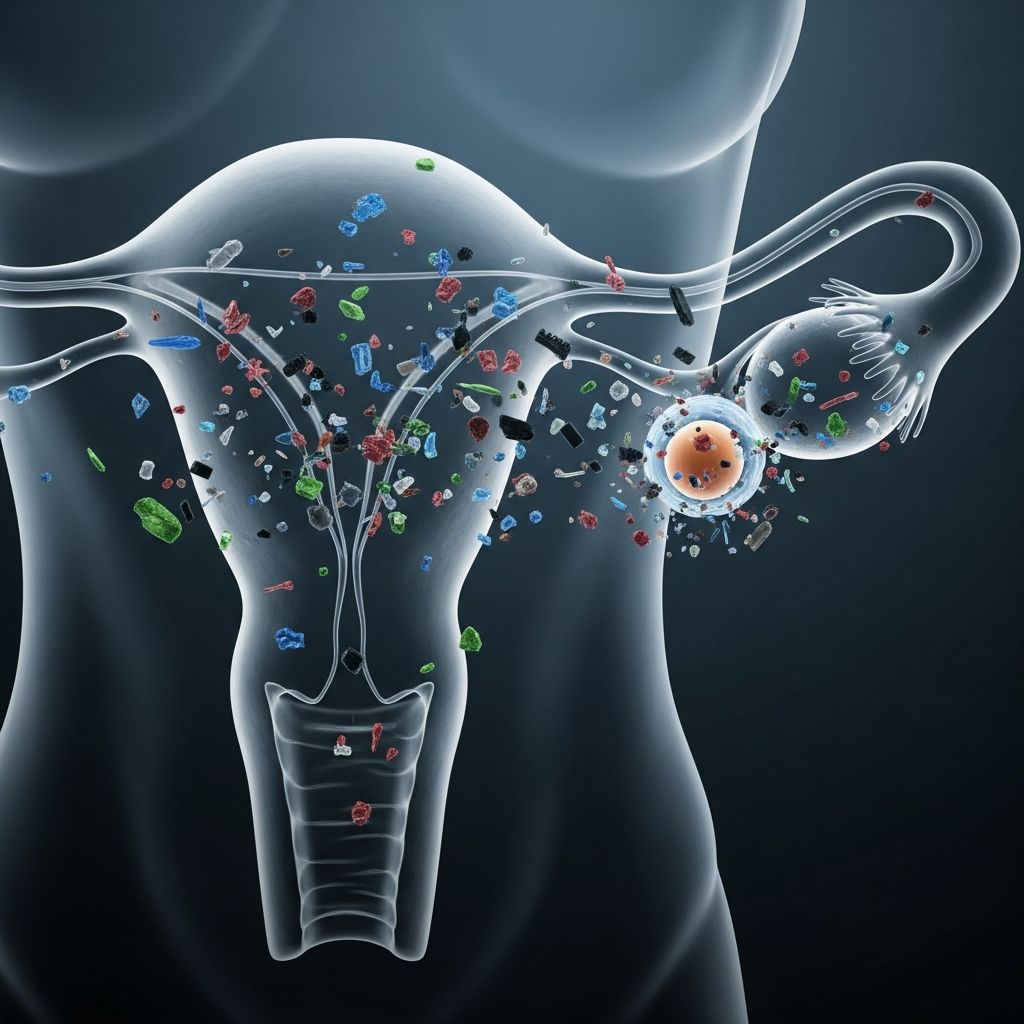
Recent scientific discoveries have revealed the alarming presence of microplastics in human ovaries, raising serious concerns about their potential to undermine female reproductive health. These tiny plastic particles, pervasive in everyday environments, appear to infiltrate delicate ovarian tissues, triggering cellular damage and hormonal disruptions that could impair fertility.
The Invisible Invasion: Microplastics in the Human Body
Microplastics, defined as plastic fragments smaller than 5 millimeters, originate from the breakdown of larger plastics in products like packaging, clothing, and cosmetics. They enter the body through ingestion, inhalation, and skin contact, accumulating in organs including the lungs, liver, and now, crucially, the reproductive system. A groundbreaking study identified these particles directly within ovarian tissues and follicular fluid, marking a pivotal shift from animal models to human evidence.
This infiltration is not benign. In rodents exposed to microplastics, ovaries exhibit reduced weight, altered follicle development, and disrupted hormone signaling, with decreased estradiol and anti-Müllerian hormone levels alongside elevated luteinizing hormone and follicle-stimulating hormone. Human granulosa cells exposed in vitro show similar vulnerabilities, with increased oxidative stress markers like malondialdehyde and diminished antioxidant defenses such as superoxide dismutase.
Mechanisms of Damage: How Microplastics Harm Ovaries
The primary pathways through which microplastics exert toxicity involve oxidative stress, inflammation, and apoptosis. Exposure generates reactive oxygen species (ROS), overwhelming cellular antioxidants and leading to lipid peroxidation and DNA damage in oocytes. In female mice, polyethylene microplastics reduced oocyte maturation and fertilization rates by impairing mitochondrial function and inducing cell death.
Polystyrene microplastics trigger pyroptosis and apoptosis in ovarian granulosa cells via the NLRP3/Caspase-1 pathway, as demonstrated in rat models after 90 days of exposure. Cytoskeletal proteins essential for ovarian function are also altered, contributing to defective follicle dynamics and increased atretic follicles. These changes culminate in diminished ovarian reserve and fertility.
| Mechanism | Effects on Ovaries | Evidence from Studies |
|---|---|---|
| Oxidative Stress | ROS increase, mitochondrial dysfunction | Mouse and rat models; human cell lines |
| Apoptosis/Pyroptosis | Cell death in granulosa cells and oocytes | PS-MPs in rats via NLRP3 pathway |
| Hormone Disruption | ↓ E2, AMH; ↑ FSH, LH, testosterone | Rodent exposure studies |
| Follicle Alterations | Reduced growing follicles, more cystic ones | Ovary weight reduction in exposed rodents |
Fertility Decline: From Ovaries to Conception Challenges
The downstream consequences are profound. Rodent studies report prolonged estrous cycles, lower embryo implantation rates, and smaller litter sizes following microplastic exposure. In humans, higher microplastic concentrations in ovarian follicular fluid correlate with reduced fluid volume and anti-Müllerian hormone levels, both critical for ovulation and fertility.
Prenatal exposure compounds risks, with maternal ingestion leading to offspring growth impairments, including reduced birth weights and altered organ development. Female pups show sex-specific vulnerabilities, such as decreased placental HSD11B1 expression affecting glucocorticoid regulation. These findings suggest intergenerational impacts, where early-life exposure foreshadows lifelong reproductive deficits.
Beyond Ovaries: Placental and Fetal Risks
Microplastics cross the placental barrier, accumulating in fetal tissues like liver, brain, and kidneys in mouse models. Exposed placentas are smaller, with compromised vascular development and reduced glycogen cells, impairing nutrient transfer. Human placental cell lines (e.g., HTR-8/SVneo, BeWo) internalize particles, producing pro-inflammatory cytokines like TNF-α, arresting cell cycles, and hindering invasion necessary for placentation.
These disruptions elevate miscarriage risks and developmental anomalies, echoing uterine artery damage and placental issues in prior research. While human epidemiological data lags, the convergence of in vitro, animal, and ex vivo evidence paints a dire picture for pregnancy viability.
Human Exposure: Sources and Prevalence
- Daily Intake: Bottled water, seafood, and airborne particles contribute up to 10,000 microplastics ingested annually.
- Cumulative Buildup: Particles persist in tissues, with smaller sizes (<10μm) penetrating ovaries more readily.
- Vulnerable Groups: Women of reproductive age face heightened risks from cosmetics, synthetic textiles, and processed foods.
Reducing exposure demands systemic changes, yet individual actions like filtering water and avoiding plastic packaging offer preliminary defenses.
Research Gaps and Future Directions
While animal and cellular studies are compelling, human data remains preliminary, hampered by ethical constraints on direct experimentation. Variability in particle type (e.g., polyethylene vs. polystyrene), size, and dose complicates generalizations. Systematic reviews call for standardized protocols to quantify long-term fertility impacts and intergenerational effects.
Prospective cohort studies tracking microplastic levels against fertility metrics, alongside advanced imaging for human tissues, are urgently needed. Regulatory bodies must prioritize plastics in reproductive toxicology assessments.
Practical Steps to Safeguard Fertility
- Switch to glass or stainless steel for food storage and drinking.
- Opt for natural fiber clothing to minimize microfiber shedding.
- Filter tap water and avoid heating food in plastic containers.
- Support policies banning microbeads and single-use plastics.
- Consult fertility specialists for personalized risk assessments.
Frequently Asked Questions
What are microplastics and how do they enter the body?
Microplastics are tiny plastic pollutants (<5mm) from degraded waste, entering via food, air, and water, and accumulating in organs like ovaries.
Can microplastics in ovaries cause infertility?
Yes, studies link them to ovarian damage, hormone imbalance, and reduced oocyte quality, lowering fertility in animal models and correlating with human biomarkers.
Are there sex-specific effects on offspring?
Female offspring show greater neonatal weight reductions and placental changes, potentially due to dysregulated glucocorticoids.
How can I reduce microplastic exposure?
Use non-plastic alternatives, filter water, choose fresh foods, and advocate for reduced plastic production.
Is this a proven crisis in humans?
Direct human causation is emerging but not definitive; robust animal data urges precaution amid rising infertility trends.
References
- Impact of microplastics on female reproductive health — National Institutes of Health (NIH). 2024. https://pmc.ncbi.nlm.nih.gov/articles/PMC12176963/
- Microplastics exposure: implications for human fertility, pregnancy — Frontiers in Endocrinology. 2023-12-04. https://www.frontiersin.org/journals/endocrinology/articles/10.3389/fendo.2023.1330396/full
- Microplastics and Infertility: An Invisible Crisis — Yale Global Health Review. 2025-05-19. https://yaleglobalhealthreview.com/2025/05/19/microplastics-and-infertility-an-invisible-crisis/