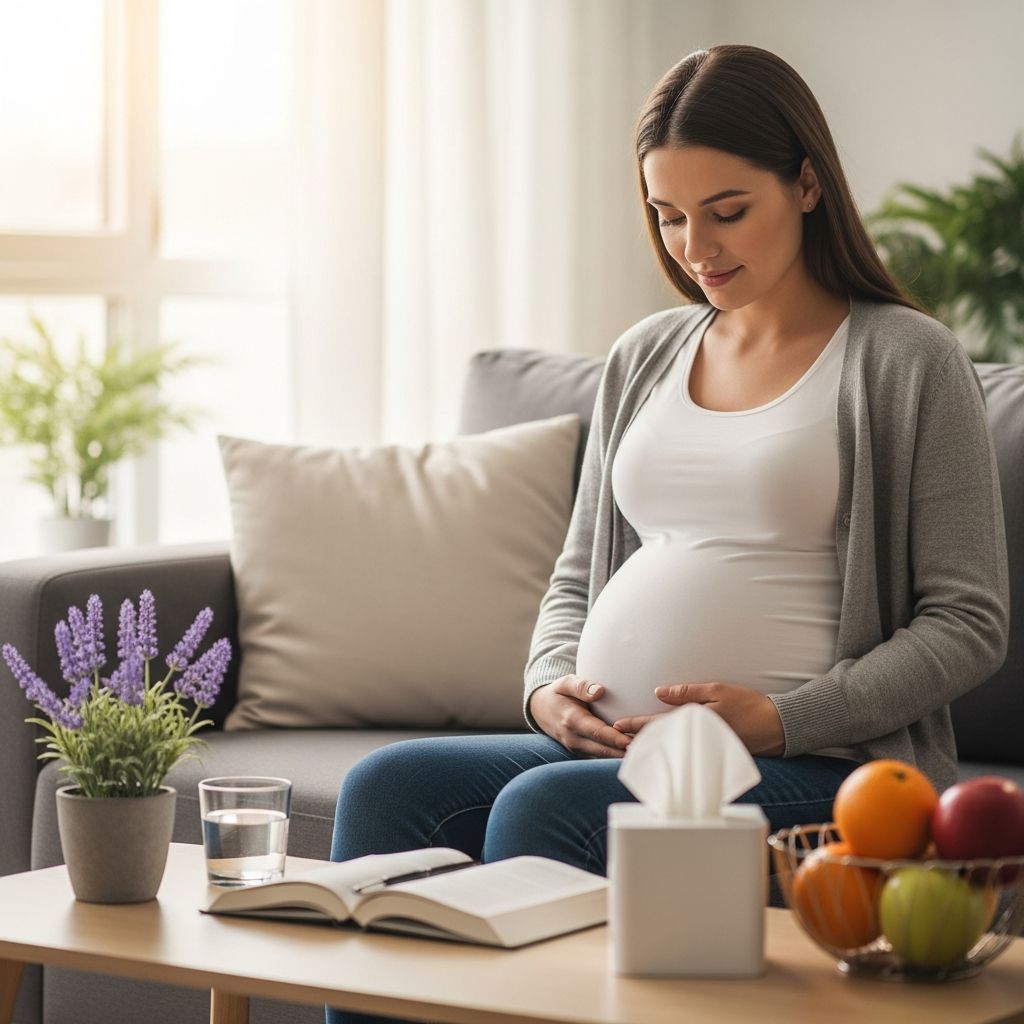
Allergies during pregnancy require careful attention to safeguard both maternal well-being and fetal development. Expectant mothers can experience heightened sensitivity to common triggers like foods, pollen, or dust, leading to discomfort that may influence pregnancy outcomes if unmanaged.
Understanding Allergic Reactions in Expectant Mothers
The immune system undergoes significant changes during pregnancy, potentially amplifying allergic responses. Histamine release, a key player in allergies, can target various body systems, causing localized symptoms. For instance, nasal involvement may lead to congestion, while skin reactions manifest as rashes.
Food-related allergies pose unique challenges, as certain proteins in seafood, nuts, or dairy can provoke immediate or delayed reactions. Environmental allergens like pollen exacerbate seasonal issues, making spring or fall particularly tough for sensitive individuals.
Common Signs and When They Appear
Symptoms often emerge shortly after exposure but can delay by hours. Skin manifestations include hives, redness, and intense itching, especially nocturnal. Respiratory signs feature coughing, sneezing, or throat irritation, while gastrointestinal distress involves nausea, cramps, or diarrhea.
- Skin-related: Hives, eczema flares, widespread itching.
- Respiratory: Stuffy nose, wheezing, breathing difficulties.
- Digestive: Bloating, abdominal pain, loose stools.
- Systemic: Facial swelling, rapid heartbeat in severe cases.
Tracking symptoms via a daily log helps identify patterns and triggers, aiding healthcare providers in diagnosis.
Potential Impacts on the Unborn Child
Allergic inflammation can cross the placental barrier, potentially restricting fetal oxygen and nutrient supply. Severe maternal reactions risk preterm labor or low birth weight. Studies suggest uncontrolled allergies correlate with higher incidences of childhood allergies in offspring, though direct causation remains under investigation.
Maternal diet influences neonatal allergy risk; adequate vitamin D from sources like fortified dairy or fish may lower chances of allergic rhinitis in children.
| Risk Factor | Maternal Effect | Fetal Concern |
|---|---|---|
| Severe Hives/Anaphylaxis | Breathing issues, shock | Oxygen deprivation, preterm birth |
| Chronic Nasal Congestion | Sleep disruption | Impaired growth |
| Food Allergy Flare | Nutrient malabsorption | Developmental delays |
Safe Strategies for Dietary Management
A balanced diet remains crucial, but avoidance of known allergens is paramount. Expectant mothers should steer clear of past triggers like shellfish or peanuts, and introduce novel foods cautiously. Cooking thoroughly eliminates many risks, and fresh preparation prevents spoilage-related reactions.
Hydration supports detoxification; aim for ample water alongside nutrient-rich juices. Limit spicy or processed items that irritate the gut. For multiple restrictions, consult a dietitian to ensure folic acid, iron, and omega-3 needs are met.
- Cook proteins fully to denature allergens.
- Opt for fresh produce over leftovers.
- Incorporate anti-inflammatory foods like berries and leafy greens.
Approved Medications and Treatments
Not all allergy remedies suit pregnancy; selection hinges on trimester and severity. Second-generation antihistamines like loratadine and cetirizine offer relief for mild symptoms with minimal fetal risk.
Nasal corticosteroids such as budesonide effectively combat congestion without systemic absorption concerns. Decongestants like pseudoephedrine are restricted in early pregnancy due to vascular effects but may be used later under supervision.
| Medication Type | Examples | Pregnancy Safety Notes |
|---|---|---|
| Antihistamines | Loratadine, Cetirizine | Generally safe; consult provider |
| Nasal Steroids | Budesonide, Beclomethasone | Preferred for rhinitis; low risk |
| Decongestants | Pseudoephedrine | Avoid 1st trimester; monitor BP |
| First-Gen Antihistamines | Diphenhydramine | Use sparingly; causes drowsiness |
For ongoing immunotherapy, maintenance doses are typically safe if pre-pregnancy established. New starts are discouraged due to anaphylaxis risks.
Non-Pharmacological Relief Methods
Lifestyle tweaks provide first-line defense. Saline nasal rinses clear irritants effectively. Oatmeal baths or moisturizers soothe skin eruptions. Regular, moderate exercise boosts immunity and circulation.
Avoidance is key: use air purifiers for indoor allergens, stay indoors during high pollen counts, and wash bedding frequently. Cool compresses calm hives without chemicals.
Handling Severe Reactions and Emergencies
Anaphylaxis demands swift action—epinephrine auto-injectors remain standard, even in pregnancy. Symptoms like throat closure or hypotension warrant immediate ER visit. Develop an action plan with family awareness.
Asthma-allergy overlap requires vigilant inhaler use; inhaled steroids prevent exacerbations safely.
Preventing Allergies in Your Baby
While prenatal avoidance lacks strong evidence for prevention, breastfeeding for 4-6 months shows protective effects against early childhood allergies. Introduce solids around 6 months, including potential allergens, while nursing.
Vitamin D-rich diets during pregnancy may reduce offspring allergy risks.
Role of Routine Prenatal Monitoring
Regular check-ups allow tailored advice on nutrition, exercise, and meds. Ultrasounds monitor fetal growth amid allergy management. Holistic packages integrate allergy care for optimal outcomes.
Frequently Asked Questions (FAQs)
Can allergies during pregnancy harm my baby?
Severe, unmanaged allergies may lead to complications like preterm birth, but proactive care minimizes risks.
Which allergy medications are safe in the first trimester?
Loratadine and nasal budesonide are often recommended; always confirm with your doctor.
Should I avoid all potential allergens in my diet?
No, maintain balance unless specifically allergic; consult a dietitian for restrictions.
How do I manage hives without medication?
Oatmeal baths, moisturizers, and avoiding triggers help; antihistamines if needed.
Is immunotherapy okay during pregnancy?
Continuation yes, if stable; starting new not advised.
Long-Term Outlook for Allergic Mothers
Postpartum, many continue meds while breastfeeding, as infant exposure is lower than in utero. Monitor for new allergies and sustain healthy habits.
Empowering expectant parents with knowledge fosters confident navigation of this phase. Collaborate closely with healthcare teams for personalized plans.
References
- Food allergies during pregnancy: When is it dangerous? — Vinmec International General Hospital. 2023. https://www.vinmec.com/eng/blog/food-allergies-during-pregnancy-when-is-it-dangerous-en
- Pregnancy and Allergies — Oklahoma Allergy and Asthma Clinic. 2024. https://oklahomaallergy.com/news/pregnancy-and-allergies/
- Allergies and Pregnancy: Navigating Symptoms and Safety — Premier Allergy. 2024. https://www.premier-allergy.com/allergies-and-pregnancy-navigating-symptoms-and-safety/
- Allergy medications and pregnancy: What’s safe? — Mayo Clinic. 2023-12-02. https://www.mayoclinic.org/healthy-lifestyle/pregnancy-week-by-week/expert-answers/allergy-medications/faq-20058122
- Pregnancy and Allergies | Symptoms & Treatment — ACAAI Public Website. 2024. https://acaai.org/allergies/allergies-101/who-gets-allergies/pregnancy-and-allergy/
- A review of current evidence on food allergies during pregnancy — NIH/PMC. 2023. https://pmc.ncbi.nlm.nih.gov/articles/PMC10420761/