Human papillomavirus (HPV) stands as one of the most prevalent sexually transmitted infections globally, with profound implications for reproductive health. While most infections resolve spontaneously, persistent high-risk strains can lead to cervical cancer and subtly impair fertility in both partners. This article delves into the intricate connections between HPV, cervical abnormalities, cancer development, and reproductive outcomes, offering actionable insights for those planning to conceive.
Understanding HPV and Its Reproductive Reach
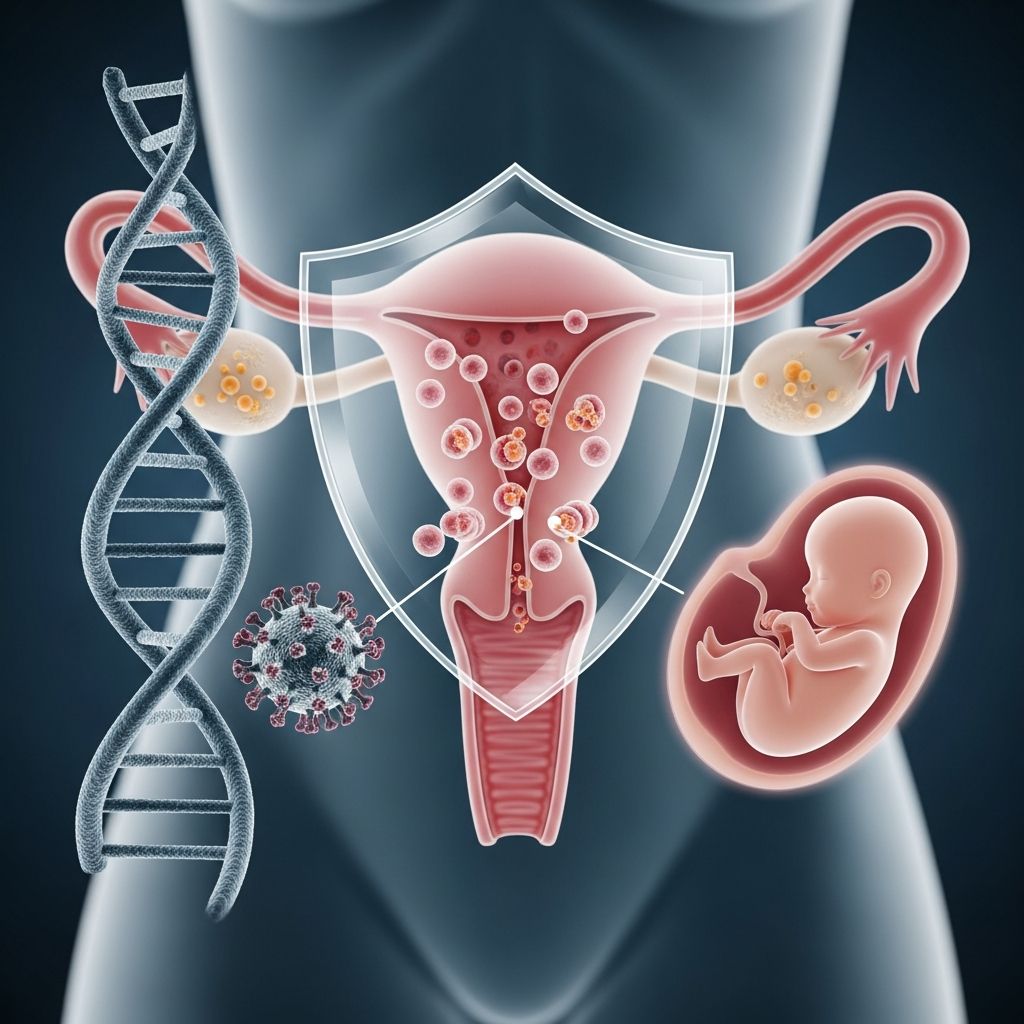
HPV encompasses over 200 strains, categorized into low-risk and high-risk types. High-risk variants, such as HPV-16 and HPV-18, are responsible for nearly all cervical cancers and can infiltrate reproductive tissues. In women, these viruses target the cervix, potentially causing cellular changes that evolve into precancerous lesions or invasive cancer if untreated. Beyond the cervix, HPV DNA has been identified in the endometrium and ovaries, raising concerns about broader fertility disruptions.
In men, seminal HPV infection correlates with compromised sperm quality. Systematic reviews reveal significant reductions in progressive motility (standardized mean difference of -0.85 to -0.88), abnormal morphology, and elevated DNA fragmentation, all of which hinder fertilization and increase miscarriage risks. These effects compound when both partners are infected, amplifying infertility odds.
Mechanisms Linking HPV to Infertility Challenges
HPV disrupts fertility through multiple pathways. In women, persistent infection alters the cervical microenvironment, reducing mucus production essential for sperm transport. High-risk HPV doubles infertility odds (odds ratio 2.3), particularly with endometrial involvement. Laboratory studies demonstrate that HPV proteins induce trophoblast apoptosis and impair invasion, leading to early implantation failures.
For assisted reproductive technologies (ART) like IVF, outcomes vary. Meta-analyses show no major differences in live birth rates (relative risk 1.16), but HPV presence may slow embryo kinetics or elevate early loss risks, especially with male partner infection. In men, oxidative stress from seminal HPV further damages sperm, lowering intrauterine insemination (IUI) success—HPV-positive women are six times less likely to conceive post-IUI.
| HPV Impact Area | Key Effects | Evidence Strength |
|---|---|---|
| Sperm Parameters (Men) | Reduced motility, DNA fragmentation | Meta-analysis (10 studies) |
| Female Infertility Risk | OR 2.33 for high-risk HPV | Meta-analysis (11 studies) |
| ART Outcomes | Subtle embryo delays, mixed live births | Cohort studies |
| Pregnancy Complications | Preterm birth, PROM | Meta-analyses |
Cervical Cancer Treatments and Their Fertility Toll
Cervical cancer treatments pose the greatest threat to fertility. Standard options like hysterectomy or radiotherapy eliminate the uterus or damage ovaries, rendering natural pregnancy impossible. Hysterectomy removes the womb entirely, while radiation disrupts ovarian function and uterine integrity, often necessitating surrogacy post-treatment.
Fortunately, early-stage cancers (IA1-IB1) qualify for fertility-sparing approaches. Conization suits minimal disease without vascular invasion, preserving most cervical tissue. Radical trachelectomy—vaginal, abdominal, or minimally invasive—removes the cervix while retaining the uterus, achieving recurrence rates under 4% and live birth rates up to 68%. Vaginal trachelectomy offers optimal pregnancy chances but demands surgical expertise.
- Conization: For stage IA1; low obstetric risks.
- Trachelectomy: Stages IA1-IB1; balances oncologic safety and fertility.
- Cerclage: Often used post-trachelectomy to prevent preterm birth.
Prior to any intervention, egg or embryo freezing preserves options. Frozen embryos can later transfer to the preserved uterus or a surrogate.
Preventive Measures to Shield Reproductive Future
Prevention remains the cornerstone. The HPV vaccine, ideally administered ages 9-12, guards against high-risk strains and slashes cervical cancer incidence. Even post-infection, vaccination prevents new strains. Routine Pap smears and HPV testing detect abnormalities early, enabling minor interventions like LEEP or cryotherapy that rarely impact fertility.
Multiple procedures, however, scar the cervix, weakening it and risking miscarriage or preterm delivery. Limiting interventions and opting for conservative management preserves mucus production and structural integrity. Couples should test both partners pre-conception, especially in idiopathic infertility.
Pregnancy Considerations with HPV History
Most HPV-positive women conceive and deliver healthily, but vigilance is key. Transplacental transmission risks preterm birth and premature rupture of membranes. Cervical treatments heighten incompetence risks, mitigated by cerclage. Breastfeeding safety persists, as HPV doesn’t transmit via milk.
Preconception counseling addresses anxieties: hormonal contraception doesn’t worsen HPV progression, and condoms reduce transmission despite reluctance. Vaccinating partners enhances mutual protection.
Fertility Preservation Strategies Before Treatment
- Ovarian Shielding: During radiation, to protect egg reserve.
- Egg/Embryo Cryopreservation: Harvest and freeze prior to cancer therapy.
- Ovarian Tissue Freezing: Experimental but promising for young patients.
- Multidisciplinary Review: Oncologist, fertility specialist, and genetic counselor collaboration.
Success hinges on early detection and patient selection. Preoperative counseling ensures informed choices balancing cancer control and family goals.
Frequently Asked Questions (FAQs)
Does HPV directly cause infertility?
HPV isn’t a direct cause but associates with higher infertility risks via cervical changes, sperm impairment, and implantation issues. High-risk strains double odds in women.
Can I get pregnant after cervical cancer treatment?
Yes, with fertility-sparing surgery like trachelectomy in early stages, yielding up to 68% live births. Standard treatments like hysterectomy prevent it.
Should I freeze eggs if I have HPV?
Not routinely for HPV alone, but yes before cancer treatments that threaten ovaries or uterus.
Is the HPV vaccine safe for those planning pregnancy?
Yes, it prevents new infections without fertility risks. Ideal pre-conception.
How does male HPV affect couple fertility?
Seminal HPV reduces sperm motility and quality, worsening ART outcomes when both partners are positive.
Empowering Reproductive Choices
Armed with knowledge, individuals can navigate HPV risks proactively. Regular screenings, vaccination, and timely interventions minimize fertility threats while combating cancer. Consult healthcare providers for personalized plans, ensuring optimal reproductive health.
References
- Human Papillomavirus Across the Reproductive Lifespan — PMC/NCBI. 2024. https://pmc.ncbi.nlm.nih.gov/articles/PMC12388228/
- HPV and Fertility: What Women Should Know — Fertility Centers of Illinois. 2023-10-01. https://www.fcionline.com/article/hpv-and-fertility-what-women-should-know/
- Does HPV affect my fertility? Reproductive concerns of HPV-positive women — PMC/NCBI. 2021. https://pmc.ncbi.nlm.nih.gov/articles/PMC8017806/
- Can HPV Cause Infertility? — Evvy. 2024. https://www.evvy.com/blog/can-hpv-cause-infertility
- HPV and Cervical Cancer: What the Connection Means for Your Child — Prevent Cancer Foundation. 2023. https://preventcancer.org/article/hpv-and-cervical-cancer-what-the-connection-means-for-your-child/
- Fertility and Cervical Cancer — Cancer Research UK. 2024. https://www.cancerresearchuk.org/about-cancer/cervical-cancer/living-with/fertility