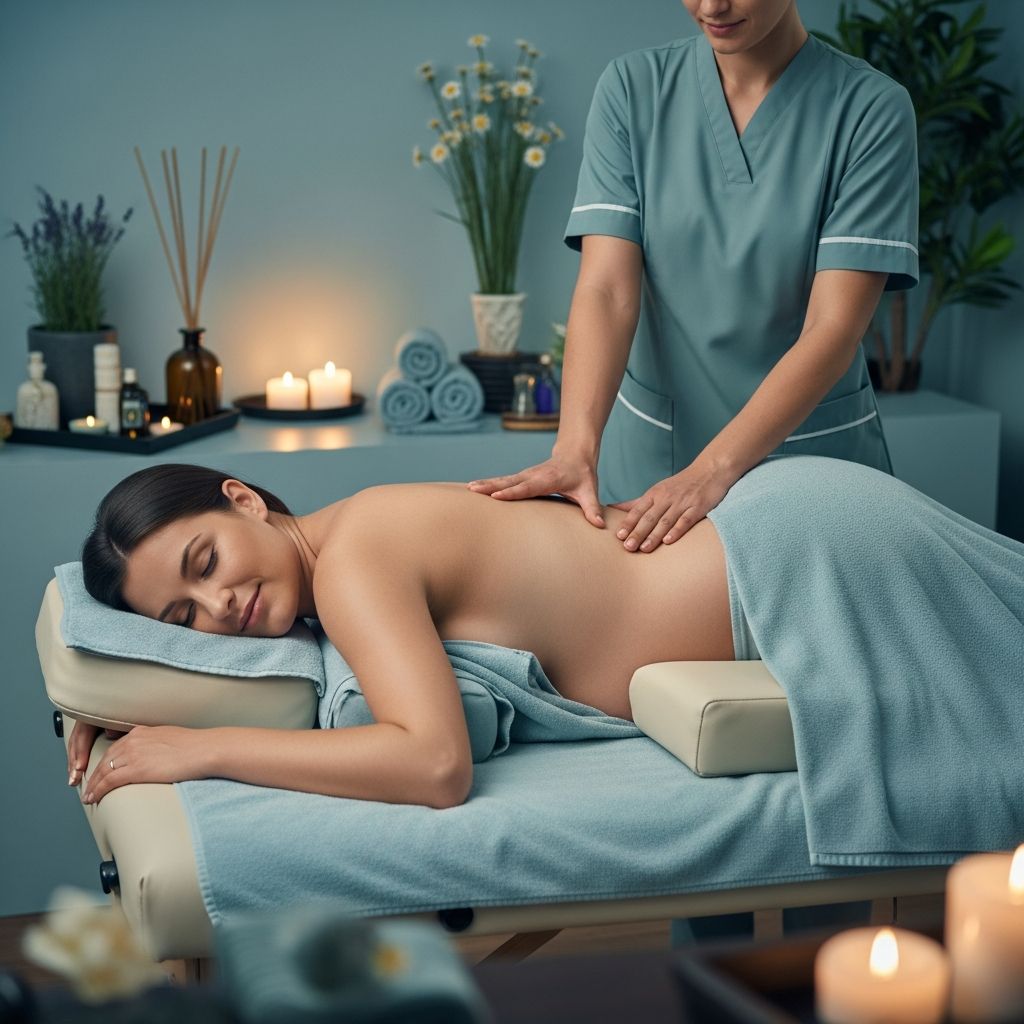
Pregnancy often brings intense back pain due to shifting posture, added weight, and hormonal changes that loosen ligaments. Prenatal massage offers a natural way to ease this discomfort, promoting relaxation and better mobility when done correctly. This article delves into its safety, advantages, precautions, and practical advice for expectant mothers seeking relief.
Understanding Back Pain in Pregnancy
Back pain affects up to 80% of pregnant women, primarily in the lower back and pelvis, as the body adapts to the growing uterus. Hormones like relaxin soften joints, while the center of gravity shifts forward, straining muscles and ligaments. Poor posture, weight gain, and stress exacerbate the issue, leading to chronic aches that disrupt sleep and daily activities.
Common culprits include lumbar lordosis—an exaggerated inward curve of the lower spine—and sciatica from pressure on the sciatic nerve. Without intervention, this pain can persist postpartum, but targeted therapies like massage can interrupt the cycle early.
Key Benefits of Prenatal Massage
Prenatal massage, tailored for pregnant bodies, uses gentle techniques to target tense areas. It reduces muscle tension, improves circulation, and releases endorphins for natural pain relief.
- Alleviates Back Pain: By loosening tight muscles around the spine and hips, it restores alignment and eases pressure on nerves.
- Enhances Sleep Quality: Relaxation lowers cortisol levels, helping mothers rest better despite physical discomfort.
- Boosts Mood: Studies show regular sessions decrease anxiety and depression symptoms, linked to better pregnancy outcomes.
- Supports Circulation: Gentle strokes prevent swelling in legs and improve oxygen flow to the baby.
- Prepares for Labor: It may reduce labor duration and intensity by improving pelvic flexibility.
Research from the Journal of Bodywork and Movement Therapies indicates that 20-minute sessions twice weekly over three months significantly lowered depression and anxiety in pregnant women.
When Prenatal Massage is Recommended
Most experts agree prenatal massage is safe from the second trimester onward for low-risk pregnancies. The American Pregnancy Association notes it can start anytime, but many therapists wait until week 13 to minimize first-trimester miscarriage risks.
| Trimester | Safety Level | Key Considerations |
|---|---|---|
| First (Weeks 1-12) | Caution Advised | Consult doctor; some therapists decline due to miscarriage risk. |
| Second (Weeks 13-26) | Generally Safe | Ideal for back pain relief; use side-lying positions. |
| Third (Weeks 27+) | Safe with Adjustments | Focus on swelling and pelvic pain; avoid deep pressure. |
Always secure doctor’s approval, especially if experiencing complications.
Potential Risks and Contraindications
While beneficial, prenatal massage isn’t suitable for everyone. It stimulates blood flow, which could pose issues in certain conditions.
- High-Risk Conditions: Preeclampsia, uncontrolled hypertension, gestational diabetes, or history of preterm labor require medical clearance.
- Blood Clot Concerns: Pregnant women face higher deep vein thrombosis (DVT) risk; vigorous leg massage might dislodge clots.
- First-Trimester Hesitation: Increased circulation might theoretically affect early pregnancy stability, though no direct causation proven.
- Recent Surgery or Injury: Avoid if healing from procedures or transplants.
Symptoms like severe headaches, sudden swelling, or bleeding warrant immediate postponement. Therapists screen for these and refer to physicians if needed.
No-Go Zones During Prenatal Massage
Skilled therapists avoid specific areas to prevent complications.
- Leg Veins: Steer clear of deep veins to avoid clot displacement.
- Abdomen: No direct belly massage to protect the uterus.
- Acupressure Points: Certain spots on ankles, feet, and hands may trigger contractions; trained professionals know them.
- Lower Back Extremes: Light to moderate pressure only near the sacrum.
Positioning is crucial: side-lying with pillows or specialized tables with belly cutouts prevent vena cava compression.
Choosing a Qualified Prenatal Massage Therapist
Seek certification in prenatal massage, which involves 30+ hours of specialized training beyond standard licensure. Verify credentials through organizations like the American Massage Therapy Association.
Ask about experience with pregnant clients, equipment (e.g., pregnancy pillows), and oils—opt for pregnancy-safe, hypoallergenic lotions free of essential oils like peppermint or rosemary.
Ideal session: 60 minutes, moderate pressure, focusing on back, hips, and shoulders. Cost ranges $80-$150; insurance may cover under physical therapy.
Techniques Used in Prenatal Massage
Prenatal sessions employ adapted Swedish massage: long, gliding strokes (effleurage), kneading (petrissage), and gentle rocking.
- Side-Lying Focus: Targets lumbar and gluteal muscles without belly pressure.
- Pelvic Tilts: Combined with massage to realign hips.
- Breathing Integration: Encourages deep breaths for added relaxation.
Avoid deep tissue, hot stones, or reflexology, as they risk overheating or overstimulation.
Home Massage Alternatives for Back Pain
Can’t schedule professional sessions? Partners can help safely.
- Use pillows for side support.
- Apply light strokes upward on the back.
- Try tennis balls against a wall for self-myofascial release.
- Incorporate warm (not hot) compresses beforehand.
Prenatal yoga or swimming complements massage for holistic relief.
Expert Insights on Frequency and Duration
Start with bi-weekly 45-60 minute sessions, adjusting based on response. Monitor for dizziness or increased pain—stop immediately if present. Long-term, it supports cardiovascular health and reduces preterm labor risks via stress reduction.
Frequently Asked Questions
Can I get a massage in my first trimester?
It’s possible with doctor approval, but many therapists wait until the second trimester due to miscarriage risks. No evidence links massage directly to miscarriage.
Does prenatal massage induce labor?
Rarely, if trigger points are avoided. It’s more likely to ease labor when done properly.
How often should I get prenatal massages?
Once or twice weekly is ideal for chronic back pain, per research showing mood and pain benefits.
Are essential oils safe during pregnancy massage?
Only therapist-approved, diluted scents like lavender; avoid stimulating ones.
What if I have swelling or high blood pressure?
Consult your doctor first—massage may be contraindicated.
Integrating Massage into Your Pregnancy Wellness Plan
Combine with exercise, nutrition, and posture awareness for optimal results. Track symptoms in a journal to share with providers. Postpartum massage continues benefits, aiding recovery.
Prenatal massage empowers expectant mothers to manage back pain proactively, fostering a healthier pregnancy experience.
References
- Is massage safe during pregnancy? — UT Southwestern Medical Center. 2023-05-10. https://utswmed.org/medblog/massage-pregnancy-guidelines/
- Prenatal Massage: Benefits and Safety Tips — The Bump. 2024-08-15. https://www.thebump.com/a/prenatal-massage-safety
- Prenatal Massage: How It Can Benefit You and Your Baby — American Institute of Alternative Medicine. 2024-02-20. https://www.aiam.edu/massage-therapy/prenatal-massage/
- Where Not to Massage a Pregnant Woman — Healthline. 2023-11-05. https://www.healthline.com/health/pregnancy/where-not-to-massage-a-pregnant-woman
- Prenatal Massage Therapy — American Pregnancy Association. 2024-01-12. https://americanpregnancy.org/healthy-pregnancy/is-it-safe/prenatal-massage/
- The Truth about Prenatal Massage in NYC — Prenatal Massage Center. 2023-09-18. https://www.prenatalmassagecenter.com/blog/the-truth-about-prenatal-massage-in-nyc
- Prenatal Massage: Benefits, Types and What To Expect — Cleveland Clinic. 2024-06-22. https://health.clevelandclinic.org/prenatal-massage