Understanding Scalp Sunburn
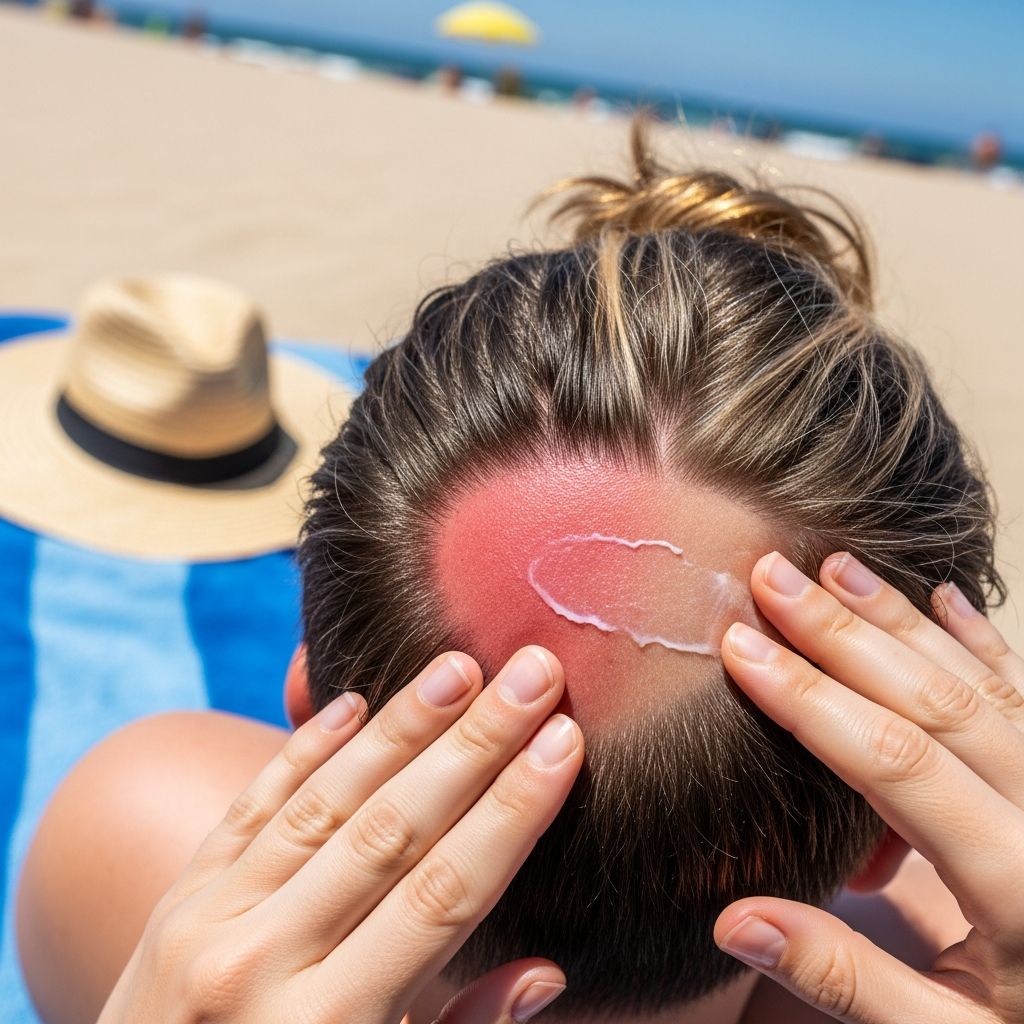
Scalp sunburn is a common yet often overlooked issue, especially during sunny seasons or outdoor activities. The skin on the scalp is just as vulnerable to UV damage as the rest of the body, and unprotected exposure can lead to redness, pain, peeling, and even long-term skin concerns like premature aging or increased risk of skin cancer .
Recognizing the Signs
- Redness and tenderness along the hairline or parting
- Swelling or blistering in severe cases
- Itching or peeling as the sunburn heals
- Increased sensitivity to touch or hair styling
These symptoms can appear within hours of sun exposure and may worsen if not addressed promptly .
Immediate Steps for Treating Sunburned Scalp
When you notice signs of sunburn on your scalp, act quickly to minimize discomfort and promote healing.
- Move out of direct sunlight immediately to prevent further damage .
- Take cool showers or use cold compresses to soothe the skin and reduce inflammation .
- Apply a moisturizer containing aloe vera or soy to help calm the skin and speed up recovery .
- Avoid harsh shampoos, conditioners, and styling products that contain sulfates, fragrances, or alcohol, as these can irritate the skin further .
- Let your hair air dry and avoid using heat styling tools until your scalp has fully healed .
- Stay hydrated by drinking plenty of water to support skin recovery .
- For pain relief, consider over-the-counter medications such as ibuprofen or acetaminophen .
Preventing Scalp Sunburn
Prevention is key to maintaining a healthy scalp and avoiding the discomfort of sunburn.
- Wear a wide-brimmed hat or scarf when spending time outdoors, especially during peak sun hours (10 a.m. to 4 p.m.) .
- Choose hats with UPF (Ultraviolet Protection Factor) ratings for maximum protection .
- Apply broad-spectrum sunscreen with SPF 30 or higher to exposed areas of your scalp, including the hairline, parting, and any thinning or bald spots .
- Use scalp-specific sunscreens or hair mists with SPF for easy application and non-greasy protection .
- Limit direct sun exposure during the hottest parts of the day and seek shade whenever possible .
- Reapply sunscreen every two hours, or after swimming or sweating, to maintain protection .
Choosing the Right Products
Not all sunscreens and hair products are suitable for scalp use. Here’s what to look for:
| Product Type | Recommended Features | Notes |
|---|---|---|
| Scalp Sunscreen | Non-greasy, water-resistant, SPF 30+ | Apply to exposed scalp areas, reapply as needed . |
| Hair Sunscreen Mist | Lightweight, nourishing, SPF included | Protects hair and scalp, easy to use . |
| Gentle Shampoo | Sulfate-free, fragrance-free | Use during healing to avoid irritation . |
| Moisturizer | Aloe vera or soy-based | Helps soothe and heal sunburned skin . |
Long-Term Scalp Health Tips
- Regularly moisturize your scalp, especially after sun exposure, to prevent dryness and peeling .
- Avoid scratching or picking at peeling skin, as this can lead to infection or scarring .
- Monitor your scalp for any unusual changes, such as persistent redness, sores, or new growths, and consult a dermatologist if needed .
- Include scalp protection as part of your daily skincare routine, especially if you spend a lot of time outdoors .
FAQs About Scalp Sunburn
- Can I use regular sunscreen on my scalp?
- Yes, but scalp-specific sunscreens or hair mists are formulated to be non-greasy and easier to apply to the scalp .
- How long does it take for a sunburned scalp to heal?
- Mild sunburns usually heal within a few days, but more severe cases may take up to a week or longer .
- Can sunburned scalp lead to hair loss?
- Severe or repeated sunburns can damage hair follicles and potentially lead to hair thinning or loss over time .
- Are there natural remedies for sunburned scalp?
- Aloe vera gel, cool compresses, and gentle moisturizers can help soothe and heal sunburned scalp naturally .
Conclusion
Protecting your scalp from sunburn is essential for both comfort and long-term health. By taking preventive measures and treating sunburn promptly, you can keep your scalp healthy and avoid complications. Incorporate these tips into your daily routine for a safer, more enjoyable outdoor experience .