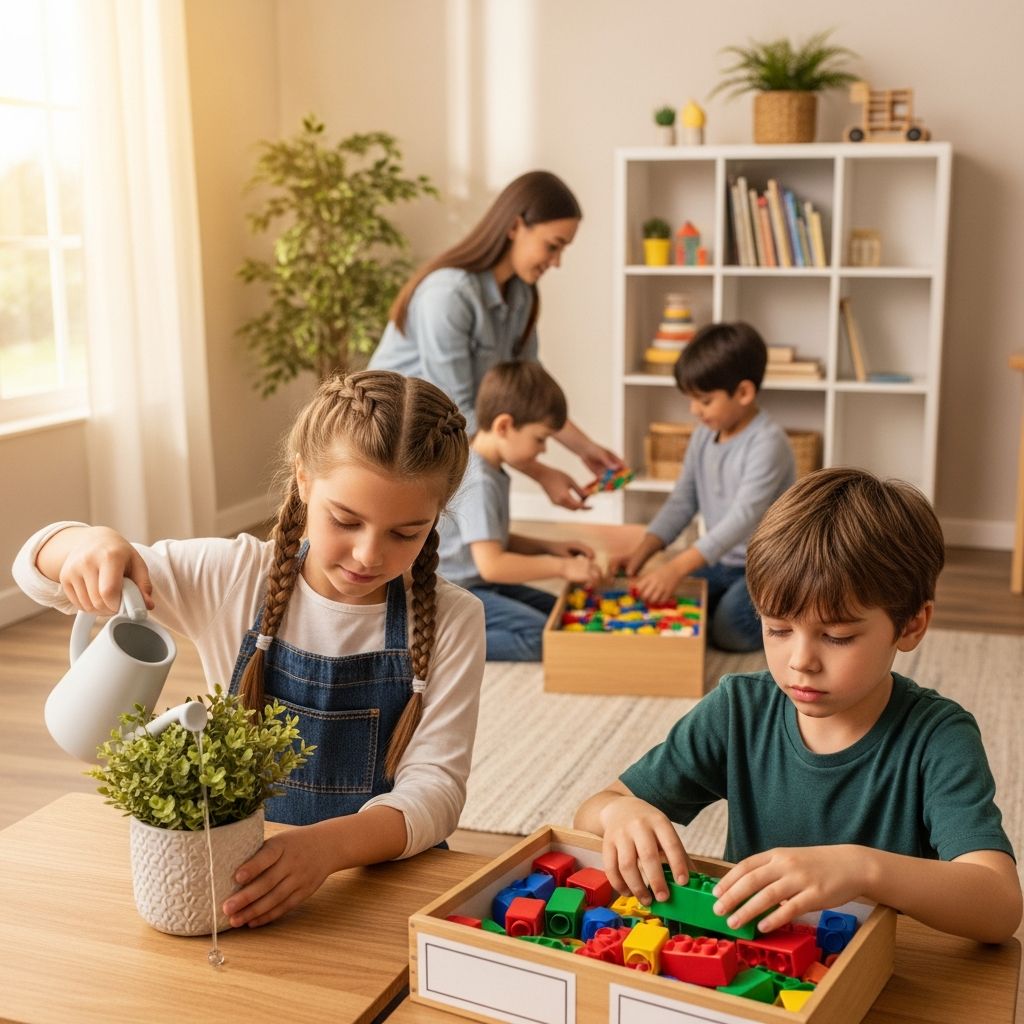
Responsibility is a cornerstone of personal development, enabling children to thrive as independent, capable individuals. By integrating simple, consistent practices into family life, parents can cultivate this vital trait effectively. This article explores practical approaches drawn from child development principles to help kids embrace accountability from an early age.
Understanding the Foundations of Childhood Accountability
Accountability begins with recognizing that children learn responsibility through observation and experience rather than lectures alone. Young minds absorb behaviors modeled by adults, making parental example the primary teacher. Starting as early as toddlerhood, consistent reinforcement shapes habits that endure into adulthood.
Research from child health experts emphasizes that responsibility correlates with improved self-esteem, problem-solving abilities, and resilience. For instance, when children complete tasks independently, they gain confidence in their capabilities, reducing reliance on external validation over time. Establishing clear expectations within the family unit further reinforces that everyone contributes to shared well-being.
Establishing Daily Routines for Lasting Habits
Structured daily routines provide the scaffolding for responsibility. These predictable patterns teach time management and self-discipline without overwhelming young learners. Begin with basic personal care tasks, such as handwashing before meals or preparing clothes the night before, to build discipline incrementally.
To make routines engaging, incorporate visual tools like chore charts or interactive apps that gamify the process. This approach transforms obligations into enjoyable challenges, fostering intrinsic motivation. Parents report that children adhering to routines develop better focus and preparedness for school and beyond.
- Handwashing and hygiene practices to promote health awareness.
- Bedtime preparations, including laying out outfits, to encourage foresight.
- Morning wake-up rituals using alarms for older kids to instill punctuality.
Selecting Age-Suitable Household Tasks
Assigning chores matched to a child’s developmental stage is key to success. Tailor tasks to ensure they are challenging yet achievable, promoting a sense of accomplishment. For toddlers (ages 2-5), simple actions like sorting toys or filling a pet’s bowl build basic skills. School-aged children (6-10) can handle making beds, folding laundry, or basic yard work.
| Age Group | Recommended Tasks | Benefits |
|---|---|---|
| 2-5 years | Put away toys, help set table, basic hygiene | Develops fine motor skills, routine adherence |
| 6-10 years | Make bed, sort laundry, vacuum, rake leaves | Builds time management, contributes to family |
| 11+ years | Prepare simple meals, manage allowance, pet care | Enhances decision-making, financial literacy |
Provide clear instructions and positive feedback to reinforce efforts. Rotate tasks weekly to maintain interest and teach flexibility. This method not only lightens family loads but also instills the value of teamwork.
Empowering Kids Through Guided Choices
Decision-making opportunities nurture ownership and foresight. Allow children to select outfits, plan weekend outings, or choose extracurriculars within safe boundaries. Discuss pros and cons to sharpen critical thinking, helping them anticipate outcomes.
Guided reflection after choices—asking ‘What went well? What could improve?’—deepens learning. This practice shifts focus from punishment to understanding real-world impacts, promoting accountable behavior. Over time, kids internalize these skills, making thoughtful decisions independently.
The Power of Parental Modeling and Reinforcement
Children mirror adult behaviors, so demonstrating reliability is crucial. Follow through on commitments, clean up personally, and verbalize responsible thinking aloud. Use affirmative language like ‘You handled that chore responsibly!’ to highlight positives.
Enforce accountability consistently: if tasks are unmet, apply natural consequences, such as no screen time until completed. Collaborate on consequence lists to ensure fairness, making enforcement collaborative rather than adversarial. Humor and encouragement, like chore-trading games among siblings, lighten the process.
Overcoming Common Hurdles in Teaching Duty
Resistance often arises from overload or lack of clarity. Counter this by starting small, celebrating progress, and avoiding rescues from mistakes. Permit calculated risks, like using kitchen tools under supervision, to build competence. Patience is essential; perseverance through frustration yields growth.
For persistent issues, track patterns with family meetings. Adjust expectations based on feedback, ensuring tasks remain motivating. Professional insights suggest combining chores with community service, like helping neighbors, to broaden perspectives.
Long-Term Gains of Early Responsibility Training
Investing in these habits yields dividends in adolescence and adulthood. Responsible children exhibit stronger academic performance, better peer relations, and emotional regulation. They approach challenges with problem-solving mindsets, prepared for independence.
Families practicing these strategies report harmonious homes where kids proactively contribute. This foundation equips them for careers, relationships, and self-reliance, proving that small daily efforts compound into profound character development.
Frequently Asked Questions (FAQs)
What age should responsibility training begin?
Start modeling behaviors from infancy, introducing simple tasks around age 2-3 with age-appropriate expectations.
Should chores be tied to rewards or allowances?
Natural consequences work best; rewards can motivate initially but focus on intrinsic pride for lasting habits.
How do I handle a child who refuses tasks?
Enforce consistent, logical consequences without anger, and model the behavior yourself.
Can too many chores overwhelm kids?
Select 2-3 manageable tasks daily, rotating to prevent burnout while building skills gradually.
What’s the role of technology in routines?
Apps and charts gamify chores effectively, but limit screen-based rewards to maintain balance.
References
- 5 Ways to Teach Children Responsibility Through Everyday Tasks — American SPCC. 2023-05-15. https://americanspcc.org/5-ways-to-teach-children-responsibility-through-everyday-tasks/
- 5 Ways to Teach Kids Responsibility & Decision-Making — YouTube (Child Development Video). 2024-02-10. https://www.youtube.com/watch?v=jQEg0POjsZ0
- Tips for Teaching Kids Responsibility — Children’s Hospital Colorado. 2025-01-20. https://www.childrenscolorado.org/just-ask-childrens/articles/teaching-responsibility/
- To Raise Responsible Children, Give Them Responsibilities — KinderCare. 2023-11-08. https://www.kindercare.com/content-hub/articles/2017/may/to-raise-responsible-children-give-them-responsibilities
- Teach Your Child Responsibility — 7 Tips to Get Started — Empowering Parents. 2024-07-12. https://www.empoweringparents.com/article/teach-your-child-responsibility-7-tips-to-get-started/
- Responsible Kids Don’t Just Happen — Focus on the Family. 2024-03-05. https://www.focusonthefamily.com/parenting/responsible-kids-dont-just-happen/