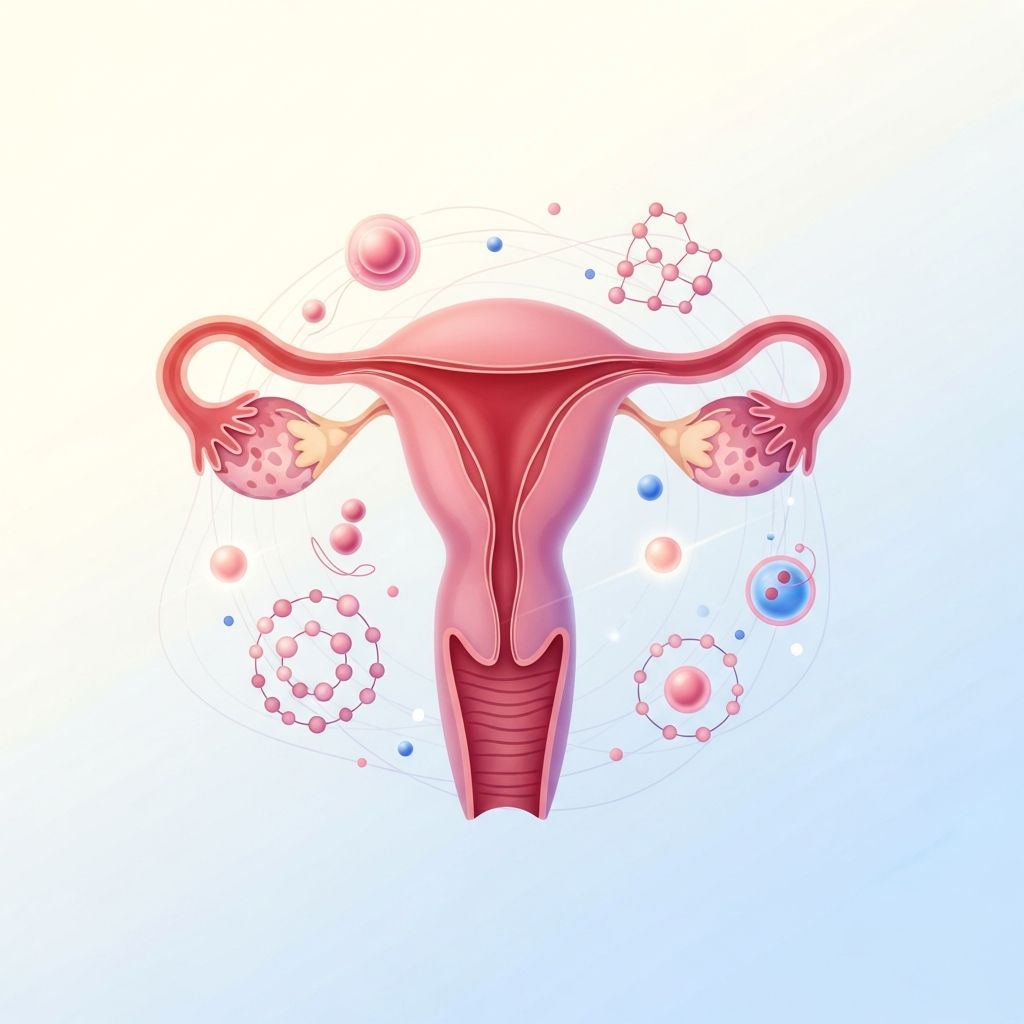
Your child’s world is full of growing questions about bodies, choices, and fairness. Reproductive rights—concepts like controlling one’s body, making health decisions, and accessing care—can feel overwhelming to explain. Yet starting these talks early builds trust and knowledge. This guide offers fresh strategies to share these ideas clearly, tailored to young ages, drawing from expert educational approaches.
Building a Foundation: Why Start Young?
From toddler years, kids notice bodies and rules. Teaching correct names for genitals—like penis and vulva—sets accurate baselines, as recommended by child health specialists. This prevents confusion and empowers boundary-setting. By ages 8-12, puberty sparks curiosity about changes, relationships, and safety. Open chats normalize these, reducing risks like unintended pregnancies or STIs later.
Reproductive rights encompass personal control over reproduction, including contraception, abortion, and parenting choices. For kids, frame it as ‘your body, your rules’—a core principle in youth education curricula. Early discussions link personal agency to broader justice, helping children value consent and equity.
Age-Appropriate Conversations: Tailoring the Message
Match depth to development. Here’s a breakdown:
- Toddlers (2-5 years): Focus on body parts and privacy. ‘Your body is yours. No one touches without permission.’
- Early School Age (6-8 years): Introduce consent. Use stories: ‘If a friend wants to hug, you say yes or no.’
- Pre-Teens (9-12 years): Cover puberty, healthy relationships. Explain menstruation, erections, and that bodies change naturally.
- Teens (13+): Dive into rights like contraception access, STI prevention, and decision-making in pregnancy scenarios.
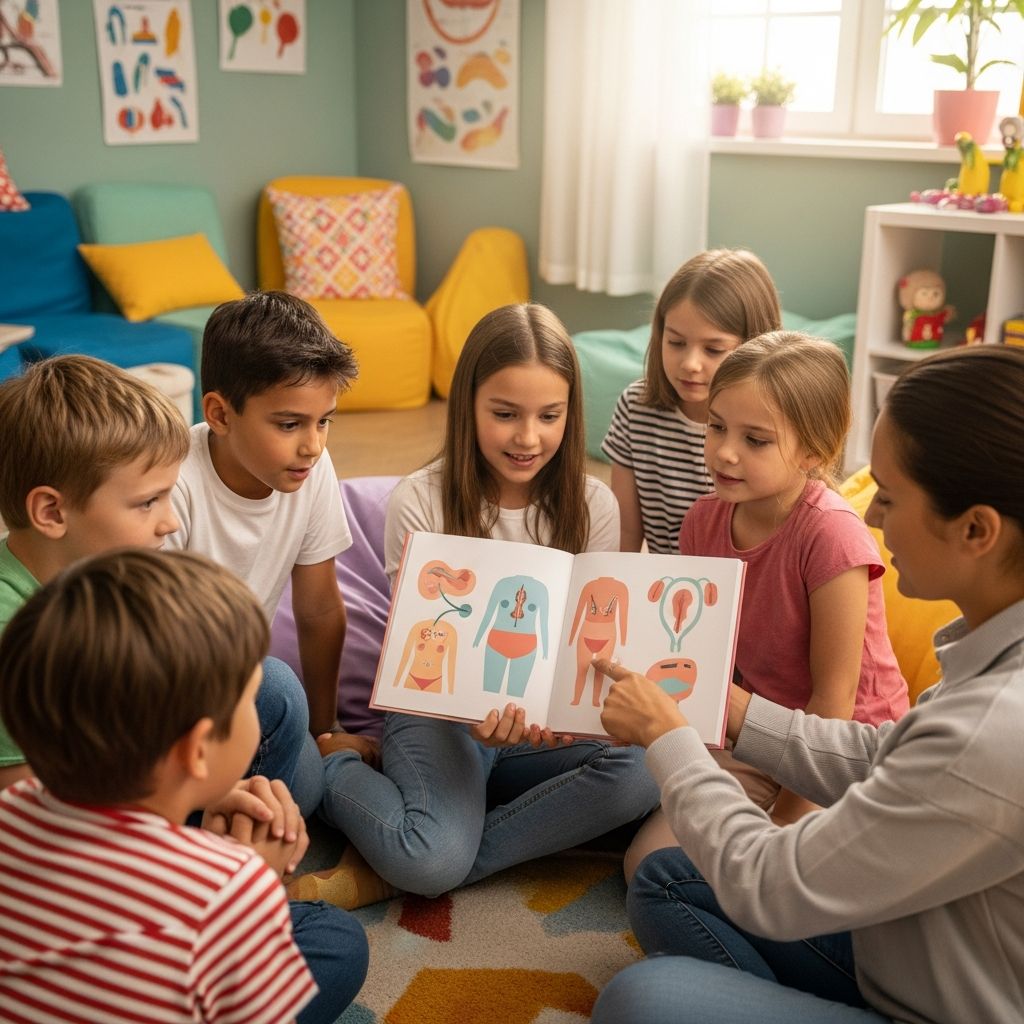
Make it ongoing: short, frequent talks beat one big lecture. Use books, diagrams, or videos for visuals, ensuring inclusivity for all genders and identities.
Key Concepts to Cover with Children
Break down essentials simply:
Body Autonomy and Consent
Core message: Everyone owns their body. Teach refusal skills—’No means no’—vital for safety. Irish guidelines stress this for 8-12-year-olds, noting legal consent ages (17 generally, 18 with authority figures). Role-play: ‘What if someone asks for something uncomfortable?’
Puberty and Reproductive Health
Describe changes factually: sperm/egg production, periods, wet dreams. Cover contraception basics for older kids—condoms prevent STIs and pregnancy. Healthy relationships mean respect, no pressure. Red flags: control, force.
Pregnancy Options and Rights
For teens, explain choices: parenting, adoption, abortion. U.S. curricula teach minors’ rights to confidential care in many states, without parental forced involvement. Use scenarios: ‘If pregnant, what options exist? Who decides?’ Emphasize no one can block legal choices.
Navigating Legal Realities for Young People
Laws vary, but teens have inherent rights. High school lessons outline applying rules to cases—like a teen’s abortion access in restrictive states (e.g., Idaho requires parental notice, but federal privacy protects). Discuss financial support, medical confidentiality. Globally, puberty (ages 10-14) is prime for rights education.
| Age Group | Key Legal Rights Focus | Example Discussion |
|---|---|---|
| Under 13 | Protection from exploitation | ‘Adults can’t demand private touches.’ |
| 13-17 | Access to care, consent limits | ‘You can seek STI testing privately.’ |
| 18+ | Full autonomy | ‘Choose your health path freely.’ |
This table simplifies progression, aligning with CDC-backed education.
Practical Tools for Family Discussions
Engage actively:
- Books and Media: Age-suited reads on bodies and feelings.
- Role-Plays: Practice saying ‘stop’ or seeking help.
- Questions: Answer honestly; admit unknowns and research together.
- Inclusivity: Use ‘person with a vulva’ for gender neutrality.
Link to justice: Personal choices tie to social fairness, as in global feminist views.
Addressing Challenges and Objections
Parents worry about ‘too soon.’ Evidence shows early education delays activity, boosts safety. If kids resist, pause and revisit. Schools help, but home reinforces. For diverse families, adapt culturally while prioritizing facts.
Frequently Asked Questions (FAQs)
What age to start reproductive rights talks?
Begin with body basics in toddlerhood, expanding by pre-teens for puberty and consent.
How to explain abortion simply?
‘Sometimes people choose not to continue a pregnancy for health or life reasons. It’s a private decision protected by rights.’
Do kids need parental consent for care?
Varies by location; many allow confidential services for minors on STIs, contraception.
What about LGBTQ+ kids?
Emphasize all bodies deserve respect; cover diverse relationships and identities.
How to handle school gaps?
Supplement with home talks; CDC endorses comprehensive education.
Empowering the Next Generation
These conversations foster confident, informed kids who respect boundaries and seek help. By framing reproductive rights as justice—linking body control to equity—you prepare them for real-world navigation. Consistency builds comfort; your role models openness.
Extend learning: Explore official guides together, reinforcing rights like privacy and support. This approach, rooted in evidence-based curricula, ensures kids grow empowered.
References
- What Are My Reproductive Rights? A Lesson Plan from Rights, Respect, Responsibility — Advocates for Youth. 2023-10. https://www.advocatesforyouth.org/wp-content/uploads/2018/10/Grade-12_Lesson-1_What-Are-My-Reproductive-Rights_3RsOct2023.pdf
- How to talk to your child about sex and reproductive health — Akron Children’s Hospital. 2023-01-31. https://www.akronchildrens.org/inside/2023/01/31/how-to-talk-to-your-child-about-sex-and-reproductive-health/
- Making the ‘Big Talk’ many small talks: For parents of 8-12 year olds — Sexual Wellbeing.ie. N/A. https://www.sexualwellbeing.ie/for-parents/making-the-big-talk-many-small-talks-for-parents-of-8-12-year-olds.pdf
- Empowering Adolescents to Exercise their Reproductive Rights — Center for Reproductive Rights. 2020-12. https://reproductiverights.org/wp-content/uploads/2020/12/GA-Adolescents-FINAL.pdf
- Reproductive Rights/Reproductive Justice Lesson Plan — University of Michigan. 2021. https://sites.lsa.umich.edu/globalfeminisms/reproductive-rights-reproductive-justice-lesson-plan/
- Sexual Health Education — Centers for Disease Control and Prevention (CDC). Accessed 2026. https://www.cdc.gov/healthy-youth/what-works-in-schools/sexual-health-education.html