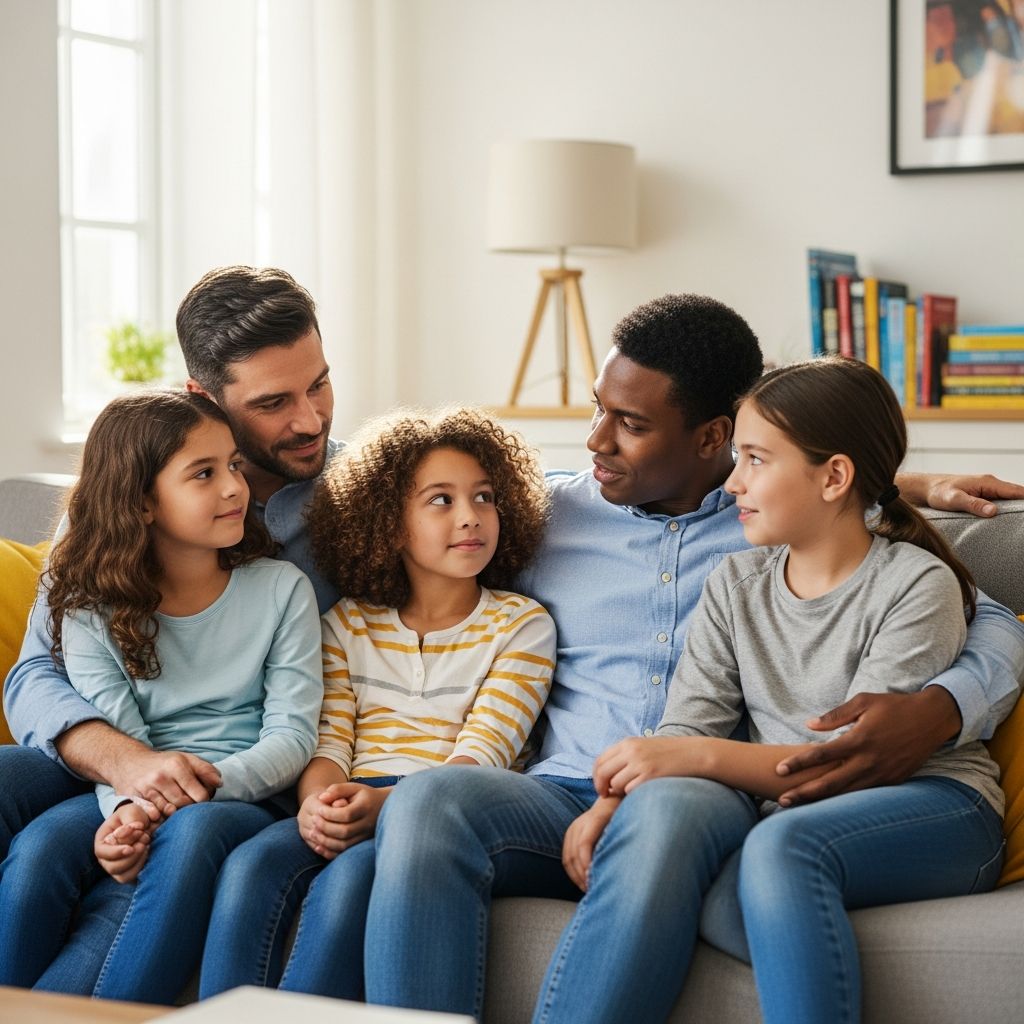
Parents play a pivotal role in shaping children’s understanding of race and equity. Starting these discussions early helps children navigate a diverse world with empathy and awareness. Research shows infants as young as six months notice skin color differences, and by preschool age, biases can emerge without guidance. This article provides practical strategies, age-tailored advice, and resources to make these talks natural and impactful.
Why Early Conversations Matter
Children’s awareness of racial differences begins in infancy. By six months, babies distinguish skin tones and facial features across racial groups. Toddlers start labeling these differences, and by age four, many express preferences or biases influenced by societal cues. Delaying talks assumes a ‘color-blind’ approach, which studies indicate can hinder children’s ability to recognize and challenge unfairness.
Open dialogue counters media stereotypes and peer influences. It builds racial literacy—knowledge of histories, cultures, and systemic issues—preparing kids to advocate for justice. Families who model curiosity and action raise children who intervene against bias rather than ignore it.
Foundational Principles for Parents
Effective race talks rest on key principles. First, normalize noticing differences: reassure children it’s okay to observe skin color, hair, or features, then explain what these mean (shared humanity) and don’t mean (superiority). Second, lead by example—diverse friendships, media choices, and community involvement speak louder than words. Third, embrace imperfection: admit knowledge gaps and learn together.
- Normalize curiosity: Welcome questions like ‘Why is her skin brown?’ with facts and affirmation.
- Model inclusivity: Curate toys, books, and shows featuring varied races and ethnicities.
- Commit to ongoing talks: Revisit topics as current events unfold, avoiding one-off lectures.
Age-Specific Conversation Strategies
Tailor discussions to developmental stages for maximum engagement and comprehension.
Infants and Toddlers (0-3 Years)
At this stage, focus on exposure and basic naming. Use diverse dolls, board books with multicultural characters, and songs celebrating global traditions. Point out differences casually: ‘Look at the baby with curly black hair!’ This builds positive associations without judgment. Avoid silence; it signals race as taboo.
| Activity | Purpose | Example |
|---|---|---|
| Diverse picture books | Normalize variety | ‘Baby faces from around the world’ with skin tone mirrors |
| Multicultural music time | Sensory exposure | Songs in Spanish, African rhythms alongside English tunes |
| Family photo albums | Personal connection | Highlight relatives’ varied features |
Preschoolers (4-6 Years)
Children this age categorize rigidly and absorb fairness concepts. Use simple analogies: ‘Sharing toys equally is fair, just like everyone deserves equal chances regardless of skin color.’ Address biases directly: If a child says ‘I don’t like dark skin,’ respond, ‘All skin is beautiful; let’s read about kids who look different and are friends.’ Introduce history lightly, like Rosa Parks’ bus stand for fairness.
Encourage questions post-park visits or TV: ‘What did you notice about the other kids?’ Validate feelings: ‘It’s normal to wonder!’.
School-Age Children (7-12 Years)
Concrete thinkers grasp injustice via stories of fairness. Connect past to present: Discuss civil rights leaders like Martin Luther King Jr. alongside modern protests. Ask, ‘Is it fair if one group gets fewer cookies? That’s like unequal opportunities today.’.
Analyze media: ‘Why are most superheroes white in this show?’ Seek out stories by authors of color. Teach patterns like neighborhood segregation as historical, not natural.
Teens (13+ Years)
Abstract thinkers handle complexity. Dive into systemic racism, privilege, and activism. Discuss policies, microaggressions (subtle biases), and intersectionality (race plus gender/class). Encourage research: ‘What does data say about school funding by zip code?’. Model allyship by challenging biased comments from adults.
Curating Media and Learning Resources
Media shapes views, so curate intentionally. Point out underrepresentation: ‘This cartoon has no Asian characters—let’s find one that does.’ Prioritize creator-led content: Books by Black authors on Black joy and struggle.
- Books: Age-graded lists from diverse voices (e.g., toddler rhymes, middle-grade histories).
- Shows: PBS Kids episodes on identity; documentaries simplified for youth.
- Activities: Museum visits, cultural festivals, diverse sports teams.
Supplement school curricula, often light on non-white contributions. Home discussions fill gaps, like Native American resilience or Asian American civil rights fights.
Addressing Racism and Injustice Head-On
Honesty builds trust. Explain bigotry age-appropriately: For young kids, ‘Some people treat others unfairly because of skin color, but that’s wrong and we’re fixing it.’ For older ones, cover slavery, redlining, and ongoing disparities with hope—highlight activists[7 from search, but use 1].
Frame oppression as resistance stories: ‘Oppressors tried to silence voices, but fighters like Harriet Tubman escaped and freed others.’ Include diverse heroes, especially women and youth. Reassure safety: ‘Protests seek peace; violence isn’t the goal.’ End positively: ‘Change-makers like you make it better.’.
Building Cultural Identity and Empathy
Help kids know their roots: Share family migration stories, triumphs, and struggles. Then expand: Study African American inventions, Latino labor histories, Indigenous land stewardship. Stress intra-group diversity: ‘Not all Asians eat rice daily; families vary!’.
Foster empathy via role-reversal: ‘How would you feel excluded from a game due to appearance?’ This counters ‘us vs. them’ thinking.
From Talk to Action: Raising Change-Makers
Action cements learning. Attend diverse events, volunteer at food banks in varied neighborhoods, write letters against biased policies. Teach bystander intervention: ‘If you hear a racist joke, say “That’s not funny—it’s hurtful.”‘ Role-play scenarios.
Connect personally: ‘Our family supports fairness by [donating/allying]. What can we do next?’ This instills agency.
Frequently Asked Questions (FAQs)
What if my child asks tough questions about race?
Answer honestly in simple terms, then explore together. ‘Great question! Let’s find a book/video on that.’
How do I handle my own discomfort?
Acknowledge it: ‘This is new for me too; we’ll learn as a team.’ Modeling growth teaches resilience.
Is it okay to discuss current events like protests?
Yes, age-appropriately. Frame as fairness quests, emphasizing non-violence and progress.
What if our community lacks diversity?
Seek it via books, online stories, trips, or clubs. Virtual exchanges connect globally.
Can these talks reduce my child’s biases?
Yes—consistent guidance from infancy fosters equity-minded kids, per child development research.
Long-Term Benefits for Families
Ongoing conversations create empathetic, informed citizens. Children learn to challenge norms, value differences, and act justly. Parents grow too, deepening family bonds through shared learning. In a divided world, these talks build bridges—one question, story, and action at a time.
References
- 10 Tips for Teaching and Talking to Kids About Race — EmbraceRace. 2023. https://www.embracerace.org/resources/teaching-and-talking-to-kids
- How to Talk to Your White Kids About Racism — Jewish Family & Children’s Service of Minneapolis. 2022-10-15. https://jfcsmpls.org/how-to-talk-to-your-white-kids-about-racism/
- Talking to Children About Race and Racism: An Age-by-Age Guide — Children’s Hospital of Orange County (CHOC). 2024-05-20. https://health.choc.org/talking-to-children-about-race-and-racism-an-age-by-age-guide/
- It’s Never Too Early to Teach Kids About Race and Racial Justice — American Psychological Association (APA). 2023-11-10. https://www.apa.org/topics/racism-bias-discrimination/race-kids-sesame-street