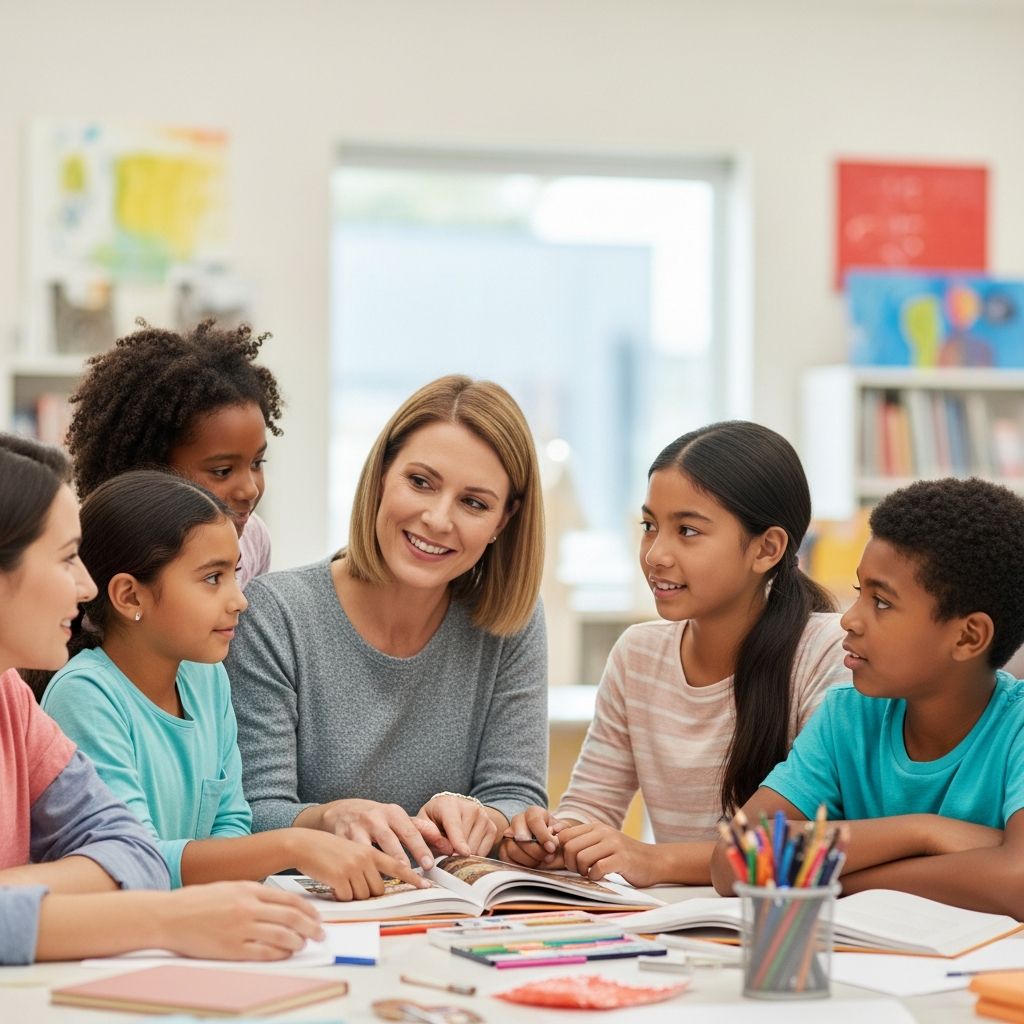
Parents play a pivotal role in shaping how children perceive and interact with racial differences. Starting these discussions early helps children develop empathy, challenge biases, and contribute to a fairer society. Research shows infants as young as six months notice racial distinctions, and by age four, biases can emerge if not addressed. This article provides a fresh framework for families to navigate these talks with confidence.
Why Early Conversations Matter for Development
Children’s understanding of race evolves rapidly. From infancy, they observe physical differences, and preschoolers begin categorizing people based on skin color or features. Without guidance, media and societal cues can reinforce stereotypes. Intentional parenting counters this by building racial literacy—the ability to recognize, discuss, and dismantle racial inequities.
Studies from the American Psychological Association indicate that kids absorb racial messages young, influencing self-esteem and peer relations. Proactive talks affirm identities and teach fairness, reducing prejudice. For instance, exposing toddlers to diverse images prevents narrow views.
Age-Appropriate Approaches to Racial Discussions
Tailor conversations to developmental stages for maximum impact. Here’s a breakdown:
- Infants to Age 2: Use diverse toys, books, and mirrors to normalize variety. Point out differences neutrally: “Look at that brown skin!” This builds comfort without judgment.
- Ages 3-5: Answer questions directly. If a child asks why someone has different skin, explain melanin simply: “Skin comes in many shades from a pigment called melanin, like how hair varies.” Encourage curiosity.
- Ages 6-8: Introduce fairness and history. Discuss patterns like neighborhood demographics honestly, linking to historical inequities without overwhelming.
- Ages 9+: Dive into systemic issues, current events, and activism. Analyze news together, emphasizing resilience stories.
These stages align with cognitive growth, from preoperational thinking in young kids—who grasp empathy but generalize stereotypes—to concrete operations where logic aids deeper understanding.
Building Your Own Foundation as a Parent
Effective talks start with self-reflection. Acknowledge personal biases; modeling this vulnerability teaches growth. Share family histories, including triumphs and struggles, to foster pride.
Expand your circle: Seek diverse friendships, events, and media. Actions speak louder—children mimic behaviors more than words. Resources like APA’s resilience tools help parents reflect.
Practical Activities to Spark Dialogue
Integrate learning into daily life:
- Read diverse books: Titles featuring varied protagonists build empathy.
- Visit cultural sites: Museums or festivals prompt natural questions.
- Media analysis: Pause shows to discuss representations.
- Role-play: Practice responses to bias scenarios.
For classrooms or homeschools, follow children’s leads—use observations as entry points. Stock libraries with inclusive stories to mirror real-world diversity.
Addressing Bias and Promoting Equity
Teach that diversity exists within groups: Not all in a race think alike. Be truthful about oppression—explain patterns like segregation’s legacy age-appropriately. Highlight ‘freedom fighters’—from child activists to everyday resisters—to inspire agency.
| Challenge | Strategy | Example |
|---|---|---|
| Child notices racial patterns | Connect to history honestly | “Some neighborhoods have more of certain groups due to past unfair rules, but we’re working to change that.” |
| Stereotypes from media | Critique together | “That show shows only one type—real people are more varied.” |
| Peer conflicts | Model intervention | Discuss as a family: “How can we support our friend?” |
Navigating Teachable Moments and Current Events
When bias arises, respond swiftly but calmly. Use classroom norms like accountable talk: Listen, share experiences, reflect on community. For news like protests, frame as ongoing justice efforts.
Encourage action: Volunteer, sign petitions, or create art. Link talks to change-making. PBS resources offer videos modeling these discussions.
Recommended Resources and Books by Age
Curate materials thoughtfully:
- Picture Books (2-6): Stories on skin colors, friendships across differences.
- Chapter Books (7-10): Narratives of civil rights, immigration.
- Teens: Memoirs on identity, activism.
Sites like Zinn Education Project provide themed lessons. EmbraceRace offers 10+ tips and 16 empowerment strategies.
Frequently Asked Questions (FAQs)
What if my child attends a non-diverse school?
Supplement with diverse activities, books, and virtual experiences. Model inclusivity at home.
How do I handle my own discomfort?
Admit it: “I’m learning too—let’s explore together.” This normalizes growth.
Should I avoid race talk to prevent prejudice?
No—silence lets biases form unchecked. Openness builds informed empathy.
What about multiracial families?
Celebrate all heritages equally, discussing blended identities positively.
How to discuss police violence?
Age-adapt: Focus on fairness, safety; older kids, systemic issues and reform.
Fostering Lifelong Allies
Consistent, action-oriented talks transform children into advocates. By valuing all identities and challenging injustice, parents equip kids for an equitable world. Start small, stay honest, and watch empathy flourish.
References
- 10 Tips for Teaching and Talking to Kids About Race — EmbraceRace. 2023 (accessed). https://www.embracerace.org/resources/teaching-and-talking-to-kids
- Becoming Upended: Teaching and Learning about Race and Racism — NAEYC. 2018-05-01. https://www.naeyc.org/resources/pubs/yc/may2018/teaching-learning-race-and-racism
- How to Teach Kids About Race — OnlineMSWPrograms.com. 2023 (accessed). https://www.onlinemswprograms.com/resources/how-to-teach-kids-about-race/
- Raising anti-racist children — American Psychological Association. 2021-06-01. https://www.apa.org/monitor/2021/06/anti-racist-children
- Award-Winning PBS KIDS Talk About: Race & Racism — PBS Kids (YouTube). 2021. https://www.youtube.com/watch?v=_fbQBKwdWPg