Parents play a pivotal role in shaping how children perceive and interact with racial diversity. Starting these discussions early helps kids develop empathy, challenge stereotypes, and navigate a multicultural society confidently. Psychological research indicates that infants as young as six months notice skin color differences, and by age four, many show early signs of bias, underscoring the need for proactive parental guidance.
Understanding Why Early Conversations Matter
Children’s natural curiosity about physical differences makes early talks about race essential. Without intervention, media and societal messages can embed unfair generalizations. Studies show that explicit conversations about race can shift children’s attitudes positively in just one week, enhancing their ability to form inclusive friendships and recognize injustice. By addressing race directly, parents equip kids to resist harmful narratives and value human variation.
Moreover, fostering racial literacy—the skill to interpret and respond to racial dynamics—reduces stress and boosts well-being, as evidenced by research from the Racial Empowerment Collaborative. Delaying these talks risks allowing biases to solidify unchecked.
Age-Specific Strategies for Meaningful Dialogue
Tailoring conversations to developmental stages ensures kids grasp concepts without overwhelm. Here’s how to approach it by age group.
Infants and Toddlers (0-3 Years): Celebrating Physical Variety
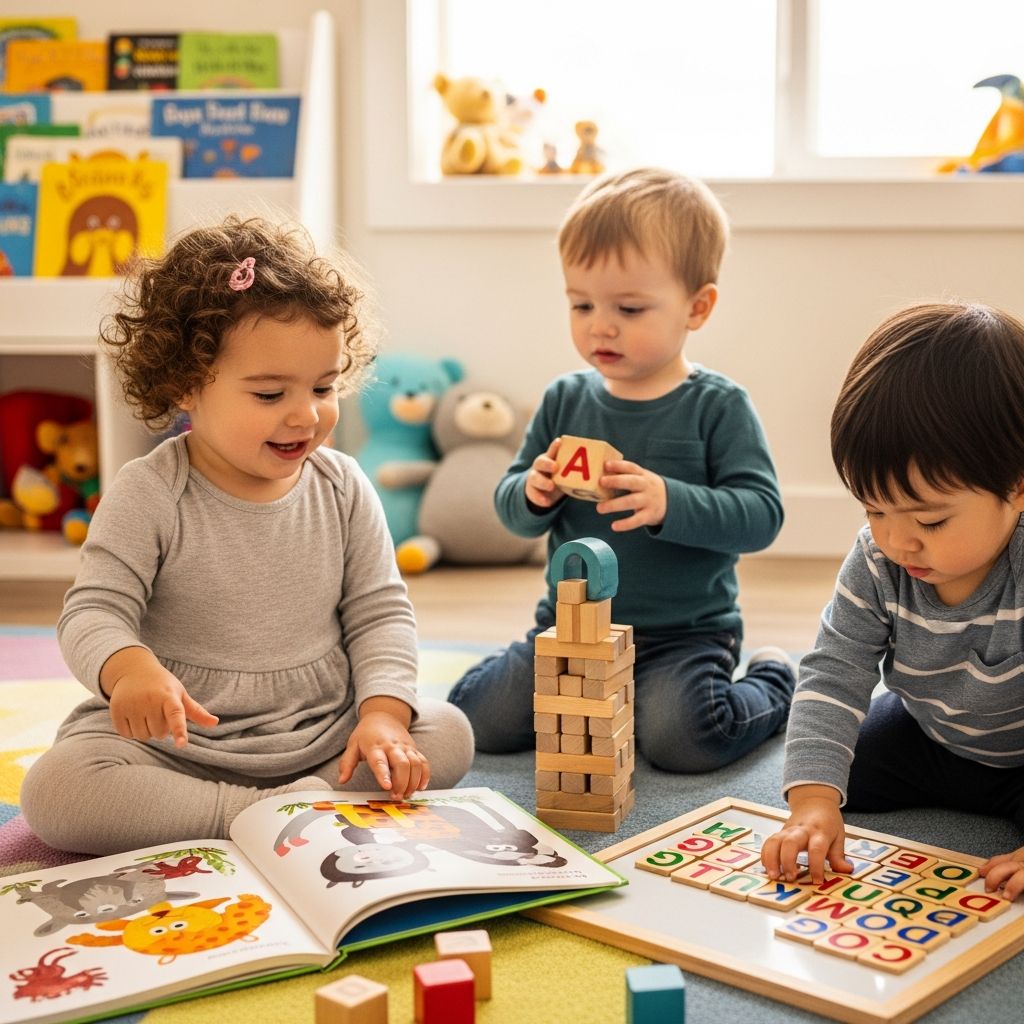
At this stage, focus on delighting in diversity through sensory experiences. Use toys, books, and mirrors to highlight skin tones, hair textures, and eye colors as beautiful variations. Avoid colorblind rhetoric; instead, name differences positively: “Look at your beautiful brown skin and her lovely light skin!” This builds a foundation of admiration.
- Provide diverse dolls and puppets for play, encouraging kids to explore similarities and differences.
- Read picture books featuring multicultural families, pointing out joyful traits like curly hair or almond-shaped eyes.
- Gently correct self-portraits if colors don’t match, promoting accurate self-identity without singling anyone out.
Preschoolers (3-5 Years): Introducing Fairness and Similarity
Young children notice inequities and cry “not fair!” Leverage this by explaining that while all people deserve equal treatment, some groups face unfair barriers due to skin color misconceptions. Use simple stories: “Everyone can run fast, no matter their skin—runners come in all shades!”.
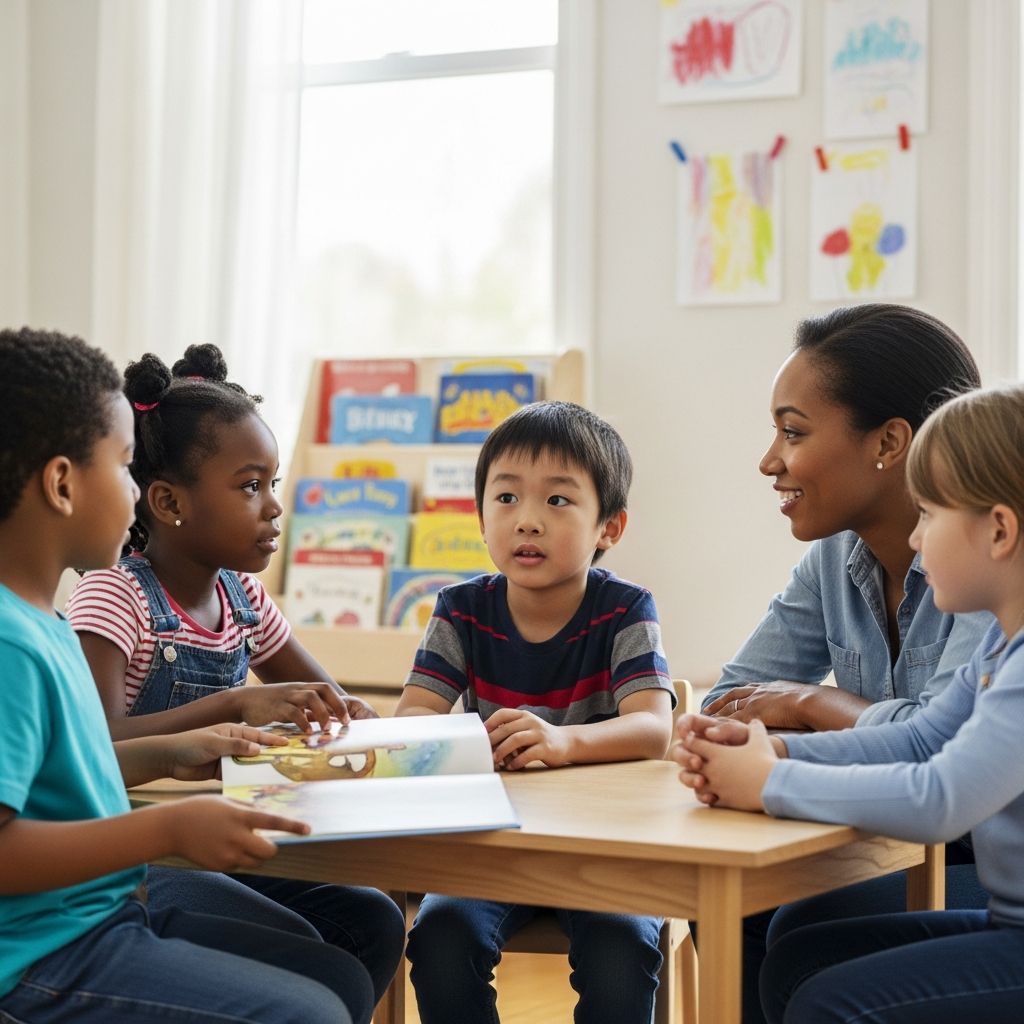
Activities like mixing paint shades to match skin tones teach that uniqueness enhances our world. Group discussions on books showing unfair treatment build empathy.
School-Age Kids (6-10 Years): Exploring History and Stereotypes
Now, connect personal observations to broader contexts. Discuss historical figures who fought inequality, linking past events to current news. Ask open questions: “Why do you think that happened? Is it fair?” This cultivates critical thinking.
| Age Group | Key Focus | Sample Activity |
|---|---|---|
| 0-3 | Physical diversity | Skin tone art with paints |
| 3-5 | Fairness basics | Doll story circles |
| 6-10 | History & bias | Timeline of civil rights |
| 11+ | Systemic issues | News analysis debates |
Tweens and Teens (11+ Years): Tackling Systemic Realities
Older kids can handle nuanced topics like institutional racism. Reference real events via videos or articles, prompting: “What biases might be at play?” Encourage allyship actions, such as supporting diverse peers.
Practical Tools and Activities for Home
Integrate learning seamlessly into daily life with these evidence-based approaches.
- Books and Media: Select titles depicting diverse protagonists facing bias, followed by debriefs on emotions and solutions. PBS resources offer videos modeling fair play.
- Persona Stories: Use dolls to enact scenarios of exclusion, letting kids problem-solve resolutions together.
- Art and Play: Create “diversity collages” from magazines, celebrating global features.
- Real-World Ties: Point out diversity in community outings, like “See the park workers of all backgrounds? Teams are strongest mixed!”
Model inclusive language daily: Praise efforts over innate traits to counter stereotypes.
Addressing Common Parental Challenges
Many hesitate, fearing discomfort or lacking words. Remember, silence signals avoidance, allowing external biases to dominate. Start small—acknowledge a TV character’s race positively. Research confirms kids crave these talks for clarity. If mistakes occur, apologize and revisit, modeling growth.
For mixed-race families, emphasize all heritages equally. In homogeneous areas, use media to broaden exposure proactively.
Building Empathy and Anti-Bias Skills
Empathy counters prejudice. Role-play standing up for others: “What could you say if a friend is teased for their hair?” Group projects repairing “unfair” scenarios empower collective action.
Track progress: Note if kids befriend across races or question media tropes. Positive shifts affirm your impact.
Frequently Asked Questions (FAQs)
What if my child asks blunt questions about skin color?
Answer honestly with joy: “Skin comes in many shades from the sun and genes, like ice cream flavors—all yummy!” This normalizes curiosity.
Is it okay to discuss racism with very young kids?
Yes, using age-fit terms like “unfair treatment.” Research shows early talks prevent bias absorption.
How do I handle my own discomfort?
Prepare with resources; practice aloud. Your willingness teaches resilience.
What about white families in mostly white areas?
Proactively introduce diversity via books and talks to dismantle privilege assumptions.
Can these talks reduce bullying?
Absolutely—kids with racial literacy intervene more and form diverse bonds.
Long-Term Benefits of Racial Awareness
Open dialogues yield empathetic adults who advocate equity. Children gain tools for self-pride, allyship, and critical media consumption, thriving in diverse settings. Parents foster not just tolerance, but active justice pursuit.
Commit to ongoing talks as events unfold. Your home becomes a safe space for growth, preparing kids for life’s complexities.
References
- Teaching Young Children about Race — Social Justice Books. Accessed 2026. https://socialjusticebooks.org/teaching-young-children-about-race/
- It’s never too early to teach kids about race and racial justice — American Psychological Association (APA). 2023. https://www.apa.org/topics/racism-bias-discrimination/race-kids-sesame-street
- Teach Young Kids About Race — Read Like a Rockstar Teaching. Accessed 2026. https://readlikearockstarteaching.com/teach-young-kids-about-race/
- Talking to children about race and racism: An age-by-age guide — Children’s Hospital of Orange County (CHOC). Accessed 2026. https://health.choc.org/talking-to-children-about-race-and-racism-an-age-by-age-guide/
- Talking to Kids About Race and Racism — Nemours KidsHealth. Accessed 2026. https://kidshealth.org/en/parents/talk-about-race.html