Seeing a four-year-old hit, kick, or shout at a parent or family dog can be deeply upsetting. It looks scary, feels personal, and can leave you worried about your child’s future or your pet’s safety. Yet most young children who act this way are not “bad kids” but overwhelmed children who need guidance, structure, and connection.
Understanding What Aggression Really Means at Four
At around age four, children are in a tricky middle space: they have big feelings and vivid imaginations, but only emerging skills for self-control and communication. Aggression is usually a clumsy way of saying, “I’m scared,” “I feel out of control,” or “I need help.”
Instead of viewing aggression as defiance, it helps to see it as an alarm system. The behavior is loud and alarming, but underneath there is almost always a vulnerable need: for safety, connection, predictability, or a sense of power used in a healthy way.
Common Reasons 4-Year-Olds Target Parents and Pets
Children rarely choose aggression because they enjoy hurting others; they turn to it when they lack better tools. The same child who kicks the family dog or hits a parent may later sob with remorse when calm. Understanding what feeds the behavior is the first step to changing it.
Emotional Overload and Frustration
Four-year-olds often feel overwhelmed by everyday frustrations: a toy that will not work, a snack that is denied, or a transition away from play. When feelings exceed coping skills, the child can lash out at the nearest safe target—often a parent or a gentle pet.
Testing Power and Boundaries
Preschoolers are learning how power works in relationships. They may hit a parent or grab the dog’s tail to see, “What happens if I do this?” Your reaction teaches them where the limits are and whether adults can keep everyone safe.
Copying What They See
Children learn by imitation. If they see rough play between siblings, physical discipline, or yelling during conflict, they may experiment with the same behavior. Likewise, if they watch shows or games full of chasing, hitting, and explosions, those images often show up in play.
Difficulty Reading Animal Signals
Most young children do not automatically know when a dog is anxious, in pain, or trying to get away. They may think the dog likes wrestling or chasing when the animal is actually terrified. Without clear adult guidance, the child can easily cross the line from affection into harassment or cruelty.
Safety First: Protecting Your Child and Your Dog
Before working on long-term solutions, you must ensure that everyone is safe. A dog that is continually provoked can eventually bite, even if it has been gentle for years. Likewise, a child who is allowed to behave aggressively can be injured if an animal defends itself or becomes fearful.
Household Safety Rules That Are Non-Negotiable
- No hitting, kicking, pinching, or sitting on the dog.
- No pulling ears, fur, or tail.
- No climbing on, hugging tightly, or lying on top of the dog.
- Only gentle hands: pet along the back or chest, not the face, and only when an adult is present.
- Leave the dog alone while it is eating, sleeping, or in its bed or crate.
Creating a Safe Retreat for the Dog
Your dog needs a guaranteed safe space where the child is never allowed to follow. This might be a crate, a gated room, or a high perch for small dogs. Treat this area as the animal’s “do not disturb” zone, with clear rules that adults consistently enforce.
Sample Safety Table: Dog and Child Zones
| Situation | Child’s Allowed Behavior | Adult’s Role |
|---|---|---|
| Dog is in crate/bed | Look only, no touching or entering the space | Block access, remind: “That’s the dog’s quiet place.” |
| Dog is eating or chewing bone | Stay at a distance set by adults; no taking food or toys | Supervise closely, physically guide child away if needed |
| Supervised playtime | Gentle petting with open hand, throwing toys (if dog enjoys it) | Model appropriate touch and intervene at first sign of roughness |
| Dog walks away from child | Child must stop and let dog leave | Verbal coaching: “Dog walked away; that means no more playing now.” |
Responding in the Moment: Calm, Clear, and Firm
When your child hits you or the dog, your instinct might be to shout or punish. Yet a dysregulated adult cannot regulate a dysregulated child. Your goal in the moment is to stop the behavior immediately, keep everyone safe, and then help your child’s nervous system come back to balance.
Step-by-Step Response to Aggression
- Interrupt the behavior quickly and gently. Move between the child and dog, or hold the child’s hands to prevent further hitting.
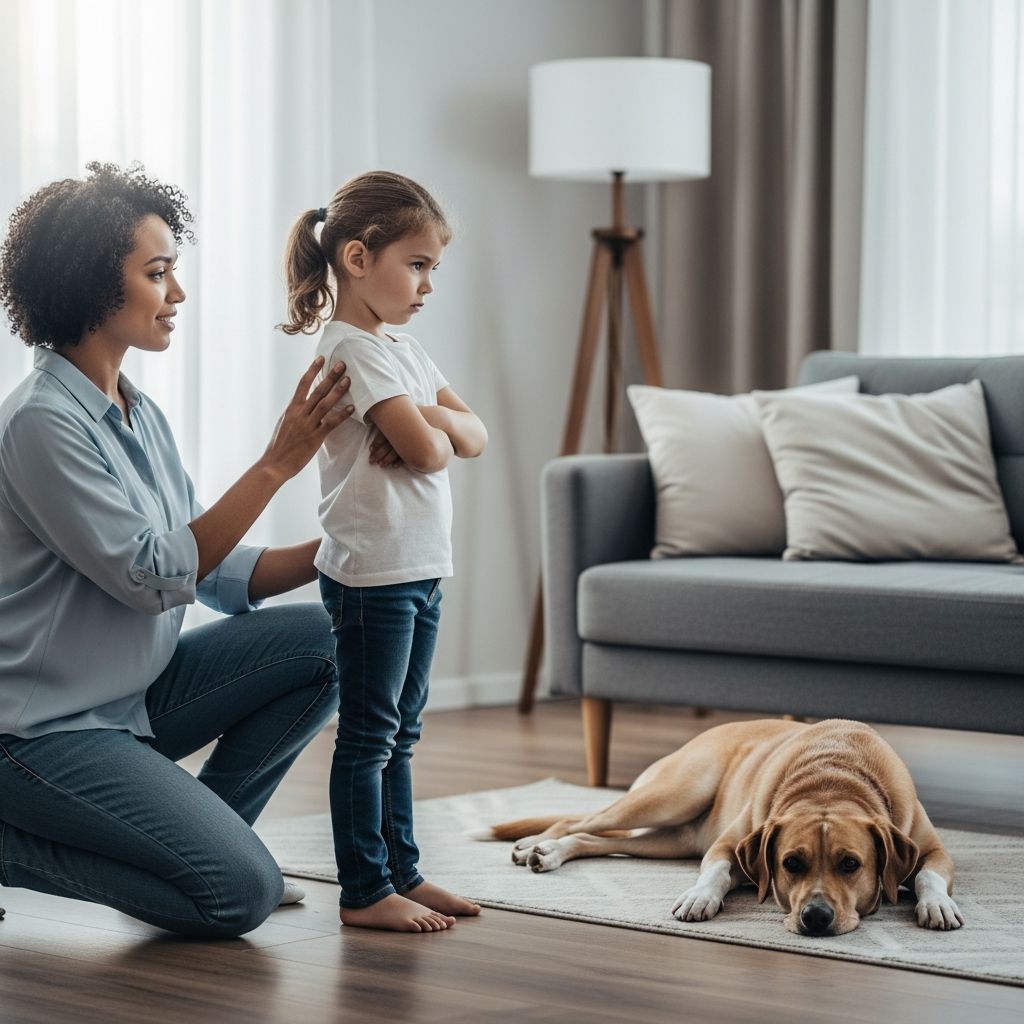
- State the limit in simple language. For example: “I won’t let you hit the dog.” Keep your tone firm but not angry.
- Remove access if needed. Guide the child to a safe, calm space away from the pet, or give the dog access to its retreat area.
- Help your child calm down. Offer deep breaths, a tight hug (if welcome), or a soothing object. Wait until the storm has passed to talk.
- Once calm, briefly teach. Use a short explanation plus a better option: “When you feel mad, your hands can squeeze this pillow, not the dog.”
What to Avoid in the Heat of the Moment
- Long lectures while your child is screaming or sobbing.
- Labels like “mean,” “naughty,” or “bad.”
- Physical punishment, which teaches that bigger people are allowed to use force.
- Shaming comparisons (“Why can’t you be nice like your sister?”).
Coaching Emotions: Helping Your Child Name and Tame Big Feelings
Lasting change comes from teaching your child what to do instead of hitting or kicking. Emotional coaching gives your child a vocabulary and a roadmap for handling strong feelings.
Teaching Feeling Words
At four, many children know “happy” and “sad” but struggle with “frustrated,” “disappointed,” or “jealous.” Expanding their emotional language helps them express what is happening inside without using their body.
- Use daily moments: “You look frustrated that the block tower fell.”
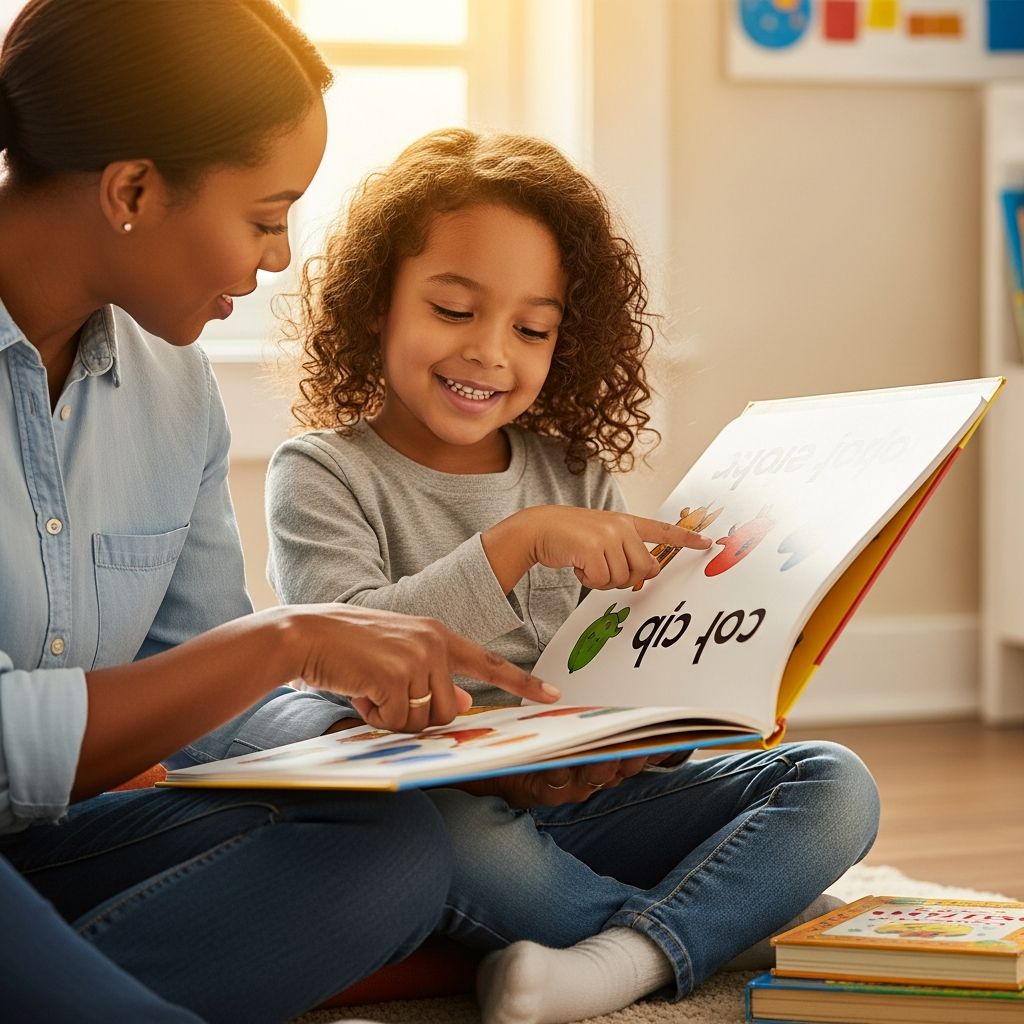
- Point out feelings in books and stories: “That puppy looks scared; its tail is tucked.”
- Make a feelings chart with faces and labels the child can point to.
Practicing Calming Tools in Quiet Times
Children cannot learn new skills in the middle of a meltdown. Practice calming strategies when everyone is relaxed so they feel familiar later.
- Slow belly breaths: “Smell the flower, blow out the candle.”
- “Squeeze and release” games for hands or shoulders.
- A cozy corner with pillows, books, and a soft toy where your child can go to regroup.
Transforming Discipline: From Punishment to Teaching
Discipline literally means “to teach,” not “to make suffer.” Effective discipline shows your child how to repair, choose differently next time, and trust that adults will keep everyone safe.
Natural and Logical Consequences
Consequences work best when they are directly related to the behavior and delivered with calm consistency. Instead of threats, think in terms of cause and effect.
- If your child hits the dog with a toy, the toy is put away and dog time ends for now.
- If your child throws blocks, block play pauses until they are ready to use them safely.
- If your child shouts at you, you step back and say, “I will listen when you use a calmer voice.”
Repairing After Harm
After an aggressive episode, include a simple repair step once your child is regulated. This teaches responsibility without crushing shame.
- Check on the dog with you: “Let’s see if the dog is okay.”
- Model a gentle apology: “We scared you. We’ll be more gentle now.”
- Have your child help with something kind, like setting down fresh water or gently placing a toy where the dog can reach it.
Building Empathy for Animals and People
Empathy grows when adults consistently highlight the inner world of others. With practice, your child can learn to notice when the dog is uncomfortable and to enjoy being someone who is safe and kind.
Teaching Kids to Read Dog Body Language
- Explain calm signals: relaxed body, soft eyes, slow tail wag usually mean the dog feels safe.
- Point out stress signs: stiff body, tucked tail, ears back, lip licking, yawning, or moving away mean the dog needs space.
- Use simple rules: “If the dog walks away or looks worried, your job is to stop and let them go.”
Encouraging a “Helper” Identity
Children are more likely to act kindly when those actions are tied to their sense of self. Help your child see themselves as a “pet helper” and a “kind kid.”
- Offer specific praise: “You noticed the dog walked away and you stopped. That was very respectful.”
- Give simple responsibilities: measuring food (with supervision), refilling water, or placing a blanket in the dog’s bed.
- Read stories about children caring for animals and discuss how those characters help their pets feel safe.
Adjusting the Environment to Reduce Triggers
Sometimes the easiest way to reduce aggression is to change the environment rather than constantly battling behavior. Thoughtful routines and setups make it less likely that your child and dog end up in high-risk situations.
Managing High-Risk Times of Day
Notice patterns. Does aggression spike when your child is hungry, tired, or transitioning between activities? Try to anticipate and adjust.
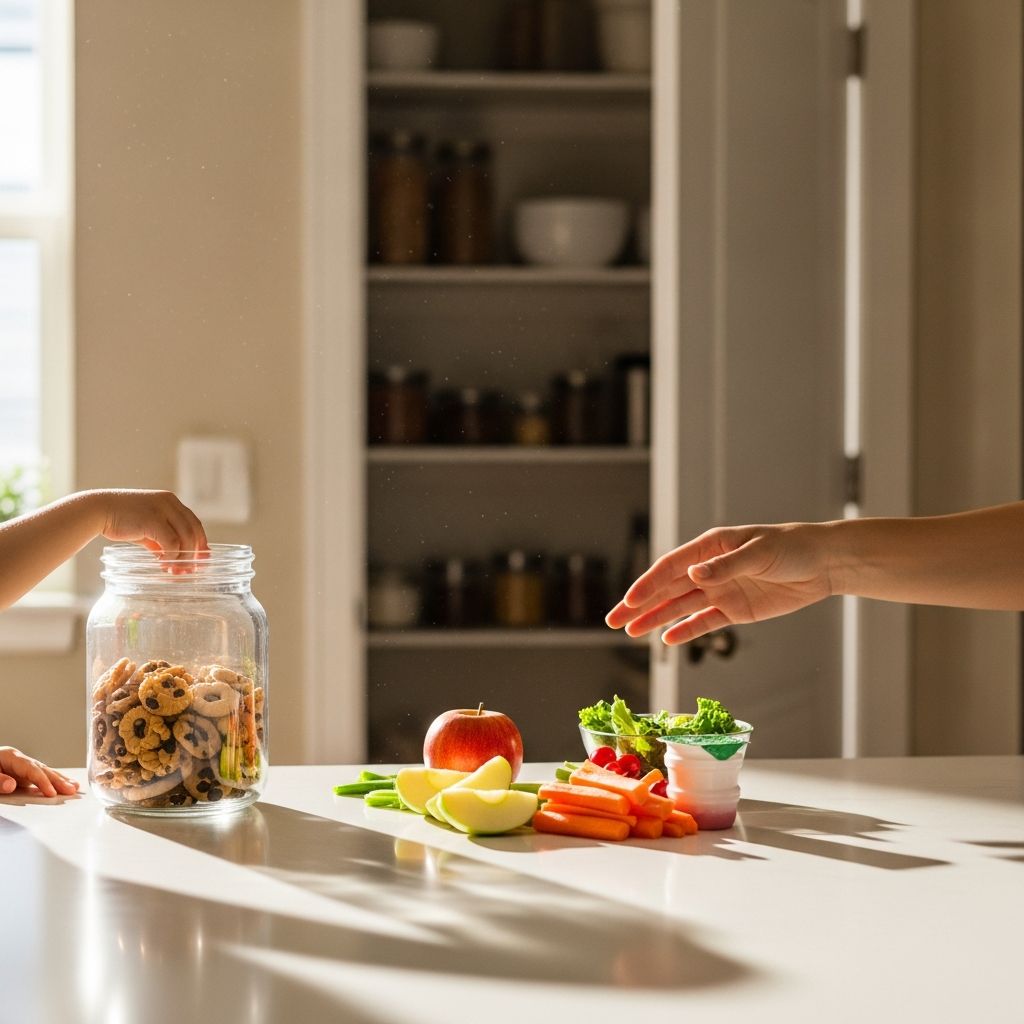
- Offer snacks and rest before outings or busy play.
- Plan quiet play options when you are cooking or distracted, and keep the dog separated then.
- Use visual schedules or simple countdowns to prepare for transitions.
Structuring Dog–Child Interactions
Spontaneous, unsupervised contact often leads to roughness. Instead, build in short, positive, adult-guided interactions.
- Have short “gentle time” sessions where you model how to pet and talk to the dog.
- End interactions while they are still going well rather than waiting for problems to appear.
- Use baby gates, playpens, or closed doors anytime you cannot actively supervise.
When to Worry and Seek Professional Help
Many preschoolers go through brief periods of hitting, kicking, or chasing the family pet and then improve with firm, loving guidance. However, there are red flags that signal the need for professional support.
Warning Signs That Need Attention
- Frequent, intense aggression that does not improve despite consistent limits.
- Enjoyment of causing pain or fear in animals or people rather than remorse.
- Use of objects to deliberately hurt, trap, or terrify the dog.
- A pattern of aggression in multiple settings (home, preschool, playground).
- Significant sleep, eating, or behavior changes after a stressful event or trauma.
Types of Support That Can Help
Early support is not a label or a verdict; it is simply extra guidance for a child whose nervous system needs more help. Professionals can also help you fine-tune your approach at home.
- Pediatricians can rule out medical issues and refer you to specialists.
- Child therapists (including play therapists) can help your child process feelings and practice new skills.
- Positive-reinforcement dog trainers or behaviorists can assess your dog’s stress level and suggest safety strategies.
Looking After Yourself as a Parent
Parenting through aggression is exhausting. If you are constantly on alert, breaking up rough encounters and managing your own fear for the dog, burnout is a real risk. Your well-being is part of the solution, not an afterthought.
Practical Ways to Stay Steady
- Create simple mantras to ground yourself: “Breathe first, respond second,” or “My job is to keep everyone safe.”
- Share responsibility with a partner, trusted friend, or family member when you need a break.
- Connect with other parents facing similar challenges; feeling less alone makes it easier to stay calm.
Frequently Asked Questions
Is my 4-year-old destined to be violent if they hurt the dog?
No. Occasional aggressive behavior at four is common and often reflects poor impulse control, not a fixed character trait. What matters most is how adults respond: setting firm limits, keeping everyone safe, and consistently teaching kinder ways to express feelings.
Should I rehome the dog if my child keeps being rough?
In many families, clear rules, physical barriers, and close supervision greatly reduce risk and allow the child to grow into a kind, responsible pet owner. However, if the dog is highly stressed, has already snapped or bitten, or you cannot safely supervise, rehoming to a safe, loving environment may be the most responsible choice for everyone.
Is time-out helpful for aggression at this age?
Time-out can be useful if it is framed as a short, calm reset rather than isolation or humiliation. Many families find a “time-in” more effective: staying close, helping the child calm down, and then revisiting the limit and a better choice once the child is regulated.
How can I tell if my child needs an evaluation?
Consider seeking an evaluation if aggression is frequent, severe, present in multiple settings, or seems to be getting worse despite consistent, calm boundaries. Trust your instincts: if something feels “off,” asking for professional input is a sign of care, not failure.
Won’t my child be spoiled if I stay gentle when they are aggressive?
Gentle parenting is not permissive parenting. Staying calm does not mean allowing harmful behavior. The combination of clear, non-negotiable limits and warm emotional support teaches both responsibility and self-control far more effectively than fear or shame.
When a four-year-old is aggressive with parents and the family dog, it is a sign that something inside the child needs attention, not a verdict on who they will become. With structure, empathy, and consistent guidance, most children can learn to handle their feelings more safely, treat animals with care, and regain a peaceful, trusting relationship with both parents and pets.