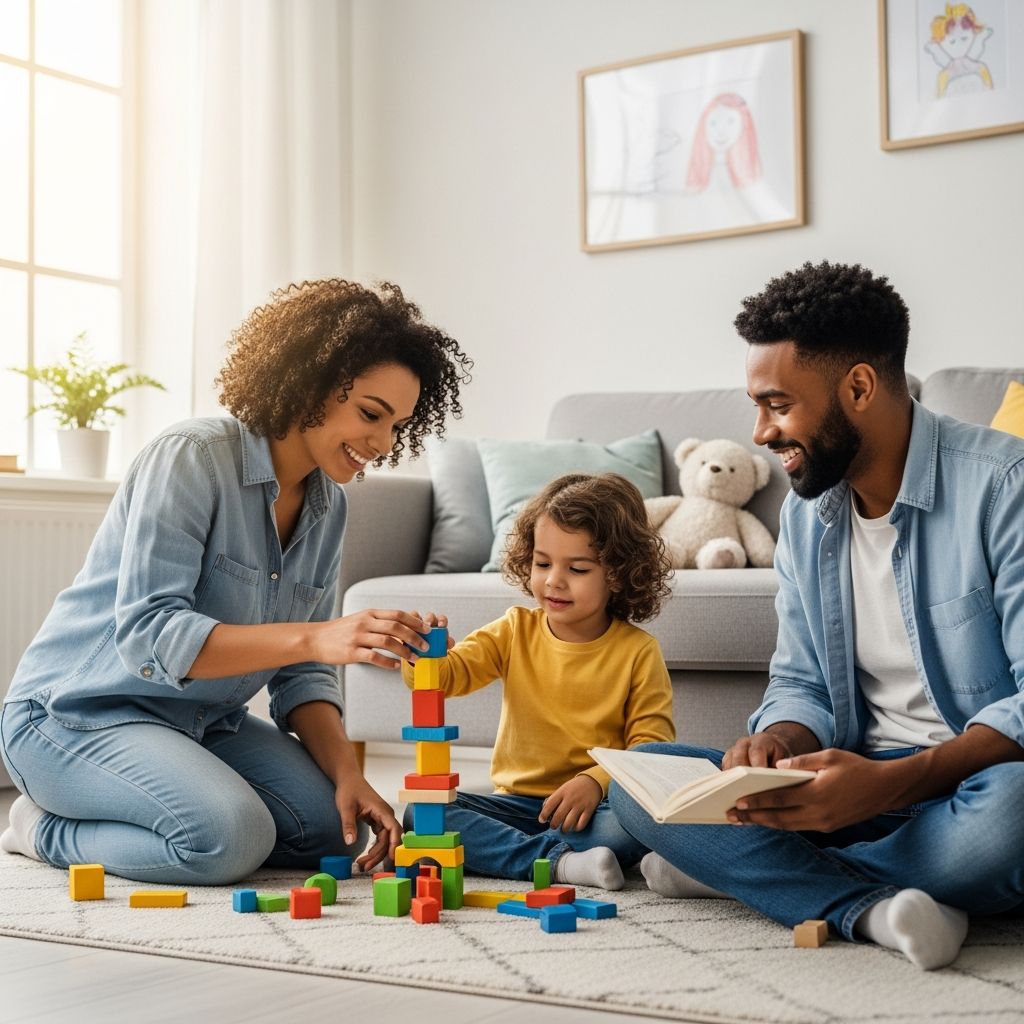
Creating a Foundation for Positive Behavior
Children thrive in environments where expectations are clear, routines are predictable, and emotional support is consistent. Establishing a foundation for positive behavior begins with setting boundaries that are both firm and fair. When children understand what is expected of them, they feel more secure and are less likely to act out. Instead of vague instructions, use specific language that describes the desired behavior, such as “We use gentle hands with our toys” rather than “Be good.” Involving children in rule-setting can also increase their sense of ownership and cooperation .
Understanding the Root of Misbehavior
Misbehavior is often a child’s way of communicating unmet needs or emotions. Active listening is a powerful tool for uncovering the reasons behind challenging actions. When a child is upset, take the time to listen without judgment, maintain eye contact, and acknowledge their feelings. Reflecting back what they say, such as “I hear that you’re frustrated because…” can help de-escalate tantrums and build trust. This approach not only helps children feel heard but also teaches them healthy ways to express themselves .
Consistency: The Key to Long-Term Success
Consistency in responses and expectations is crucial for helping children feel safe and secure. When caregivers respond the same way to similar behaviors, children learn what to expect and are more likely to cooperate. Align discipline approaches among all caregivers to avoid confusion and power struggles. Sticking to established rules and consequences builds trust and reduces the likelihood of repeated misbehavior. Consistency also helps children internalize positive habits over time .
Positive Reinforcement and Encouragement
Rewards and praise are effective tools for encouraging good behavior. When children receive positive attention for their efforts, they are more likely to repeat those actions. Focus on specific behaviors and offer immediate rewards, such as verbal praise or small privileges, to reinforce positive choices. Avoid overemphasizing negative behaviors; instead, highlight and celebrate the positive aspects of your child’s actions. This approach helps build self-esteem and motivates children to continue making good decisions .
Teaching Replacement Behaviors
Instead of simply correcting misbehavior, teach children alternative, positive ways to express their needs. For example, if a child hits to get attention, show them how to tap a peer on the shoulder or call their name. Practice and reinforce these new behaviors with praise and positive attention. Visual supports, such as picture schedules or choice boards, can also help children understand and remember appropriate behaviors. Teaching replacement behaviors empowers children to make better choices independently .
Planned Breaks and Calming Techniques
Children often misbehave when they are overwhelmed or overstimulated. Planning regular breaks throughout the day can help prevent meltdowns and promote self-regulation. Teach children calming techniques, such as deep breathing or counting to ten, to help them manage their emotions. Modeling these behaviors yourself can encourage children to adopt them as well. Structured breaks and calming strategies create a supportive environment where children can recharge and refocus .
Effective Communication and Commands
Clear, concise communication is essential for guiding children’s behavior. Avoid giving a string of commands; instead, ask your child to do one thing at a time. Use simple, age-appropriate language to explain expectations and consequences. When correcting behavior, focus on what the child should do rather than what they shouldn’t. For example, say “We walk inside” instead of “Don’t run.” This approach helps children understand the desired behavior and reduces confusion .
Family Rules and Shared Responsibility
Establishing family rules that everyone follows, including parents, creates a sense of fairness and unity. When children see that adults also adhere to the rules, they are more likely to respect them. Make rules clear and consistent, and involve children in discussions about why rules are important. This collaborative approach fosters a sense of responsibility and encourages children to take ownership of their actions .
Temporary Loss of Privileges
When misbehavior occurs, a temporary loss of privileges can be an effective consequence. For example, taking away a toy for a short period or leaving a party for a few minutes can help children understand the impact of their actions. Avoid making punishments permanent or removing necessities. Always give children a chance to correct their behavior and do better next time. This approach teaches accountability without causing shame or resentment .
FAQs: Common Questions About Preventing Misbehavior
- How do I know if my child’s misbehavior is normal?
Most children exhibit challenging behaviors at times, especially during developmental transitions. If misbehavior is frequent, intense, or interferes with daily life, consider seeking guidance from a pediatrician or child development specialist . - What should I do if my child doesn’t respond to positive reinforcement?
Every child is different. Try varying the type of reward or praise, and ensure it is given immediately after the desired behavior. If challenges persist, consult a professional for additional strategies . - How can I stay consistent when I’m tired or stressed?
Consistency is easier when you have a support system. Share responsibilities with other caregivers and take breaks when needed. Remember, small steps toward consistency make a big difference over time . - Are there alternatives to time-outs?
Yes, planned breaks, calming techniques, and teaching replacement behaviors are effective alternatives. Choose strategies that fit your child’s needs and your family’s values .
Summary Table: Strategies for Preventing Misbehavior
| Strategy | How It Works | Example |
|---|---|---|
| Clear Expectations | Children feel secure when rules are specific and consistent . | “We use gentle hands with our toys.” |
| Active Listening | Helps uncover the root of misbehavior and builds trust . | “I hear that you’re frustrated because…” |
| Positive Reinforcement | Encourages good behavior through praise and rewards . | Verbal praise for sharing toys. |
| Teaching Replacement Behaviors | Empowers children to make better choices . | Showing how to ask for attention politely. |
| Planned Breaks | Prevents meltdowns and promotes self-regulation . | Short play breaks during homework. |
By implementing these strategies, parents can create a peaceful and cooperative home environment where children feel supported, understood, and motivated to behave positively. Consistency, clear communication, and positive reinforcement are the cornerstones of effective parenting, helping families build strong, lasting connections .