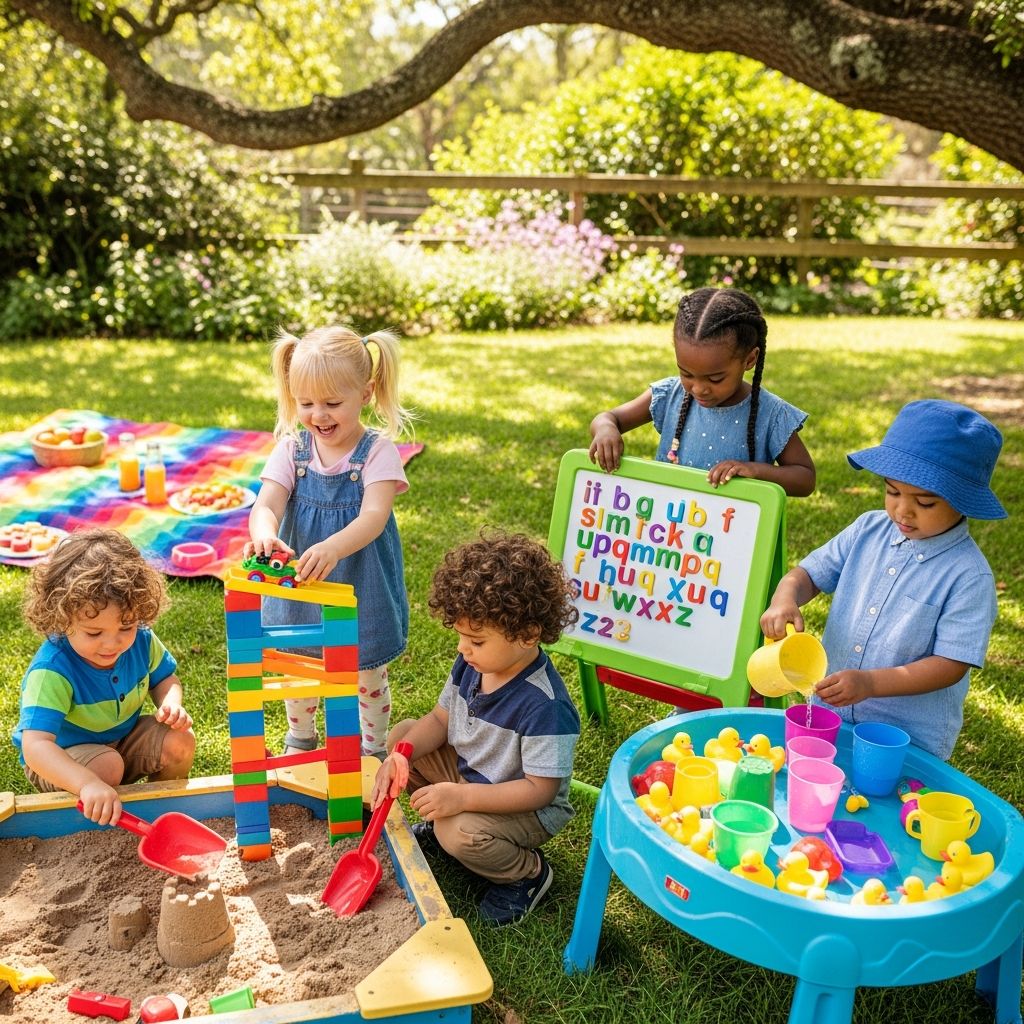
Playdates offer invaluable opportunities for young children to build social connections, practice sharing, and explore their world through play. For toddlers and preschoolers aged 1 to 5, these gatherings can be structured around simple, stimulating activities that cater to their developmental stages. This guide presents a fresh collection of ideas, drawing from proven strategies to ensure every playdate is a hit. Whether indoors on rainy days or outdoors in the sunshine, these activities encourage imagination, physical activity, and cognitive growth while giving parents time to connect.
Why Playdates Matter for Early Development
Research from child development experts highlights how unstructured play with peers fosters essential skills. Social interactions during playdates help children learn empathy, turn-taking, and conflict resolution. Physical games build gross motor skills, while crafts enhance fine motor control and creativity. According to the American Academy of Pediatrics, play is crucial for healthy brain development, supporting emotional regulation and problem-solving abilities.
Planning ahead makes playdates smoother. Consider group size—aim for 2-4 children to avoid overwhelm—and match activities to ages. Provide snacks, supervise closely, and have a cleanup plan. Themes can tie activities together, making the event feel special without extra effort.
Sensory Exploration Stations
Sensory play captivates young minds by engaging touch, sight, smell, and sound. These setups are low-cost and adaptable for home or park settings.
- Ocean Depths Discovery Bin: Fill a large container with blue water beads or rice dyed blue, add toy fish, seashells, and scoops. Children dig for ‘treasures’ like plastic pearls, learning about marine life through pretend play.
- Farm Animal Dig: Use kinetic sand mixed with farm toys—tractors, animals, fences. Hide small veggies for ‘harvesting,’ promoting imaginative farming scenarios.
- Construction Zone Chaos: Layer shredded paper with toy trucks and blocks. Kids ‘build roads’ and ‘demolish’ structures, honing hand-eye coordination.
- Nature Treasure Hunt Bin: Collect leaves, pinecones, and stones in a bin of oats. Provide magnifiers for close inspection, sparking curiosity about the outdoors.
- Rainbow Rice Party: Color rice in spectrum hues, add funnels and bottles. Pouring and mixing teaches color blending and measurement basics.
These bins keep little ones engaged for 30-45 minutes. Rotate toys to maintain interest, and use trays for mess containment.
Outdoor Adventure Games
Fresh air amplifies energy release. These games work in backyards, parks, or driveways, promoting physical health as recommended by the CDC for daily active play.
- Bubble Bonanza Relay: Set up sprinklers or a kiddie pool, unleash a bubble machine. Kids chase bubbles in teams, practicing gross motor skills and laughter-filled cooperation.
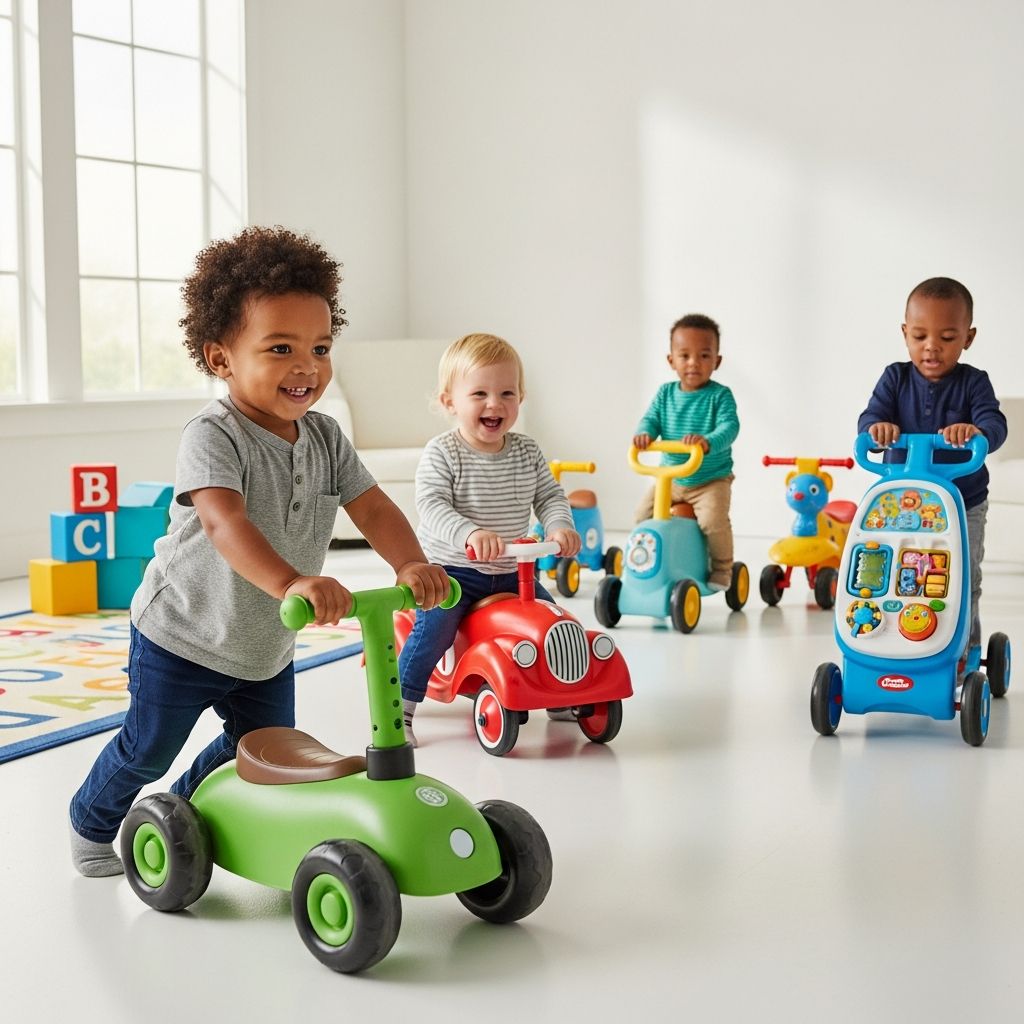
- Ride-Along Rally: Gather scooters, tricycles, or ride-ons for a driveway parade. Add cones for an obstacle course, teaching navigation and balance.
- Parachute Play Party: Use a bedsheet as a parachute with balls on top. Lift, shake, and pop underneath for giggles and teamwork.
- Scavenger Sprint: Create a nature hunt list—red leaf, smooth rock, twig. Racing to find items encourages observation and speed.
- Kick and Toss Tournament: Soft balls and hula hoops for targets. Alternate kicking and throwing to develop bilateral coordination.
Outdoor sessions build resilience to weather changes and vitamin D levels from sunlight exposure.
Creative Craft Corners
Arts and crafts allow self-expression. Stock stations with washable supplies for stress-free fun.
| Age Group | Craft Idea | Materials Needed | Skills Developed |
|---|---|---|---|
| 1-2 Years | Fingerprint Flowers | Washable paints, paper, stickers | Fine motor, color recognition |
| 2-3 Years | Collage Creatures | Glue sticks, magazines, cardboard | Creativity, scissor safety intro |
| 3-4 Years | Bead Necklaces | String, large beads, markers | Patterning, dexterity |
| 4-5 Years | Paper Plate Masks | Plates, feathers, yarn, crayons | Storytelling, symmetry |
Encourage free-form creation over perfection. Display finished works to boost pride.
Themed Playdate Extravaganzas
Themes add excitement. Pick seasonal or character-based motifs for immersive play.
- Superhero Training Camp: Capes from old t-shirts, obstacle courses with tunnels and hoops. Role-play rescues to build confidence.
- Garden Grow-Along: Plant seeds in cups with soil, decorate pots. Watch growth over weeks, teaching patience and biology.
- Picnic Storytime: Blankets, finger foods, books. Read aloud then act out stories with props.
- Movie Magic Afternoon: Short animated film, follow with related drawings or snacks like ‘character cookies.’
- Holiday Helper Workshop: Simple ornaments or cards, tying into upcoming events for family involvement.
Send home a themed takeaway, like a planted pot, for lasting memories.
Indoor Rainy Day Rescues
When weather confines indoors, these keep energy channeled positively.
- Balloon Volleyball: Balloons and string dividers for no-contact sports.
- Fort Building Frenzy: Blankets, chairs, flashlights for cozy hideouts.
- Music Maker Jam: Pots, spoons, shakers for a band session.
- Puzzle Parade: Large-floor puzzles shared in rotation.
- Shadow Puppet Show: Wall projector with hands and toys for storytelling.
Maintain structure with timers to transition smoothly.
Snack Time and Social Snacks
Food breaks reinforce sharing. Opt for healthy, finger-friendly options.
- Ants on a log (celery, peanut butter, raisins)
- Fruit kebabs with cheese cubes
- Yogurt parfaits in clear cups
- Veggie stamp art with dips
Involve kids in assembly for ownership.
Frequently Asked Questions
What if kids have different ages?
Scale activities: simpler for toddlers, added challenges for preschoolers. Pair similarly aged pairs.
How long should a playdate last?
1-2 hours for under 3s; 2-3 hours for older. Watch for fatigue cues.
What about allergies or dietary needs?
Ask parents in advance; have alternatives ready.
Ideas for large groups?
Stations rotate kids; use playgrounds for space.
How to handle conflicts?
Model calm intervention, teach words like ‘my turn.’
Essential Playdate Supplies Checklist
- Washable markers, crayons, playdough
- Bubbles, balls, ride-ons
- Sensory fillers: rice, beans, water beads
- Crafts: glue, paper, stickers
- Snacks: fruit, crackers, water
- Cleanup: wipes, trash bags
Prep the night before for seamless hosting.
References
- Active Play and Child Development — Centers for Disease Control and Prevention (CDC). 2024-06-15. https://www.cdc.gov/child-development/play.html
- The Power of Play: A Pediatric Role in Enhancing Development — American Academy of Pediatrics. 2023-11-01. https://publications.aap.org/pediatrics/article/142/3/e20182058/38548
- Early Childhood Sensory Play Guidelines — Zero to Three. 2025-02-10. https://www.zerotothree.org/resource/sensory-play
- Physical Activity Recommendations for Young Children — World Health Organization (WHO). 2024-04-20. https://www.who.int/news-room/fact-sheets/detail/physical-activity
- Social-Emotional Learning Through Play — National Association for the Education of Young Children (NAEYC). 2025-01-05. https://www.naeyc.org/resources/pubs/yc/mar2017/social-emotional-learning