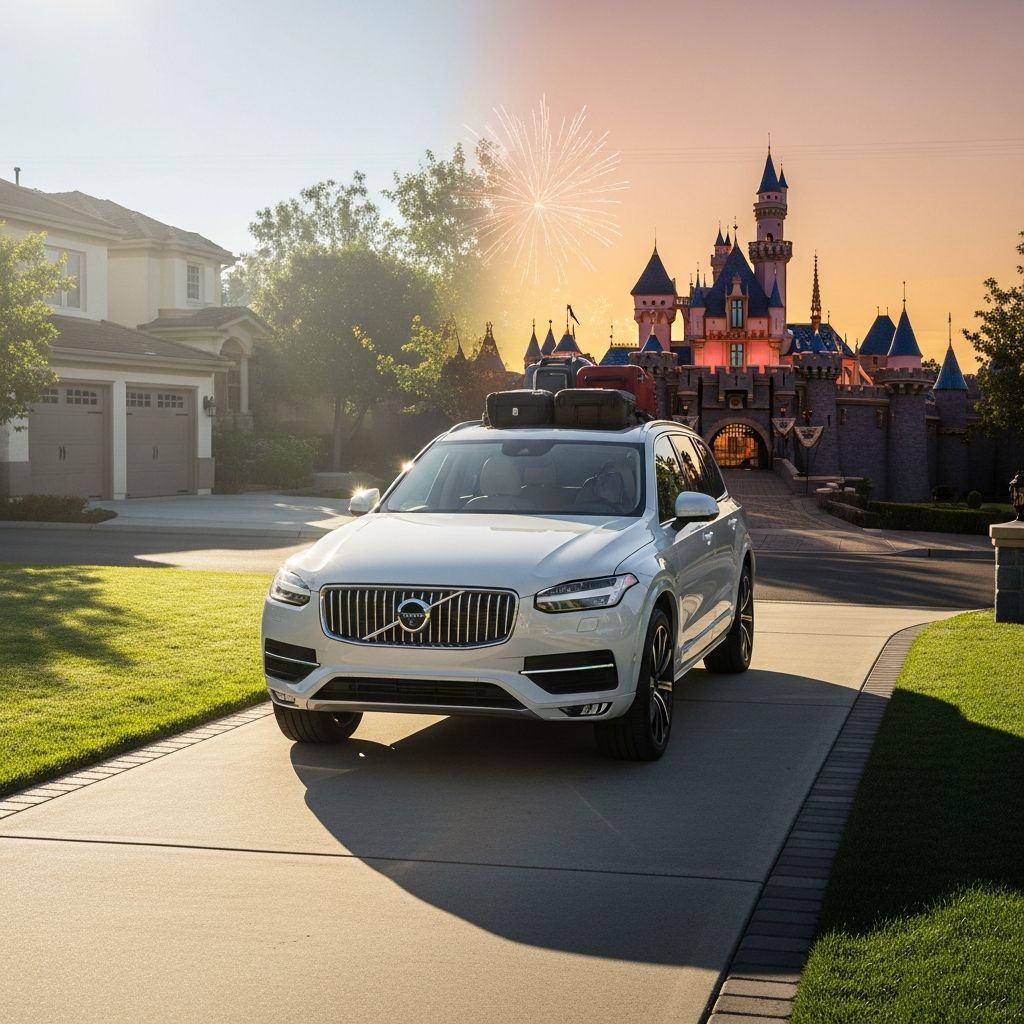
For many families, the drive to Disneyland is long enough to be stressful but short enough that flying feels like overkill. A well-equipped luxury crossover can flip that equation, turning the hours on the highway into a calm, comfortable, even memorable part of the vacation instead of something to survive.
This guide walks through how to plan a family road trip to Disneyland (or any similar destination) using a three-row luxury crossover as your home on wheels. The focus is not on a specific model, but on the types of features, habits, and hacks that make the journey smoother for parents and more fun for kids.
Why the Right Vehicle Changes Everything
On a long family drive, the vehicle is more than transportation. It becomes a rolling living room, snack bar, toy bin, and occasional nap pod. Comfort, space, and smart technology directly influence everyone’s mood by the time you pull into the hotel parking lot.
Choosing a roomy crossover with thoughtful amenities can reduce sibling fights, motion sickness, and your own fatigue. Instead of arriving exhausted, you step out feeling like you have already had a little vacation on the way there.
Key Comfort Features to Look For
- Three-row seating: Gives kids room to spread out and allows you to separate feuding siblings when necessary.
- Adjustable climate zones: Multi-zone climate control lets front and rear passengers set their own temperature, critical when one child runs hot and another is always cold.
- Supportive seats: Power-adjustable, well-bolstered seats with lumbar support help reduce parent back pain over hours of driving.
- Quiet cabin: Good sound insulation reduces wind and road noise, making it easier for kids to nap and adults to relax.
- Plentiful cupholders and storage: Enough spaces for water bottles, snacks, toys, and chargers keeps chaos under control.
Planning the Route with Kids in Mind
Adults may want to power through the drive in as few stops as possible. Kids, however, experience time differently. A trip that looks like six manageable hours on a map can feel endless in the back seat if it is just straight highway with no breaks or variety.
Planning the route around rest stops, scenic viewpoints, and kid-friendly breaks transforms the drive into a series of short adventures rather than one long slog.
How to Break Up the Drive
- Divide the day into 60–90 minute segments: Plan a micro-activity, snack, or new toy for each segment to mark time.
- Alternate “quiet time” and “active time” stops: Some breaks are for running around; others can be for bathroom, stretching, and reloading snacks.
- Schedule at least one longer stop: Find a playground, regional park, or quirky roadside attraction where kids can burn energy for 30–45 minutes.
- Aim to arrive before bedtime meltdowns: Prioritize an early arrival over squeezing in one more stop or errand near the destination.
Packing the Car: A Family-Friendly System
In a spacious crossover, it is tempting to just toss everything in the back and go. A little structure, though, pays off after the first spilled drink or lost lovey. Think of the car in zones: driver zone, front passenger zone, kids’ reachable zone, and trunk zone.
Packing by zone ensures the things you need most often are within reach, while rarely used items are stored deeper. This reduces mid-trip digging and keeps the cabin relatively calm and uncluttered.
Essential Packing Zones and What Goes Where
| Zone | Who Uses It | What to Store |
|---|---|---|
| Driver area | Driver only | Navigation device or phone mount, sunglasses, water bottle, hands-free controls, toll transponder. |
| Front passenger area | Co-pilot parent | Trip binder, park reservations, wet wipes, napkins, trash bag, small first aid kit, charging cables. |
| Kids’ reachable zone | Children in rows 2 and 3 | Snack box, water bottles, small toys, headphones, blankets, travel pillows. |
| Trunk / cargo space | Adults only | Luggage, stroller, cooler, extra diapers, spare clothes bag, picnic blanket, emergency kit. |
Smart Packing Tips for Parents
- Create a “grab-now” bag: Pack one medium tote with a change of clothes for each child, light jackets, and basic toiletries so you do not need to unpack full suitcases for a one-night stop.
- Use clear pouches: Transparent zip pouches for crayons, small figures, and cards help kids find what they want without dumping everything out.
- Label rows: Assign each row of seats its own soft-sided caddy or small bin so kids know exactly where their items go back at the end of the day.
- Keep a dedicated trash solution: A small lidded bin or heavy-duty bag attached behind the front seat keeps wrappers from spreading everywhere.
Entertainment Strategies That Outlast the Highway
Even with a built-in entertainment system, relying entirely on screens often leads to cranky, overstimulated kids. A mix of low-tech and high-tech entertainment, planned in advance, keeps boredom at bay and gives parents some control over noise levels.
Use the crossover’s charging ports, Bluetooth, and sound system to your advantage, but balance them with tactile and creative activities that work well in a moving vehicle.
Screen and Non-Screen Activity Ideas
- Download before you go: Load movies, shows, and audiobooks onto devices ahead of time so you are not relying on spotty cellular data.
- Set up personal listening: Provide headphones for each child so adults can enjoy quieter front seats and conversations.
- Prepare travel-only toys: Introduce a few small, inexpensive items (sticker books, magnetic games, fidget toys) that only appear on car trips to maintain novelty.
- Rotate activity bags: Instead of dumping everything out at once, hand out one small pouch at a time and trade them between children at each stop.
- Lean into audio: Family-friendly podcasts and audiobooks let kids look out the window or rest their eyes while still engaged in a story.
Snacks, Meals, and Managing the “I’m Hungry” Chorus
Food can create either peace or chaos on a road trip. The goal is to prevent blood sugar crashes while avoiding a carpet of crumbs and sticky cupholders. Your crossover’s cupholders, center console, and any built-in cooler space can all be part of a sensible snack strategy.
Think of snacks as scheduled mini-meals rather than constant grazing. This reduces nausea, bathroom emergencies, and arguments about “just one more treat.”
Snack Strategy That Actually Works
- Pack individual snack kits: Give each child their own small container with a mix of protein, whole grains, and a small treat to cut down on fighting over portions.
- Prioritize low-mess options: Choose sturdy snacks (cheese sticks, crackers, sliced apples, trail mix without chocolate) over crumbly pastries or frosting-covered treats.
- Use spill-resistant bottles: Invest in good water bottles that fit securely in cupholders to protect upholstery.
- Keep a “front-seat pantry”: Store refills in a soft cooler or insulated bag within reach of the front passenger rather than buried in the trunk.
Safety and Sanity: Using Modern Car Tech Wisely
Luxury crossovers often include driver-assist features like adaptive cruise control, lane-keeping support, blind-spot monitoring, and rear-view cameras. When used thoughtfully, these tools can ease the strain of long highway miles and reduce the risk of accidents.
They do not replace a focused human driver, but they can act as an extra set of eyes and a gentle reminder when fatigue starts to creep in.
Driver-Assist Features That Help on a Road Trip
- Adaptive cruise control: Automatically adjusts your speed to maintain a safe following distance, reducing the need for constant pedal adjustments in traffic.
- Lane-keeping support: Warns or gently nudges the vehicle if you begin to drift, especially helpful during long, straight stretches of road.
- Blind-spot monitoring: Increases your awareness during lane changes when the back of the car is packed and rear visibility is limited.
- Rear camera and sensors: Make parking at crowded rest stops, hotels, and theme-park structures much less stressful.
Car Seat and Kid Safety Basics
- Double-check installations: Confirm car seats are properly attached using LATCH or seat belts, and that harnesses are snug before departure.
- Assign a safety captain: The front passenger can be responsible for regular checks on buckles, seat posture, and loose items that might become projectiles.
- Secure luggage: Heavy items should always be anchored low in the cargo area so they cannot shift forward during sudden braking.
Preparing for Arrival at Disneyland
Rolling into the Disneyland area, you move from open highways to multi-lane city streets, crowded parking structures, and excited children desperate to see the castle. A little planning for the final phase keeps everyone from unraveling right when the magic is in sight.
Use your vehicle’s navigation, parking aids, and storage layout to make the transition from road trip to theme-park day as seamless as possible.
Last-Leg Strategies
- Switch to park-day mode: During the last stop before the park, reorganize the interior: park bag near the door, hats and sunscreen accessible, jackets stowed.
- Review parking details: Note your parking level and section on your phone and, if possible, snap a quick photo of the area.
- Set expectations: Remind kids that there may be a wait to get through parking, trams, and security, even though they can see the attractions.
Making the Car Feel Like a Calm, Familiar Space
When a crossover becomes the family base camp, kids often relax more deeply there than in unfamiliar hotel rooms. Small touches can transform a generic interior into a space that feels safe, predictable, and cozy.
This “home on wheels” feeling becomes especially valuable on the return drive, when everyone is tired from days of rides, parades, and late-night fireworks.
Comfort Rituals that Help Kids Settle
- Assign seats and keep them: Once everyone has a spot, avoid reshuffling unless necessary so kids build routines around their space.
- Pack familiar bedding: Small pillows, favorite blankets, or even pillowcases from home can make car naps far easier.
- Create a closing routine: At the end of each driving day, have kids help pick up trash, return toys to bins, and plug in devices to charge so the next morning starts fresh.
Frequently Asked Questions
How far is “too far” to drive with young kids?
The answer depends on your children’s ages, personalities, and your own stamina. Many families find that six to eight hours of total driving time, including breaks, is the upper limit for a single day with elementary-aged kids. If the map suggests a longer trip, consider splitting it over two days with an overnight stop that includes a pool or playground.
Is a luxury crossover really necessary, or will any car do?
Plenty of families successfully road-trip in compact vehicles and older sedans. What a luxury crossover offers is a margin of comfort and convenience: extra space to separate siblings, more storage for gear, quieter cabins, and technology that can ease driver fatigue. Those upgrades do not make or break the trip, but they can make the difference between “never again” and “let’s do this every year.”
How do we handle motion sickness on long drives?
Seat children who are prone to motion sickness closer to the front, encourage them to look out the window instead of down at screens, and keep the cabin cool with good airflow. Light, bland snacks and frequent fresh-air breaks help, and you can ask a pediatrician about appropriate medications or remedies before the trip if car sickness has been an issue in the past.
What is the best time of day to start driving?
Many parents like to leave very early in the morning so kids can log a few hours of drowsy quiet time before fully waking up. Others prefer departing after breakfast to avoid driving in the dark. Choose a window when you, the driver, feel alert and when your kids are least likely to be at their crankiest, then build meals and planned stops around that schedule.
How do we keep the car from getting destroyed by the end of the week?
Accept that some mess is inevitable, but use low-effort routines to keep it under control. A small trash solution, a quick five-minute tidy-up at every gas stop, and a daily “reset” at the hotel (shaking out floor mats, gathering stray toys, tossing wrappers) can keep the interior livable and avoid a huge clean-up project when you get back home.
With a thoughtful packing plan, a kid-friendly route, and a comfortable crossover, the drive to Disneyland can feel less like an obstacle and more like the prologue to the main story. The ride becomes part of the experience—full of small, shared moments that your family may remember just as clearly as the rides and fireworks.