Every child possesses motivation, but it may direct toward avoidance or resistance rather than productive tasks. Parents often label this as laziness, yet understanding the underlying dynamics reveals opportunities for positive change. This article explores actionable methods to redirect that energy, drawing from expert insights on fostering self-reliance and accountability.
Understanding the Roots of Resistance
Reluctant behavior in children frequently stems from a desire for control. When kids appear unmotivated to complete homework or chores, they might actually be motivated to assert independence by doing nothing. Yelling or arguing amplifies this power struggle, handing more control to the child. Instead, recognize that all behavior serves a purpose—often, inaction resists parental pressure.
Bright children can excel in low-effort areas like video games while struggling with demanding tasks. Overwhelm from basic responsibilities, such as walking alone or making decisions, contributes to avoidance. These patterns risk developmental delays in social skills and resilience if unaddressed. Early intervention through challenge and autonomy builds emotional strength.
Building a Foundation with Clear Communication
Start by stating expectations directly using “I” statements to avoid blame. For instance, say, “I want you to start your homework now,” then step away. This clarity removes ambiguity and prevents debates.
- Specify tasks precisely: Explain how to fold laundry or organize a backpack.
- Model the process: Demonstrate once, then observe.
- Ignore excuses: Phrases like “I don’t care” are bids for control; respond with consistent action, not reaction.
Consistency is key. Children test boundaries, but repeated clear directives paired with follow-through teach reliability.
The Power of Positive Reinforcement
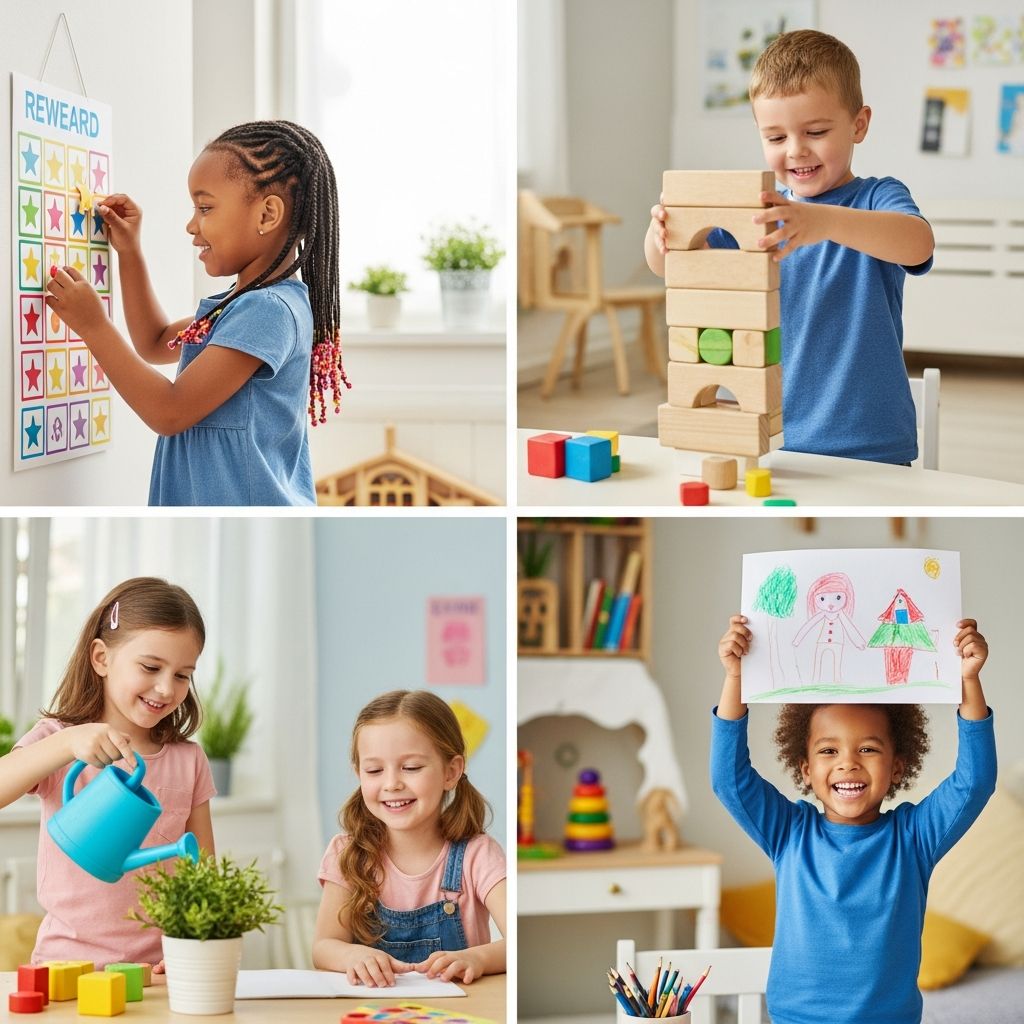
Rewards outperform punishments for resistant kids. Focus on effort rather than perfection to boost self-esteem. Praise specific actions, such as “You finished that math sheet quickly—great focus!” This encourages repetition without fostering entitlement.
Implement a simple system:
| Grade/Outcome | Reward | Consequence |
|---|---|---|
| A or B | Extra playtime or small treat | None |
| C | No reward | No penalty |
| F | Loss of privilege | Practice session |
Such structures motivate through aspiration, not fear. Over time, children internalize success as its own reward.
Fostering Independence as a Catalyst
Autonomy combats avoidance. Allow children to select challenging activities they desire, even if risky, to build competence. A child afraid of showers might first walk to a friend’s house alone, gaining confidence incrementally.
Practical steps include:
- Ask: “What independent adventure interests you?” Options like pogo sticking or cooking build skills.
- Start small: Supervised at first, then fade back.
- Embrace discomfort: Tree climbing or biking fosters resilience.
- Normalize with peers: Group playdates without hovering.
Independence activities act as a “multivitamin” for growth, enhancing autonomy, mastery, and connections.
Navigating Resistance and Getting Unstuck
When excuses arise, stay calm. Restate the directive and enforce natural outcomes, like no dinner until chores done. For stuck moments, inquire gently: “What’s holding you back?” Brainstorm solutions together, then let them execute.
Make tasks engaging: Play music during cleaning or chunk homework with breaks. Device-free zones promote unstructured play, vital for well-being.
Long-Term Habits for Sustained Motivation
Shift from pressure to partnership. Team with other parents for group independence challenges. Track progress in a family chart to visualize gains.
Exercise and peer interaction mimic “dog years” of development—rough play builds emotional muscles. Prioritize daily movement over screen time.
Patience yields results. Most children respond to accountability, developing problem-solving as consequences teach better choices.
Frequently Asked Questions
What if my child ignores consequences?
Persist calmly. They may claim indifference initially, but consistent application makes compliance preferable.
How do I encourage a screen-addicted child?
Propose self-chosen alternatives: “What solo activity excites you?” Support without hovering.
Is positive reinforcement bribery?
No—it’s scaffolding toward intrinsic drive. Fade rewards as habits form.
When should I seek professional help?
If avoidance persists despite strategies, consult for underlying issues like anxiety.
How much independence is too much?
Age-appropriate risks: 8-year-olds can cook simply; teens manage schedules. Gauge by confidence growth.
Case Studies: Real Transformations
Jeremy, labeled lazy, thrived in paintball, sparking broader engagement. An 8-year-old overcame fears via friend walks and cooking. A resistant student earned A’s through reward systems. These illustrate mindset shifts’ impact.
In summary, motivate by clarifying motives, rewarding efforts, granting autonomy, and enforcing calmly. Parents hold the key—step back to let growth emerge.
References
- Avoidant, Unmotivated, Stuck? What Kids Need to Move Forward — ParentMap. 2023. https://www.parentmap.com/article/how-to-motivate-languishing-kids
- How to Motivate the Unmotivated Child — Empowering Parents. 2023. https://www.empoweringparents.com/article/motivating-the-unmotivated-child/
- How To Motivate a Child Who Seems Lazy — Emora Health. 2024. https://www.emorahealth.com/resources/how-to-motivate-a-child-who-seems-lazy
- How to Encourage Self-Motivation in Your Child — CASRF. 2023. https://www.casrf.org/post/how-to-encourage-self-motivation-in-your-child
- Science-Based Approaches for Parents, Caregivers, and Teachers — Harvard Center on the Developing Child. 2023. https://developingchild.harvard.edu/resources/briefs/how-to-motivate-children-science-based-approaches-for-parents-caregivers-and-teachers/