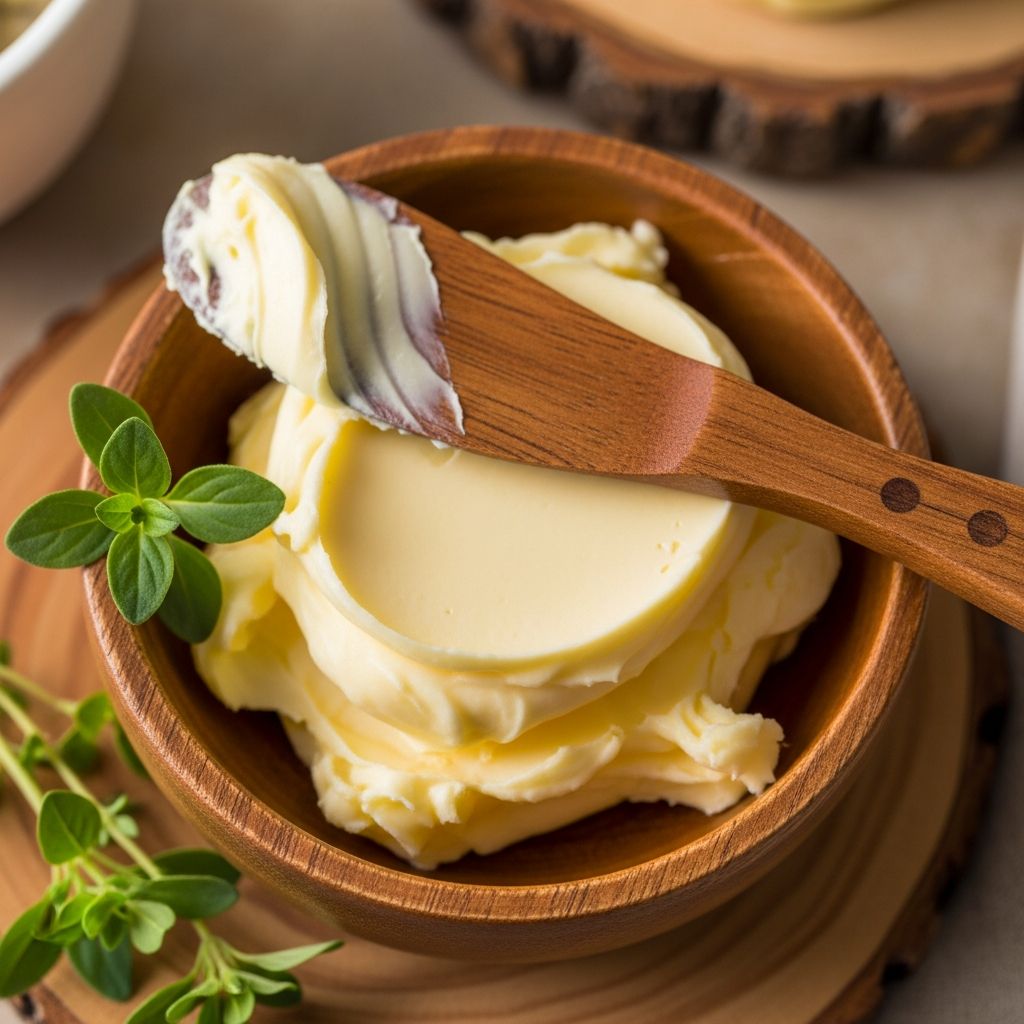
Many breastfeeding moms eventually end up with more pumped milk than their baby can reasonably drink, especially if they pump at work or respond quickly to an early oversupply. In addition to donating or cooking with breast milk, one creative option some parents explore is making breast milk butter, a novelty food that highlights just how rich and fatty human milk can be.
What Is Breast Milk Butter?
Breast milk butter is a soft, spreadable fat made by agitating high-fat breast milk until the fat globules clump together, much like making traditional butter from cream. Because breast milk naturally contains fat, protein, and water, prolonged shaking, churning, or whipping can gradually separate and concentrate the fat phase into a buttery mass. The resulting spread is usually very pale and lightly sweet, reflecting the natural color and taste of human milk.
Most parents treat breast milk butter as a fun kitchen experiment or sentimental keepsake rather than a staple food. Some may offer a tiny taste on toast or crackers, while others simply enjoy the process as a quirky way to celebrate their breastfeeding journey. It is not a medical necessity, and it should never replace an infant’s primary feeds or a well-balanced diet.
Reasons Moms Consider Making Breast Milk Butter
Not every parent will feel comfortable turning human milk into a novelty food, but those who do often have specific motivations. Understanding these reasons can help you decide whether this project fits your values, resources, and comfort level.
- Sentimental value: Some moms like the idea of preserving or using a small portion of milk as a unique reminder of the breastfeeding season.
- Curiosity and science play: Turning milk into butter can feel like an at-home science experiment that demonstrates how fat separates and clumps, similar to cream-based butter.
- Handling small surplus batches: If milk is near the end of its storage window and not ideal for regular feeding, some parents prefer experimenting with it instead of discarding it.
- Involving a partner or older siblings: Churning can be a family activity that helps others feel connected to the feeding journey, as long as everyone respects hygiene and safety.
These motivations are personal and subjective. If the idea feels wasteful, uncomfortable, or culturally insensitive to you, it is completely valid to skip it and pursue other uses for surplus milk.
Ethical and Emotional Considerations
Breast milk carries a powerful emotional and cultural weight. For some, using it in a novelty food feels celebratory; for others, it can feel trivializing. It is important to reflect on your own beliefs and talk with your partner or support network before deciding to make breast milk butter. Consider whether the project aligns with how you want to honor your time, effort, and body.
Think, too, about how you use surplus milk compared with other options. Many regions have donor milk banks or community sharing networks that prioritize feeding vulnerable infants. If you have a large surplus, you may prefer to donate the bulk of it and reserve only a very small amount for personal experiments or keepsakes.
Safety, Hygiene, and Common-Sense Precautions
Breast milk is a bodily fluid and should be handled with the same care you would bring to food preparation. Before making breast milk butter, wash your hands thoroughly, use clean or sterilized containers, and avoid cross-contamination from raw meats or other high-risk foods. Any milk that smells off, has been stored beyond recommended time frames, or has been left out at room temperature too long should not be used.
Only the milk’s original producer, their intimate partner (if both are comfortable), or the child for whom the milk was pumped should consider tasting it. Serving human milk products to guests or unsuspecting individuals raises serious ethical and consent concerns and, in some jurisdictions, could violate food and health regulations. Always be transparent and respectful about what is in any dish that contains human milk.
Choosing Which Milk to Use
If you decide to proceed, aim to use milk that is still within safe storage guidelines and has been handled carefully from the start. Milk that has been kept in the back of the refrigerator for several days or is nearing the end of its freezer life is often a candidate. Avoid using any bags that have been repeatedly thawed and refrozen or that show obvious freezer burn, leakage, or damaged seals.
High-fat milk tends to yield better results, so many parents choose freshly pumped milk from later in the day or milk that clearly shows a distinct creamy layer after sitting in the fridge. Colostrum and early transitional milk are typically too precious nutritionally and emotionally to repurpose, so most parents reserve those for direct feeding whenever possible.
Equipment and Supplies You Will Need
The basic equipment is simple and similar to what you might use when making traditional butter from cream. Selecting the right jar or mixing tool helps the process go more smoothly and reduces mess.
- Clean jar with a tight lid: A small glass jar (such as a Mason jar) that can be sealed securely is ideal for hand-churning.
- Sufficient headspace: Only fill the jar half to two-thirds full so the milk can move and agitate properly.
- Optional strainer or cheesecloth: These can help you separate the solid butter from leftover liquid.
- Clean spoon or spatula: Useful for gathering the butter into a lump and transferring it to storage.
- Labeling materials: A piece of tape and a pen help you mark the container so no one mistakes it for regular butter.
Step-by-Step: How to Make Breast Milk Butter
The classic method uses agitation alone to separate the fat from the liquid. It can take patience, but many parents enjoy the transformation as they go from thin milk to a thicker, creamy spread.
- Prepare the milk and jar. Gently swirl your chilled breast milk to mix the fat layer without introducing bubbles, then pour it into a clean jar, leaving ample space at the top.
- Seal the jar tightly. Check that the lid is secure so milk will not leak while you shake. A ring-and-lid Mason jar or a swing-top bottle with a gasket both work well.
- Begin shaking. Shake the jar vigorously in all directions. You can roll it between your hands, move it up and down, or pass it back and forth with a partner or older child.
- Watch for consistency changes. At first, the milk will feel light and sloshy. Over time, it typically thickens to a whipped-cream-like stage before fat clumps begin to form.
- Continue until butter forms. Eventually, you should see small, pale clumps of fat separating from a more watery liquid. When the clumps hold together and no longer disperse easily, you have achieved a basic butter-like texture.
- Drain off the remaining liquid. Open the jar and carefully pour off the thin liquid, which some parents like to use in smoothies or discard.
- Press and shape the butter. Use a spoon, spatula, or clean fingers to press the soft mass together, squeezing out any remaining liquid. You can transfer it to a small ramekin, silicone mold, or butter dish.
The shaking phase can take a surprisingly long time, depending on the milk composition and how vigorously you shake. Some people report reaching a whipped stage within minutes, while others say it takes closer to half an hour with breaks. Treat it like a light workout and pacing exercise rather than something you must rush.
Texture, Color, and Taste: What to Expect
Breast milk butter usually looks quite different from the yellow patties sold in the grocery store. Because human milk often has a lower carotenoid content than cow’s cream, the finished butter tends to be very pale ivory or nearly white. It is typically softer and more spreadable than chilled dairy butter, especially right after churning.
The flavor is usually mild, slightly sweet, and sometimes described as faintly nutty or creamy. Individual diets, medications, and normal variations in milk composition can all influence taste. If you choose to try a tiny amount, do so with clean utensils and store the remainder promptly in the refrigerator.
Simple Ways to Use Breast Milk Butter
Many parents who make breast milk butter treat it as a one-time novelty, taking a few photos and tasting a small amount before discarding it or using it in a small recipe. If you feel comfortable consuming it, there are a few straightforward options that keep portions modest and manageable.
- Spread on toast or crackers: Use a thin layer on warm bread or a plain cracker for a simple tasting experience.
- Stir into cooked foods: Mix a spoonful into fully cooked oatmeal, mashed potatoes, or other dishes eaten by the milk’s producer or partner.
- Symbolic celebration: Some families use a tiny amount in a special dish for a breastfeeding milestone photo, treating it more like a ritual than a regular ingredient.
Do not use breast milk butter as a stealth ingredient in food for others who have not explicitly consented. Always label any container clearly and store it separately from cow’s milk butter to avoid confusion.
Breast Milk Butter vs. Regular Butter
While the churning process is similar, breast milk butter and conventional dairy butter differ significantly in their typical uses, nutritional profile, and social context. The table below highlights some key contrasts.
| Feature | Breast Milk Butter | Cow’s Milk Butter |
|---|---|---|
| Primary purpose | Personal experiment or sentimental use, not a staple food | Widely used cooking fat and spread in everyday diets |
| Typical color | Pale ivory to nearly white | Yellow to deep golden, depending on diet and additives |
| Typical consumers | Milk’s producer, intimate partner, or occasionally the child | General population, sold commercially and regulated as food |
| Scale of production | Made in tiny batches at home | Produced on industrial and artisanal scales for markets |
| Ethical considerations | Involves bodily fluid, consent, and donation trade-offs | Relates mainly to animal welfare and environmental impact |
Storage and Shelf Life
Once you have formed breast milk butter, treat it as a perishable homemade spread. Transfer it to a small, covered container, label it clearly, and store it in the refrigerator. Using a small, shallow dish helps you quickly spot any changes in color, odor, or texture that could suggest spoilage.
Because this is not a standardized product and may contain residual liquid, a conservative approach is wise. Plan to use or discard the butter within a few days, and err on the side of caution if anything seems off. Do not attempt to can, sell, or serve breast milk butter at public events or to people outside your immediate, informed household.
Alternatives for Surplus Breast Milk
If making butter does not appeal, there are many other ways to handle extra milk. Thinking about your priorities—whether nutritional, ethical, or practical—can help you choose the most satisfying option for your family.
- Milk donation: Many regions have milk banks or community networks that screen donors and distribute milk to premature or medically fragile infants.
- Cooking at home: Some parents use breast milk in pancakes, baked goods, or smoothies consumed by themselves or, with consent, by a partner.
- Topical use: Expressed milk is sometimes used on minor skin irritations, as a facial mask, or in homemade soaps and lotions.
- Memorial keepsakes: A small amount of milk can be preserved in jewelry or art pieces as a tangible reminder of the breastfeeding period.
Choosing an option that feels meaningful can transform surplus milk from a storage headache into a source of pride and connection. There is no single right answer, only what fits your family’s needs and values.
Frequently Asked Questions (FAQs)
Is breast milk butter safe to eat?
When made with properly stored milk in a clean environment and consumed by the milk’s producer or an informed adult partner, breast milk butter is generally similar in safety to any other home-prepared dish. However, there are no standardized guidelines, so you should always follow food safety common sense and discard anything that looks or smells questionable.
Can babies eat breast milk butter?
Healthy, full-term babies can typically consume breast milk in its normal liquid form, but adding novel textures such as butter should only be considered when they have already started solids and can safely manage new consistencies. Breast milk butter is unnecessary for infant nutrition and should never displace regular feeds or pediatrician-recommended foods.
How long does it take to make?
The time required varies widely. Some parents achieve a creamy stage within several minutes of vigorous shaking, while others report needing 20–30 minutes with breaks to see distinct butter-like clumps form. Factors such as milk fat content, volume, jar size, and shaking intensity all play a role.
Can I freeze breast milk butter?
In principle, you can freeze it in a tightly sealed container, just as you might freeze other fat-based spreads. Still, given the small quantities most parents produce and the lack of standardized safety data, many prefer to make tiny batches and use or discard them promptly instead of long-term storage.
Does diet affect the taste?
Yes. Human milk reflects aspects of the lactating parent’s diet, so strong flavors, spices, or very high-fat meals may subtly influence the taste and aroma of the butter. These variations are normal and do not automatically indicate any problem with the milk.
Should I feel guilty about using milk this way?
Guilt is common in parenting, especially around feeding, but there is no universal rule that says surplus milk must only be used in one specific way. If you have explored donation and met your baby’s needs, using a very small amount of extra milk for a personal project or ritual can be a valid choice. Trust your values, discuss it with your support system, and do what feels respectful of your time, effort, and body.
Breast milk butter is an unusual but memorable way some moms choose to honor their lactation journey and engage with the science of milk and fat. Whether you decide to try it or not, the very possibility highlights just how remarkable human milk is—rich, adaptable, and deeply personal.