Understanding the Concept of Gentle Cesarean Birth
For many expectant mothers, the discovery that they require a cesarean delivery can feel like a departure from their birth vision. However, modern obstetric practice has evolved to recognize that surgical delivery does not necessarily mean abandoning the principles of family-centered, physiologically-informed care. A gentle cesarean, also referred to as a natural cesarean or family-centered cesarean section, represents a philosophical shift in how surgical delivery is approached. Rather than viewing cesarean birth as purely a medical intervention disconnected from natural birth experiences, this approach integrates evidence-based practices that honor the emotional and physical needs of both mother and newborn during the surgical delivery process.
The gentle cesarean movement emerged from research highlighting how specific modifications to standard cesarean procedures can enhance the birthing experience without compromising safety. These modifications focus on maintaining connection between parent and child, reducing unnecessary medical interventions where clinically appropriate, and supporting the physiological processes that naturally occur during and after birth. For women who planned a vaginal delivery but require surgical intervention, or those who choose cesarean birth for personal reasons, this approach offers a way to reclaim elements of the birth experience they value most.
Core Principles of Gentle Cesarean Delivery
The philosophy underlying gentle cesarean birth rests on several key principles that distinguish it from conventional surgical approaches. These principles emphasize respect for the birthing person’s autonomy, recognition of the newborn’s developmental needs, and integration of evidence-based practices that support bonding and physiological adjustment to extrauterine life.
- Minimizing unnecessary interventions: This involves carefully evaluating which medical procedures are truly essential and which might be deferred or modified. For instance, some hospitals practicing gentle cesarean birth allow mothers greater flexibility in anesthesia choices or positioning during surgery when medically safe.
- Prioritizing immediate bonding: Creating opportunities for skin-to-skin contact and parent-child interaction immediately following delivery, even in the operating room setting when possible, supports the cascade of hormonal and psychological bonding processes.
- Respecting physiological processes: Gentle cesarean acknowledges that even though the baby is surgically delivered, many natural postpartum processes—including the release of oxytocin, initiation of breastfeeding, and thermoregulation—remain important and should be supported.
- Transparent communication: Informed consent and detailed conversations about the birth plan between the pregnant person, their partner, and the medical team ensure everyone understands the available options and the reasoning behind recommendations.
- Supportive environment: Creating a calm, respectful atmosphere in the operating room through controlled lighting, reduced noise, and the presence of birth partners contributes to a more positive birth experience.
Key Practices in Gentle Cesarean Birth
Several specific practices distinguish gentle cesarean from standard surgical delivery protocols. These evidence-based modifications can be implemented individually or as part of a comprehensive gentle cesarean program, depending on the specific clinical situation and institutional protocols.
Delayed Cord Clamping
One of the most significant practices in gentle cesarean birth is the delay of umbilical cord clamping. Rather than clamping the cord immediately after the baby is delivered, waiting 30 to 60 seconds (or longer when clinically appropriate) allows residual blood in the placenta to transfer to the newborn. This practice increases the infant’s blood volume and iron stores, supporting better oxygen delivery and reducing the risk of anemia in early infancy. Delayed cord clamping during cesarean birth is increasingly recognized as safe and beneficial, supported by major obstetric organizations when there are no contraindications such as placental abruption or maternal-fetal blood group incompatibility.
Immediate Skin-to-Skin Contact
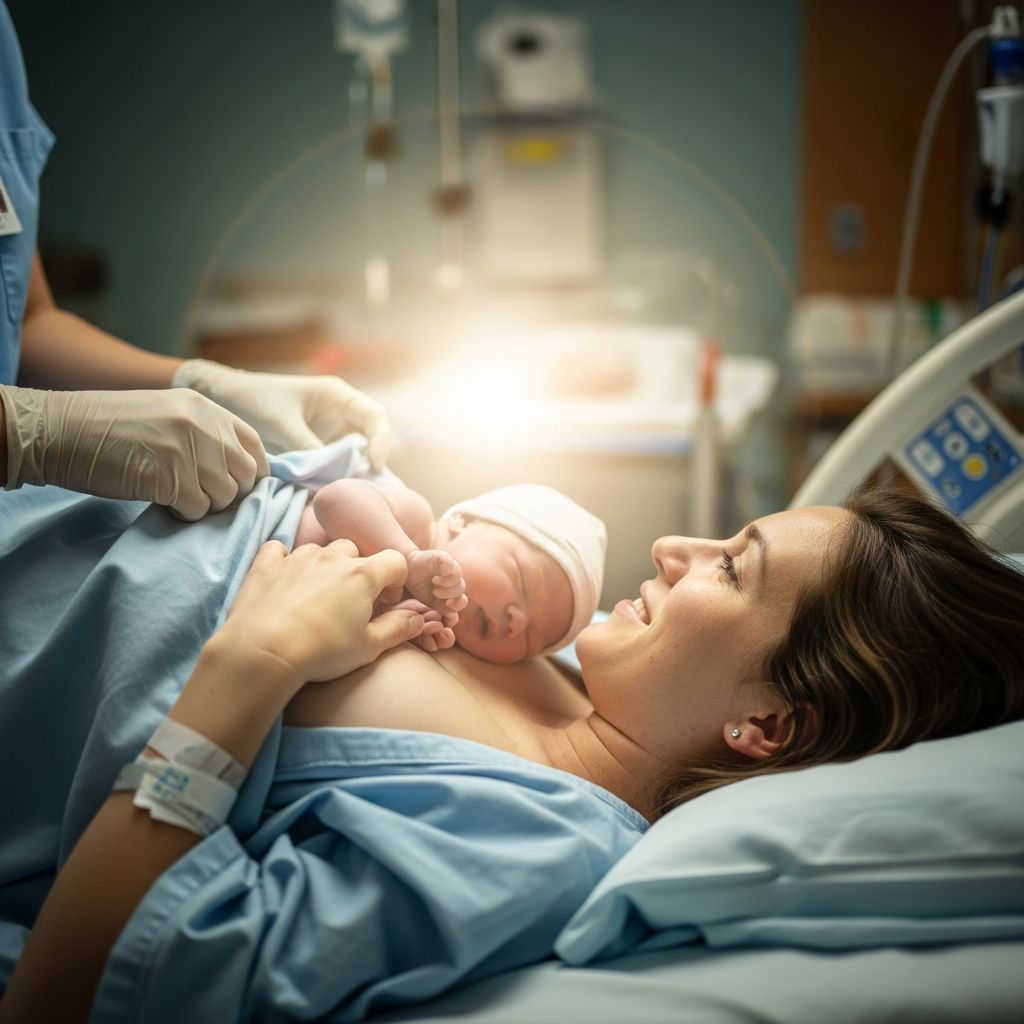
Skin-to-skin contact immediately following delivery, while the umbilical cord is still intact when possible, facilitates multiple physiological and psychological benefits. This practice helps regulate the newborn’s temperature, heart rate, and breathing patterns. It also initiates the sensory experiences—warmth, familiar odors, and parental touch—that trigger bonding hormones in both parent and child. In many gentle cesarean programs, the infant is placed directly on the mother’s chest in the operating room or immediately afterward in the recovery area, allowing breastfeeding attempts to begin naturally rather than being delayed until the mother has fully recovered from anesthesia.
Modifications to Standard Anesthesia
While spinal or epidural anesthesia remains necessary for safe surgical delivery, gentle cesarean birth explores how anesthesia protocols can be adjusted to support early bonding. Some approaches include using anesthetics that minimize the degree of maternal drowsiness following delivery, allowing mothers to be more alert and responsive to their newborns. Others involve discussing with the anesthesiologist whether certain medications can be adjusted or deferred based on individual preferences and clinical appropriateness.
Controlled Environment in the Operating Room
The sensory environment during surgical delivery influences the emotional experience of birth. Gentle cesarean birth may involve dimming the overhead surgical lights momentarily as the baby emerges, reducing unnecessary noise and conversation, or allowing parents to bring meaningful items into the operating room. Some institutions permit birth partners to remain in close proximity and even cut the umbilical cord, similar to vaginal birth practices. While maintaining strict surgical protocols and safety standards, these environmental modifications help create a more intimate birth experience within the medical setting.
Comparing Recovery and Outcomes Between Birth Methods
Understanding how gentle cesarean birth compares to standard cesarean delivery and vaginal birth helps expectant parents make informed decisions aligned with their values and circumstances.
| Aspect | Vaginal Birth | Standard Cesarean | Gentle Cesarean |
|---|---|---|---|
| Recovery Time | Shortest (days to weeks) | Longer (4-6 weeks) | Similar to standard (4-6 weeks) |
| Hospital Stay | Typically 24-48 hours | 2-4 days | 2-4 days |
| Surgical Risks | None (not surgical) | Infection, blood clots, bleeding | Same as standard cesarean |
| Immediate Bonding Opportunity | High | Delayed | Enhanced |
| Breastfeeding Initiation | Can begin immediately | Often delayed | Earlier facilitation |
| Future Pregnancy Risks | Lower | Increased (placenta accreta, rupture) | Same as standard cesarean |
Addressing Maternal Concerns and Risks
While gentle cesarean birth emphasizes a more natural experience, it remains a surgical procedure with inherent risks that expectant parents must understand and accept. The surgical nature of cesarean delivery means that certain complications, though uncommon, remain possible regardless of how gentle the approach.
Immediate Surgical Risks
Cesarean birth carries surgical risks including infection of the incision or uterine lining, excessive bleeding requiring transfusion, blood clots in the legs or lungs, and rare complications such as damage to adjacent organs like the bladder or bowel. These risks are not eliminated by gentle cesarean practices but are mitigated through standard surgical protocols and skilled surgical technique. The infection rate at the surgical site remains a consideration during recovery, and women should monitor their incisions for signs of infection including increasing redness, warmth, pus, or fever.
Recovery and Pain Management
Cesarean delivery requires a longer recovery period than vaginal birth. The abdominal incision takes weeks to heal fully, and pain management is an important aspect of postoperative care. While gentle cesarean practices may not reduce pain or recovery time compared to standard cesarean delivery, they do emphasize that pain management is a priority and that mothers should not hesitate to use appropriate medications and support to manage discomfort. Adequate pain control actually facilitates better bonding, earlier mobilization, and faster functional recovery.
Long-Term Considerations for Future Pregnancies
One significant difference between cesarean and vaginal birth relates to implications for future pregnancies. Women who have had cesarean delivery have increased risk of placenta previa and placenta accreta in subsequent pregnancies, with placenta accreta occurring in approximately 3% of cases after one cesarean and increasing with each additional surgery. Additionally, there is a small but real risk of uterine rupture if attempting vaginal birth after cesarean (VBAC). These risks underscore the importance of informed decision-making about delivery method, particularly for women planning multiple pregnancies.
Enhancing the Emotional and Psychological Experience
Beyond the physical practices, gentle cesarean birth acknowledges the emotional dimensions of surgical delivery. Many women who require cesarean delivery experience grief or disappointment about not having their planned vaginal birth, particularly if the cesarean was unplanned or emergency. Creating a positive surgical birth experience can help mothers process their birth experience more positively and reduce postpartum depression risk.
The presence of a supportive birth partner throughout the cesarean experience—from the operating room through immediate recovery—provides emotional continuity and support similar to that available during vaginal birth. Some hospitals train operating room staff in family-centered care principles, emphasizing respectful language, explaining what is happening, and creating a welcoming rather than purely clinical atmosphere. Photography and first words from the newborn—hearing the baby cry or vocalize—create meaningful memories that help parents connect with their birth narrative.
Practical Considerations and Planning
For expectant parents interested in pursuing a gentle cesarean birth, several practical steps support making this vision a reality. First, discussing preferences with obstetric providers early in pregnancy allows time to find a provider and institution aligned with gentle birth philosophy. Not all hospitals or providers routinely practice gentle cesarean birth, so clarifying which specific practices are available is essential. Some hospitals have formal gentle cesarean programs with established protocols, while others may accommodate individual requests within standard practice frameworks.
Creating a birth plan that specifies preferences regarding skin-to-skin contact, delayed cord clamping, anesthesia approach, and environmental modifications helps communicate priorities to the surgical team. Having a detailed conversation about what happens if complications arise ensures everyone understands how the gentle approach might need to be modified if maternal or fetal safety requires it. Understanding that flexibility and adaptability are essential—that the ultimate goal is a healthy mother and baby—helps parents maintain perspective if the planned gentle approach needs adjustment during the actual delivery.
Frequently Asked Questions
Q: Is a gentle cesarean birth truly more “natural” if it’s a surgical procedure?
A: Gentle cesarean birth integrates natural birth practices like delayed cord clamping and immediate bonding into a surgical delivery context. While the delivery method remains surgical, these practices support physiological processes and bonding that occur naturally. It represents a middle path honoring both the medical necessity of surgery and the parent’s desires for connection and natural processes.
Q: Will gentle cesarean birth practices delay necessary surgical care?
A: No. Gentle cesarean birth practices are designed to work within safe surgical protocols. Delayed cord clamping adds only seconds to delivery time, and skin-to-skin contact occurs after the mother is stable. If complications arise requiring immediate intervention, gentle practices are deferred without hesitation to prioritize safety.
Q: Can all mothers pursue a gentle cesarean birth?
A: Most mothers can incorporate at least some gentle practices, though specific options depend on individual medical circumstances. Women with placental complications, bleeding disorders, or emergency situations may have more limited options. Discussing individual circumstances with your healthcare provider clarifies which practices are feasible for your specific situation.
Q: Does gentle cesarean birth reduce the recovery period?
A: Gentle cesarean practices do not shorten the physical recovery period compared to standard cesarean birth; the surgical nature of the procedure means recovery remains 4-6 weeks. However, better early bonding, pain management, and emotional processing may support psychological recovery and overall wellbeing during the healing period.
Q: What if I had a standard cesarean—can I still have bonding experiences?
A: Yes. While immediate operating room bonding offers certain advantages, bonding continues throughout the postpartum period. Skin-to-skin contact, breastfeeding, and responsive parenting in the hours and days following birth all support strong parent-child attachment regardless of how birth was managed initially.
References
- C-Section vs Natural Birth: Key Differences, Benefits, and Risks — Thomson Medical. Accessed January 2026. https://www.thomsonmedical.com/blog/c-section-vs-natural-birth
- C-section (caesarean) – benefits and risks — Tommy’s National Centre for Miscarriage Research. Accessed January 2026. https://www.tommys.org/pregnancy-information/giving-birth/caesarean-section/c-section-benefits-and-risks
- Planned elective cesarean section: A reasonable choice for some women after previous vaginal delivery — Neonatal Medicine, PubMed Central. 2004. https://pmc.ncbi.nlm.nih.gov/articles/PMC343856/
- C-section or natural birth — Dr David Mincham, Obstetrician. Accessed January 2026. https://www.drdavidmincham.com.au/c-section-or-natural-birth/
- Comparing Vaginal Birth vs Cesarean Section: Short and Long-term Maternal Health Outcomes — Journal of Clinical and Cosmetic Dermatology. Accessed January 2026. https://jccpractice.com/article/comparing-vaginal-birth-vs-cesarean-section-short-and-long-term-maternal-health-outcomes-188/
- Caesarean section — National Health Service. Accessed January 2026. https://www.nhs.uk/tests-and-treatments/caesarean-section/