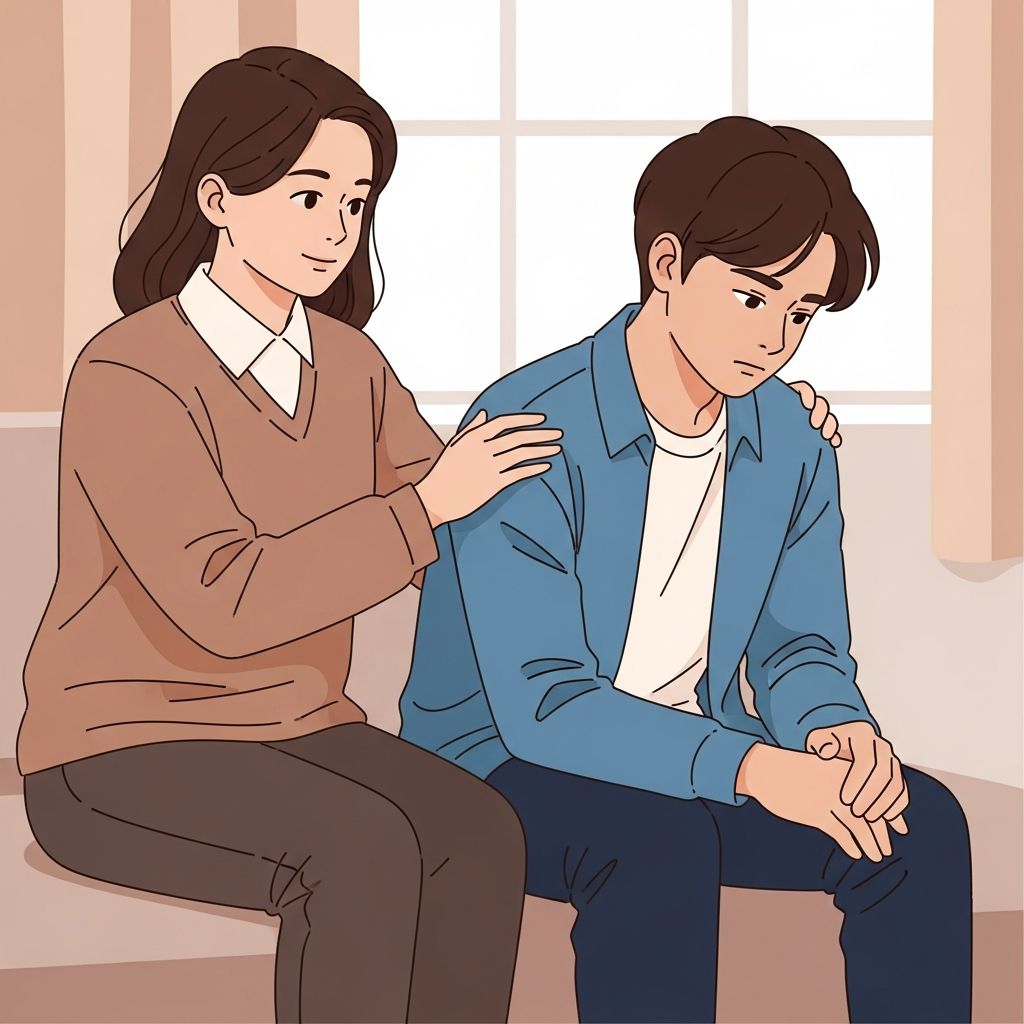
Low self-esteem can profoundly impact a person’s daily life, relationships, and overall well-being, often stemming from deep-rooted negative beliefs about one’s worth. When someone close to you exhibits signs of diminished self-worth, your support can be a pivotal force in their journey toward recovery and self-acceptance. This guide explores the nuances of low self-esteem, its manifestations, underlying causes, and most importantly, evidence-based methods to provide meaningful assistance without overstepping boundaries.
Recognizing the Indicators of Diminished Self-Worth
Identifying low self-esteem early allows for timely intervention. Individuals grappling with this issue often display a pattern of harsh self-judgment and avoidance of personal successes. Common signs include relentless self-criticism, where people fixate on flaws while dismissing strengths; reluctance to accept praise, viewing compliments as insincere; and a tendency to attribute failures solely to personal shortcomings while crediting luck for achievements.
Further indicators involve negative self-talk, such as using derogatory language when describing oneself, and social withdrawal due to fears of inadequacy. These behaviors can escalate, contributing to broader mental health challenges like anxiety or depression. For instance, someone might avoid social gatherings, fearing judgment, or procrastinate on tasks due to an overwhelming dread of failure.
- Harsh internal dialogue: Constant mental berating that undermines confidence.
- People-pleasing tendencies: Prioritizing others’ needs to gain approval, often at personal expense.
- Boundary issues: Difficulty saying no, leading to resentment and burnout.
- Fear-driven decisions: Avoiding risks or opportunities due to anticipated rejection.
Observing these patterns in a loved one requires sensitivity; direct confrontation can exacerbate feelings of shame. Instead, note recurring themes in conversations or behaviors to approach support thoughtfully.
Unpacking the Roots of Low Self-Confidence
Understanding the origins of low self-esteem empowers you to offer targeted empathy. Many cases trace back to childhood experiences, such as critical parenting, neglect, or absence of affirmation, which instill a core belief of unworthiness. Adverse events like bullying, academic struggles, or abusive relationships reinforce these notions, creating a cycle of self-doubt.
Societal factors, including unrealistic media portrayals and social media comparisons, intensify feelings of inadequacy. Chronic health issues, financial stress, or trauma further erode self-perception, as individuals internalize these hardships as personal failings. Mental health conditions like depression often intertwine, amplifying the negative feedback loop.
| Common Causes | Examples | Potential Impact |
|---|---|---|
| Childhood Trauma | Criticism, neglect, abuse | Forms core beliefs of inferiority |
| Social Pressures | Bullying, exclusion | Leads to social anxiety and isolation |
| Health & Stress | Illness, financial woes | Reinforces helplessness |
| Cultural Influences | Media standards, perfectionism | Fuels imposter syndrome |
By discussing these origins gently, you validate their experiences without assigning blame, fostering a foundation for healing.
Essential Principles for Providing Effective Support
Helping someone with low self-esteem demands patience and consistency. Begin by cultivating active listening: create space for them to express feelings without interruption or unsolicited advice. Reflect back what you hear to show understanding, e.g., “It sounds like you’re feeling overwhelmed by that mistake.” This builds trust and reduces isolation.
Avoid toxic positivity; phrases like “Just think positive!” invalidate real struggles. Instead, acknowledge pain while highlighting resilience: “It’s tough, but you’ve overcome similar challenges before.” Encourage autonomy by asking open-ended questions like “What do you think might help?” rather than dictating solutions.
Model healthy behaviors yourself—demonstrate self-compassion in your actions to inspire change. Set gentle boundaries to prevent enabling avoidance, such as kindly declining to reinforce negative narratives.
Practical Daily Strategies to Build Their Confidence
Integrate small, actionable steps into their routine to challenge negative beliefs gradually. Promote positive self-talk by suggesting they track and reframe critical thoughts; for example, replace “I’m a failure” with “I made a mistake, but I can learn from it.”
Encourage achievement logging: Maintain a shared journal of daily wins, no matter how minor, to counter downplaying successes. Joint activities like exercise or hobbies boost endorphins and provide shared successes, enhancing mood and self-view.
Limit social media exposure, which often distorts reality and heightens comparisons. Practice gratitude exercises together, focusing on personal strengths to shift focus from deficits.
- Identify one strength daily and discuss evidence supporting it.
- Role-play receiving compliments to build acceptance.
- Set tiny, achievable goals to foster mastery experiences.
- Celebrate progress publicly to normalize pride.
These habits, rooted in cognitive behavioral principles, gradually rewire thought patterns.
When and How to Suggest Professional Intervention
While personal support is vital, persistent low self-esteem often requires expert guidance. Cognitive Behavioral Therapy (CBT) stands out as highly effective, targeting distorted beliefs through structured exercises like behavioral experiments and core belief identification. Compassion-Focused Therapy (CFT) and Acceptance and Commitment Therapy (ACT) also show promise by promoting self-kindness and value-aligned actions.
Gently broach therapy by framing it positively: “I’ve heard CBT helps many people feel more confident—would you consider trying it?” Offer to help find providers or attend initial sessions. If linked to depression or anxiety, medication may complement therapy, but consult professionals.
Monitor for severe signs like self-harm ideation; urge immediate help from crisis lines or emergency services.
Navigating Challenges in Your Support Role
Supporting someone can strain your emotional reserves. Combat burnout by prioritizing self-care and seeking your own support network. Understand resistance is common—change threatens familiar self-views, so persist with empathy.
Address codependency: Ensure your help empowers rather than rescues. If they reject aid repeatedly, respect their pace while maintaining availability.
Long-Term Outlook: Fostering Lasting Self-Acceptance
Recovery is nonlinear, but consistent support yields profound shifts. Over time, individuals develop resilience, healthier relationships, and authentic self-appreciation. Your role evolves from active helper to cheerleader, celebrating their independence.
Track collective progress through periodic check-ins, adjusting strategies as needed. Ultimately, your belief in their potential becomes a mirror for their own.
Frequently Asked Questions (FAQs)
What if they push back against my help?
Resistance is normal; reaffirm your support without pressure, giving space while staying present.
Can low self-esteem improve without therapy?
Yes, through consistent self-help practices, but professional input accelerates and sustains gains.
How does low self-esteem affect relationships?
It often leads to clinginess, jealousy, or withdrawal, straining bonds; open communication helps.
Is low self-esteem the same as depression?
No, but they frequently co-occur; low self-esteem can precede or worsen depression.
How long does recovery take?
Varies widely; with dedication, noticeable improvements emerge in weeks to months.
References
- Low self-esteem and confidence: Signs, causes, and treatment — Medical News Today. 2023-10-12. https://www.medicalnewstoday.com/articles/i-have-lost-my-confidence-and-self-esteem
- Learn About Low Self-Esteem — Psychology Tools. 2024-05-15. https://www.psychologytools.com/articles/learn-about-low-self-esteem
- Signs of Low Self-Esteem and How to Overcome It — Grow Therapy. 2024-02-20. https://growtherapy.com/blog/signs-of-low-self-esteem/
- Understanding Low Self-Esteem — UMass Memorial Health. 2023-11-08. https://www.ummhealth.org/health-library/understanding-low-self-esteem
- Low Self-Esteem: Causes, Signs & Coping Methods — Two Chairs. 2024-01-14. https://www.twochairs.com/blog/low-self-esteem
- Self-Image & Mental Health: How to Overcome Low Self-Esteem — Improving Lives Counseling Services. 2023-09-05. https://improvinglivescounseling.com/the-impact-of-self-image-on-mental-health-overcoming-low-self-esteem/
- Self esteem — Better Health Channel (Victorian Government). 2023-07-22. https://www.betterhealth.vic.gov.au/health/healthyliving/self-esteem