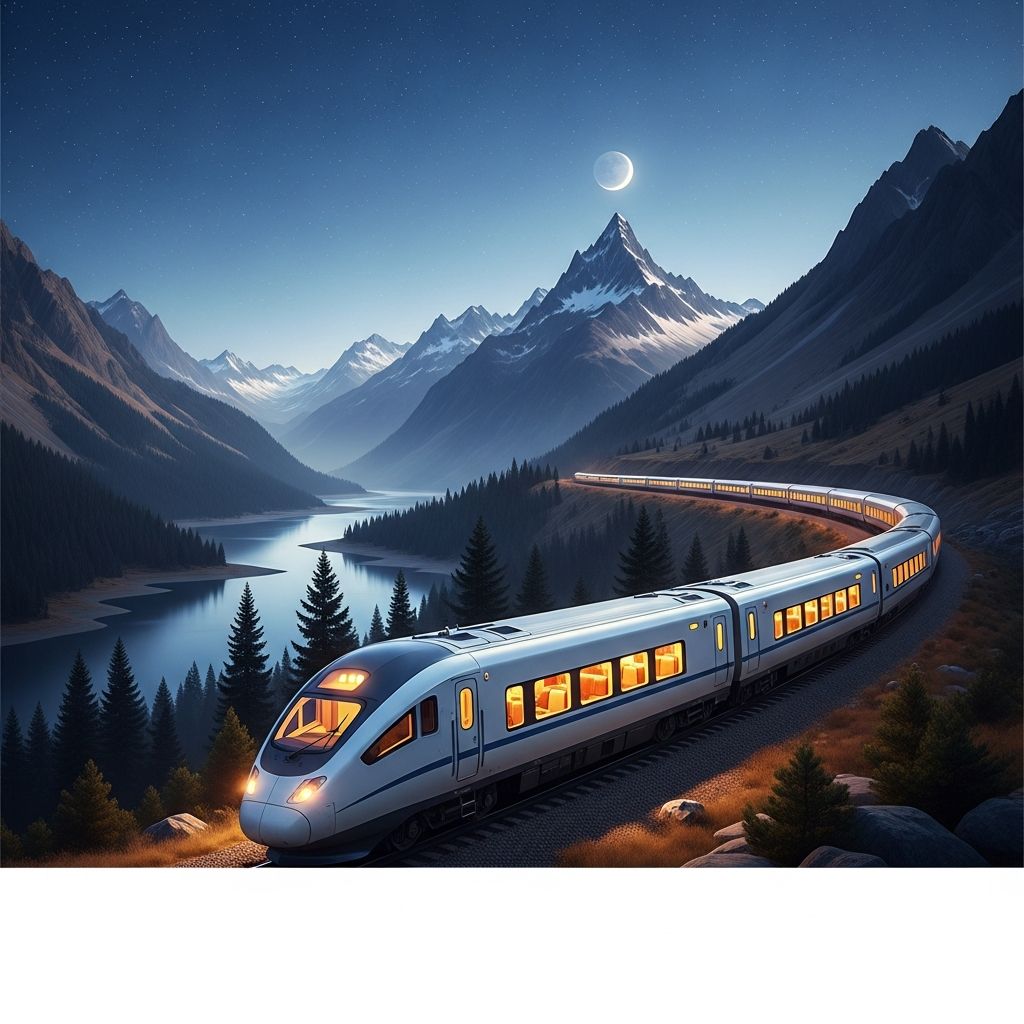
The Resurgence of Overnight Rail Travel
In an era dominated by air travel and highway transportation, overnight trains represent a compelling alternative that merges practicality with romance. These journeys have experienced renewed interest among travelers seeking meaningful experiences that transcend the typical speed-obsessed travel paradigm. The concept of boarding a train in one city and awakening in another, having traveled through the night while comfortably sleeping, captures the imagination of adventure seekers and pragmatic travelers alike.
Overnight rail services connect major European cities and increasingly expand into other regions worldwide. These specialized trains feature sleeping accommodations ranging from basic berths to luxurious private cabins, catering to diverse traveler preferences and budgets. The revival of night train services stems from both environmental consciousness and the recognition that travel itself can become part of the destination experience rather than merely the means to reach it.
Financial Advantages of Nocturnal Rail Journeys
One of the most compelling reasons travelers choose overnight trains involves the dual-purpose economic model. When you book an overnight sleeper train, you essentially purchase two services simultaneously: transportation and accommodation. This bundled approach typically proves more economical than booking separate train tickets and hotel reservations for the same night.
For example, an overnight train journey covering significant distances might cost approximately $200 for a private sleeping compartment, while a flight for the same route could be $75 to $150, but would require an additional hotel night costing $100 or more. When accounting for the combined expenses, the train option becomes economically competitive or superior. Many overnight train services include breakfast as part of the package, further reducing overall travel costs. This cost-consolidation approach particularly benefits budget-conscious travelers and families managing extended trips across multiple destinations.
Environmental Considerations and Sustainable Travel
Rail transportation fundamentally differs from aviation and automobile travel in its environmental footprint. Trains operate on fixed routes using shared infrastructure, enabling efficient mass transportation that distributes environmental impact across numerous passengers. The carbon emissions per passenger mile for train travel substantially undercut those of personal vehicles and commercial aircraft.
Travelers increasingly recognize the environmental implications of their transportation choices. Choosing overnight trains over flights represents a tangible commitment to reducing personal carbon emissions. Electric trains in many European networks draw from renewable energy sources, further minimizing environmental impact. This alignment between transportation method and environmental values appeals to conscious travelers who wish their journey methods to reflect their ecological principles.
The Scenic Experience and Atmospheric Travel
Overnight train travel transforms mundane transportation into an experiential journey. While nighttime darkness limits visual landscapes during sleeping hours, traveling by train at night presents distinct atmospheric advantages. Cities and villages illuminated by artificial lighting create magical vistas quite different from daytime scenery. The gentle rhythm of rails beneath you and the subtle motion of the train facilitate relaxation and contemplation impossible in faster transportation modes.
During daylight hours, overnight trains traversing European routes showcase remarkable geographical diversity. Passengers awakening to mountain vistas, coastline panoramas, or pastoral countryside moments create lasting memories. The gradual revelation of landscapes as dawn breaks provides natural entertainment and aesthetic pleasure. Unlike airplane travel where earth below becomes abstract, train windows frame landscapes at human scale, maintaining connection with the physical world being traversed.
Authentic Cultural Immersion
Train stations and passengers encountered during overnight journeys provide genuine glimpses into regional cultures and local life. Unlike airports—sterile international hubs designed for rapid transit—train stations integrate with city centers and reflect local architectural traditions. Conversations with fellow passengers, meal service interactions, and observation of boarding and departing travelers at various stops create organic cultural engagement.
The unhurried pace of train travel permits passenger movement throughout the train during the journey, enabling interaction with diverse fellow travelers. Dining cars, observation lounges, and corridor encounters facilitate conversations and experiences impossible on commercial flights. This human element of overnight train travel transforms it from pure transportation into genuine cultural exchange and social experience.
Practical Advantages Over Air Travel
Overnight trains eliminate several stressors inherent to air transportation. Security screening, baggage restrictions, and arrival hours determined by limited flight schedules represent ongoing frustrations for regular air travelers. Train travel typically involves straightforward boarding procedures without extensive security protocols. Passengers board shortly before departure rather than arriving hours in advance, conserving time and reducing pre-journey stress.
Baggage handling on trains proves considerably more flexible than airline policies. While compartment space remains limited, trains generally accommodate more luggage per passenger than aircraft. The ability to access your belongings throughout the journey, move between cars, and store items in accessible locations provides practical advantages for travelers carrying substantial luggage.
Train schedules align with urban centers. Departing from downtown train stations and arriving at central railway terminals means minimal ground transportation compared to airports typically located outside city limits. This geographical advantage effectively reduces total journey time and simplifies logistics for travelers unfamiliar with destination cities.
Potential Disadvantages and Practical Considerations
Sleep Quality and Noise Considerations
Despite the appeal of sleeping while traveling, overnight trains present acoustic challenges for light sleepers. Mechanical train noises—wheel clicks, coupling movements, track vibrations—create constant background sound. In shared compartments, conversations from neighboring cabins and activity in corridors penetrate thin walls. Station stops involve platform announcements, boarding activities, and train movements that can disrupt sleep cycles.
Sleeping compartment quality varies significantly by train service and accommodation tier. Budget berths in shared cars offer minimal sound insulation. Even private cabins provide limited acoustical separation. For individuals requiring quiet sleep environments, overnight train travel may prove problematic regardless of accommodation quality selected.
Space Limitations and Comfort Trade-offs
Overnight train compartments prioritize efficient space utilization over passenger comfort. Sleeping bunks occupy minimal floor area, leaving restricted space for personal belongings and movement. Luggage storage within compartments remains limited, forcing passengers to utilize overhead racks or corridor storage. This constraint particularly affects travelers with substantial baggage or those uncomfortable with confined spaces.
Compartment facilities remain basic. Toilets onboard are shared, typically cramped, and variable in cleanliness standards. Shower facilities, while occasionally available on premium services, rarely match hotel standards. For travelers accustomed to spacious accommodation, overnight train compartments may feel uncomfortably restrictive.
Journey Duration and Speed Limitations
Despite covering significant distances overnight, trains typically require longer total travel time than flights for equivalent routes. Trains maintain speed restrictions, particularly on older rail networks, and must accommodate multiple stops. A flight covering the same distance might require only a few hours of flight time plus airport procedures, while an overnight train journey could require 8-12 hours including stops.
This extended travel time represents either an advantage or disadvantage depending on perspective. For travelers valuing comfort and experience, the gradual journey transition proves preferable. For those prioritizing speed, train travel’s inherent slowness becomes frustrating.
Operational Challenges and Delay Potential
Overnight trains depend on complex railway infrastructure maintained by multiple national operators in European networks. Delays can result from mechanical failures, track maintenance, weather conditions, or coordination challenges between railway companies. A two-hour delay on an overnight train significantly impacts arrival schedules and pre-arranged ground transportation connections.
Train operations involve extensive cleaning, catering preparations, and crew changes between services. Unlike daytime trains that can execute rapid turnarounds, overnight services require more extensive maintenance protocols, potentially affecting reliability and punctuality.
Comparative Analysis: Overnight Trains Versus Alternative Transportation
| Aspect | Overnight Train | Commercial Flight | Car Rental |
|---|---|---|---|
| Total Cost (transport + accommodation) | $200-400 | $200-400 + hotel $100-200 | $150-250 + hotel $100-200 |
| Carbon Emissions per Passenger | Low | High | Very High |
| City Center to City Center | Excellent | Poor | Moderate |
| Sleep Comfort | Moderate | Poor | N/A |
| Luggage Flexibility | Good | Restricted | Excellent |
| Scenic Experience | Excellent | None | Good |
Selecting Appropriate Routes and Services
Not all overnight train routes suit every traveler. Successful overnight train experiences depend on matching journey characteristics with personal preferences. Direct routes with minimal stops prove more appealing than services requiring multiple train changes. Routes traversing scenic terrain during daylight hours—such as Alpine passes or coastal regions—enhance the travel experience for landscape enthusiasts.
Journey duration significantly impacts suitability. Eight to twelve-hour overnight journeys align well with natural sleep cycles, while journeys exceeding 14 hours may feel excessively extended. Routes covering shorter distances might prove more economical through daytime travel alternatives.
Premium accommodations justify higher costs through improved comfort, private facilities, and enhanced amenities. Budget berths prove adequate for young travelers or those prioritizing cost minimization over comfort. Family traveling groups might prefer private compartments offering group privacy despite higher per-person costs.
Practical Preparation Strategies
- Sleep Preparation: Adjust sleep schedule gradually toward train departure times. Pack earplugs, comfortable sleep clothing, and travel pillows. Avoid heavy meals and excessive caffeine before boarding.
- Compartment Organization: Arrange belongings efficiently within limited space. Keep essentials accessible without requiring full luggage opening. Utilize compartment hooks and overhead storage strategically.
- Hygiene Considerations: Bring personal hygiene supplies including shower items, toiletries, and disinfectant wipes. Pack comfortable change of clothes appropriate for morning arrival. Consider travel-size grooming products to manage space constraints.
- Documentation: Maintain passport and travel documents in immediately accessible locations. Verify train departure times and platform information. Confirm accommodation or activities scheduled at destination.
- Entertainment and Comfort: Bring reading materials, digital entertainment, or relaxation aids. Pack light snacks and beverages to supplement onboard meal services. Include comfort items like neck pillows or blankets.
- Currency and Payments: Carry cash denominations accepted in countries traversed. Verify onboard dining payment methods and tipping expectations across different nations.
Emerging Trends in Overnight Rail Services
European railways increasingly reinvest in overnight train networks, recognizing renewed passenger interest and environmental imperatives. New rolling stock designs balance operational efficiency with passenger comfort. Modern sleeper trains incorporate improved insulation, enhanced climate control, and updated facilities.
Railway operators explore flexible service models combining daytime and nighttime routing on unified routes, potentially expanding destination accessibility without requiring passenger train changes. This innovation could address occupancy challenges while improving overall network efficiency and reliability.
Sustainability consciousness among travelers fuels overnight train expansion, as rail services integrate environmental considerations into marketing messaging and operational improvements. Electric train networks continue expanding, particularly in Western Europe, further reducing carbon footprints associated with overnight journeys.
Frequently Asked Questions
Q: What should I pack for an overnight train journey?
A: Pack comfortable sleeping clothes, toiletries, a travel pillow, earplugs, entertainment materials, medications, passport, and essential documents. Limit luggage to what fits in your compartment space. Bring snacks you enjoy and any preferred beverages.
Q: Are overnight trains safe for solo travelers?
A: Overnight trains generally offer reasonable safety, particularly private compartments with locking doors. Solo travelers should research route reputations, book reputable operators, maintain awareness of surroundings, and secure valuables. Women travelers might prefer compartments offering gender-specific accommodations available on many services.
Q: How do I book overnight train tickets?
A: Most European railways operate online booking systems on official websites. International ticket aggregators offer multi-country route searches. Book early for optimal pricing and compartment selection, particularly during peak travel seasons.
Q: What happens if my overnight train is significantly delayed?
A: Railway operators typically provide passenger assistance for extended delays, including accommodation compensation and onward travel arrangements. Review specific operator policies before booking, as compensation varies between countries and services.
Q: Can children and infants travel on overnight trains?
A: Yes, though age-specific policies vary by operator. Young children might occupy existing berths or qualify for discounted family accommodations. Contact operators directly regarding infant safety requirements and compartment suitability for family groups.
Q: Is breakfast included on overnight trains?
A: Many overnight trains include breakfast service or vouchers for morning meals. Premium accommodations typically feature comprehensive breakfast inclusions, while budget berths might offer limited or optional breakfast service. Verify specific inclusions during booking.
References
- Sleeper Trains Unveiled: Pros and Cons of Overnight Train Travel — The Getaway Journals. Accessed 2026. https://thegetawayjournals.com/overnight-train-travel/
- More Than a Night Train — SCHIG (Sustainable Competitive High-speed rail for Innovative rail in Europe). Accessed 2026. https://www.schig.com/more-than-a-night-train
- Sleeper Trains Unveiled: Pros and Cons of Overnight Train Travel — Live Work Play Travel. Accessed 2026. https://liveworkplaytravel.com/sleeper-trains-unveiled-pros-and-cons-of-overnight-train-travel/
- 5 Reasons for Nighttrain Travel — A Wander Food World. Accessed 2026. https://awanderfoodworld.com/5-reasons-for-nighttrain-travel/
- 10 Questions About Night Trains That You Always Wanted, But Never Asked — Heinrich Böll Foundation Europe. Accessed 2026. https://eu.boell.org/en/10-questions-night-trains
- The Slow Track to Happiness: Why Travelling by Train is Making a Comeback — Adventures by Train. Accessed 2026. https://adventuresbytrain.com/blog/the-slow-track-to-happiness-why-travelling-by-train-is-making-a-comeback/