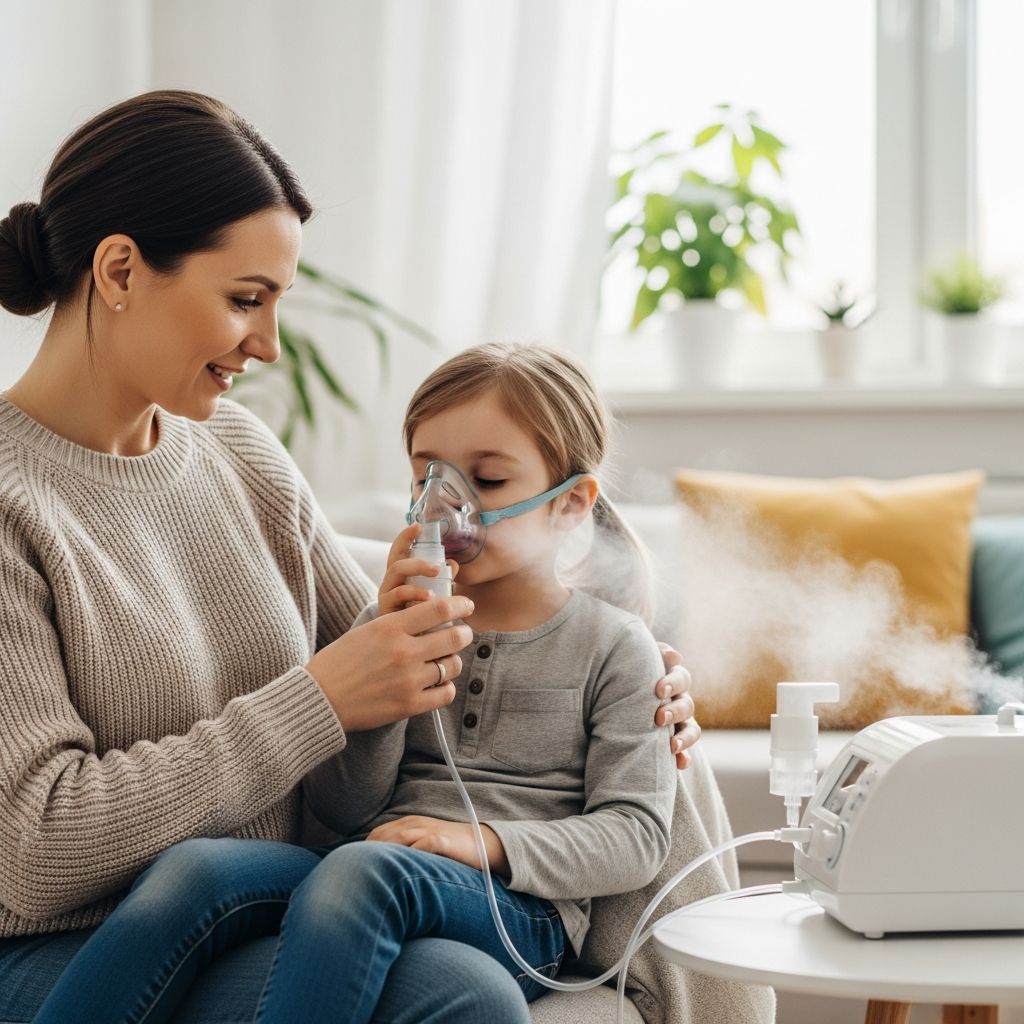
When a child needs nebulizer treatments, parents often worry about cooperation, fear, and daily battles around the machine. With the right preparation and a child-centered approach, nebulizer time can shift from a stressful chore to a predictable, mostly peaceful part of the day.
Why Children Need Nebulizer Treatments
A nebulizer is a device that turns liquid medicine into a fine mist that your child breathes in through a mask or mouthpiece. This mist helps medicine reach the lungs more directly, which can be useful for conditions like asthma, bronchiolitis, or other breathing problems, as determined by the child’s healthcare provider.
Because the medicine works best when your child breathes slowly and steadily, cooperation matters. Helping your child feel safe, informed, and comfortable is just as important as having the right equipment.
Understanding Your Child’s Fears
Before working on cooperation, it helps to understand why children resist nebulizer treatments. Many kids feel scared or overwhelmed by the sound, mask, or sensation of the mist.
- Noise and vibration: The hum of the machine can seem loud or strange to young ears.
- Fear of the mask: A mask covering the face may feel confining or claustrophobic.
- Lack of control: Children may feel that treatment is something “done to” them rather than “done with” them.
- Previous bad experiences: A rushed or stressful first treatment can stick in a child’s memory.
By recognizing these fears, you can respond kindly instead of assuming that your child is simply being stubborn or “difficult.”
Preparing Before the First Treatment
Preparation sets the tone for all future treatments. Taking a few minutes before the first session can significantly reduce resistance and anxiety.
- Introduce the nebulizer when your child is calm, not during a breathing crisis.
- Use simple, reassuring language like “This machine helps your lungs feel better” rather than long or technical explanations.
- Let your child touch and explore the mask, tubing, and machine (while it is turned off) so these items become familiar objects, not surprises.
- Practice with toys by pretending to give a nebulizer treatment to a favorite stuffed animal or doll.
Creating a Child-Friendly Nebulizer Space
The environment around your child can turn treatment time into something gentler and more predictable. A cozy, predictable space often reduces resistance.
- Choose a quiet, comfortable spot with a chair or your lap where your child can sit safely.
- Keep a small “treatment basket” nearby filled with books, small toys, or coloring supplies reserved only for nebulizer time.
- Make use of soft lighting or a night light if treatments occur early in the morning or at bedtime.
- Allow your child to pick a blanket, stuffed animal, or pillow so the space feels like their own.
Step-by-Step: A Calm Nebulizer Routine
Having the same predictable steps every time helps your child know what to expect and gives them a sense of control. The actual medical setup should always follow the instructions from your child’s healthcare provider, but you can build a consistent emotional routine around it.
- Announce treatment time gently.
Use a calm voice and a short phrase, such as “It’s breathing time now,” giving a few minutes’ warning when possible. - Invite your child to help with safe steps.
For example, allow them to bring the treatment basket, choose a toy, or turn on a small lamp. - Position your child comfortably.
Sit them on your lap, in a favorite chair, or at the table, ensuring they can sit reasonably still and upright. - Explain what will happen next.
In a few words, tell them that the machine will make a sound and they will breathe like they always do. - Place the mask or mouthpiece.
Gently hold the mask or guide the mouthpiece, encouraging them to keep it in place while breathing normally. - Start the treatment with a distraction or game.
Turn on a short video, read a book, or play a simple counting game as they breathe. - Praise cooperation during and after.
Offer specific compliments like “You’re doing such steady breathing” to highlight the behavior you want to see again.
Playful Distractions That Actually Help
Distraction is one of the most powerful tools you have. When your child is focused on something fun, they are less focused on the mask or the noise of the machine.
- Story time: Read a favorite book, pausing occasionally to ask simple questions.
- Music and songs: Sing soft songs or play calm music while they breathe.
- Bubble games (without mouth use): For older children using a mouthpiece safely, imagine “breathing bubbles” without actually blowing.
- Counting or alphabet games: Count to a certain number, name animals by each letter, or list favorite foods.
- Short shows: Use a brief video or cartoon as a special treat reserved only for nebulizer time.
Involving Your Child in Choices
Children cooperate more when they feel they have some control, even over small things. You still guide the process, but you can build in child-sized decisions.
- Let your child choose where to sit (from two approved options, such as “couch or chair”).
- Offer a choice of which toy or book joins them during the treatment.
- Allow them to pick a reward from a small list: a sticker, an extra book at bedtime, or choosing the next family song.
- For older kids, let them help track treatments on a simple chart or calendar.
Gentle Positioning and Comfort Tips
Comfortable positioning keeps your child safer and less likely to squirm. Good posture also helps the medicine reach the lungs more effectively.
- Keep your child upright in your lap or in a chair; avoid lying down if possible.
- Use your arm around their shoulders to provide gentle stability without feeling like a restraint.
- Hold the mask snugly but not tightly so air does not leak too much and your child does not feel trapped.
- If your child is very young, consider using a soft blanket wrap to keep them cozy and reduce wiggling, while making sure breathing remains easy and unblocked.
Positive Reinforcement and Encouragement
Positive reinforcement teaches your child that calm behavior during treatments leads to good outcomes. The goal is to praise specific behaviors, not simply the result.
- Use clear, descriptive praise such as “You held the mask so well” or “You sat so still the whole time.”
- Try a sticker chart for older toddlers and preschoolers, and offer a small non-food reward after earning a certain number of stickers.
- Celebrate small improvements even if your child is not perfectly calm yet; progress matters more than perfection.
Common Challenges and Practical Solutions
Even with preparation and patience, you may face resistance or tears. Planning ahead for common challenges can keep you calm and consistent.
| Challenge | Possible Reason | Helpful Parent Response |
|---|---|---|
| Child cries when the machine starts | Startled by the noise; fear of the unknown | Turn the machine on briefly without the mask first, then off; repeat a few times while holding your child so they learn the sound is safe. |
| Refuses to wear the mask | Feels trapped or uncomfortable | Let your child decorate the mask with stickers and practice putting it on a stuffed toy before trying again on themselves. |
| Pulls off the mask repeatedly | Loss of control; boredom | Offer a simple choice (“mask on while we read this book, or mask on while we watch this short show”) to restore a sense of control. |
| Fidgets and will not sit still | Restlessness; lack of engagement | Shorten sessions if approved by your child’s provider, increase engaging activities, and reserve special toys only for treatment times. |
| Older child feels embarrassed | Worries about looking different | Talk openly about how treatments help keep them active and strong; respect their wish for privacy, such as doing treatments in their room. |
Balancing Firmness and Empathy
Parents often wonder whether to insist firmly on treatments or to be flexible when a child resists. The answer usually lies in combining empathy with clear boundaries.
- Validate emotions with phrases such as “I know you don’t like this” while staying steady about the need for treatment.
- Avoid threats or punishment; instead, calmly restate that treatment is necessary and focus on what your child can choose within that boundary.
- Keep your voice even and gentle; a calm parent helps create a calm child, even if they protest at first.
Safety and Hygiene Essentials
Safe, clean equipment supports effective treatment and reduces the risk of infection. Always follow any specific directions given by your child’s healthcare provider or device manufacturer.
- Wash your hands before and after handling the nebulizer parts or medicine.
- Clean and dry the mask, mouthpiece, and medication cup as instructed, typically after each use, to prevent germs from building up.
- Store equipment in a clean, dry place away from dust and curious pets or siblings.
- Check with your provider about how often disposable parts should be replaced.
Working With Your Child’s Healthcare Team
Your child’s healthcare provider remains the best source of medical guidance about nebulizer use, medication type, and dosage. If cooperation problems consistently interfere with treatment, let the provider know.
- Ask whether a different type of mask, mouthpiece, or device might be easier for your child to use.
- Share specific challenges you are seeing at home so the provider can suggest tailored strategies.
- Request written instructions or demonstrations during clinic visits to build your confidence.
Frequently Asked Questions (FAQs)
How long should a nebulizer treatment take for a child?
The length of each treatment depends on the machine, the medication, and the amount prescribed by your child’s provider. Many sessions last several minutes, during which your child should sit as still as reasonably possible while breathing normally through the mask or mouthpiece.
What if my child cries or breathes too fast during the treatment?
Crying or very rapid breathing can reduce how much medicine actually reaches the lungs. If your child is very upset, pause briefly to comfort them, reset the environment if needed, and try again with extra distractions or support while keeping your provider’s instructions in mind.
Can my child sleep during a nebulizer treatment?
Some children become drowsy and may drift off during treatment, especially at night. As long as the mask or mouthpiece stays in the correct position and your child is breathing comfortably, this can be acceptable, but always follow the advice of your healthcare provider.
Is it okay to use videos or tablets during treatments?
Yes, many families find that short videos or tablet activities make it easier for children to sit still. It often helps to reserve screen time specifically for treatments so the activity feels like a special privilege rather than an all-day habit.
When should I contact the doctor about nebulizer use?
Call your child’s healthcare provider if treatments seem less effective than before, your child has more trouble breathing, or you notice side effects such as unusual jitteriness, rash, or persistent coughing during or after sessions. Also reach out if behavior challenges around the nebulizer are so intense that treatments often cannot be completed.
Making Nebulizer Time More Peaceful Over Time
Cooperation with nebulizer treatments rarely improves in a single day. Instead, progress usually appears in small steps: a few more calm breaths, fewer tears, or slightly less resistance when the machine turns on.
By building a comforting routine, using playful distractions, involving your child in small choices, and keeping communication open with your healthcare team, nebulizer sessions can gradually become another manageable part of your family’s daily rhythm rather than a source of constant stress.