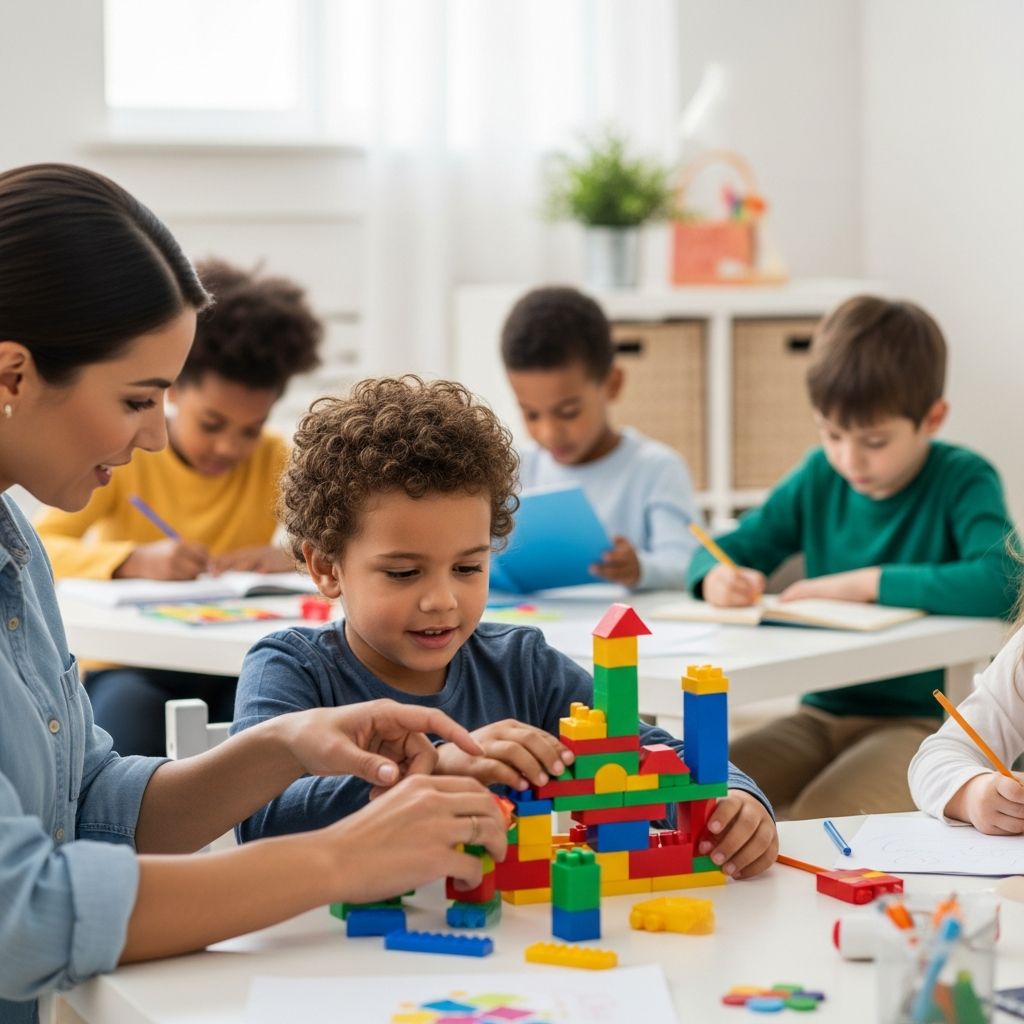
Highly competitive children often approach games, sports, and even everyday tasks with intense drive, turning play into high-stakes battles. While this trait can fuel achievement, it may also lead to frustration, strained friendships, and burnout if not managed well. Parents play a pivotal role in nurturing this energy positively, helping kids learn to compete healthily while savoring the process.
Understanding the Roots of Intense Competitiveness
Competitiveness in children emerges from a mix of innate temperament, family influences, and environmental cues. Some kids are wired as ‘Type A’ personalities, thriving on challenges and goals from an early age. Research shows that such traits can stem from genetic factors combined with modeling from parents or coaches who emphasize winning. In sports settings, for instance, children may internalize pressure from observing adult reactions to outcomes, amplifying their own stress levels.
Recognizing signs like boasting after wins, withdrawing after losses, or fixating on rankings helps parents intervene early. These behaviors signal a need for balance, where success includes effort, learning, and relationships, not just victory. Without guidance, overly competitive kids risk alienating peers or developing perfectionism that hinders joy in activities.
Building Emotional Awareness in Young Competitors
One key to helping competitive children relax starts with tuning into their emotional signals. After a game or challenge, observe body language and tone rather than assuming disappointment based on your expectations. A child placing fourth might appear dejected, but pausing to ask open questions like ‘How are you feeling right now?’ reveals their true state.
Encourage self-reflection by modeling calm responses. If they’re upset, give space for venting—perhaps a short run or quiet time—before discussing. This respects their processing needs and teaches emotional regulation. Over time, they learn to identify cues like tension or excitement, reducing reactive outbursts.
- Watch for clenched fists or averted eyes post-event, indicating frustration.
- Ask neutral questions to validate feelings without judgment.
- Avoid projecting your disappointment; focus on their perspective.
Shifting Focus from Winning to Personal Growth
Competitive kids often measure worth by outcomes, leading to self-criticism after setbacks. Reframe this by emphasizing controllable aspects like effort and improvement. After a loss, highlight specifics: ‘You hustled on that last play—what worked well there?’ This cognitive shift, known as reframing, turns ‘failure’ into ‘learning opportunity.’
Parents can model this by celebrating team contributions over individual stats. Praise phrases like ‘Great assist!’ reinforce collaboration. Studies in child psychology indicate that process-oriented feedback boosts resilience and intrinsic motivation more than outcome praise.
| Mindset | Winning-Focused | Growth-Focused |
|---|---|---|
| After Loss | ‘You should’ve won.’ | ‘What can we practice next?’ |
| During Play | ‘Beat them all!’ | ‘Give it your best shot.’ |
| Post-Win | ‘You’re the best!’ | ‘Loved your teamwork.’ |
Navigating Social Dynamics and Friendships
Boastful or domineering behavior in playgroups can strain relationships, as peers pull away from constant one-upmanship. Instead of correcting immediately, allow natural consequences: friends may choose others to play with, prompting self-adjustment. Stay nearby to intervene only if needed, guiding with empathy: ‘How do you think that made your friend feel?’
Foster inclusive games emphasizing cooperation, like team relays where everyone contributes. This builds appreciation for others’ strengths, reducing superiority displays. Overly competitive kids who taunt or withdraw often need help tolerating frustration—structured play teaches this without adult over-involvement.
Parental Self-Care: Staying Balanced as a Guide
Supporting a competitive child demands time for practices, events, and recovery, risking parental burnout. Schedule personal recharge time, like walks or hobbies, to model healthy boundaries. Reflect on your reactions: Are you comparing your child to others? Journaling prompts like ‘How do I want to show up for them?’ clarify your role.
Prepare for tough scenarios mentally. Visualize responding calmly to a big loss, reducing stress when it happens. This preparation enhances control and patience.
Practical Activities to Promote Relaxation
Incorporate non-competitive fun to dilute pressure. Try yoga for kids, focusing on breathing and poses without scores, or nature scavenger hunts valuing discovery over speed. Board games with cooperative modes teach shared success.
- Breath Breaks: Practice 4-7-8 breathing (inhale 4, hold 7, exhale 8) before events.
- Gratitude Rounds: Share one fun moment from practice, shifting to positives.
- Skill Drills: Fun challenges like dribbling obstacles, celebrating progress.
These build a ‘short-term memory’ for errors, encouraging quick recovery.
Long-Term Strategies for Sustained Well-Being
Expose kids to diverse challenges to broaden perspectives. Volunteering or community service shows real-world issues dwarfing a single loss. Encourage new hobbies, revealing hidden talents and reducing fixation on one area.
Track progress holistically: Use a journal for efforts, not just wins. This counters perfectionism, promoting enjoyment.
Frequently Asked Questions (FAQs)
What if my child refuses comfort after losing?
Respect their space—let them cool down with a solo activity. Reconnect later when receptive, offering positive feedback.
Is competitiveness always bad?
No, it drives excellence when balanced. Guide it toward teamwork and resilience for healthy expression.
How do I stop comparing my child to others?
Focus on their unique journey. Reflect on your values and desired legacy as a parent.
Can competitive kids make good friends?
Yes, with social learning. Natural consequences and empathy lessons help them adjust behaviors.
What games reduce competition?
Cooperative ones like group puzzles or partner yoga build unity without winners.
Encouraging Team Spirit Over Individual Glory
In team sports, highlight collective wins. Discuss how personal skills aid the group, like strategic passes. This channels passion productively, fostering leadership without ego.
Post-game debriefs should balance: What went well for us? What to tweak? This perspective prevents dwelling on scores.
(Word count: 1678)
References
- Strategies for Parents to Cope with Competition Stress — Climbing Psychology. 2023. https://www.climbingpsychology.com/blog/strategies-parents-comp-stress
- How to Handle Boastful, Competitive Behavior — Janet Lansbury. 2019-03. https://www.janetlansbury.com/2019/03/how-to-handle-boastful-competitive-behavior/
- How to Deal With a Strongly Competitive Child — iSport360. N/A. https://isport360.com/how-to-deal-with-a-strongly-competitive-child/
- How to Best Parent Your Competitive Child — All Pro Dad. N/A. https://allprodad.com/how-best-parent-competitive-child/
- Parenting Tips on Overly Competitive Behavior — Hanna Perkins School. N/A. https://www.hannaperkins.org/parenting-tips-overly-competitive-behavior/