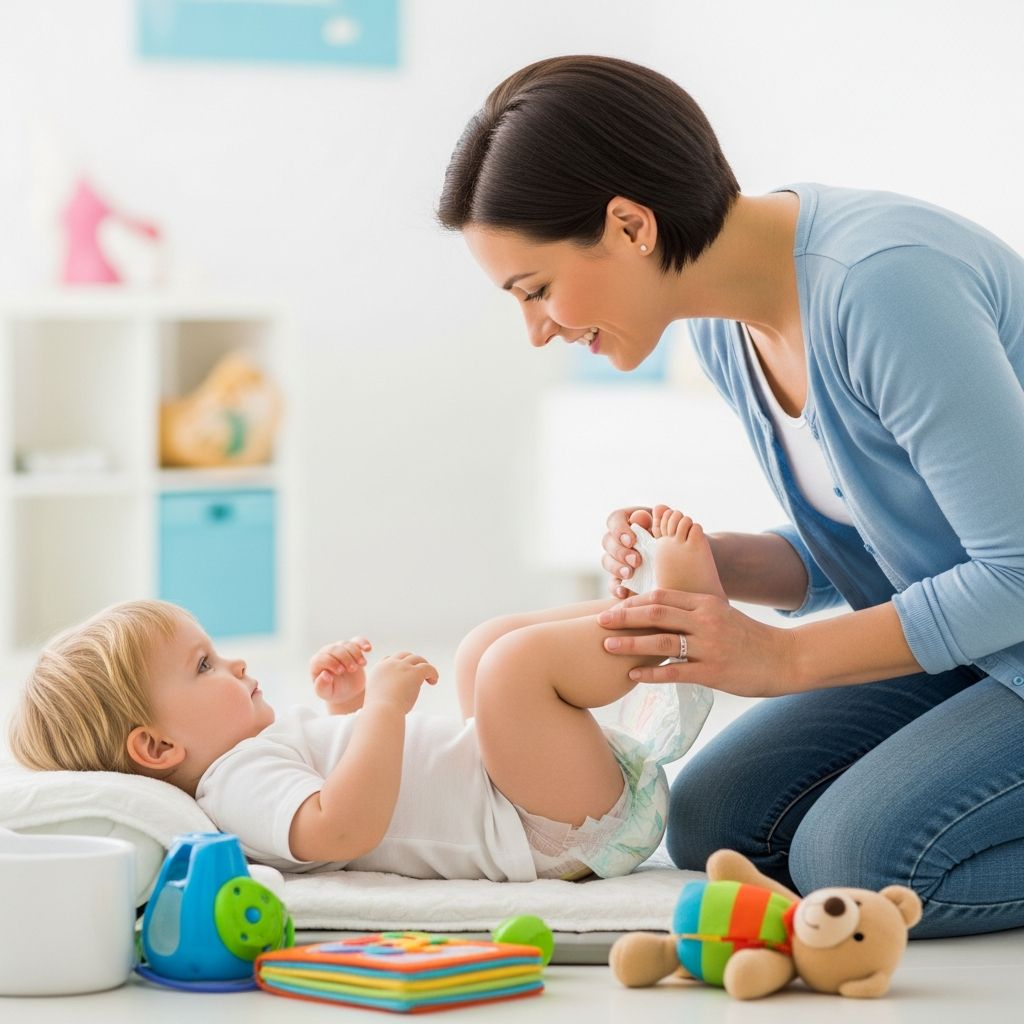
Understanding Toddler Resistance to Diaper Changes
Many parents face the challenge of toddlers who resist diaper changes, often leading to frustration and stress for both parties. This resistance is a normal part of toddler development, as children begin to assert their independence and seek control over their routines. Recognizing that this behavior is not personal but rather a developmental milestone can help parents approach diaper changes with patience and empathy.
Why Toddlers Resist Diaper Changes
- Toddlers may feel a loss of control when told what to do, especially during activities like diaper changes.
- Some children dislike being interrupted during play or other favorite activities, making transitions difficult.
- Physical discomfort, such as cold air or previous experiences with rashes, can also contribute to resistance.
- Changes in routine or environment, such as a new changing table or location, can make toddlers anxious.
Effective Strategies for Smoother Diaper Changes
Implementing a few key strategies can help reduce resistance and make diaper changes more manageable for both parent and child.
Distraction Techniques
- Use toys, music, or songs to keep toddlers engaged during the process.
- Introduce special “diaper-time” toys that are only available during changes to create excitement.
- Offer a pacifier or favorite comfort item to soothe and distract.
- Try finger fidgets or stress balls to keep little hands busy.
Empowering Toddlers with Choices
- Let toddlers choose which toy to bring, what song to sing, or what snack to have afterward.
- Ask for their help, such as handing over wipes or holding the fresh diaper, to increase their sense of involvement.
- Allow them to pick their own diaper or changing location if possible.
Creating a Consistent Routine
- Establish a predictable diaper change routine, such as always changing after waking up or before bedtime.
- Use the same words or signals to indicate it’s time for a diaper change, helping toddlers anticipate what’s coming.
- Keep all necessary supplies within easy reach to minimize disruptions.
Adapting the Changing Environment
- Try changing diapers on the floor or in a different location if the changing table is a source of anxiety.
- Ensure the room is warm and comfortable to prevent discomfort from cold air.
- Replace the changing mat or use a different surface if the current one is disliked.
Standing Diaper Changes
As toddlers grow more mobile, standing diaper changes can be a practical solution to minimize power struggles and promote independence.
- Choose a safe, contained space like a bathroom or bathtub for standing changes.
- Practice the technique: fan out the diaper, attach one side, then the other, and adjust as needed.
- Use a seat reducer or have the child sit on the toilet for easier cleaning, especially with messy diapers.
- Standing changes can help toddlers feel more in control and reduce resistance.
Additional Tips for Success
- Work quickly to minimize the time spent on the changing table.
- Offer praise, kisses, or gentle tickles after a successful change to reinforce positive behavior.
- Be patient and flexible—toddlers may cooperate one day and resist the next.
- Address any physical discomfort, such as rashes, promptly and consider switching diaper brands if irritation persists.
- Imitate the diaper change on a favorite doll to make the process more familiar and fun.
FAQs About Diaper Changes with Resistant Toddlers
Why does my toddler hate diaper changes?
Toddlers may resist diaper changes due to a desire for independence, discomfort, or negative past experiences. Understanding their perspective and using distraction or choice can help reduce resistance.
How can I make diaper changes less stressful?
Creating a consistent routine, using distraction techniques, and empowering toddlers with choices can make the process smoother and less stressful for everyone involved.
Is it safe to change a diaper while my toddler is standing?
Yes, standing diaper changes can be safe and effective, especially in a contained space like a bathroom. Practice the technique and ensure the area is child-proofed for safety.
What should I do if my toddler runs away after a diaper change?
It’s common for toddlers to want to play after a change. Let them play for a bit while you clean up, as long as there’s no immediate need for clothing or hygiene.
How can I help my toddler feel more comfortable during diaper changes?
Keep the environment warm, use familiar routines, and offer comfort items or distractions. Address any physical discomfort promptly and be patient with their evolving needs.
Conclusion
Diaper changes with resistant toddlers can be challenging, but with patience, creativity, and consistent routines, parents can make the process smoother and less stressful. By understanding the reasons behind resistance and implementing effective strategies, both parent and child can navigate this stage with greater ease and positivity.