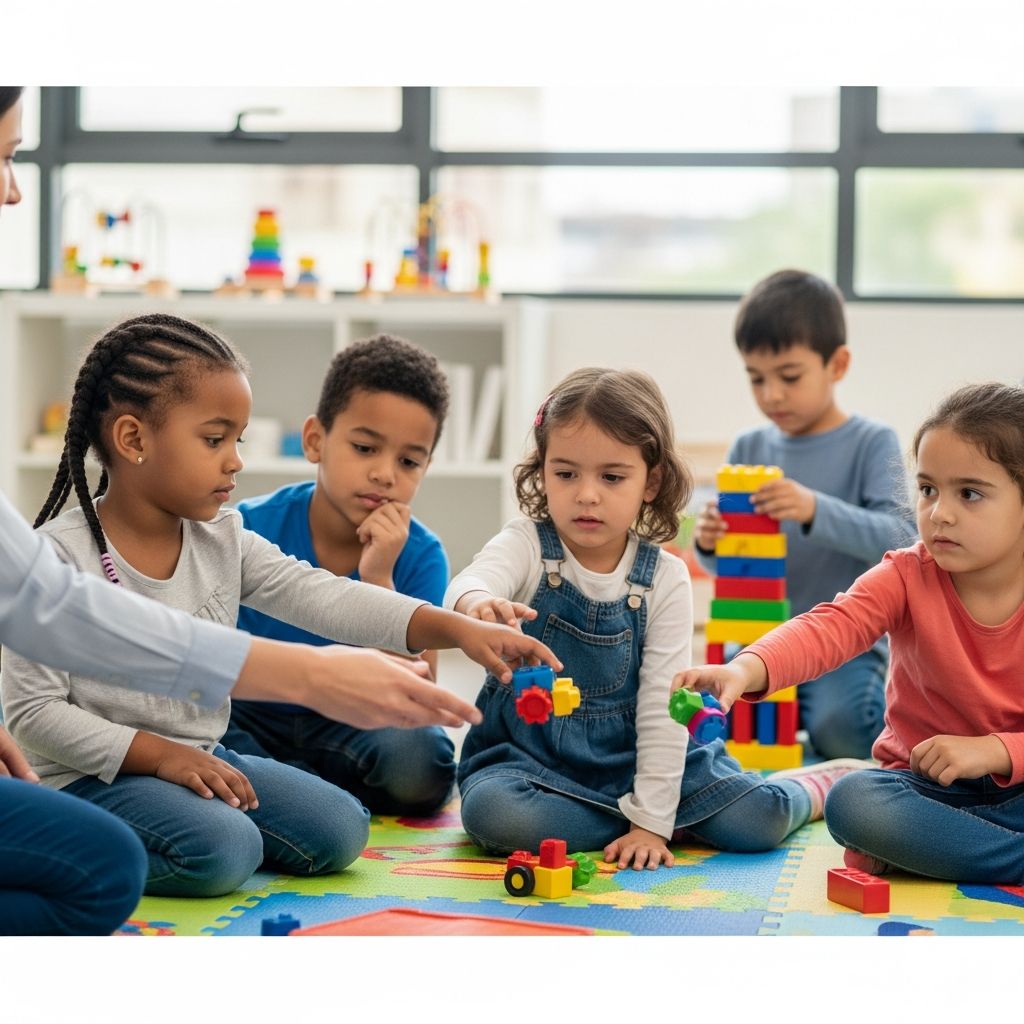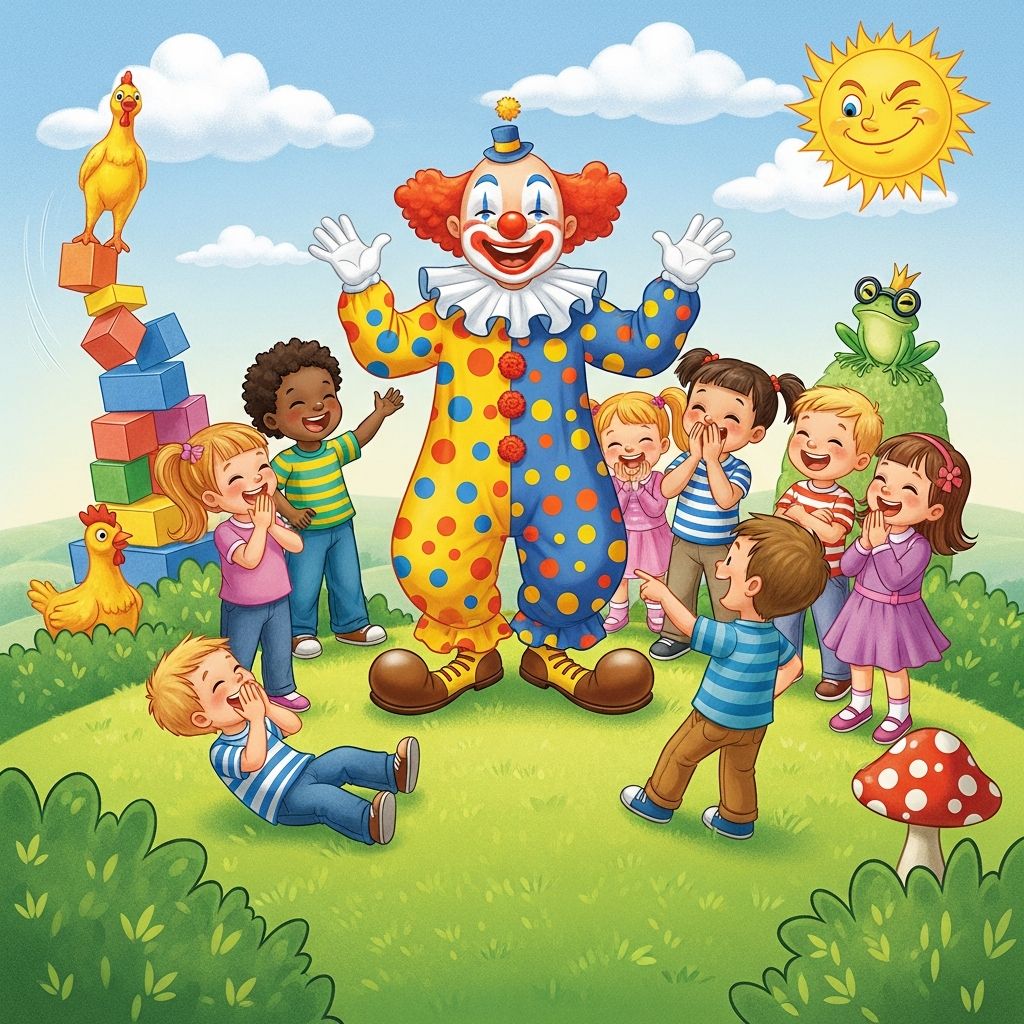
Children possess an uncanny ability to find profound joy in the simplest, most absurd forms of humor. What adults might dismiss as **silly jokes** often become the highlight of a kid’s day, eliciting peals of laughter that light up the room. These seemingly trivial quips play a vital role in child development, fostering emotional resilience, cognitive skills, and family connections. Far from being mere distractions, they teach kids to embrace awkwardness, navigate social cues, and revel in wordplay.
The Hidden Power of Goofy Humor in Growing Minds
Humor researcher Marc Hye-Knudsen argues that what makes dad-style jokes effective is their deliberate unfunniness, which builds children’s tolerance for embarrassment. By repeatedly sharing corny puns, parents model vulnerability, showing that self-deprecation is safe and endearing. This exposure helps kids develop a ‘natural immunity’ to judgment, empowering them to express themselves freely as adults.
Psychological studies highlight how laughter correlates with intellectual milestones. For instance, a child’s glee at peekaboo signals object permanence understanding, while later giggles at nonsense words mark language mastery. These moments transform tension into relief, reinforcing neural pathways for prediction and problem-solving.
How Humor Evolves with a Child’s Age
Children’s comedic preferences shift predictably, mirroring cognitive leaps. Here’s a breakdown:
- Infants (0-2 years): Thrilled by surprise elements like peekaboo, where anticipation resolves into joy, honing early prediction skills.
- Toddlers (2-4 years): Obsessed with bodily function gags and rhymes, as they grapple with language and potty training independence.
- Early School Age (5-7 years): Drawn to riddles exploiting logic gaps, like animals in absurd scenarios, celebrating newfound reasoning prowess.
- Middle Childhood (8-10 years): Enjoy puns and wordplay, mastering multiple meanings and social nuances.
- Pre-Teens (11+ years): Shift to edgier, group-specific banter, using jokes to test boundaries and affirm peer identities.
This progression underscores humor’s role as a developmental compass, with each stage’s laughs revealing mental hurdles overcome.
Top Silly Jokes for the Youngest Gigglers (Ages 2-4)
Toddlers crave repetition and slapstick. Try these originals to ignite belly laughs:
- Why did the banana go to school? It wanted to improve its appeel!
- What do you call a sleeping cow? A bull-dozer!
- Why can’t you tell a joke to an egg? It might crack up!
- How do puppies say hello? With a big paw-ty!
- What’s a frog’s favorite game? Hop-scotch!
These rely on sound similarities and animal antics, perfect for pint-sized audiences craving the familiar twisted unexpectedly.
Riddles That Challenge Young Thinkers (Ages 5-7)
At this stage, kids adore brain-teasers highlighting cleverness over the elephant in the strawberry patch. Sample these fresh ones:
- What has a head, a tail, but no body? A coin!
- Why did the scarecrow win an award? He was outstanding in his field!
- How do you make a tissue dance? Put a little boogie in it!
- What do you call cheese that isn’t yours? Nacho cheese!
- Why did the bicycle fall over? It was two-tired!
Encourage kids to ponder, then cheer their ‘aha!’ moments—these build logical confidence.
Pun-Filled Fun for School-Agers (Ages 8-10)
Word wizards shine here. Pun-heavy jokes flex vocabulary and double meanings:
- Why don’t eggs tell jokes? They’d crack everyone up!
- What do you call a fake noodle? An impasta!
- Why did the math book look sad? It had too many problems!
- How does a penguin build its house? Igloos it together!
- Why can’t you give Elsa a balloon? She’ll let it go!
These sharpen linguistic agility, linking sounds to surprises.
Edgy Chuckles for Tweens (Ages 11+)
Pre-teens favor sly, relatable zingers testing social savvy:
- Why did the golfer bring two pairs of pants? In case he got a hole in one!
- What do you call a bear with no teeth? A gummy bear!
- Why don’t scientists trust atoms? They make up everything!
- How do you organize a space party? You planet!
- Why was the computer cold? It left its Windows open!
Such humor aids identity formation amid peer pressures.
Why These Jokes Work: A Psychological Breakdown
Peter McGraw’s benign violation theory posits humor arises from safe threats—like puns violating expectations mildly. For kids, this ‘violation’ (e.g., a duck’s bill pun) resolves harmlessly, sparking delight. Intelligence ties in too; pattern recognition in jokes mirrors IQ processes. Corny ones, deemed ‘dumb’ by adults, suit young brains building those skills.
| Age Group | Joke Style | Developmental Benefit |
|---|---|---|
| 2-4 | Slapstick/Sounds | Language basics, surprise tolerance |
| 5-7 | Riddles/Logic | Reasoning, prediction |
| 8-10 | Puns/Words | Vocabulary, abstraction |
| 11+ | Social/Sly | Peer bonding, norm-testing |
Boosting Family Bonds Through Laughter
Sharing jokes transcends entertainment; it fortifies relationships. Parents ’embarrassing’ themselves via bad puns signal unconditional love, easing kids’ self-consciousness. Regular giggle sessions reduce stress, enhance memory, and promote resilience. Pro tip: Tailor to interests—dino puns for fossil fans, space gags for astronauts-in-training.
Expand with games: Joke jars for dinner pulls, or ‘pun battles’ where losers do silly dances. Track laughs to see growth—fewer potty jokes signal maturity!
Customizing Humor for Every Kid
Not all children laugh alike. Shy ones prefer gentle riddles; energetic types crave physical comedy. Observe reactions: Eye-rolls mean up the corniness; silence prompts simpler setups. Cultural tweaks matter too—local idioms amp relatability.
For neurodiverse kids, predictable structures shine, minimizing overload while maximizing joy. Always prioritize consent; if a joke flops, laugh at yourself to model grace.
Frequently Asked Questions
What makes a joke ‘kid-friendly’?
Keep it clean, short, and visual—puns, animals, food themes avoid offense while sparking imagination.
Can too many jokes overwhelm children?
Moderation rules; 5-10 daily keeps fun fresh without fatigue. Watch for overstimulation cues.
Do girls and boys prefer different jokes?
By 10, boys lean physical/violent, girls verbal/social, but overlaps abound—focus on individual tastes.
How do I invent my own silly jokes?
Spot homophones (pair/pear), exaggerate scenarios, or flip expectations. Practice aloud for timing.
Are dad jokes really beneficial?
Yes—studies show they build embarrassment resilience and self-expression confidence.
More Joke Ideas by Theme
Animal Antics
- Why did the cow go to space? To see the moon!
- What’s a cat’s favorite color? Purr-ple!
Food Funnies
- Why did the tomato blush? It saw the salad dressing!
- What do you call a sad strawberry? A blue-berry!
School Shenanigans
- Why was the broom late? It overswept!
- What’s a teacher’s favorite nation? Donation!
These themed batches ensure endless variety, turning mundane moments into mirthful memories.
In wrapping up, embracing **silly jokes** unlocks profound growth. They bridge generations, heal divides, and remind us: Laughter is timeless, essential, and gloriously dumb in the best way.
References
- Dad Jokes: The Power of Good, Best — ABC7. 2023-approx. https://abc7.com/post/dad-jokes-the-power-of-good-best/12993203/
- ‘Dad Jokes’ Help Kids Develop Into Healthy Adults: Study — J&R Report, British Psychological Society. 2023-03-21. https://jrreport.wordandbrown.com/2023/03/21/dad-jokes-help-kids-develop-into-healthy-adults-study/
- Humor As a Key to Child Development — Psych Central. N/A. https://psychcentral.com/lib/humor-as-a-key-to-child-development
- Intelligence & Humour: Are Smart People Funnier? — Open Colleges. N/A. https://www.opencolleges.edu.au/blogs/articles/intelligence-humour-are-smart-people-funnier
- What makes things funny? With Peter McGraw, PhD — American Psychological Association. N/A. https://www.apa.org/news/podcasts/speaking-of-psychology/humor-theory