Swearing among children is a common phase that can test parental patience, but it presents valuable opportunities for teaching respect and emotional intelligence. Pediatric experts emphasize that addressing profanity calmly and consistently helps children develop healthier communication habits without escalating conflicts.
Understanding the Roots of Profanity in Kids
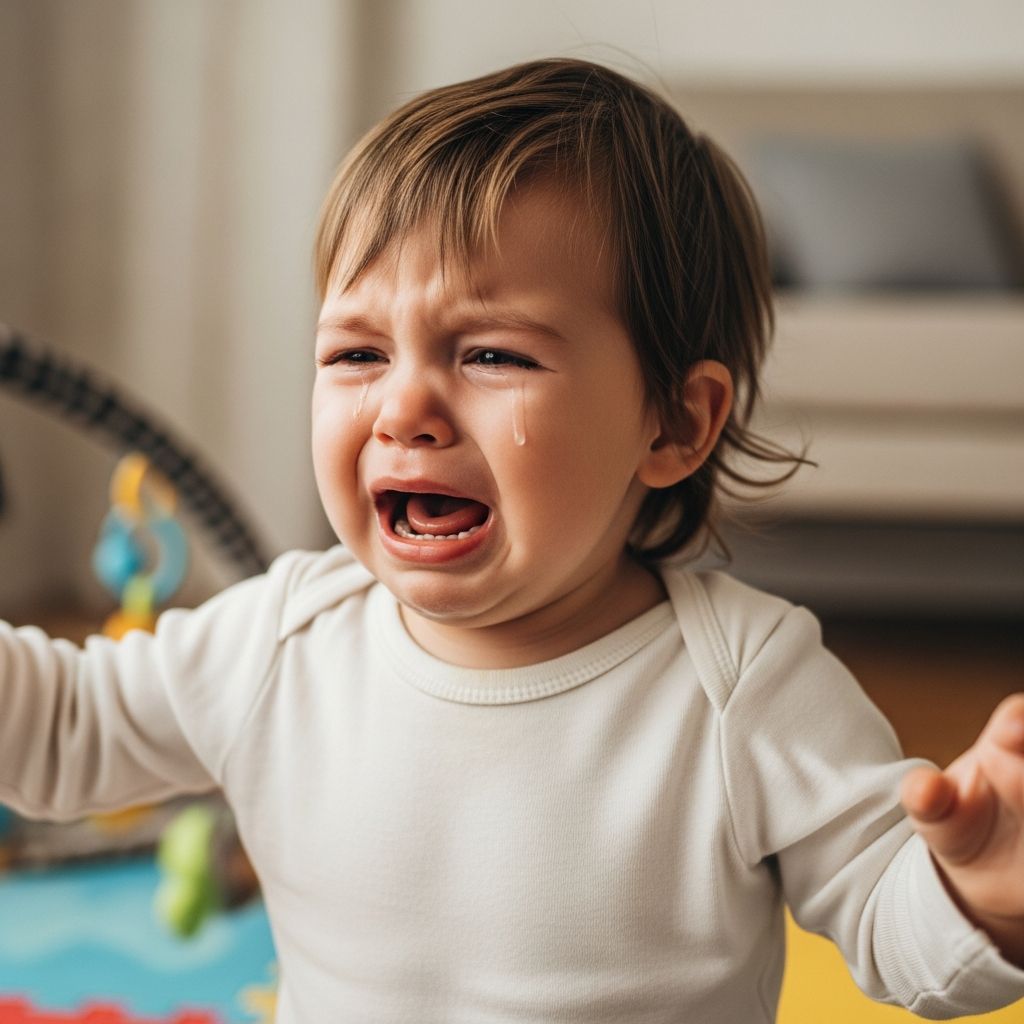
Children often experiment with swear words due to curiosity, imitation, or emotional overload. Youngsters under age 4 may repeat words without grasping their impact, viewing them as powerful sounds that elicit reactions. Older kids might use profanity to express frustration, seek attention, or fit in with peers. Recognizing these triggers—such as anger, media exposure, or family dynamics—allows parents to respond proactively rather than reactively.
Developmentally, profanity peaks during middle childhood as language skills expand and social influences grow. Sources from pediatric organizations note that this behavior is nearly universal but fades with guidance. Ignoring the context can lead to repeated incidents, while understanding it enables targeted interventions.
Building a Foundation: Establish Clear Household Language Guidelines
Creating explicit family rules on acceptable speech forms the bedrock of profanity management. Begin by convening all caregivers to align on boundaries—what words are off-limits and why. For instance, designate certain terms as disrespectful due to their potential to hurt feelings, regardless of cultural nuances.
- Hold family meetings during calm times to introduce rules, like “We use kind words that build others up.”
- Display a simple chart of approved expressions for quick reference, especially for younger children.
- Adapt rules by age: Toddlers need basic directives like “That’s not a nice word,” while school-age kids benefit from discussions on word impacts.
Consistency across siblings and adults reinforces these standards, preventing confusion and resentment. Pediatric guidelines stress that unified enforcement signals the seriousness of respectful dialogue.
The Power of Parental Modeling in Language Development
Children learn speech patterns primarily by observing adults, making parents the most influential role models. If caregivers slip into profanity during stress, kids are likely to mirror it. Commit to family-friendly alternatives like “darn” or “fiddlesticks” to demonstrate control.
Expand this by narrating emotions aloud: “I’m feeling frustrated, so I’ll take a deep breath.” This not only curbs swearing but teaches emotional vocabulary. Studies from child development resources highlight that modeled behavior trumps verbal instructions, as kids internalize what they witness repeatedly.
| Common Triggers | Modeled Alternative Response |
|---|---|
| Traffic jam frustration | “This is annoying; let’s listen to music instead.” |
| Argument with spouse | “I’m upset right now; I need a moment to cool down.” |
| Child’s mess-up | “That’s disappointing, but we can fix it together.” |
Immediate Responses: Staying Composed When Swearing Occurs
Your reaction shapes future behavior. Overreacting with anger or laughter grants the word undue power, encouraging repetition. Instead, employ “planned ignoring” for initial offenses: no eye contact, no comment, allowing the behavior to extinguish without reinforcement.
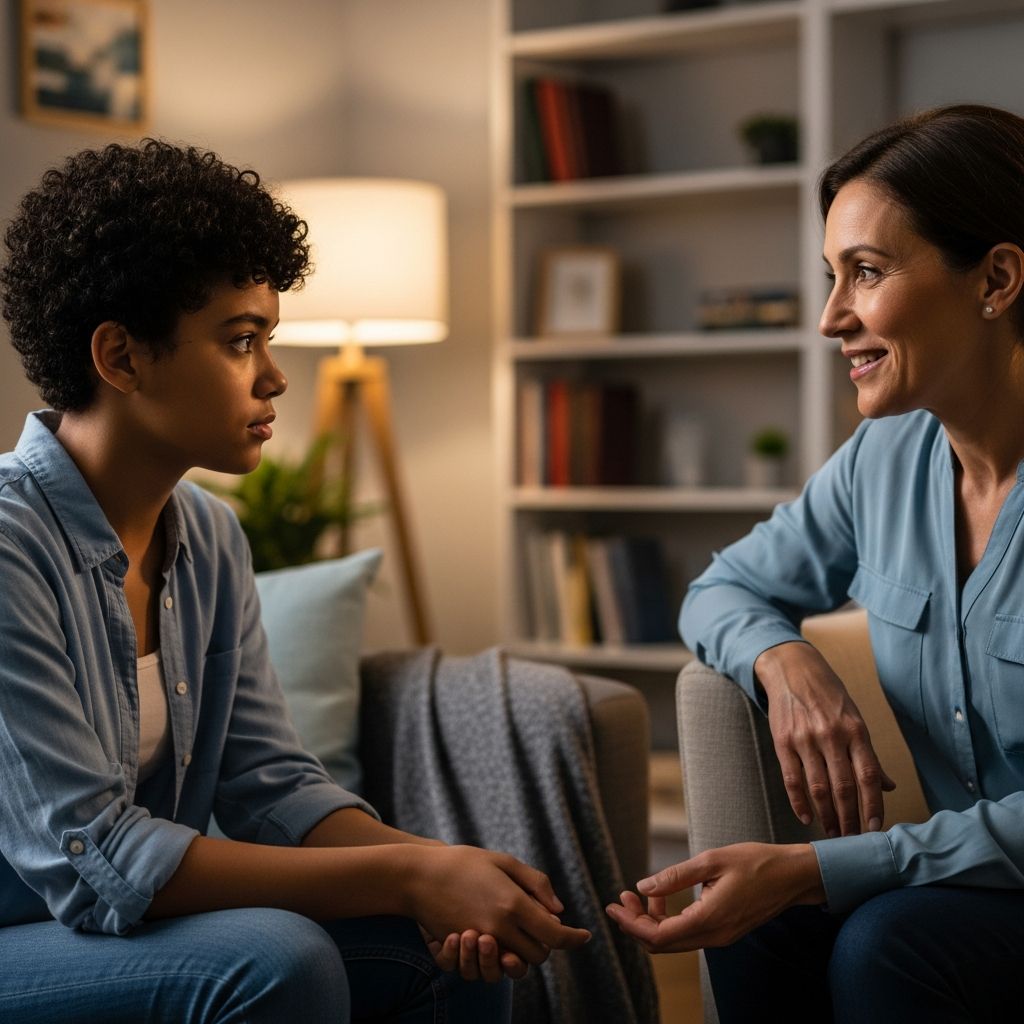
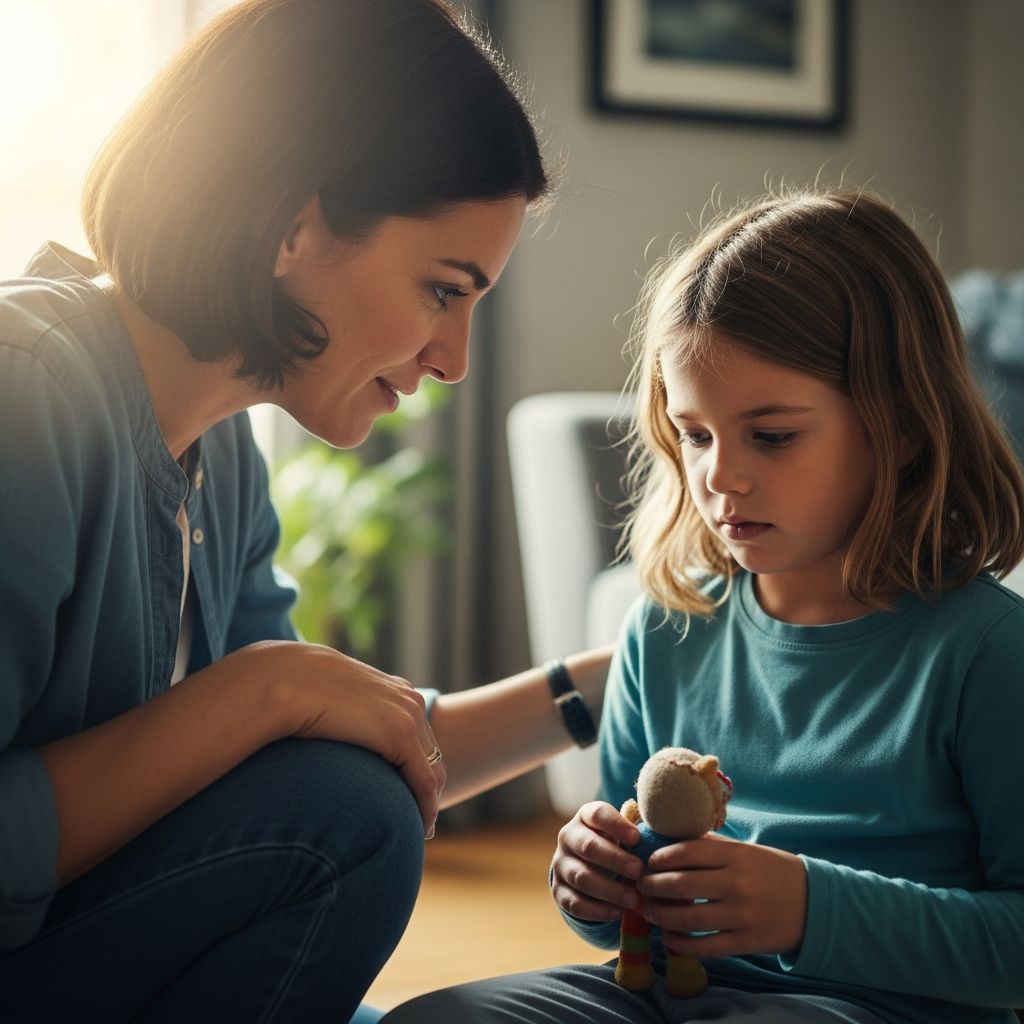
If persistence continues, address it calmly post-incident. Say, “That word isn’t okay in our home because it can hurt feelings. Next time, try saying ‘I’m mad.'” This educates without shaming. For attention-seeking swearing, redirect silently to positive interactions.
Implementing Consequences That Teach, Not Punish
Consequences should link directly to the behavior, promoting understanding over fear. Age-appropriate options include brief time-outs for preschoolers or privilege loss—like 10 minutes less screen time—for older kids. Always explain: “Swearing led to this break so you can choose better words next time.”
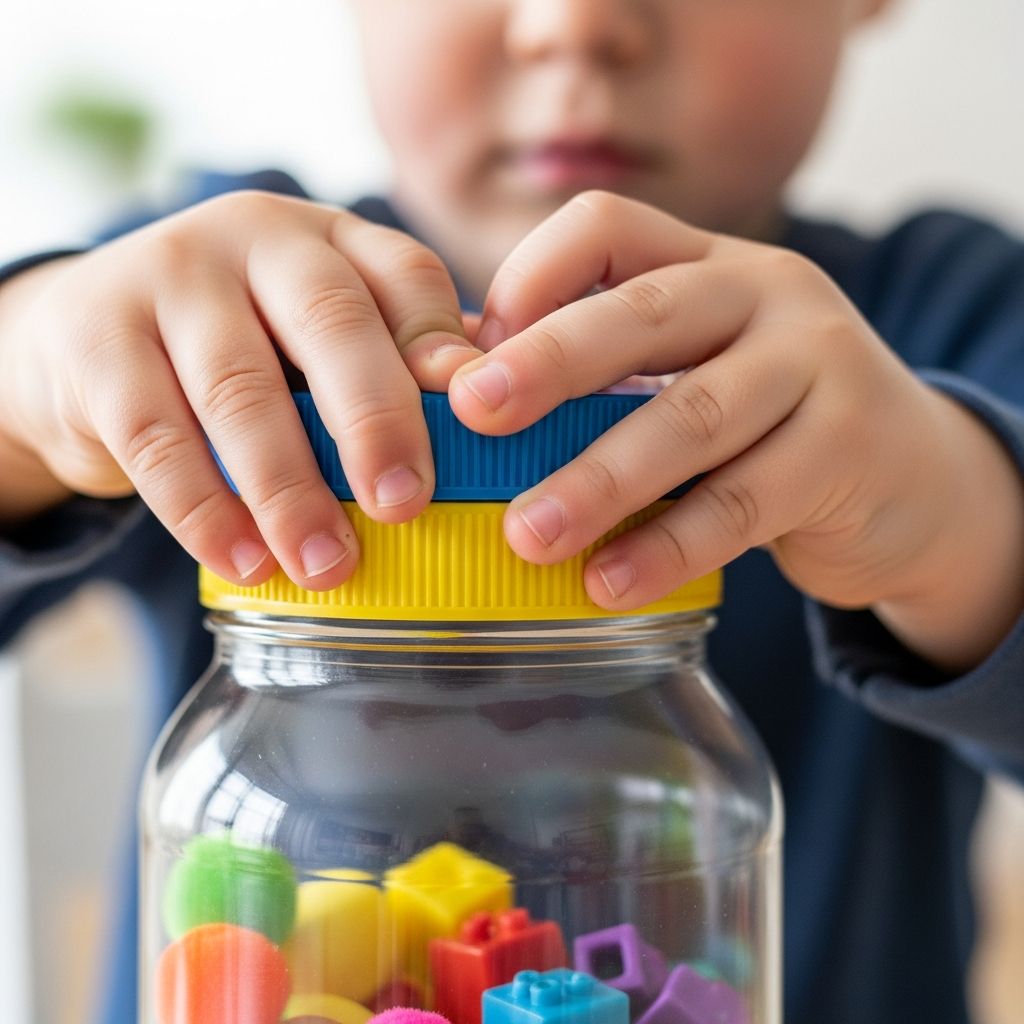
Avoid extremes like mouth-soaping, deemed ineffective and harmful by child health authorities. Track progress visually: Use a jar system where good days add tokens toward rewards, deducting for infractions. This gamifies improvement, boosting motivation.
- Preschoolers: 2-minute reset with a feeling chart nearby.
- School-age: Loss of gadget for the evening, paired with apology practice.
- Teens: Community service tie-in, like helping a neighbor, to emphasize respect.
Enhancing Emotional Expression to Replace Swearing
Profanity often masks unarticulated feelings. Build your child’s toolkit with emotion words: angry, disappointed, excited. Use daily check-ins: “How are you feeling after school?” Incorporate tools like feeling wheels or storybooks depicting characters handling upset respectfully.
Role-play scenarios: “Pretend your toy broke—what do you say?” Praise successes lavishly: “Great job saying ‘I’m frustrated’ instead!” This positive reinforcement, per pediatric advice, strengthens neural pathways for appropriate expression. Over time, kids gain confidence in voicing needs without crude language.
Navigating External Influences: Media and Peers
Swearing permeates music, shows, and playgrounds, challenging home rules. Curate media consumption, opting for content with positive language. Discuss encounters: “What did that character say, and why might that upset someone?”
For peer-induced profanity, coach responses like walking away or reporting to teachers. Reinforce home as a safe, clean-speech zone, contrasting external chaos. Limit unmonitored exposure to foster discernment.
Long-Term Success: Positive Reinforcement and Monitoring Progress
Rewards cement change faster than punishment alone. Celebrate milestones—a swear-free week—with outings or stickers. Track patterns in a family journal to adjust strategies, noting improvements in emotional control.
Reevaluate rules periodically as kids mature, involving them in refinements to build ownership. Persistence pays off; most children outgrow habitual swearing with steady guidance, emerging as articulate communicators.
Frequently Asked Questions (FAQs)
What if my child swears at school?
Collaborate with teachers for consistent handling. Discuss home strategies and reinforce them upon return, focusing on peer pressure coping skills.
Is ignoring swearing always best?
For first-timers or attention bids, yes. Persistent cases require calm teaching moments to clarify expectations.
How do I handle my own swearing slips?
Apologize promptly: “I used a bad word; that’s not how we talk here.” Model recovery to teach accountability.
What about cultural differences in language?
Tailor rules to family values while explaining contexts. Focus on intent to respect others.
When should I seek professional help?
If swearing accompanies aggression, withdrawal, or family trauma, consult a pediatrician or counselor for underlying issues.
References
- My Child Swore. Now What? A Pediatrician’s Guide — Wake Forest Pediatrics. 2023-05-15. https://wakeforestpediatrics.com/my-child-swore-now-what/
- What to Do When Your Child Swears — Nationwide Children’s Hospital. 2021-11-10. https://www.nationwidechildrens.org/family-resources-education/700childrens/2021/11/what-to-do-when-your-child-swears
- Swearing: Toddlers and Preschoolers — Raising Children Network (Australian Government-funded). 2024-02-20. https://raisingchildren.net.au/preschoolers/behaviour/common-concerns/swearing-preschoolers
- Swearing — American Academy of Pediatrics (HealthyChildren.org). 2023-08-12. https://www.healthychildren.org/English/family-life/family-dynamics/communication-discipline/Pages/Swearing.aspx
- Handling Child Profanity — Boys Town Pediatrics. 2024-01-08. https://www.boystownpediatrics.org/knowledge-center/handle-child-profanity