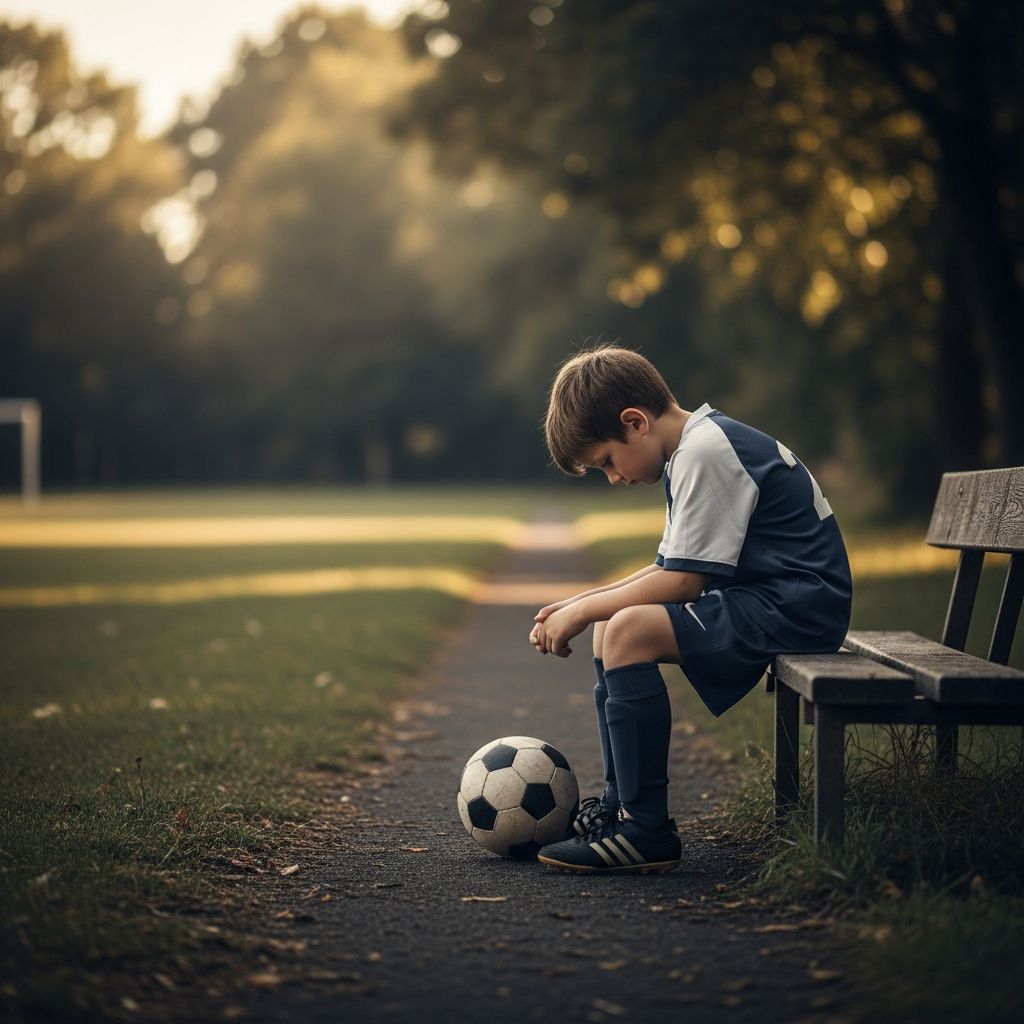
Understanding the Root Causes of Athletic Disengagement in Children
Many parents invest significant time and resources into their children’s athletic pursuits, hoping to foster healthy habits, build confidence, and create lasting memories. However, a growing number of young athletes are stepping away from sports entirely, leaving parents bewildered about what went wrong. The disconnect between parental expectations and a child’s actual experience in sports often stems from misunderstandings about what truly motivates children to participate in physical activities. Understanding these underlying causes is the first step toward creating a more positive athletic environment for your child.
The Joy Factor: When Sports Stop Being Enjoyable
Research consistently demonstrates that children participate in sports primarily because they find the experience enjoyable. When the focus shifts from play and fun to competitive outcomes and performance metrics, many young athletes lose their initial enthusiasm. The transformation of a recreational activity into a high-pressure endeavor can fundamentally change a child’s relationship with sports.
Parents and coaches who overemphasize winning, medals, or elite rankings inadvertently communicate that a child’s worth is tied to their athletic performance. This creates anxiety and reduces the intrinsic motivation that initially drew children to sports. Instead of looking forward to practice and games, children begin to dread them, eventually choosing to quit altogether.
Unrealistic Developmental Expectations and Physical Strain
One of the most common mistakes parents make is expecting their children to train and perform like miniature adults. A child’s body, mind, and emotional capacity are fundamentally different from those of teenagers or adults. Young athletes may lack the physical maturity to handle repetitive, intense training regimens designed for older age groups.
When parents push children to maintain rigorous practice schedules or expect professional-level commitment and focus from elementary school-aged participants, they create unnecessary physical and psychological stress. Children need age-appropriate activities that allow for gradual skill development while maintaining the element of play that makes sports worthwhile.
The Impact of Parental Behavior During Competition
Parental conduct at games and practices significantly influences whether children continue or abandon their sports involvement. Behaviors that undermine a child’s experience include:
- Public embarrassment through negative comments about performance or appearance
- Coaching from the sidelines and second-guessing the actual coach’s decisions
- Yelling at referees or other officials
- Using derogatory language or making degrading comparisons
- Displaying visible disappointment in your child’s performance
These actions communicate to children that their value as individuals is contingent upon athletic success and that they are a source of disappointment to their parents. Such experiences create lasting psychological impacts that extend far beyond the playing field. Children internalize these messages and often experience anxiety, low self-esteem, and resentment toward both sports and their parents.
The Comparison Trap and Its Damaging Effects
Parents frequently make comparisons between their child and teammates or peers without realizing how these remarks are being received. Even seemingly innocent observations like “That player has excellent form” can be interpreted by a child as criticism of their own abilities. More direct comparisons—such as questioning why a child cannot perform like a sibling or teammate—are deeply harmful and demoralizing.
Children who constantly hear that their efforts fall short of others’ achievements develop a fixed mindset about their athletic abilities. This creates a self-fulfilling prophecy where children believe they are inherently inferior athletes, leading them to withdraw from sports rather than face continued comparisons.
Loss of Autonomy and Personal Control
A critical factor in children’s decision to abandon sports is the loss of ownership over their athletic experience. When coaches and parents make every decision, criticize every movement, and provide constant commentary on performance, children feel controlled rather than empowered. They shift from being active participants in their own development to being passive subjects of adult scrutiny.
Children thrive when they have some degree of autonomy and can make choices about their participation. When every action is monitored and every mistake is immediately addressed, children seek environments where they have more freedom and less judgment. Many turn to alternative activities where they experience greater agency and less adult interference.
Playing Time and Meaningful Participation
Young athletes want to play, not sit on the bench. Research shows that approximately 90% of children would rather play meaningful minutes on a losing team than occupy a bench on a winning team. Yet many youth sports programs emphasize winning above all else, resulting in coaches who only play the athletes most likely to secure victories in the moment.
This approach drives countless talented children away from sports. When a child rarely or never gets into games, they question their place on the team and their value to the group. The frustration and disappointment eventually override any enjoyment they might have gained from participation, prompting them to quit.
The Burden of Over-scheduling and Burnout
Contemporary youth sports culture often involves children participating in travel teams, competitive leagues, and year-round commitments starting as early as elementary school. While parents may attribute this intensive involvement to their child’s passion, the reality often involves significant family disruption and child exhaustion.
When children maintain multiple practices weekly, attend weekend tournaments, and sacrifice downtime and social opportunities, the cumulative stress becomes unsustainable. Many young athletes experience burnout—complete emotional and physical exhaustion related to sports—by middle school. These children often become disillusioned not only with the particular sport but with athletic activity in general.
Living Vicariously Through Your Child’s Athletic Performance
Some parents project their own athletic aspirations or disappointments onto their children. Those who were unsuccessful athletes in their youth may pressure their children to achieve the success they never experienced. Conversely, former athletes who had success sometimes expect their children to replicate their accomplishments, becoming critical or disappointed when their children pursue different interests.
Children recognize when their participation is about fulfilling a parent’s dream rather than their own interests. This awareness creates resentment and guilt, making sports feel like an obligation rather than an opportunity for personal growth and enjoyment. Over time, children rebel against this pressure by walking away from athletics entirely.
The Fear of Making Mistakes and Taking Risks
Athletic development requires trying new techniques, experimenting with strategies, and inevitably making mistakes. However, when coaches and parents respond to errors with criticism, benching, or yelling, children develop a fear of failure that is antithetical to learning and improvement.
Young athletes need environments where mistakes are treated as learning opportunities rather than character flaws. When children feel safe to fail without fear of ridicule or punishment, they develop resilience and continue to challenge themselves. Conversely, cultures of fear drive children away from sports because the psychological cost of participation outweighs any potential benefits.
Absence and Lack of Parental Support
While excessive parental involvement can be harmful, insufficient parental presence sends a different negative message. When parents fail to attend games or show interest in their child’s athletic involvement, children interpret this as indifference. They conclude that their participation doesn’t matter because the people they most want to impress are not paying attention.
Consistent parental attendance at games and practices communicates that you value your child’s efforts and believe in their abilities. This support builds confidence and reinforces the child’s sense that their athletic journey is important and worthy of investment.
Disrespect and Loss of Coaching Quality
Children consistently identify respect and encouragement as the top characteristics of effective coaches. Yet many youth sports environments involve coaches who speak disrespectfully to young athletes, criticize their efforts in front of peers, or use shame and humiliation as motivational tactics.
When children feel disrespected by coaches or watch coaches treat other team members poorly, they no longer want to participate in that program. Additionally, if coaches lack the ability or willingness to help children improve—focusing instead only on current skill level—children see no path forward and become discouraged.
Table: Parental Behaviors That Promote Positive Athletic Engagement
| Positive Parental Approach | Expected Outcome |
|---|---|
| Allowing child autonomy in choosing sports | Increased intrinsic motivation and sustained interest |
| Praising effort over results | Development of growth mindset and resilience |
| Consistent attendance at games and practices | Enhanced confidence and sense of parental support |
| Maintaining reasonable practice schedules | Prevention of burnout and continued enjoyment |
| Creating safe-to-fail environments | Willingness to take athletic risks and improve |
Practical Strategies to Reinvigorate Your Child’s Athletic Interest
If you recognize that your child is losing enthusiasm for sports, immediate intervention can help reverse the trend. Begin by having an honest conversation with your child about their feelings regarding sports participation. Listen without judgment and ask what specifically is making them unhappy. The answer often reveals whether the problem stems from external pressure, fear of mistakes, lack of playing time, or other identifiable factors.
Adjust your own behavior first. Make a conscious commitment to attend games, provide encouraging feedback focused on effort rather than outcomes, and stop making comparisons. Allow your child greater autonomy in deciding whether to continue with their current sport or try something different. Ensure that practice schedules are manageable and leave room for unstructured play, rest, and other interests.
Communicate with your child’s coach about your concerns and work collaboratively to create a more positive experience. If the coach is unwilling or unable to provide a supportive environment, you may need to find a different team or program that aligns better with your child’s needs.
Frequently Asked Questions About Children and Sports Engagement
At what age should children start organized sports?
Most experts recommend waiting until children are at least 6 years old before introducing organized sports, as younger children benefit more from unstructured play. Start with age-appropriate activities emphasizing fun over competition.
How can I tell if my child genuinely dislikes sports or is just going through a phase?
Have open conversations with your child about their feelings. A phase usually involves temporary reluctance that passes, while genuine dislike is consistent and involves your child expressing they want to quit entirely. Pay attention to whether your child plays sports recreationally even if they’ve quit organized athletics.
Is it okay to push my child to continue with a sport if they want to quit?
Allowing children to finish a season if they committed is reasonable, but forcing continued participation against their will often creates resentment and damages their relationship with physical activity. Discuss their concerns seriously and work toward solutions rather than simply demanding they stay.
What if my child was passionate about sports but suddenly lost interest?
A sudden change often indicates a specific problem—a negative experience with a coach, conflict with teammates, pressure from you, or loss of playing time. Investigate what changed and address the underlying issue rather than assuming your child’s interest naturally faded.
Are there alternatives to traditional team sports for children who dislike sports?
Yes. Many children who dislike competitive team sports enjoy individual pursuits like swimming, martial arts, gymnastics, rock climbing, or running. Others prefer non-sport physical activities like dance, yoga, or skateboarding. The goal is finding movement activities your child genuinely enjoys.
How can I support my child’s athletic development without being overbearing?
Focus on showing interest rather than critiquing performance. Ask your child what they enjoyed about practice or games rather than what went wrong. Attend events consistently but avoid coaching from the sidelines. Praise effort, attitude, and resilience more than results.
References
- 7 Things Parents Do to Make Their Kids Hate Sports — All Pro Dad. Accessed January 2026. https://allprodad.com/7-things-make-kids-hate-sports/
- Why Kids Quit Sports — Changing the Game Project. Accessed January 2026. https://changingthegameproject.com/why-kids-quit-sports/