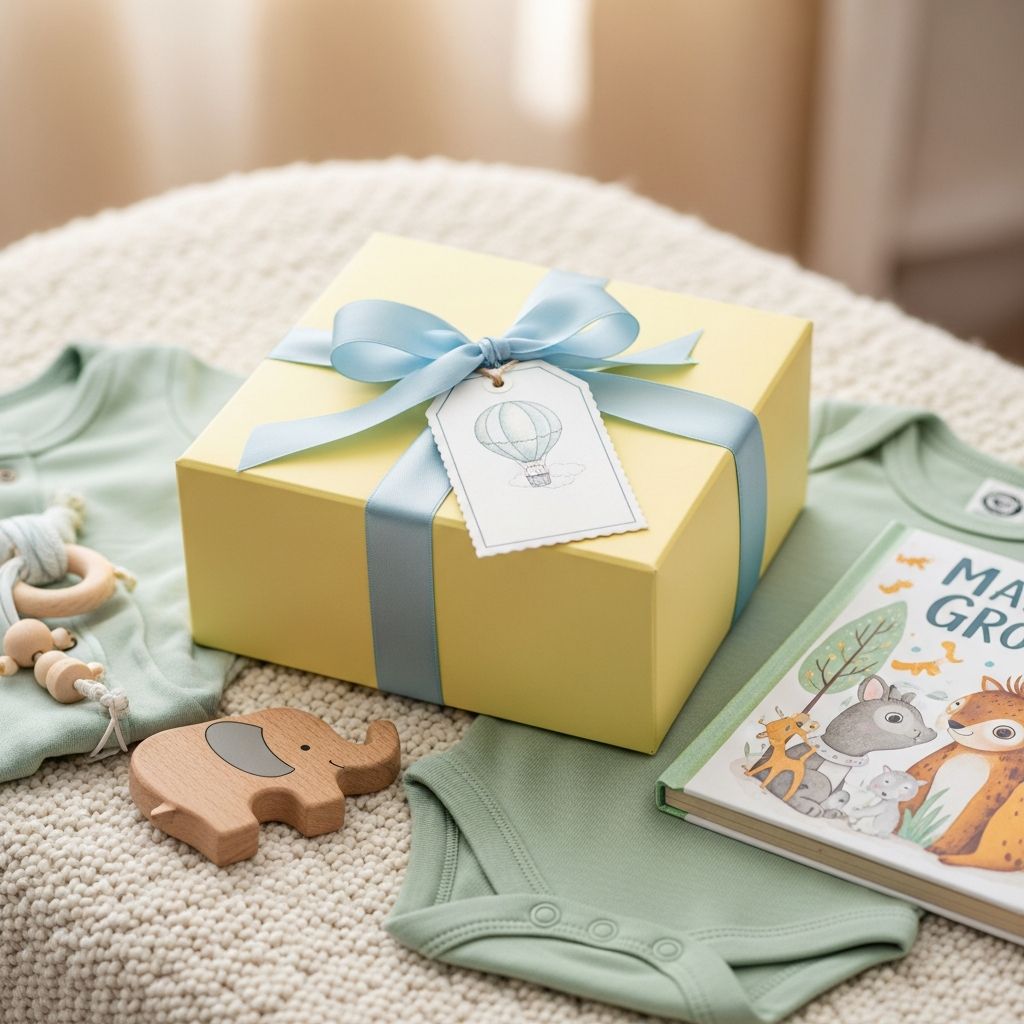
Many expectant parents feel uncomfortable with traditional baby registries, yet still want to give friends and family a way to offer help and celebrate a new arrival. This guide explains how to navigate gifts without a standard registry while staying true to your values.
Why Some Parents Skip the Registry
Traditional baby registries can feel transactional, especially for parents who prefer low-key celebrations, simplicity, or a more sustainable approach to baby gear. Instead of feeling joyful, creating a long list of products may feel like writing a shopping list for loved ones rather than inviting them into a meaningful life event.
Other parents avoid registries because they already have many hand-me-downs, live in small spaces, dislike clutter, or hold cultural or personal beliefs that make asking for specific items feel awkward. Whatever the reason, not having a registry is a valid choice that can absolutely coexist with the kindness of others.
Clarifying Your Priorities Before Sharing Them
Before explaining to anyone that you do not have a registry, it helps to be clear with yourself about what matters most. Once you know what you truly need and value, it becomes far easier to communicate those preferences calmly and confidently.
- Decide how much baby “stuff” you actually want in your home.
- Consider whether you value experiences, services, or practical help over physical gifts.
- Think about your budget, storage space, and long-term lifestyle.
- Discuss expectations with your partner so you present a united message.
When you and your partner share the same vision, you are less likely to feel pressured into saying yes to items you do not want or need, and more likely to give clear, kind guidance when people ask what they can buy.
Common Concerns About Having No Registry
Skipping a registry often comes with a few predictable worries. Parents sometimes fear that guests will feel lost without a list or that they will receive many duplicates or items that do not fit their values or lifestyle.
- Fear of seeming ungrateful: Parents may worry that declining a registry implies they do not appreciate generosity.
- Concern about waste: Without a list, loved ones might buy items that end up unused or quickly outgrown.
- Uncertainty about etiquette: Some parents simply are not sure what is polite to say when asked what they need.
These concerns are normal, but they can be softened with thoughtful communication, gentle boundaries, and a few strategic alternatives to a traditional registry.
Alternatives to the Classic Baby Registry
Choosing not to create a store-based registry does not mean you must abandon structure entirely. Many parents find a middle ground that offers guidance to guests while preserving a low-pressure, minimalist or values-based approach.
1. A Simple “Preferences” Note
Instead of a public registry, some parents share a short, informal note in invitations or group messages. This note briefly explains their general approach and offers broad suggestions without listing specific brands or products.
Consider focusing on categories rather than exact items.
- Preference for secondhand or pre-loved items.
- Emphasis on consumables like diapers, wipes, or bath products.
- Interest in books or music instead of toys.
- Support for experiences or services such as meal deliveries or housecleaning.
2. Group Gifts and Practical Funds
For parents who feel strange asking for many items, one larger shared gift can feel more comfortable. This might be a stroller, a crib, or a few months of diaper service paid for by several people together.
- Create a small, private list of one to three big essentials.
- Allow a shower host or close family member to manage contributions.
- Encourage optional participation and avoid minimum amounts.
Because guests often like feeling that they have helped with something substantial, a group gift can satisfy that desire without overwhelming your home with extra items.
3. Service-Based and Non-Material Gifts
Many new parents find acts of service more valuable than additional onesies or gadgets. Thoughtful non-material gifts can reduce stress and support mental health during the newborn period.
- Meal trains or frozen meal drop-offs.
- Gift certificates for housekeeping or laundry services.
- Babysitting or sibling care once the baby arrives.
- Errand runs, grocery deliveries, or pet care.
When friends ask what they can do, inviting them to help with practical tasks can feel more personal and meaningful than pointing to a store link.
4. Secondhand and Sustainable Gifting
If sustainability is important to your family, explicitly welcoming secondhand items can be liberating for everyone. Loved ones may already have barely used baby gear they are eager to pass along.
- Encourage gently used clothes, books, and toys.
- Mention that you are comfortable with pre-owned items when people ask.
- Specify a preference for durable, washable, or plastic-free items when possible.
This approach keeps things affordable, reduces waste, and creates a sense of continuity as items move from one family to another.
How to Communicate That You Do Not Have a Registry
The key to an easy no-registry experience is clear, warm communication. When guests understand your reasons and see that you value their presence more than their purchases, most people respond positively.
Talking Points for Invitations and Conversations
Whether you are planning a shower, a casual gathering, or no event at all, you can share your preferences simply and respectfully. You do not need a long explanation; just a few honest sentences will do.
- Emphasize that their presence, love, or support is the main gift.
- Share one or two broad categories of helpful gifts, if they insist on giving something.
- Mention any key constraints, such as limited space, travel, or moving plans.
- Keep your tone appreciative, not apologetic or defensive.
If a host is sending invitations, you can ask them to include a brief note summarizing your approach so guests do not feel confused when they notice there is no registry listed.
Answering the Question: “What Do You Need?”
This question will come up often, and it helps to be ready with simple, repeatable answers. Having a short list of two to four ideas makes it easier for both you and the person asking.
- Choose a few genuinely useful items that fit many budgets (such as diapers, books, or a local shop gift card).
- Offer a mix of physical items and service-based suggestions so people can choose what suits them.
- Stay flexible and express appreciation for any thoughtfulness, even if a gift does not perfectly match your preference.
When you give simple, concrete guidance, people feel more confident that their gift will be welcomed, even without a formal list to follow.
Managing Well-Intentioned but Unwanted Gifts
Even with careful communication, some gifts may not fit your needs, space, or values. Navigating these situations with grace can preserve relationships while maintaining your boundaries about clutter and consumption.
Gratitude First, Logistics Later
Regardless of the item, expressing sincere thanks for the thought behind a gift is almost always the best first step. The giver is celebrating a major transition in your life, and acknowledging that intention matters more than whether you keep the object forever.
- Send a timely thank-you note or message.
- Mention one specific thing you appreciate about their thoughtfulness.
- Avoid immediate comments about returns, receipts, or exchanging unless they bring it up.
After you have expressed appreciation, you can privately decide how to handle the item. You are not obligated to keep every gift simply because it was given.
Respectful Ways to Re-Home or Exchange Items
If a gift truly does not work for your family, there are several low-stress options. Your goal is to align your household with your values while still honoring the spirit in which the gift was given.
- Exchange for store credit or another size if a receipt is provided.
- Donate to a local shelter, parenting group, or mutual aid network.
- Share with another expecting family who might love and use it.
- Store a small number of sentimental items while letting go of others.
Remind yourself that the real gift is the relationship, not the object. It is acceptable to curate your home so that it remains functional and peaceful for your family.
Minimalist Baby Planning Without a Registry
Parents who gravitate toward a minimalist approach often feel the pressure of baby consumer culture most intensely. Without a registry acting as a blueprint, it can be hard to know what is truly necessary and what is merely nice to have.
Core Essentials vs. Extras
Separating absolute essentials from conveniences simplifies both your own planning and any guidance you share with others. A basic framework can function as a quiet, mental version of a registry that guides your decisions.
| Category | Essential Items | Nice-to-Have Extras |
|---|---|---|
| Sleep | Safe sleep space, fitted sheets | White noise machine, extra swaddles |
| Feeding | Bottles or nursing supplies, burp cloths | Bottle warmer, specialized pillows |
| Diapering | Diapers, wipes, diaper cream | Diaper pail, decorative changing table |
| Clothing | Onesies, sleepers, socks | Seasonal outfits, accessories |
| On-the-go | Car seat, simple carrier or stroller | Travel crib, multiple carriers |
When friends ask what you still need, you can reference this kind of mental list and share a gap, such as more sleepers in a certain size or a specific category like diapering or books.
Phased Buying Instead of Stockpiling
Another minimalist strategy is to avoid bringing everything home before the baby arrives. Instead of aiming to own every possible product on day one, some parents prefer to acquire items gradually, only when a true need appears.
- Start with the basics for the first six to eight weeks.
- Make a short list of “wait and see” items to assess after birth.
- Let loved ones know that gift cards or flexible support help you adjust over time.
This phased approach can reduce clutter, save money, and help you choose gear that matches your real baby’s temperament and your actual routines, rather than guesses.
How Hosts and Friends Can Support a No-Registry Parent
If you are a friend, relative, or shower host trying to respect a parent’s wish not to have a registry, you still have many ways to show up thoughtfully. The goal is to align your generosity with the family’s priorities.
Practical Ideas for Hosts
Shower hosts often feel responsible for guiding guests, especially when people are used to seeing registry information printed on invitations. With a bit of creativity, hosts can make the experience smooth for everyone.
- Include a brief note describing the parents’ general preferences (for example, secondhand, books, or experiences).
- Offer to coordinate a group gift or service fund for those who prefer structure.
- Center the event on celebration, games, or storytelling instead of presents alone.
By setting expectations gently from the beginning, hosts can reduce awkward questions and help guests feel confident in their choices.
Thoughtful Choices for Individual Gift-Givers
As a guest, it can feel unsettling to shop without a list. However, a no-registry approach creates space for more personal, values-aligned gifting that reflects your relationship with the parents.
- Ask directly what would be most useful, and listen closely to the answer.
- Pair a small physical gift with an offer of time or service.
- Consider contributions to basic ongoing costs, such as diapers or groceries.
In the absence of a registry, the most meaningful gifts often honor both the baby and the well-being of the new parents.
Frequently Asked Questions About Skipping a Baby Registry
Is it rude not to have a baby registry?
No. A registry is an optional tool, not a requirement. As long as you express appreciation for any kindness and are willing to offer simple suggestions when asked, skipping a registry is entirely polite.
What should I say on invitations instead of listing a registry?
You can ask your host to add a warm note that emphasizes presence over presents and, if needed, briefly mentions general preferences such as books, consumables, or secondhand items. The message can be short, friendly, and free of specific brand requests.
How do I handle people who insist on a registry?
Some family members or friends may be very attached to the idea of a registry because it feels familiar and convenient. You can acknowledge that perspective, explain your reasons calmly, and offer a small set of suggestions or a group-gift option instead of a full list.
Will I end up with too many random gifts?
It is possible to receive a few items that are not a perfect fit, but clear communication tends to reduce this significantly. Keeping a short mental list of practical needs and sharing it when asked helps guide people toward truly helpful gifts.
Can I change my mind and make a registry later?
Absolutely. Some parents begin without a registry and then create a small, private list when they realize it would relieve stress or clarify needs. Your choices around baby gifts and gear can evolve as you learn what works best for your family.
Embracing a Gift Culture That Matches Your Values
Choosing to welcome a baby without a traditional registry is ultimately about aligning your external plans with your internal values. Whether you care most about simplicity, sustainability, privacy, or simply avoiding pressure, you are allowed to design a gift culture that supports, rather than overwhelms, your growing family.
With honest communication, a few flexible alternatives, and a focus on relationships over retail, you can create space for generosity that feels authentic, balanced, and deeply appreciated—no standard registry required.