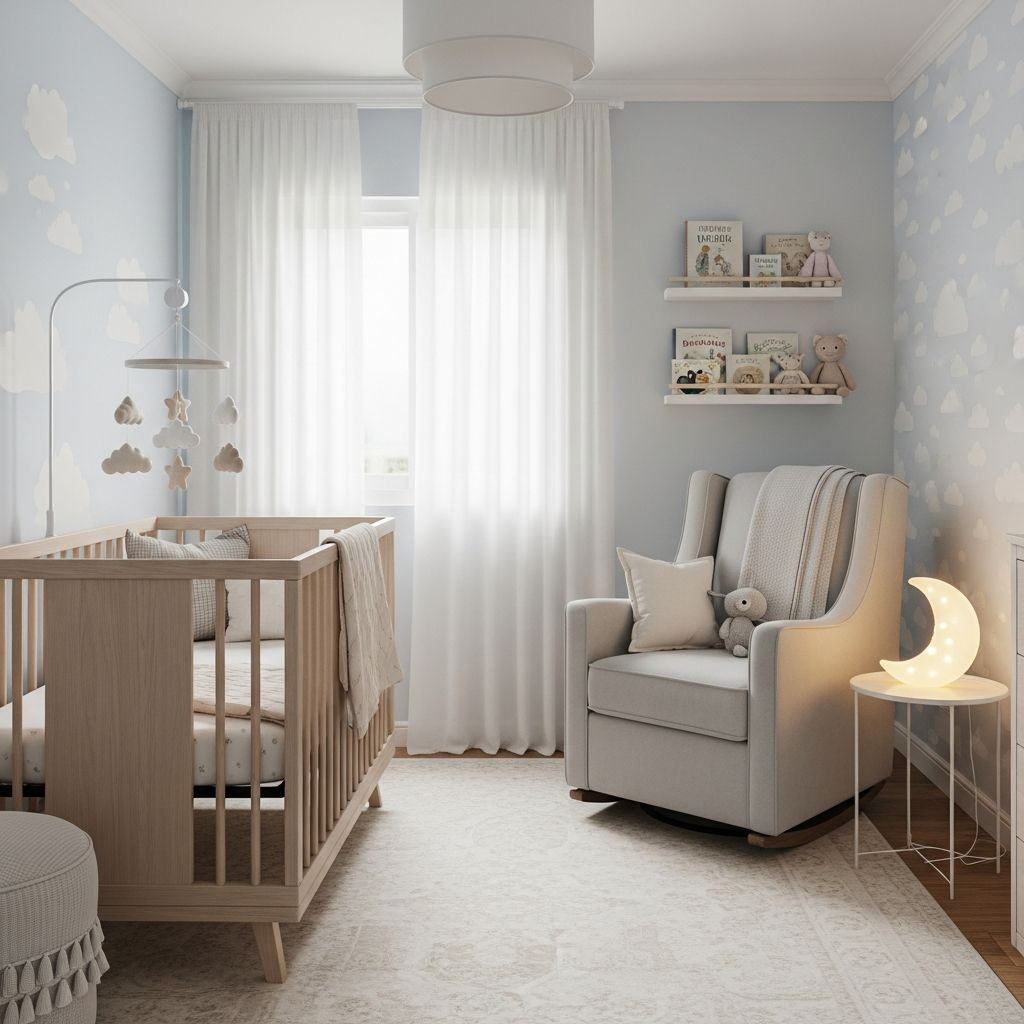
Creating the perfect nursery goes beyond aesthetics—it’s about engineering an environment that signals safety, comfort, and rest to your newborn. A well-designed space can significantly improve sleep quality, reducing night wakings and helping establish healthy circadian rhythms early on. Drawing from pediatric guidelines and sleep science, this guide outlines essential elements to prioritize for a nursery that nurtures deep, restorative sleep.
Selecting the Ideal Room Location
The foundation of a sleep-optimized nursery starts with its placement. Proximity to your bedroom is crucial for quick responses to nighttime needs without fully waking yourself. Opt for a room nearby but not directly sharing a wall to minimize disturbances from your own activities.
Consider natural ventilation and light patterns. Rooms with good airflow prevent stuffiness, while access to controllable natural light aids in setting day-night cues. An overhead fan provides gentle air circulation and subtle white noise, fostering a calming backdrop.
- Evaluate noise levels from household areas or streets.
- Ensure easy access for frequent visits during the early months.
- Prioritize spaces with windows for blackout treatments.
Mastering Light Control for Circadian Health
Light profoundly influences a baby’s developing sleep-wake cycle. Exposure to darkness at night boosts melatonin production, essential for consolidated sleep. Studies indicate babies in darker rooms gain up to 30 extra minutes of nightly sleep.
Install blackout curtains or shades that fully block external light sources, from dawn rays to streetlights. Layer with thermal-lined options for added insulation against temperature fluctuations. During day naps, maintain dimness to extend rest periods.
For nighttime, incorporate dimmable warm-toned lights. Red or amber bulbs mimic sunset hues, avoiding blue light that suppresses sleep hormones. A small nightlight suffices for changes, preserving the sleep signal.
| Light Type | Best Use | Sleep Benefit |
|---|---|---|
| Blackout Curtains | Day/Night | Blocks 100% light, extends sleep |
| Warm Nightlight | Feedings/Changes | Minimizes melatonin disruption |
| Dimmable Lamp | Bedtime Routine | Signals wind-down time |
Optimizing Temperature and Air Quality
A cool, consistent temperature between 68-72°F (20-22°C) is ideal, aligning with recommendations from sleep experts to prevent overheating—a risk factor for SIDS. Use a reliable thermometer and hygrometer to monitor conditions.
Invest in breathable fabrics for bedding and clothing. Natural fibers like cotton or bamboo wick moisture, maintaining comfort. A ceiling fan or low-speed white noise machine doubles as an air circulator.
Address air purity with low-VOC paints and solid wood furniture aired out before use. Avoid synthetic materials off-gassing chemicals that could irritate tiny airways.
Designing a Safe and Minimalist Crib Zone
Safe sleep is non-negotiable. Follow American Academy of Pediatrics guidelines: a firm, flat mattress with a fitted sheet only—no pillows, blankets, bumpers, or toys for infants under 12 months.
Position the crib away from windows, cords, and heaters. Secure it against walls if needed, but ideally in the room’s center for 360-degree visibility. Convertible cribs offer longevity, adapting from bassinet to toddler bed.
- Anchors for all furniture to prevent tip-overs.
- Covered outlets and cord shorteners.
- No hanging mobiles within reach until sitting independently.
Incorporating Soothing Sounds and Scents
White noise mimics womb sounds, masking household disruptions and promoting longer sleep stretches. Position machines at a safe distance (at least 7 feet) to keep volumes under 50 decibels.
Choose continuous, low-frequency tracks like ocean waves or gentle rain. Apps or dedicated devices with timers ensure consistent use during sleep periods.
For subtle scent enhancement, opt for hypoallergenic diffusers with lavender or chamomile essential oils, diluted properly. Always test for sensitivities and maintain ventilation.
Choosing Calming Colors and Textures
Soft neutrals—pale blues, greens, grays, or warm pastels—create a tranquil palette. Low- or no-VOC paints reduce volatile compounds harmful to developing lungs.
Incorporate sound-absorbing rugs and wall hangings to dampen echoes. Textured elements like woven baskets add warmth without clutter. Personal touches, such as framed family art at safe heights, foster emotional security.
Comfort Features for Parental Sanity
Your comfort sustains long-term success. A glider or recliner with lumbar support is invaluable for feedings and rocking. Position it near the crib for seamless transitions.
Organize with multi-functional storage: changing stations with built-in drawers keep essentials handy, minimizing light and noise during night routines.
Safety-Proofing Every Corner
Baby-proofing starts at setup. Anchor heavy items, install outlet covers, and use cord organizers. Smooth edges on furniture prevent bumps.
Choose GREENGUARD-certified products free of harmful emissions. Regularly inspect for wear, ensuring compliance with current CPSC standards.
Tech Integration: Monitors and Smart Aids
A reliable monitor with video, audio, and movement tracking provides peace of mind. Look for cry-analysis features and app integration for on-the-go checks.
Smart bassinets with responsive soothing can extend sleep for young infants while enforcing back-sleeping.
Frequently Asked Questions
When should I transition my baby to their own nursery?
Per AAP, room-sharing without bed-sharing is safest for the first 6-12 months, transitioning when sleep patterns stabilize.
Is white noise safe for overnight use?
Yes, at moderate volumes (under 50 dB) and proper distance, it supports sleep without hearing risks.
What if my nursery lacks natural light?
Artificial circadian lighting during days simulates sunlight; blackout remains key for nights.
Can I use a fan for white noise?
Absolutely—low-speed fans offer dual benefits of circulation and sound, but ensure safety grills.
How often should I check nursery temperature?
Daily, aiming for 68-72°F, adjusting with layers rather than direct heating.
Implementing these strategies creates a sanctuary where sleep thrives. Consistency in routines amplifies the environment’s effects, paving the way for restful nights for baby—and you.
References
- 8 Steps To Create the Perfect Newborn Nursery — Harbor Monitor. 2023-05-15. https://harbor.co/blogs/blog/8-steps-to-create-the-perfect-newborn-nursery
- How to Optimize Your Baby’s Nursery for Better Sleep — Happiest Baby. 2024-02-10. https://www.happiestbaby.com/blogs/baby/optimize-nursery-for-sleep
- 5 Nursery Design Ideas for Baby’s Sleep — Naturepedic. 2023-11-20. https://www.naturepedic.com/blog/setting-up-baby-nursery-to-promote-sleep
- How to Create the Perfect “Sleepy” Nursery for Your Baby — Heaven Sent Sleep. 2024-01-08. https://www.heavensentsleep.com/blog/how-to-create-the-perfect-sleepy-nursery-for-your-baby
- The best baby nursery: 8 science-based tips — Kid Ecology (referencing AAP). 2023-07-12. https://www.kidecology.com/best-baby-nursery.html
- 8 Tips For A Cosy Baby Nursery & Better Sleep — IKEA Singapore. 2024-03-05. https://www.ikea.com/sg/en/rooms/childrens-room/how-to/the-secrets-of-baby-sized-sleep-pubd4cefcd0/
- 6 Tips for Setting up a Safe and Healthy Nursery — Sleep Training Solutions (referencing CPSC). 2023-09-18. https://www.sleeptrainingsolutions.com/blog/6-tips-for-setting-up-a-safe-and-healthy-nursery