A 9-month-old who suddenly cries whenever you walk away, clings to you like a koala, and refuses to be put down is almost certainly not being manipulative. This behavior is usually a normal phase of development called separation anxiety, and it is closely tied to your baby’s growing brain and deep attachment to you. Understanding what is happening can help you respond with calm, compassion, and practical routines that work for both of you.
What Is Separation Anxiety in a 9-Month-Old?
Around 8–10 months, many babies begin to realize that they are separate from their caregivers. At the same time, they are just starting to crawl or move more independently, which means they can physically move away from you while still not feeling emotionally ready to be apart. This mismatch often shows up as intense clinginess, crying when you leave the room, and a strong need to be held.
Separation anxiety is not a disorder at this age; it is a sign that your baby is forming a strong bond and is becoming more aware of the world. The very fact that your baby protests when you leave means you matter deeply and are their safe base. While it can be exhausting, this phase is temporary and can be handled in ways that support both your baby’s security and your own wellbeing.
Why Your Baby Wants to Be Held All the Time
To your 9-month-old, being in your arms is not a luxury – it is safety. Being held means warmth, a familiar heartbeat, a known scent, and an instant way to regulate stress. When your baby feels uncertain or overwhelmed, clinging to you is the most natural coping strategy they have.
- They can’t yet tell time: When you leave the room, they do not know whether you will be gone for 10 seconds or 10 minutes. Any separation can feel endless.
- They are learning object permanence: Once they know you exist even when out of sight, they can also worry when you are gone. Until they fully trust that you always come back, they may panic when you disappear.
- They use your body to regulate: Your touch, voice, and presence literally help calm their nervous system, slow their heart rate, and lower stress hormones. Holding is emotional first aid, not a bad habit.
Normal Separation Anxiety Versus Red Flags
Most clinginess at this age is completely normal. Still, it helps to distinguish typical behavior from signs that might deserve a conversation with a pediatrician.
| Typical Separation Anxiety | Possible Red Flags |
|---|---|
| Cries when you leave but calms with cuddling, distraction, or after a short time. | Inconsolable crying for very long stretches even when held and comforted. |
| Clingy mainly in new places, with new people, or when tired, hungry, or sick. | Extreme distress in ordinary, familiar situations without clear triggers. |
| Wants to be held more but still has occasional playful, relaxed moments. | Rarely engages, smiles, or makes eye contact, even when calm. |
| Sleep and feeding may be disrupted but gradually improve. | Sudden, severe changes in sleep, feeding, or behavior that persist and worry you. |
If your instinct says something more than ordinary separation anxiety is going on – especially if you notice developmental regressions, pain, or very limited interaction – it is wise to speak with a healthcare professional. You know your baby best.
The Parent’s Perspective: Why This Feels So Hard
Knowing that clinginess is normal does not magically make your back less sore or your to-do list shorter. Caring for a baby who insists on being held almost nonstop can feel physically draining and emotionally suffocating. Many parents quietly wonder whether they caused this by “spoiling” their baby or holding them too much earlier on.
It is important to release that guilt. Responding to your baby’s needs, holding them often, and offering comfort do not create separation anxiety; they create attachment. This attachment is exactly what gives your child the confidence to separate more easily later on. Your job now is not to withhold comfort, but to offer it wisely while gradually building in routines that allow you both more space.
Key Principles for Supporting a Clingy 9-Month-Old
- Connection first, then separation: Your baby separates more easily after feeling deeply connected. Short bursts of high-quality presence make brief separations less scary.
- Predictability reduces anxiety: Repeated, simple routines help your baby begin to anticipate what happens next, which feels safer than random comings and goings.
- Calm is contagious: Your tone, facial expression, and body language send a constant signal about whether the world is safe. A steady, confident demeanor helps your baby weather these big feelings.
- Practice small separations: Short, low-stakes moments apart build your baby’s tolerance gently over time.
Creating a “Tank-Filling” Connection Ritual
Think of your baby as having an invisible “connection tank.” When it is low, they are much needier and more desperate for your presence. When it is full, they can handle brief moments of independence more comfortably.
Build simple rituals throughout the day that fill this tank on purpose. These do not have to be long – even 5–10 minutes of focused connection can make a noticeable difference.
Daily Connection Ideas
- Start the day with a few minutes of face-to-face play, gentle cuddling, and warm eye contact before looking at your phone or starting chores.
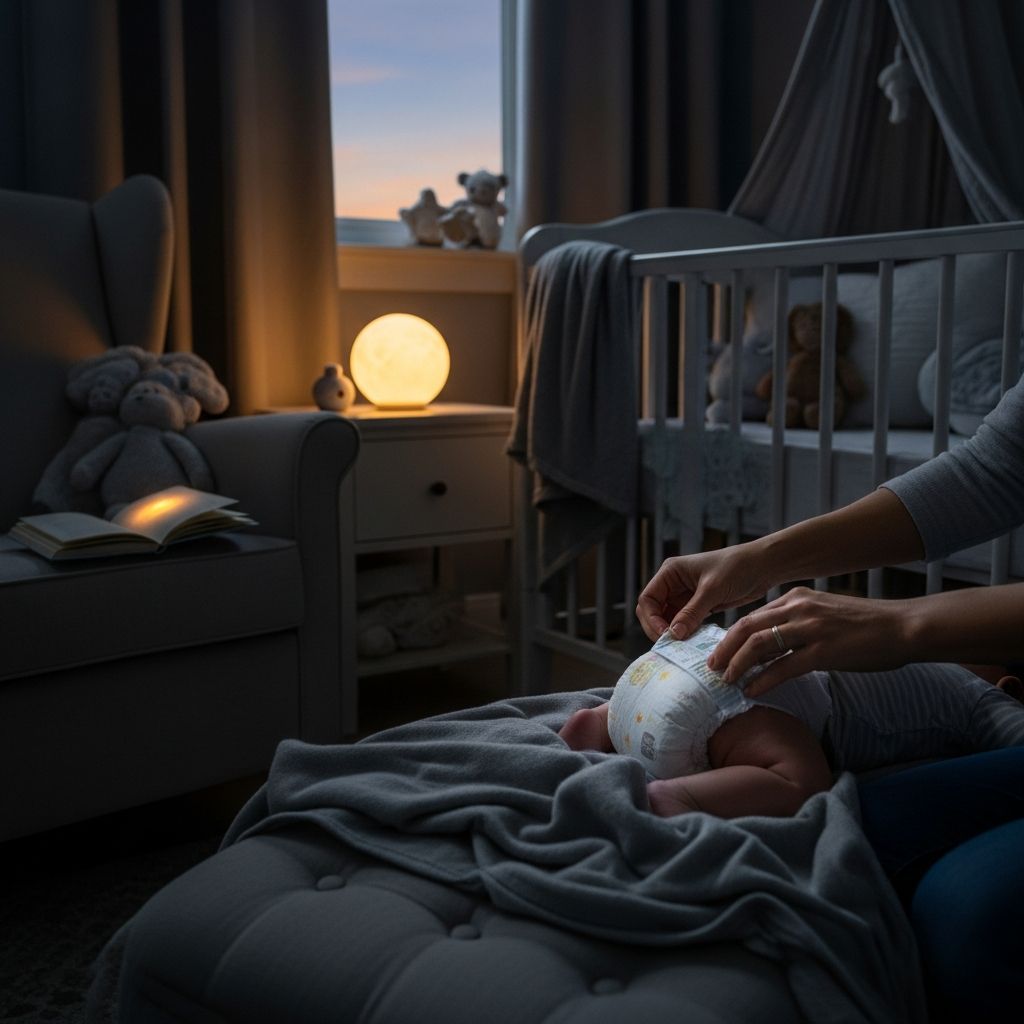
- Use diaper changes as mini bonding moments with songs, silly faces, and gentle touch instead of rushed, silent tasks.
- Before you plan to step away to cook, shower, or work, spend a few minutes on the floor fully engaged with your baby so they feel secure.
Helping Your Baby Tolerate Brief Time Away From You
The goal is not to force independence but to gradually stretch your baby’s comfort zone. You can do this through short, gentle separations that you always come back from, building a pattern that your baby can start to trust.
Steps to Practice Gentle Separation
- Start with micro-separations: Sit next to your baby while they play, then lean back or turn slightly away for a few seconds before reengaging with a smile.
- Step just out of reach: Move a short distance away in the same room while talking to your baby so they can still see and hear you.
- Use short “I’ll be right back” breaks: Tell your baby you are going to the sink or bathroom and then return within 20–30 seconds, announcing that you are back.
- Gradually lengthen time: Once your baby tolerates very short absences, you can slowly increase the time away in tiny increments.
Staying consistent is more important than being perfectly gradual. Your baby learns from the pattern: you leave for a bit, they have big feelings, and then you return and reconnect.
Practical Strategies When Your Baby Wants to Be Held Constantly
While you cannot eliminate separation anxiety, you can make everyday life more manageable. A mix of baby-wearing, creative positioning, and smart use of routines can ease the strain on your body and schedule.
Ways to Keep Baby Close Without Exhausting Yourself
- Use a supportive carrier: A well-fitted sling or soft structured carrier allows your baby to stay close while your hands stay free for light tasks.
- Rotate who holds baby when possible: If another trusted adult is available, pass your baby between caregivers so no one person is “on call” all day.
- Create safe floor spaces: Set up a padded, baby-proof play zone near where you work or cook so you can stay visually present while your baby explores.
- Sit while holding: Choose seated activities whenever possible – feeding, reading, or singing – to reduce strain from constant standing and bouncing.
Using Your Voice and Words to Offer Security
Even though your 9-month-old does not understand complex language, your words matter. The rhythm, tone, and repetition help your baby link meaning to events and can become anchors of reassurance during separations.
Develop a few simple, consistent phrases you use when leaving and returning. Over time, these phrases become cues that signal, “This is hard, but safe, and you can trust that I come back.”
Examples of Gentle Reassuring Phrases
- “You want me close. I hear you. I’m right here.”
- “I’m going to the kitchen. I’ll be right back.”
- “You’re sad I left. I came back, just like I said.”
- “You’re safe with [caregiver’s name]. I’ll come back after snack.”
Combine these phrases with warm eye contact, gentle touch, and a calm tone. Your steadiness allows your baby to borrow your sense of safety until they can generate more of it on their own.
Leaving Your 9-Month-Old With Another Caregiver
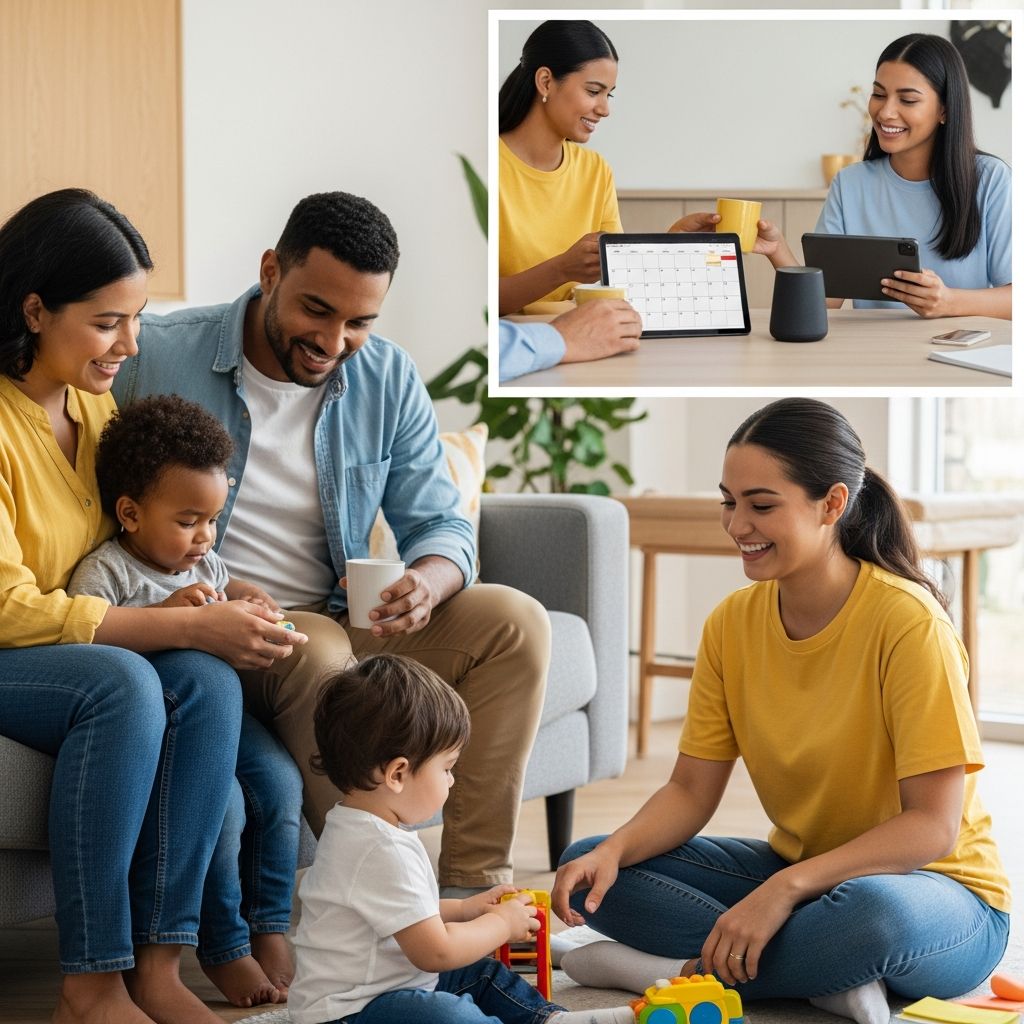
Leaving a clingy baby with someone else can feel daunting. Tears at goodbye are very common at this age and do not mean you are doing something wrong. With a thoughtful introduction process, most babies can adapt to another caregiver while maintaining a secure bond with you.
Tips for Smoother Transitions to Other Caregivers
- Start with overlap time: Have the new caregiver play with the baby while you are still there, gradually taking over more interaction as you step back.
- Make goodbyes brief but warm: Avoid sneaking out; instead, say a short, loving goodbye, then leave without drawing out the moment.
- Leave a familiar comfort item: If safe and allowed, a soft toy, blanket, or an item with your smell can offer extra reassurance.
- Use a predictable goodbye ritual: A wave by the window, a special hug, or a little song turns goodbye into something familiar rather than chaotic.
How Separation Anxiety Affects Sleep
A spike in separation anxiety around 9 months often shows up at night. A baby who used to fall asleep fairly easily may now cry intensely when put in the crib, wake more often, or insist on being held or rocked to sleep. Nighttime can amplify fears because the separation is longer and the environment is darker and quieter.
You do not need to choose between rigid sleep training and complete exhaustion. Many families find a middle path that combines predictable routines, flexible responsiveness, and gradual changes that respect the baby’s emotional needs.
Gentle Ideas for Easing Sleep-Related Separation Anxiety
- Use a consistent, calming bedtime routine so your baby knows sleep is coming: for example, bath, pajamas, quiet play, story or song, then bed.
- Offer extra connection before bedtime with uninterrupted cuddles and eye contact.
- Experiment with staying near the crib for a while, offering touch or your voice as your baby falls asleep, then slowly increasing your distance over days or weeks.
- Respond to night wakings with calm reassurance; over time, aim to shorten and simplify the support you provide so your baby gradually learns to resettle with less help.
Taking Care of Yourself While Caring for a Clingy Baby
When your baby wants to be in your arms constantly, your needs can easily drop to the bottom of the list. Yet your calm, regulated presence is one of the most powerful tools you have to support your child through separation anxiety. Protecting your own wellbeing is not selfish; it directly benefits your baby.
Simple Self-Care Strategies That Are Actually Realistic
- Ask for specific help from partners, relatives, or friends: a 30-minute walk alone, someone to hold the baby while you shower, or a meal drop-off.
- Build tiny rest pockets into the day, like sitting with your feet up while baby plays on the floor beside you.
- Notice and soften your inner critic; remind yourself that needing a break does not mean you love your child any less.
- Connect with other parents who are in a similar stage; hearing “me too” can lighten the emotional load significantly.
Frequently Asked Questions
Am I spoiling my 9-month-old by holding them so much?
No. At this age, babies do not manipulate in the adult sense of the word. When they cry to be held, they are communicating a genuine need for safety and connection. Consistently meeting that need helps build trust and a secure attachment, which actually supports greater independence later on.
How long does this clingy phase usually last?
The height of separation anxiety varies from child to child, but many families see the most intense clinginess fade gradually over several months. Periodic spikes may reappear when your child faces new challenges, such as starting childcare or learning a new skill. Each time you respond with steadiness and warmth, you help them move through the phase more smoothly.
Should I let my baby cry to “get used to” being away from me?
Short, supported exposure to mild frustration can help babies grow, but leaving a very distressed 9-month-old to cry without comfort does not teach them that you return; it can teach them that no one responds. A more helpful approach is to allow some fussing while staying emotionally available, then gradually increasing the length and distance of separations in a way your baby can handle.
What if my baby screams any time I hand them to someone else?
Many 9-month-olds strongly prefer their primary caregiver and protest loudly when passed to others. You can ease this by keeping the new person very close to you at first so your baby sees and hears you, then slowly stepping back as your baby becomes more comfortable. Over time, repeated positive experiences with other caregivers will broaden your baby’s circle of safety.
How can I balance my baby’s needs with work or other responsibilities?
This stage calls for creativity and flexibility. Whenever possible, structure your day so periods of intense, focused connection come before you need to be less available. Share caregiving duties where you can, and adjust expectations about household tasks and productivity. Remember that you are building a foundation of security that will benefit your family for years, even if some short-term plans need to shift.
Final Thoughts
A 9-month-old who needs to be held constantly is not a sign of failure or “bad habits” – it is a sign of a deeply attached baby whose world is rapidly expanding. By understanding the roots of separation anxiety and responding with warmth, predictable routines, and gentle practice separations, you help your child build the inner sense of safety that will allow them to explore with confidence as they grow.
In the meantime, prioritize connection, protect your own energy, and remember that this clingy season, as overwhelming as it feels, is temporary. Your presence today is shaping a secure, resilient child for tomorrow.