Once a baby arrives, diapers quickly become part of everyday life. A dedicated diaper pail can help contain odors, streamline diaper changes, and keep your nursery comfortable for everyone. But with so many options, it can be hard to know which design is worth the money and which features you truly need.
This guide walks you through key decisions: plastic vs. steel, specialty refills vs. regular trash bags, odor-control systems, child-safety features, and when you might skip a pail altogether. The goal is to help you choose a diaper pail that fits your space, your budget, and your tolerance for smells.
1. What Exactly Does a Diaper Pail Do?
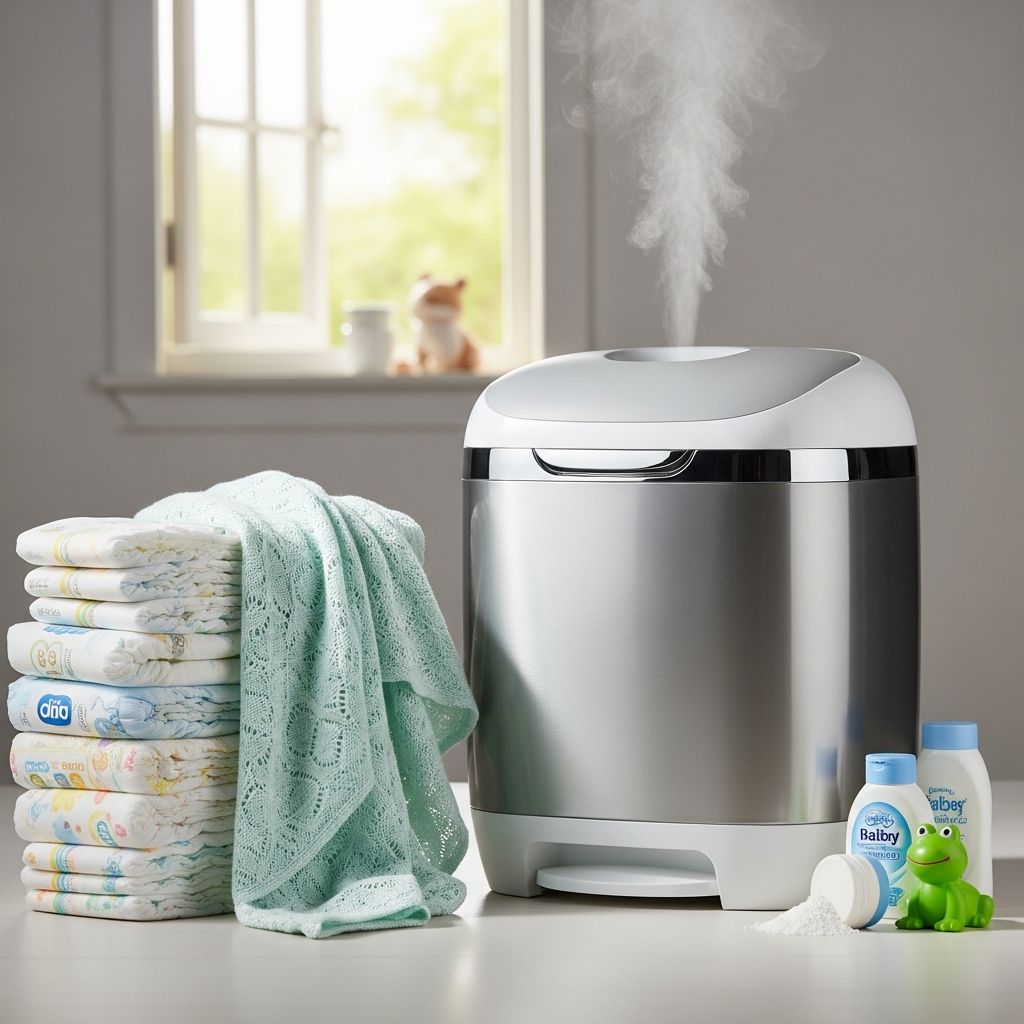
A diaper pail is more than just a small trash can. It is designed to:
- Reduce odor from used diapers so the nursery does not constantly smell like a changing table.
- Contain germs and moisture inside a closed system, limiting potential contamination on surrounding surfaces.
- Hold a moderate number of diapers between trips to the outside trash.
- Simplify the changing routine with hands-free or one-hand operation.
Disposable diaper pails typically use bags and odor-trapping mechanisms. For cloth diapering, many parents use a standard container plus a washable pail liner or a large wet bag to store soiled diapers until wash day.
2. Key Questions to Ask Before You Buy
Instead of starting with brand names, begin with your household’s needs. Ask yourself:
- Where will the pail live? In a shared bedroom, a dedicated nursery, or a bathroom? Smaller rooms benefit from stronger odor control.
- How often can you take trash outside? Families in apartments or cold climates may want a pail that controls odor well over several days.
- Will you use disposable or cloth diapers? Cloth systems typically use larger pails or hanging wet bags; disposable pails emphasize bagging and sealing.
- What is your long-term budget? Some pails require proprietary bag refills, while others work with standard kitchen bags.
- Do you want fully hands-free operation? Foot pedals and trap doors are useful during messy changes when your hands are full.
3. Types of Diaper Pails and How They Differ
Most popular diaper pails fall into a few broad categories. Understanding these will make specific models easier to compare.
3.1 Plastic Pails with Sealing Mechanisms
These pails are usually made from durable plastic and often feature:
- A foot pedal that opens the lid for hands-free use.
- A trap door or clamp system that closes around each diaper to limit odor escape.
- Special cartridge-style refill bags designed for the pail.
- Occasional additions like carbon filters or antimicrobial materials to reduce odor and bacteria.
These systems tend to be very convenient and offer strong odor control, especially helpful in small spaces or for parents sensitive to smells. The trade-off is the ongoing cost and availability of specific refills.
3.2 Steel Pails Using Regular Trash Bags
Some newer designs use powder-coated steel bodies with rubber seals. This approach aims to:
- Limit odors by preventing smells from absorbing into plastic surfaces.
- Improve overall durability compared with plastic-only options.
- Allow the use of standard kitchen garbage bags, which can reduce long-term costs.
These pails often require you to slide open a small door on top rather than using a pedal. This can let a brief burst of odor escape each time you open it, but many families like the sturdiness and the ability to use any bag they have on hand.
3.3 Simple Trash Can + Deodorizing Strategy
Some parents prefer to skip specialty pails altogether and use:
- A lidded trash can lined with a regular bag.
- Frequent trips to the outdoor bin to avoid lingering smells.
- Optional deodorizers such as baking soda or charcoal filters inside the lid.
This is a budget-friendly approach, but it may not be ideal in apartments or bedrooms where you cannot easily remove trash every day. Odor control depends heavily on how often you empty the can and whether you seal individual diapers well.
3.4 Cloth Diaper Pails and Liners
Families using cloth diapers often rely on a different system:
- A large hamper-style container or open-top bin with good airflow, lined with a waterproof pail liner.
- Or a hanging wet bag that replaces a hard-sided bin and can be zipped closed.
- Washable liners made from waterproof yet flexible fabrics that can go into the washing machine with the diapers.
Because cloth diapers are laundered, avoiding heavy fragrance and harsh chemical deodorizers is common. Parents instead focus on regular washing and good ventilation, which also aligns with recommendations to protect infant skin and reduce irritation.
4. Comparing Common Features Side by Side
The table below summarizes how major features tend to differ across diaper pail styles.
| Feature | Plastic Pail with Refills | Steel Pail with Regular Bags | Basic Lidded Trash Can |
|---|---|---|---|
| Typical Material | Plastic body, plastic lid, internal clamp | Steel body, rubber seals, plastic lid | Plastic or metal |
| Odor Control | Usually very strong; clamp systems and filters reduce smell between uses. | Strong overall; metal helps prevent odor absorption, slight smell when opening. | Moderate; depends on lid seal and how often trash is emptied. |
| Bag Type | Proprietary refills or cartridges | Standard trash bags (kitchen size) | Standard trash bags |
| Upfront Cost | Moderate | Moderate to high | Low |
| Ongoing Cost | Higher (must buy branded refills regularly) | Lower (any trash bag works) | Low |
| Ease of Use | Often foot-pedal and hands-free; trap doors limit smell. | Manual slide door; one-handed but not fully hands-free. | Varies; usually lift-lid or step-pedal. |
| Best For | Parents prioritizing maximum odor control and convenience. | Families wanting durability and long-term savings on bags. | Budget-conscious families or those with easy access to outdoor trash. |
5. Odor Control: What Really Works?
Pregnancy and postpartum can heighten sensitivity to smells. The right diaper pail can help, but some basic strategies also make a difference:
- Seal each diaper well before tossing it. Rolling and fastening adhesive tabs reduces exposed surface area and odor.
- Empty the pail regularly. Even the most advanced pail will smell if it is overfilled or left for too long.
- Use liners and bags correctly so the lid closes completely and the mechanism can work as designed.
- Add gentle deodorizers such as a small open box of baking soda or an activated charcoal pouch in or near the pail. These products are widely used in homes to adsorb odors.
- Keep the nursery ventilated by occasionally opening windows when weather allows and using an exhaust fan in adjacent bathrooms.
Good hygiene during diaper changes is also important. Health authorities recommend washing your hands after every diaper change, especially if there is visible soiling, to reduce the risk of spreading germs to surfaces and other people.
6. Cost Considerations: Upfront vs. Long-Term
When you evaluate diaper pails, you are really weighing two kinds of costs:
- Initial purchase price: Plastic pails with advanced odor control mechanisms may cost less upfront than metal models, but the difference can be offset over time.
- Ongoing supply costs: Some systems require specific refill bags with unique shapes or seals. Over two or more years of diapering, this can add up to more than the original pail price.
To estimate total cost:
- Look at how many diapers your baby uses per day (newborns may use 8–12).
- Consider how often you expect to empty the pail.
- Multiply the likely number of bags or refills per month by the price of each box.
Metal pails that accept standard bags often save money over time, especially for families planning more than one child, since you can use bulk-purchased kitchen bags rather than brand-specific refills.
7. Safety, Hygiene, and Maintenance
Parents often focus on odor but safety and cleanliness matter just as much:
- Child locks: Some pails offer built-in locks that prevent curious toddlers from opening the lid or trap door.
- Stable base: A broad base helps keep the pail upright if bumped.
- Smooth, cleanable surfaces: Look for interior surfaces that are easy to wipe down if a bag tears.
To maintain a diaper pail:
- Rinse or wipe the interior with mild soap and water occasionally; harsh cleaners are rarely necessary and may leave fumes.
- Let the empty pail air dry with the lid open from time to time.
- Inspect seals and moving parts to ensure they still close securely.
Proper cleaning practices align with general household hygiene recommendations: routine cleaning with detergent is usually sufficient for most surfaces, while disinfection is reserved for visible contamination or illness.
8. Space-Saving and Style Considerations
A diaper pail is one of the few baby products that stays out in the open almost all the time. When choosing one, consider:
- Footprint and height: Make sure it fits next to your changing station comfortably without blocking drawers or closet doors.
- Color and style: Many pails come in neutral tones like white or gray, while others offer bold colors or patterns to blend with nursery decor.
- Noise level: Soft-close lids and smooth mechanisms are helpful during late-night changes so you do not wake a sleeping baby.
For very small homes or shared rooms, a compact design with a strong seal can be more valuable than a large-capacity pail that takes days to fill.
9. Cloth Diapers: Special Considerations
If you are using cloth diapers, your diaper storage routine will look a bit different:
- Most cloth systems rely on a two-day wash cycle, so pail capacity should comfortably hold about two days of diapers.
- A waterproof pail liner or hanging wet bag makes it easy to transfer diapers directly to the washing machine without handling each one again.
- Some caregivers prefer ventilated containers rather than fully sealed pails, as air circulation can reduce strong ammonia buildup.
Regardless of which approach you choose, follow your diaper manufacturer’s washing instructions to protect both the fabric and your baby’s skin. Gentle, fragrance-free detergents and adequate rinsing are commonly recommended to avoid irritation.
10. Frequently Asked Questions (FAQs)
Do I truly need a diaper pail, or can I use a regular trash can?
You can use a lidded trash can, especially if you can take garbage outside frequently. However, dedicated diaper pails are designed to reduce odor more effectively and may be more convenient in bedrooms or apartments where outdoor access is limited.
How often should I empty the diaper pail?
Most families empty their pail every 1–3 days. Newborns go through more diapers, so the pail fills quickly. Regular emptying helps keep odors and bacteria growth in check.
Are diaper pails safe for toddlers who like to explore?
Choose a pail with a stable base and, ideally, a child lock to keep little hands out. Place the pail where children are less likely to use it as a toy or climbing aid.
What size bags should I use if my pail accepts standard trash bags?
Many popular pails that use regular bags are designed around kitchen-size liners, which are usually 13-gallon bags. Check the manufacturer’s recommendations, and test a few brands to see which fit snugly without tearing.
Can I use scented bags or deodorizers with my diaper pail?
Scented bags and inserts are widely available, but some babies and caregivers are sensitive to fragrances. Consider starting with fragrance-free options and adding mild odor absorbers like baking soda or charcoal if needed.
When will I stop needing a diaper pail?
Most children begin daytime toilet training between 18 months and 3 years, though timing varies widely. Once your child is consistently using the toilet, you may only need the pail for occasional nighttime diapers and can eventually retire it or repurpose it as a small trash can.
References
- Diaper Pail Liner Comparison Information — Green Mountain Diapers. 2023-03-01. https://www.greenmountaindiapers.com/pages/diaper-pail-liner-info
- Diaper Genie vs Ubbi Diaper Pail Comparison — In Life and Littles. 2022-05-10. https://inlifeandlittles.com/blog/ubbi-vs-diaper-genie-diaper-pail-comparison
- The Best Diaper Pails | Tested & Rated — BabyGearLab. 2023-08-15. https://www.babygearlab.com/topics/diapering-potty/best-diaper-pail
- Keeping Your Home Safe and Healthy for Your New Baby — American Academy of Pediatrics. 2022-04-26. https://www.healthychildren.org/English/safety-prevention/at-home/Pages/Childproofing-Your-Home.aspx
- Household Cleaning and Sanitizing — Centers for Disease Control and Prevention. 2023-05-10. https://www.cdc.gov/healthywater/hygiene/cleaning/household-cleaning.html