Selecting the right toys is a cornerstone of responsible parenting, especially for toddlers and preschoolers whose curiosity drives them to explore the world mouth-first. Toys must not only spark imagination and support growth but also prioritize safety to prevent injuries like choking, cuts, or poisoning. This guide draws from pediatric expertise to outline practical strategies for identifying secure playthings, tailored to developmental stages from infancy through early childhood.
Understanding Age-Appropriate Toy Selection
Every child’s developmental milestone dictates suitable toys. Infants under 12 months primarily engage through senses and basic motor skills, while toddlers aged 1-3 years test boundaries with vigorous activity. Preschoolers (3-5 years) thrive on creative, interactive items that build coordination and social skills. Mismatching toys to these stages heightens risks—advanced puzzles frustrate babies, and flimsy infant rattles shatter under toddler force.
Key principle: Consult age labels as a starting point, but factor in your child’s unique abilities. A precocious 2-year-old might handle 3+ toys safely, but supervision remains vital. Use a simple test for small parts: If an item fits entirely within a toilet paper roll (approximating a young child’s windpipe), it’s a choking threat for under-3s.
Prime Hazards to Avoid in Toys
Common dangers lurk in everyday play items. Vigilant inspection reveals these threats before they cause harm.
- Choking Risks: Small objects, balls under 1.75 inches (4.4 cm), coins, or marbles can block airways. Opt for pieces at least 1¼ inches (3 cm) wide and 2¼ inches (6 cm) long.
- Sharp Edges and Points: Inspect for burrs, splinters, or protruding bits that cause lacerations, especially on wooden or metal toys after wear.
- Strings and Cords: Limit to under 12 inches (30 cm); longer ones entangle necks during active play.
- Magnets: Powerful ones attract internally if swallowed, perforating intestines—avoid entirely for young kids.
- Battery Dangers: Compartments must screw shut; loose batteries or acid leaks cause choking, burns, or poisoning.
Material Safety: Non-Toxic Choices Matter
Young explorers mouth toys extensively, making chemical exposure a hidden peril. Prioritize labels confirming non-toxic paints, BPA-free plastics, phthalate-free, PVC-free, and lead-free finishes. Natural options like uncoated wood or organic cotton reduce risks, but verify finishes are smooth and sealed safely.
Avoid older toys with chipped paint, as pre-1978 versions often contain lead. Strong odors signal volatile compounds—discard suspect items. Certifications like ASTM F963 (U.S. toy standard) or EN71 (European) assure rigorous testing for toxins and durability.
| Material Type | Safe Features | Red Flags |
|---|---|---|
| Plastic | BPA-free, recycling codes #1, #2, #4, #5 | Codes #3, #6, #7; brittle texture |
| Wood | Smooth, non-toxic sealant | Chipped paint, splinters |
| Fabric/Stuffed | Machine-washable, tight seams | Loose buttons, ribbons |
| Painted Surfaces | Non-toxic certified | Peeling, strong smell |
Tailored Toy Recommendations by Age Group
Newborns to 12 Months: Sensory Foundations
Focus on high-contrast mobiles, soft rattles, and activity gyms that stimulate vision and grasp without overwhelm. Secure attachments prevent falls; remove once baby rolls. Squeaky toys and plush with embroidered features (no glued eyes) encourage teething safely. Push toys aid tummy-time strength-building.
1-3 Years: Active Exploration
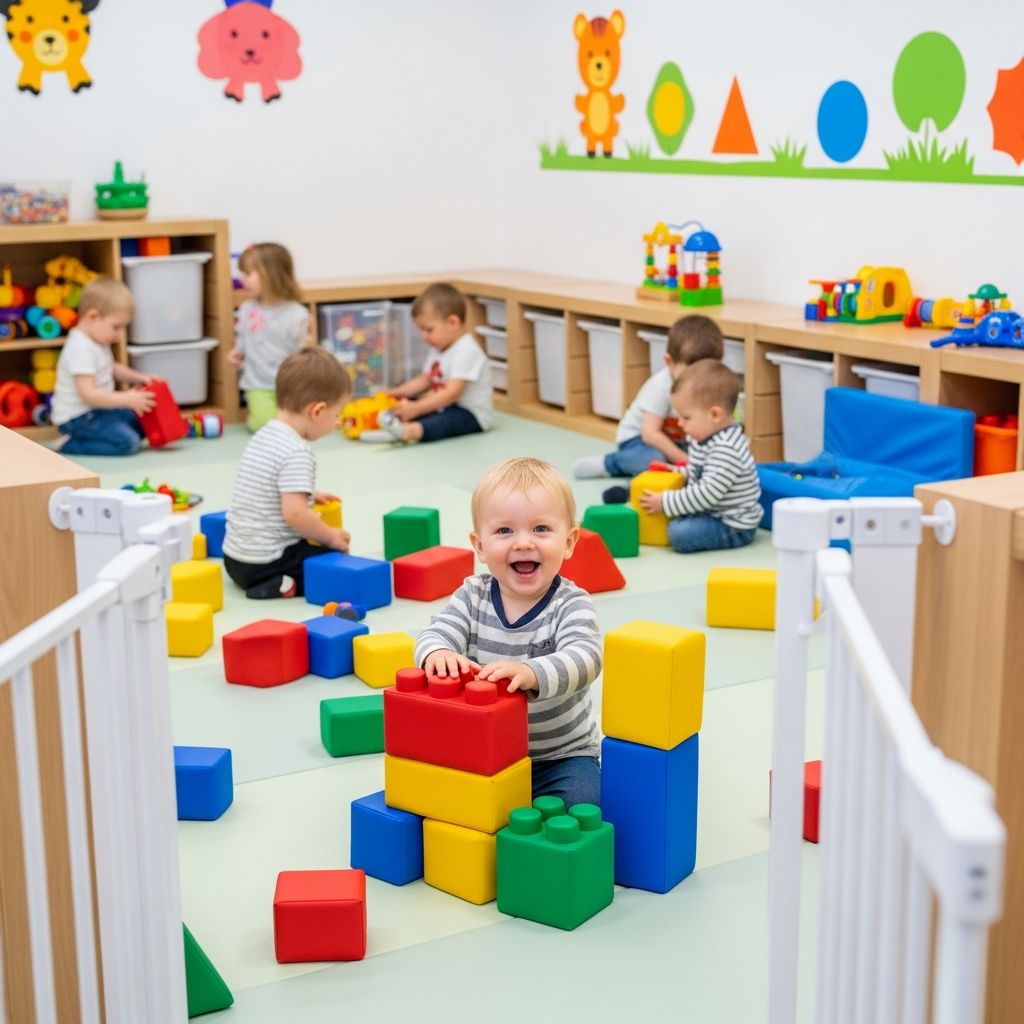
Toddlers demand sturdy stackers, large blocks, and ride-ons with wide bases for stability—no pedal cars yet. Bath squirters must drain fully to thwart mold. Simple shape sorters with oversized pieces hone fine motor skills minus frustration.
3-5 Years: Creative Expansion
Introduce chunky crayons, playdough, and large puzzles. Electronic toys need locked batteries; art supplies confirm non-toxic status. Building sets with pieces too big to swallow foster engineering basics.
Maintenance and Storage for Lasting Safety
Toys degrade—routine checks catch issues early. Wash fabrics weekly, air-dry plastics, and wipe wood with mild soap. Store off floors in bins to avoid trips; segregate by age to prevent younger siblings accessing hazards.
Discard broken items promptly: loose parts, frayed edges, or faded labels signal retirement. Organized spaces teach tidiness while minimizing chaos-induced accidents.
Noise Levels and Sensory Considerations
Loud toys exceed 85 decibels, risking hearing loss—hold near ear; if conversation muffles, it’s too shrill. Prefer volume-controlled options or natural sounds from wooden instruments. For special needs kids, multisensory toys (textured, vibrating) enhance engagement safely.
Navigating Special Toys and Gifts
Hobby kits like chemistry sets suit 12+ only, under supervision. Projectile toys (darts, guns) pose eye injuries—skip them. Stuffed animals need reinforced seams, removable ribbons, and no bead filling. During holidays, pre-inspect gifts for compliance.
Frequently Asked Questions (FAQs)
What size should toys be to prevent choking?
Toys or parts should exceed 1¼ inches in diameter and 2¼ inches long; test with a choke tube or toilet roll equivalent.
Are wooden toys always safer?
Not inherently—ensure smooth finishes and non-toxic treatments; avoid lead-painted antiques.
How do I secure batteries in toys?
Choose screw-secured compartments; avoid pop-open lids to prevent access.
Can I give hand-me-down toys?
Yes, after thorough cleaning and hazard checks, but discard pre-1980s items due to outdated standards.
What about toys for kids with disabilities?
Select adaptive, multisensory designs matching skills; consult therapists for personalized picks.
Empowering Confident Play Choices
Armed with these insights, parents transform shopping into a safety mission. Blend labels, physical tests, and instincts for optimal results. Regular pediatric check-ins reinforce habits, ensuring play nurtures without peril. Safe toys equal thriving kids—invest wisely for guilt-free glee.
References
- Choosing Safe Toys: Choose Toy Safety for Your Infants and Toddler — Bumbu Toys. 2023. https://www.bumbutoys.com/blog/for-parents/choosing-safe-toys
- Safe Toys 101: How Smart Parents Should Choose Playthings — Kidsville Pediatrics. 2023. https://www.kidsvillepeds.com/blog/1403034-safe-toys-101-how-smart-parents-should-choose-playthings/
- Buying Guidelines for Safe and Fun Toys — UR Medicine / University of Rochester Medical Center. 2024-01-15. https://www.urmc.rochester.edu/encyclopedia/content?contenttypeid=1&contentid=1922
- Essential Guidelines for Choosing Safe Toys and Gifts This Holiday Season — Jefferson County Public Health. 2023-12-01. https://www.jcpublichealthwi.org/blog/essential-guidelines-for-choosing-safe-toys-and-gifts-this-holiday-season
- Toy Safety — Seattle Children’s Hospital. 2024. https://www.seattlechildrens.org/health-safety/injury-prevention/toy-safety/
- Choosing Safe Toys for Toddlers and Preschoolers — KidsHealth (Nemours). 2024. https://kidshealth.org/en/parents/safetoys-young.html
- How to Buy Safe Toys — American Academy of Pediatrics (HealthyChildren.org). 2023-11-20. https://www.healthychildren.org/English/safety-prevention/at-home/Pages/How-to-Buy-Safe-Toys.aspx