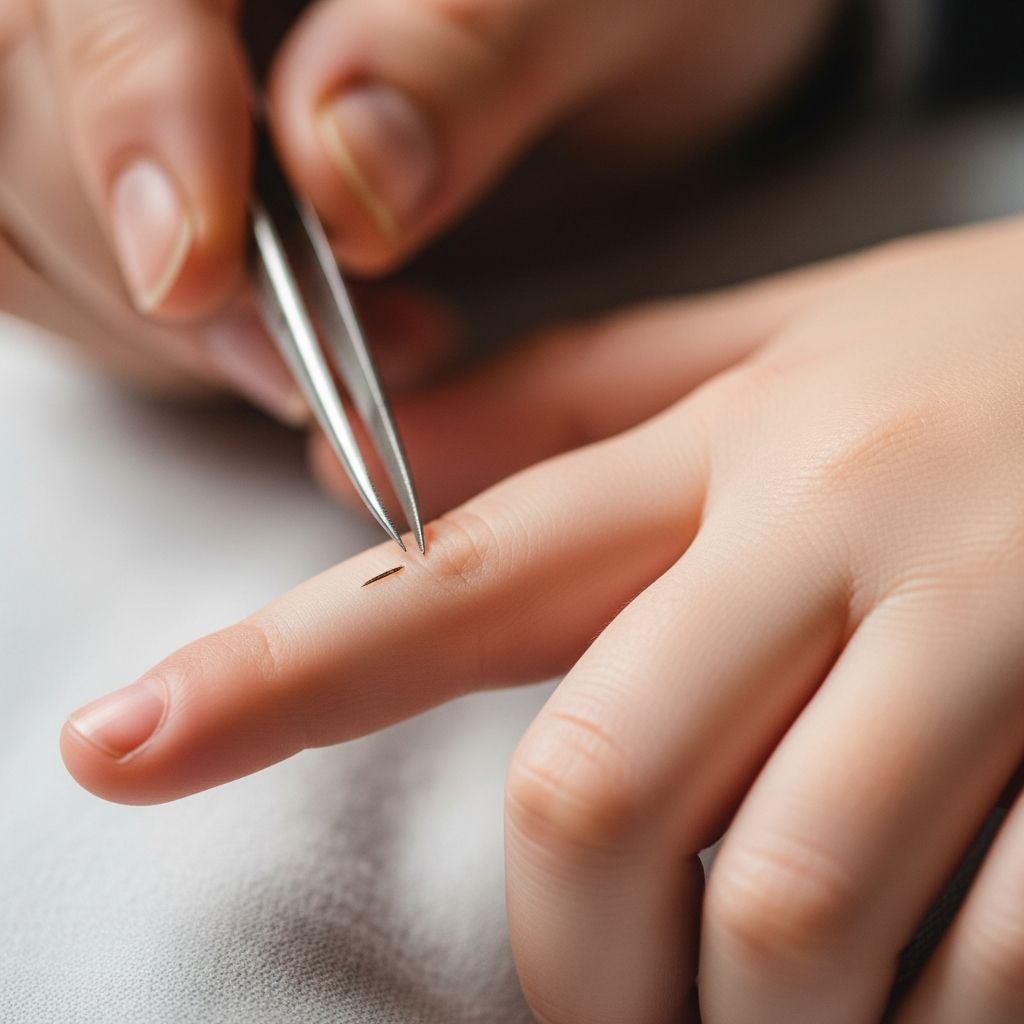
Iron is a crucial mineral that supports oxygen transport in the blood, fueling energy, growth, and cognitive function in children. Insufficient levels can lead to anemia, impacting daily activities and development.
Why Iron Powers Your Child’s Daily Life
Children’s bodies rapidly expand, demanding ample iron to form hemoglobin, the protein in red blood cells that carries oxygen from lungs to tissues. This process sustains play, learning, and restful sleep. During growth spurts, like infancy and adolescence, needs surge as blood volume increases.
- Hemoglobin production: Core function binding oxygen for muscles and brain.
- Enzyme support: Aids metabolism and DNA synthesis for cell growth.
- Immune boost: Strengthens defenses against infections.
Without enough iron, oxygen delivery falters, causing widespread effects from fatigue to slowed development.
Spotting the Red Flags: Common Signs of Low Iron
Early detection prevents complications. Symptoms often emerge subtly, mimicking typical childhood behaviors, but persistence warrants attention.
| Symptom | Description | Why It Happens |
|---|---|---|
| Fatigue and Weakness | Child tires quickly, avoids play, naps excessively | Reduced oxygen to muscles and brain |
| Pale Skin and Mucous Membranes | Noticeable pallor in face, lips, eyelids, nail beds | Fewer healthy red blood cells |
| Irritability or Mood Swings | Fussiness, short temper, behavioral changes | Brain oxygen shortage affects emotions |
| Rapid Heartbeat | Fast pulse at rest or during light activity | Heart compensates for low oxygen |
| Shortness of Breath | Winded easily, even on stairs | Inadequate oxygen circulation |
| Dizziness or Headaches | Lightheadedness upon standing, frequent head pain | Brain receives less oxygenated blood |
| Unusual Cravings (Pica) | Desire for ice, dirt, or non-foods | Body’s instinctual response to deficiency |
| Cold Extremities | Chilly hands and feet despite warmth | Poor circulation prioritizes vital organs |
| Brittle Nails or Tongue Issues | Spoon-shaped nails, sore/swollen tongue | Tissue changes from low iron |
These signs compound; a child showing multiple, especially fatigue plus pallor, needs evaluation.
Understanding Age-Specific Iron Demands
Requirements vary by life stage, reflecting growth rates and dietary shifts.
- Birth to 6 months: Breast milk suffices; stores from pregnancy last.
- 7-12 months: 11 mg/day; introduce solids as milk alone falls short.
- 1-3 years: 7 mg/day; picky eating risks gaps.
- 4-8 years: 10 mg/day; active play increases needs.
- 9-13 years: 8 mg/day; puberty surges demand up to 15 mg for girls.
- Teens: Growth and menstruation elevate risks.
Premature infants or those with rapid growth need monitoring.
What Depletes Iron Stores in Young Ones
Several factors contribute to shortages beyond diet.
- Excess cow’s milk: Inhibits absorption, causes micro-bleeds.
- Rapid growth: Outpaces intake during spurts.
- Poor absorption: From gut issues or high-fiber diets.
- Blood loss: Rare but includes heavy periods or parasites.
- Low birth stores: In multiples or preemies.
Vegetarian/vegan diets require planning with plant sources plus vitamin C enhancers.
Building a Iron-Strong Diet: Top Foods and Strategies
Focus on heme (animal) and non-heme (plant) sources; pair with absorption boosters.
Animal-Based Powerhouses
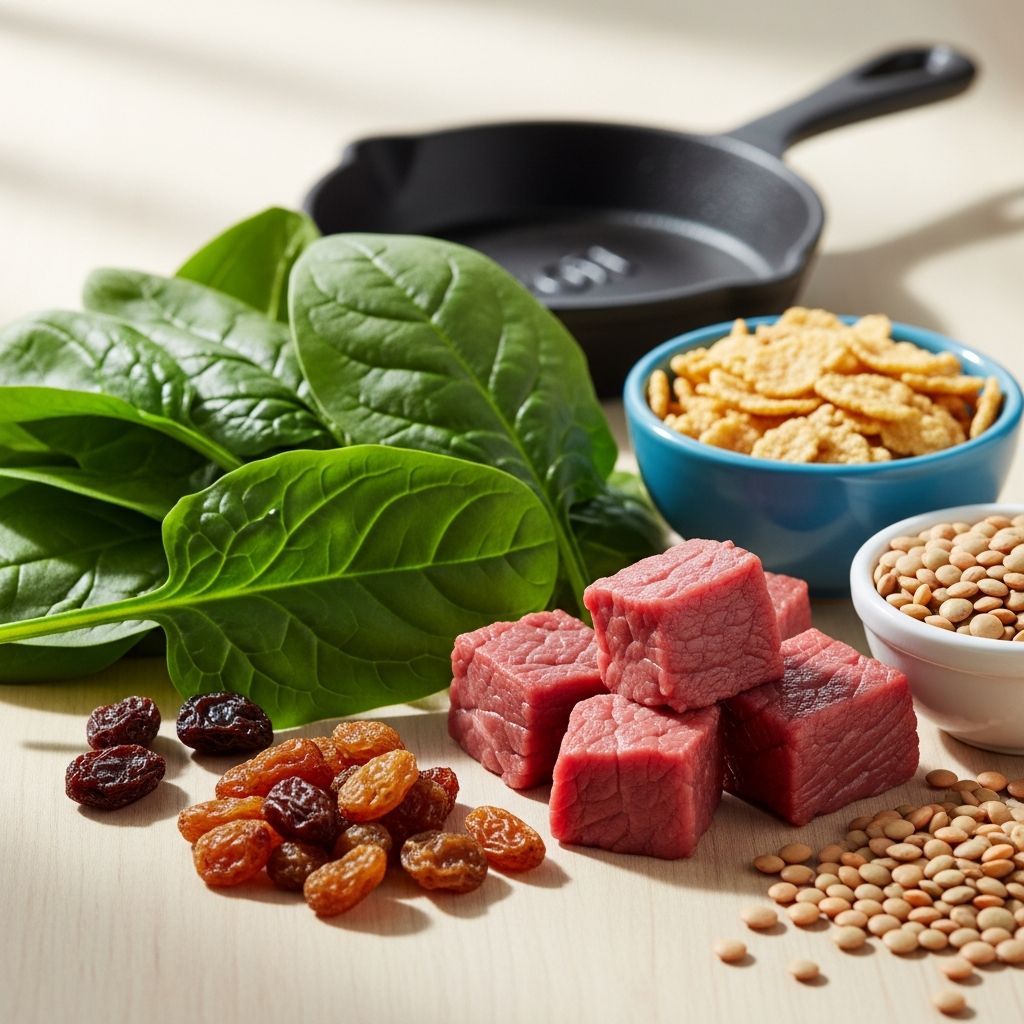
- Red meats: Beef, lamb (2-3 mg/3oz).
- Poultry: Chicken, turkey.
- Fish: Tuna, salmon.
- Eggs and fortified cereals.
Plant-Powered Options
- Beans, lentils, tofu.
- Spinach, kale (cook to reduce oxalates).
- Dried fruits: Apricots, raisins.
- Nuts, seeds: Pumpkin seeds.
Pro Tip: Vitamin C from oranges, strawberries, peppers triples non-heme uptake. Avoid tea/coffee with meals.
Sample Daily Menu for Toddlers:
- Breakfast: Fortified oatmeal with strawberries.
- Lunch: Lentil soup with bell peppers.
- Snack: Raisins and cheese.
- Dinner: Chicken stir-fry with broccoli.
Supplements: When Diet Isn’t Enough
Use only under medical advice; excess harms. Drops for infants, tablets for older kids. Pair with vitamin C, monitor for constipation.
Diagnosis and Treatment Pathways
Pediatricians screen via blood tests (hemoglobin, ferritin). Treatment blends diet tweaks and supplements, resolving symptoms in weeks. Retest ensures success.
Prevention Blueprint for Lifelong Health
Proactive steps safeguard stores.
- Introduce iron-rich solids at 6 months.
- Limit milk to 16-24 oz/day post-1 year.
- Routine screenings at well-visits.
- Diverse diet with enhancers.
- Watch high-risk groups: Preemies, athletes.
Long-term, adequate iron links to better cognition and immunity.
Frequently Asked Questions (FAQs)
Can breastfed babies get iron deficiency?
Yes, after 6 months as stores deplete; add fortified cereals.
Is iron deficiency reversible?
Typically yes, with prompt treatment; delays risk developmental hits.
How to boost absorption naturally?
Combine iron foods with citrus; avoid dairy/calcium simultaneously.
Should I give iron supplements routinely?
No, test first; overdose risks toxicity.
Does anemia affect school performance?
Yes, via poor focus and fatigue; correcting improves outcomes.
Partnering with Healthcare Pros
Regular check-ups catch issues early. Discuss family history, diets. Empower your child with balanced plates for thriving bodies and sharp minds.
References
- Iron-Deficiency Anemia in Children — Nationwide Children’s Hospital. 2023. https://www.nationwidechildrens.org/conditions/health-library/iron-deficiency-anemia-in-children
- Iron Deficiency in Kids: Signs, Risks & When to Seek Help — Kidsville Pediatrics. 2023. https://www.kidsvillepeds.com/blog/1294127-is-your-child-low-on-iron-childhood-anemia-symptoms-to-watch-for/
- Iron deficiency in children: Prevention tips for parents — Mayo Clinic. 2024-05-15. https://www.mayoclinic.org/healthy-lifestyle/childrens-health/in-depth/iron-deficiency/art-20045634
- What Causes Iron Deficiency in Your Child and How to Spot It — Cleveland Clinic Health Essentials. 2023. https://health.clevelandclinic.org/what-causes-iron-deficiency-in-your-child-and-how-to-spot-it
- Iron deficiency anaemia — NHS. 2023-10-13. https://www.nhs.uk/conditions/iron-deficiency-anaemia/
- Iron Deficiency Anemia in Children — Brown University Health. 2023. https://www.brownhealth.org/be-well/iron-deficiency-anemia-children