Building self-reliance in children starts with consistent, small actions integrated into everyday life. These habits not only equip kids with vital skills but also cultivate confidence and resilience essential for navigating future challenges. By stepping back thoughtfully, parents can transform routine moments into opportunities for growth across physical, emotional, and cognitive domains.
Why Independence Matters in Early Development
Independence fosters a child’s ability to trust their own judgment, manage emotions, and adapt to new situations. Research from child development experts highlights that children who practice self-reliance early on show improved problem-solving, higher self-esteem, and better social skills. For instance, allowing kids to make choices within safe boundaries helps them develop executive function skills, which are crucial for academic and personal success later in life.
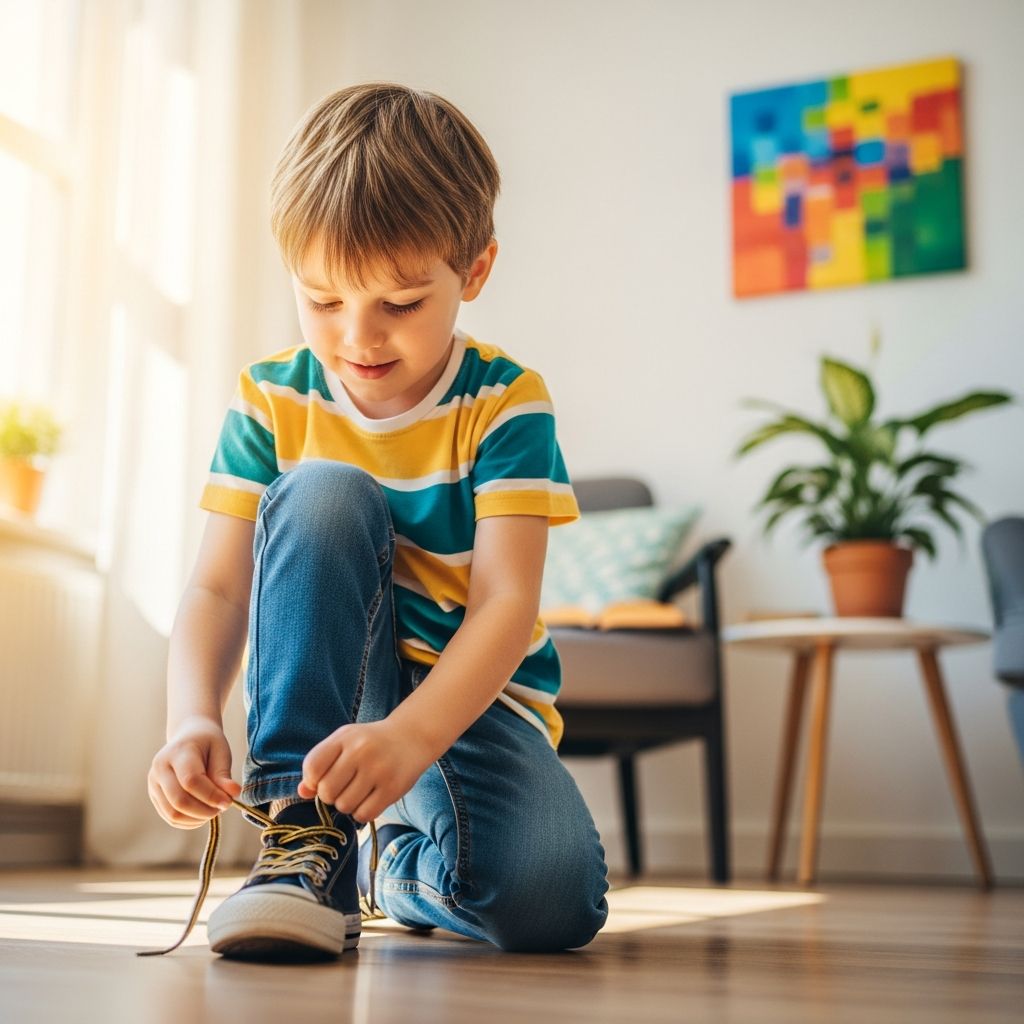
From toddlers learning to dress themselves to preteens handling chores, these skills compound over time. Parents play a pivotal role by providing structure while granting autonomy, ensuring children feel supported yet capable of standing on their own.
Start with Age-Appropriate Choices
Empowering children begins with offering decisions they can handle. For young kids, this might mean selecting between two outfits or snacks, giving them a sense of control without overwhelming options. As they grow, expand to bigger choices like planning weekend activities or managing allowance spending.
- Toddlers (2-3 years): Pick between apple slices or banana for snack time.
- Preschoolers (4-5 years): Choose bedtime story or outfit for the day.
- School-age (6-10 years): Decide on after-school clubs or homework order.
- Teens (11+ years): Plan family outings or budget personal expenses.
This practice builds decision-making muscles. Model it by verbalizing your own choices: “I’m picking the red shirt because it’s comfortable— what do you think?” Over time, kids internalize this process, leading to more confident autonomous actions.
Cultivate Problem-Solving Through Guided Challenges
Rather than jumping in to fix issues, guide children to find solutions themselves. When a toy puzzle frustrates them, ask open-ended questions like, “What happens if you try rotating it?” or “Where else could that piece go?” This prompts critical thinking without handing over the answer.
Implement gradual separation during play: Stay nearby at first, then step back while offering verbal encouragement. “You’re building a great tower! I’ll watch from the couch—you’ve got this!” Such dialogues reinforce capability and reduce clinginess.
| Age Group | Problem-Solving Activity | Parental Prompt |
|---|---|---|
| 2-4 years | Stacking blocks | “Which block goes next? Try it!” |
| 5-7 years | Simple puzzles | “What if you flip it over?” |
| 8-12 years | DIY crafts | “How can we fix that glue spill?” |
| 13+ years | Group projects | “What’s your plan to resolve the conflict?” |
These interactions teach resilience, as kids learn setbacks are temporary and solvable.
Assign Meaningful Household Responsibilities
Chores instill a sense of contribution and competence. Start small: Toddlers can sort laundry colors, while older kids water plants or load the dishwasher. Break tasks into steps—demonstrate pulling up a blanket, then arranging pillows—to avoid overwhelm, especially for children with developmental needs.
Resist redoing imperfect work; praise the effort: “You worked so hard folding those towels—great job helping the family!” This shifts focus from perfection to persistence, boosting motivation. Create a chore chart for visual tracking:
- Daily: Make bed, clear plate.
- Weekly: Dust shelves, feed pet.
- Monthly: Organize toy bin.
Consistency here prepares kids for real-world accountability.
Praise Effort to Build Lasting Confidence
Celebrate the process over results. Instead of “Perfect drawing!” say, “I love how you kept trying new colors despite the smudge.” This reinforces growth mindset, where persistence trumps innate talent. Immediate, specific feedback during the activity cements positive behaviors.
For emotional growth, especially in kids with ADHD, pair praise with sensory supports like fidget tools during tasks. This helps them sustain focus and feel accomplished. Reflect post-task: “What felt good about that? What would you change?” Self-assessment deepens independence.
Design Safe Spaces for Exploration and Play
Curiosity thrives in secure environments. Indoors, child-proof low cabinets for “treasure hunts” or set up sensory bins with rice and scoops. Outdoors, designate areas for ball games, nature hunts, or chalk drawing to hone motor skills and observation.
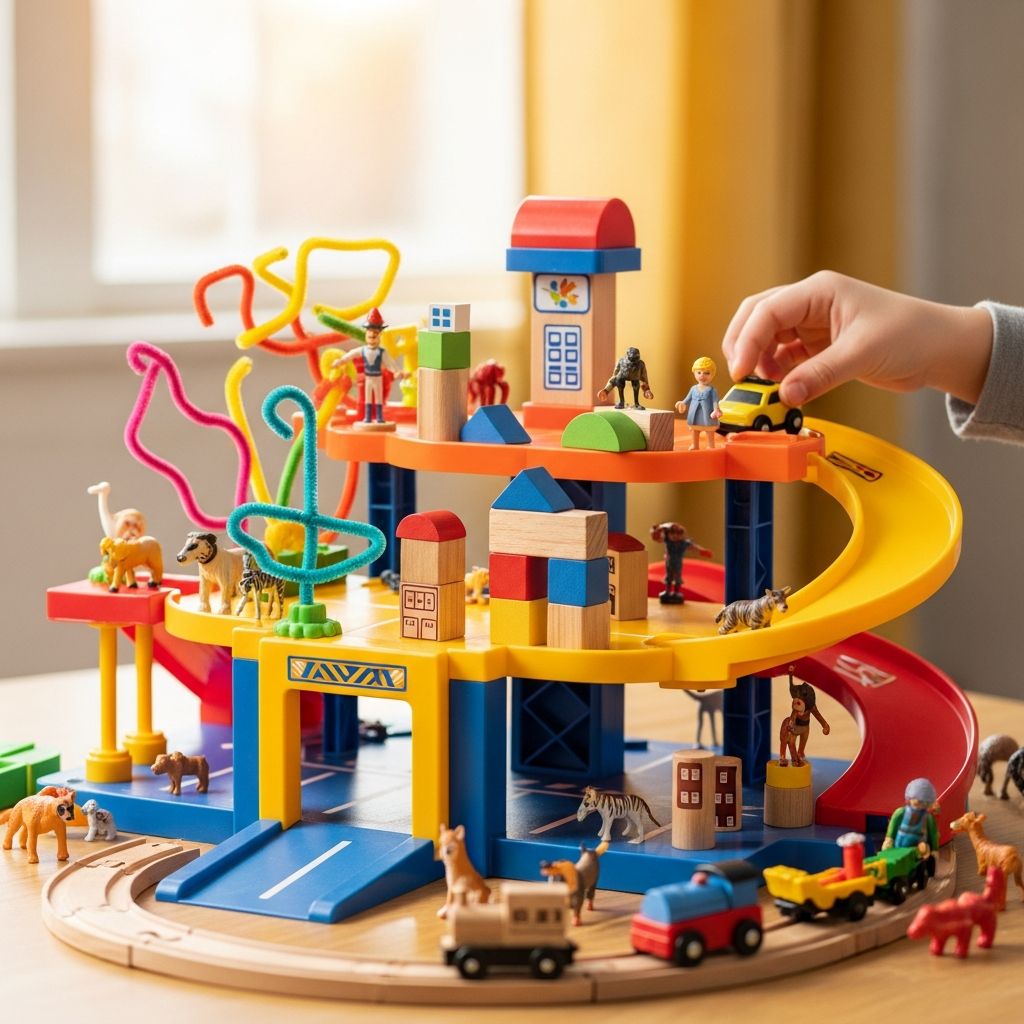
Unstructured playtime—15 minutes daily without toys provided—sparks creativity. Supply basics like blocks or scarves, then observe. This builds cause-and-effect understanding and social negotiation during group play. Benefits include:
- Enhanced coordination and balance.
- Sharpened analytical thinking.
- Increased self-trust from small wins.
Establish Routines for Predictable Autonomy
Daily schedules provide security, freeing mental energy for independence. Morning routines might include self-dressing checklists; evenings, packing school bags solo. Visual timers help with transitions, particularly for neurodiverse children.
Incorporate relaxation like deep breathing before bed to regulate emotions, supporting overall self-management. Consistent routines reduce anxiety, allowing kids to anticipate and own their tasks.
Support Emotional and Social Independence
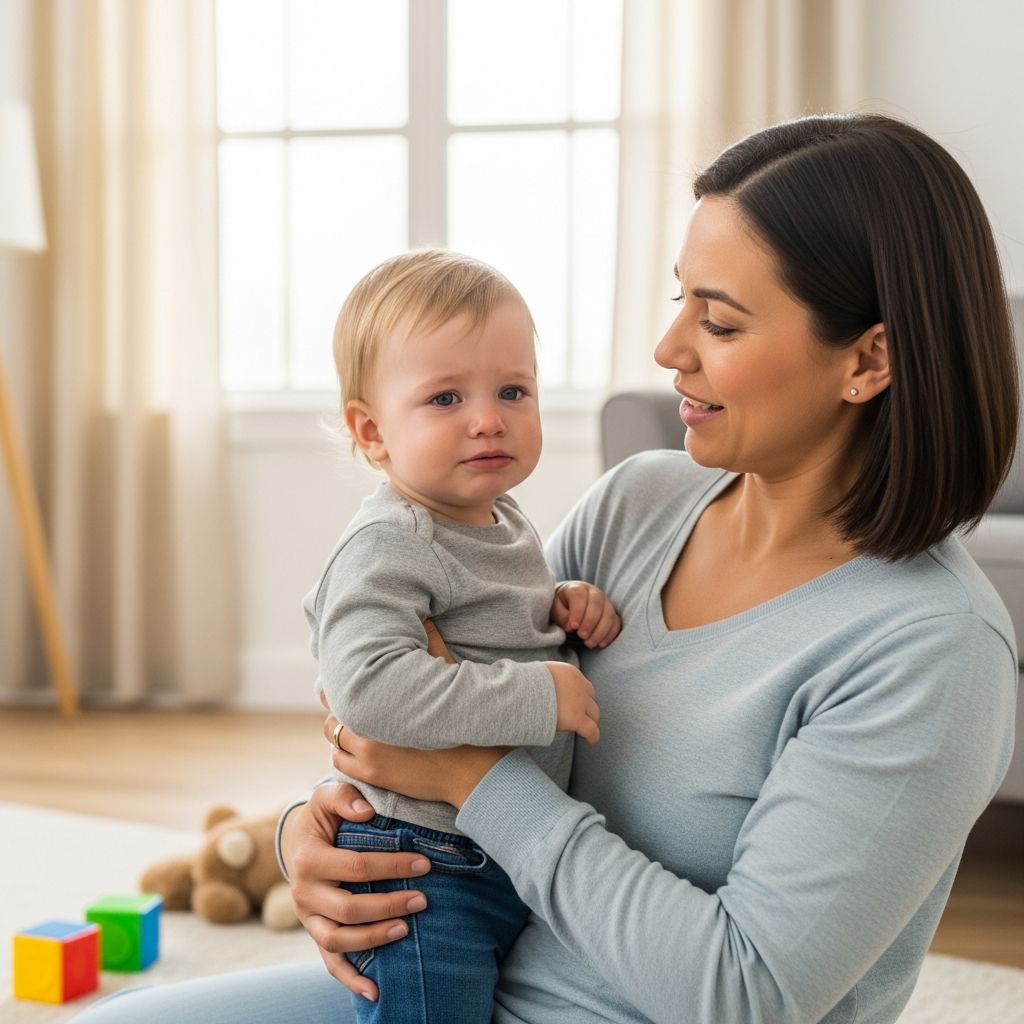
Validate feelings while encouraging self-resolution: “You’re upset the game ended—how can we start a new one?” Respect opinions during family discussions to model mutual regard. For clingy kids, use transitional objects like a favorite stuffed animal during short separations.
Don’t fight battles; let natural consequences teach, like missing a toy left out. This builds accountability without parental intervention.
Adapting Strategies for Diverse Needs
Children with developmental delays or ADHD benefit from modified approaches: Simplify instructions, use visuals, and incorporate movement breaks. Patience is key—progress may be slower, but the gains in confidence are profound.
Frequently Asked Questions (FAQs)
What if my child resists independent play?
Begin with 5-minute sessions, praise attempts, and offer engaging, open-ended toys. Gradually extend time as confidence grows.
How do I handle mistakes during chores?
View them as learning opportunities. Guide gently without fixing: “Next time, try stacking plates this way.” Effort-focused praise motivates.
Can too much independence backfire?
Balance with supervision for safety and emotional check-ins. Age-appropriate limits prevent overwhelm while promoting growth.
What’s the best age to start chores?
As early as 2 years with simple tasks like putting away toys. Scale up with development for sustained engagement.
How to encourage teens’ decision-making?
Discuss pros/cons of choices, respect outcomes, and provide unconditional support to foster mature autonomy.
Long-Term Benefits of These Habits
Daily integration of these practices yields resilient, capable individuals ready for adulthood. From better academic performance to stronger relationships, the ripple effects are significant. Commit to consistency, and watch your child flourish.
References
- How to Encourage Independence in Your Child: Expert Tips — Interborough.org. 2023. https://www.interborough.org/how-to-encourage-independence-in-your-child/
- CHILD INDEPENDENCE DEVELOPMENT: 15-MINS SIMPLE EASY — Dragonfly Kindy. 2023. https://dragonflykindy.com/docs/child-independence-development-guide/
- Fostering Independence in Children With IDD — Hamaspik Kings. 2024. https://www.hamaspikkings.org/resource/fostering-independence-in-children-with-developmental-delays
- 5 Strategies for Parents to Promote Independence and Emotional Growth for Children with ADHD — Columbia Pediatric Therapy. 2023-10-15. https://www.columbiapedstherapy.com/blog-posts/5-strategies-for-parents-to-promote-independence-and-emotional-growth-for-children-with-adhd
- Developing independence in children — Michigan State University Extension. 2022-05-12. https://www.canr.msu.edu/news/developing_independence_in_children