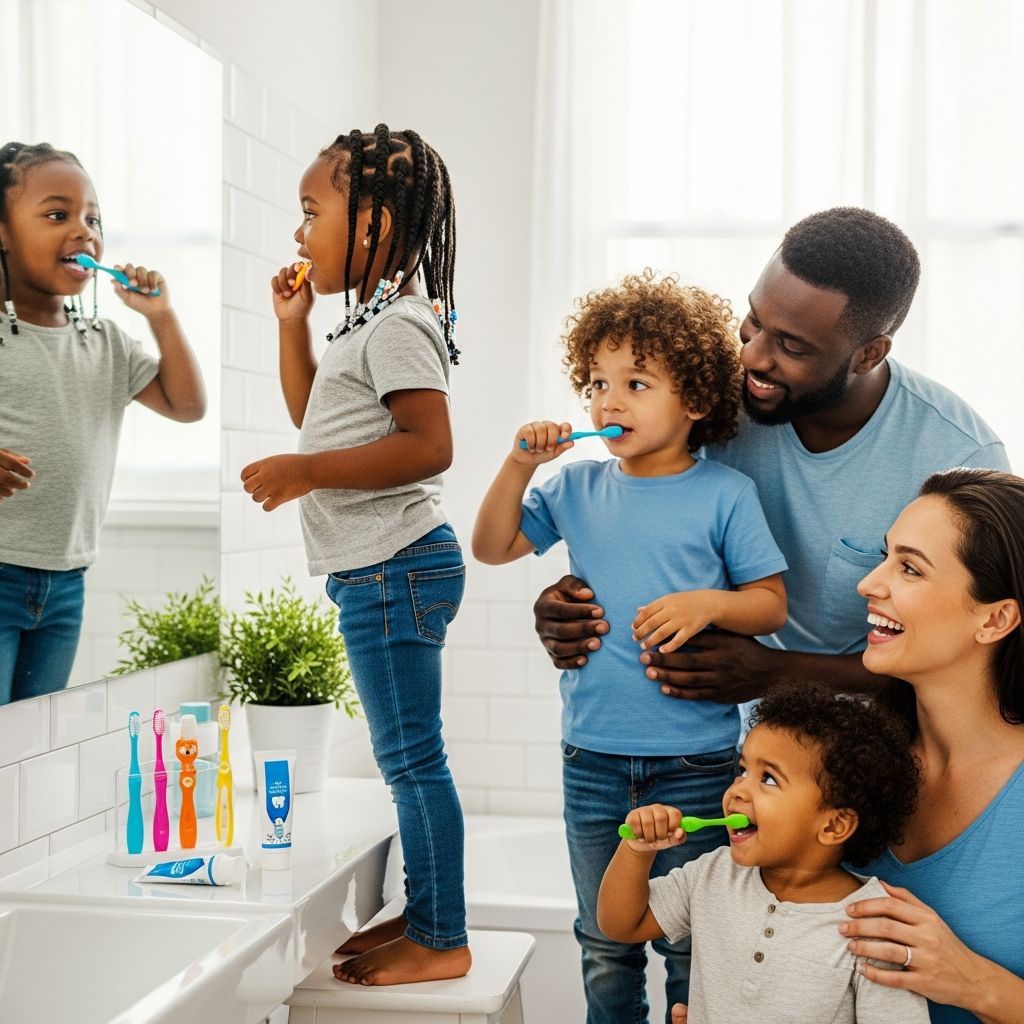
Healthy teeth start long before the first lost tooth or the first trip from the tooth fairy. The routines parents build in the early years can prevent cavities, protect speech and chewing, and set children up for a lifetime of confident smiles. This guide explains, in simple language, how to care for your child’s mouth from day one and how to turn toothbrushing into a habit your child will happily keep.
Why Baby Teeth Matter More Than You Think
Baby teeth may be temporary, but the problems they develop can last for years. Cavities in early childhood can cause pain, make it hard to eat, and sometimes even affect sleep and behavior. In contrast, clean primary teeth help children chew properly, speak clearly, and hold space for the adult teeth that will arrive later.
When parents start oral care early, they remove sticky plaque that bacteria feed on and lower the chance of early childhood cavities. Just as important, children who grow up with toothbrushing as a normal part of their day are more likely to keep brushing on their own as they get older.
From Gums to First Tooth: Caring for Infants
Mouth care can begin long before the first tooth breaks through. For very young babies, the goal is to keep gums clean and help them get used to gentle cleaning in the mouth. Once a tooth appears, soft brushing becomes part of the routine, even if there is only one small tooth to clean.
- Use a clean, damp washcloth or a soft silicone finger brush to gently wipe the gums once or twice a day.
- As soon as the first tooth appears, switch to a baby toothbrush with a tiny head and very soft bristles.
- Brush the tooth (or teeth) and the gum line with water and a tiny smear of fluoride toothpaste, about the size of a grain of rice.
How Much Toothpaste to Use at Every Age
The amount of toothpaste matters, especially because young children tend to swallow instead of spit. Parents can use this simple guide to match toothpaste amount to age and stage while still getting cavity-fighting benefits from fluoride.
| Age group | Toothpaste amount | Fluoride advice | Notes |
|---|---|---|---|
| Before first tooth | None | No toothpaste needed | Use a damp cloth or finger brush on gums. |
| First tooth to under 3 years | Smear (grain of rice) | Fluoride toothpaste made for young children | Spread thinly over bristles so it is hard to see. |
| 3 to 6 years | Pea-sized amount | Child or standard fluoride toothpaste, as dentist recommends | Adult should put toothpaste on the brush. |
| Over 6 years | Pea-sized amount | Standard fluoride toothpaste | Child can start preparing their own brush with supervision. |
Choosing the Right Toothbrush for Small Mouths
The right toothbrush makes brushing easier and more comfortable for both parent and child. A brush that is too large or too stiff can cause discomfort and make a child resist toothbrushing, even when the routine is otherwise positive.
- Pick a brush with a small, rounded head that can easily reach the back teeth.
- Choose soft or extra-soft bristles to avoid hurting delicate gums.
- Look for a thick, non-slip handle for toddlers and preschoolers so their small hands can grip it.
- Replace any toothbrush with bent, frayed, or splayed bristles, and aim to change brushes every 3–4 months.
Step-by-Step Brushing Technique for Kids
Good technique matters more than brushing hard. Parents can think in terms of covering every side of every tooth with gentle, repeated motions rather than scrubbing quickly. The goal is to remove plaque along the gum line and on chewing surfaces without irritating the gums.
- Have your child open slightly so the lips relax; gently lift the lip if needed to see the gum line.
- Place the bristles at a slight angle toward the gums, not straight up and down.
- Use small, gentle circles on the outside surfaces of the front and back teeth.
- Repeat the same small circles on the inside surfaces, where plaque can quietly build up.
- Brush the chewing surfaces with short back-and-forth strokes, especially on the grooves of molars.
- Finish by brushing the tongue lightly from back to front to help with fresh breath.
Aim for about two minutes, which often feels longer than expected. Many parents find it helpful to use a simple timer or a short song to keep track without watching the clock.
Who Does the Brushing? Age-by-Age Guidance
Young children do not have the hand control to clean all tooth surfaces, even when they are eager to “do it myself.” Parents should expect to guide or repeat brushing for years, gradually sharing more responsibility as skills improve.
- Infants to age 3: Parents do all the brushing. Children can hold a second brush to explore and copy the motion.
- Ages 3 to about 7 or 8: Let your child brush first, then you go over all surfaces again. This “your turn, my turn” pattern keeps them involved while still ensuring a thorough clean.
- Older children: They can usually brush on their own when they have good hand control, such as when they can tie their shoes, but still benefit from occasional checks and reminders.
Fitting Brushing into a Busy Family Schedule
Brushing twice a day is the foundation of good oral hygiene. Building it into an existing routine makes it far more likely to happen consistently, even on rushed mornings or busy evenings.
- Brush after breakfast, once your child has finished eating and drinking.
- Brush right before bed, after the last snack or drink of the day (other than plain water).
- Keep toothbrushes and toothpaste organized and easy to reach so the routine feels simple, not like extra work.
- Use visual cues such as a small chart or picture schedule in the bathroom to remind children of the order: toilet, wash hands, brush teeth, bedtime.
Making Toothbrushing Fun, Not a Fight
Many parents face resistance at the sink, especially with toddlers who are learning to say “no.” Turning brushing into a playful, predictable part of the day can lower stress for everyone and reduce power struggles.
- Let children choose the color or character on their toothbrush from a few parent-approved options.
- Play a favorite two-minute song during brushing so children know they only need to brush until the music ends.
- Use simple games such as “chase the sugar bugs” or “make the teeth sparkle” to keep your child engaged.
- Brush your own teeth at the same time so your child can copy your movements and see brushing as a normal adult behavior.
- Create a small reward chart with stickers to celebrate consistent morning and night brushing, focusing on encouragement rather than punishment.
If Your Child Hates Brushing: Gentle Solutions
Some children fight toothbrushing despite every effort. Sensitivity, fear of new sensations, or a need for control can all play a role. Staying calm and consistent is more effective than forcing the issue in a way that makes the bathroom feel scary.
- Try different brushing positions: laying your child on your lap, standing behind them and tilting their head back, or brushing in front of a mirror.
- Start with very short brushing sessions and add a few extra seconds each week.
- Experiment with milder-flavored toothpaste or start with water only and slowly introduce a tiny amount of paste.
- Offer choices that do not change the goal, such as “blue brush or green brush first?” or “top teeth or bottom teeth first?”
- If struggles are intense or long-lasting, consider asking a pediatric dentist or pediatrician for individual strategies, especially for children with sensory differences.
Beyond the Brush: Other Habits That Protect Little Teeth
Brushing is powerful, but it is only one part of keeping a child’s mouth healthy. Simple changes in feeding habits, snacks, and professional care can greatly lower the risk of early cavities and gum problems.
- Limit frequent sipping on sweet drinks, including juice, flavored milk, and sugary teas.
- Offer water between meals and save special drinks for mealtimes.
- Avoid putting a baby to bed with a bottle of milk or juice; if a bottle is needed, keep it to plain water.
- Introduce a small cup around the first birthday and gradually move away from constant bottle or sippy-cup use.
- Schedule regular dental checkups starting around the first birthday or within six months of the first tooth appearing.
Frequently Asked Questions About Brushing Kids’ Teeth
How early should I start cleaning my baby’s mouth?
Mouth care can begin soon after birth. At first, gently wiping the gums with a soft, damp cloth is enough, and it helps your baby get used to the feeling of cleaning. Once the first tooth appears, usually sometime in the first year, switch to a soft baby toothbrush and begin brushing twice a day.
What if my toddler just swallows the toothpaste?
Many toddlers swallow toothpaste instead of spitting, which is why using the correct small amount is important. A smear the size of a grain of rice keeps fluoride exposure low while still protecting teeth, and parents can help children practice spitting over time by asking them to “spit like a camel” or “spit into the sink” after brushing.
Is brushing once a day good enough?
Brushing once a day is better than not brushing at all, but plaque and food build up throughout the day and night. Brushing twice a day, in the morning and before bed, gives teeth much more protection and is the routine dentists recommend for both children and adults.
When should my child start flossing?
Flossing becomes useful when two teeth touch and the brush bristles can no longer easily reach between them. Parents can use child-friendly flossers or soft floss to clean between teeth once a day, usually starting in the preschool years, and continue to help until their child has the coordination to manage floss safely alone.
How do I know if my child is brushing well enough?
Most young children miss the back teeth and the inside surfaces near the tongue and palate. Parents can occasionally look in the mouth after brushing to check for remaining food or sticky film, and dental checkups provide another chance to see whether brushing is reaching all the right areas.
What if we occasionally miss a brushing session?
Occasional slip-ups happen in every household, especially when routines are disrupted by travel, illness, or late nights. The key is to treat missed sessions as temporary and return to the twice-daily routine at the next opportunity rather than letting occasional misses turn into a new pattern.
Turning a Daily Chore into a Lifelong Skill
Toothbrushing is one of the earliest self-care skills children learn, and it is one they will need every day for the rest of their lives. When parents start early, use the right tools, and keep the routine calm and predictable, brushing becomes a manageable part of family life instead of a nightly struggle.
With patience, practice, and positive attention, children learn that caring for their teeth is simply what they do, just like washing hands or putting on pajamas. That early confidence pays off in healthier teeth, fewer dental visits for problems, and smiles that stay bright into adulthood.