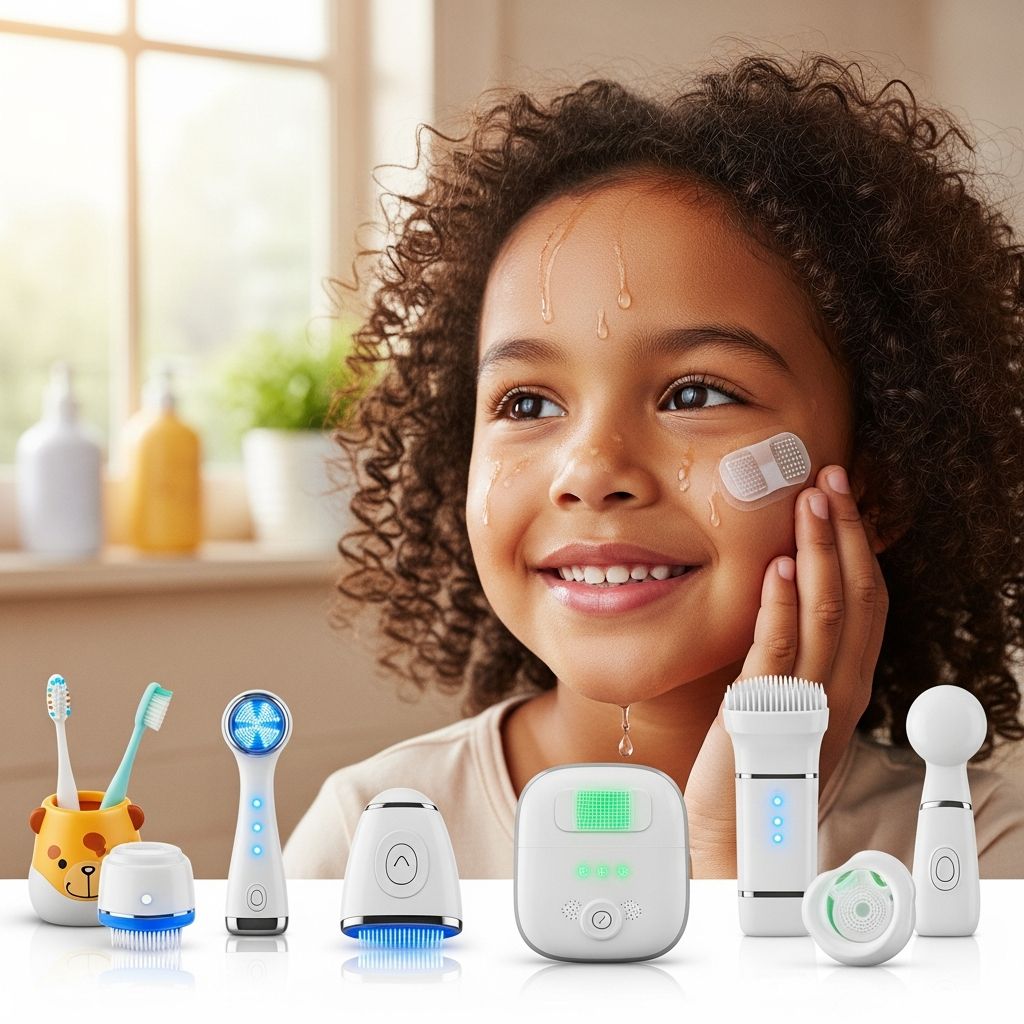
Children’s skin is softer, thinner, and more sensitive than adults’, requiring gentle care to stay healthy and protected. Establishing basic habits early prevents issues like dryness, irritation, and sun damage while fostering lifelong wellness.
Why Kids Need Special Skin Attention
A child’s skin barrier develops gradually, making it prone to dehydration, allergies, and environmental harm. Daily routines with mild products support this barrier, reducing risks of eczema or acne later. Experts recommend starting simple hygiene practices from infancy, evolving as needs change during growth spurts and puberty.
Regular care also teaches responsibility and boosts confidence. Unlike adult regimens with anti-aging serums, kids benefit from basics: clean, hydrate, protect. Overloading with products can disrupt natural oils, leading to imbalances.
Recognizing Your Child’s Skin Type
Understanding skin type guides product selection. Here’s a breakdown:
- Normal: Balanced, smooth, rarely irritated. Needs gentle maintenance.
- Dry: Flaky, tight after washing. Requires richer hydration.
- Oily: Shiny, prone to breakouts. Prefers lightweight formulas.
- Sensitive/Eczema-Prone: Red, itchy, reactive. Demands fragrance-free, hypoallergenic options.
Observe reactions post-bath or outdoors to identify type. Consult a pediatrician for persistent issues.
Building a Basic Daily Routine
Keep it to 3 steps: cleanse, moisturize, sunscreen. Perform morning and night, adjusting for activity.
Morning Steps
- Gentle Cleanse: Use lukewarm water and mild, non-comedogenic cleanser to remove overnight buildup without stripping oils.
- Hydrate: Apply lightweight lotion or gel while damp to seal moisture.
- Protect: Broad-spectrum SPF 30+ sunscreen, reapplied every 2 hours outdoors.
Evening Steps
- Cleanse: Wash away dirt, sweat, and SPF residue.
- Hydrate: Thicker cream if dry; lighter for oily skin.
Post-sweat rinse prevents clogged pores. Limit baths to 10-15 minutes with tepid water.
Choosing the Right Products
Opt for kid-specific, minimal-ingredient items. Avoid fragrances, alcohols, parabens that irritate.
| Product Type | Key Features | Best For |
|---|---|---|
| Cleanser | Fragrance-free, pH-neutral, ceramide-rich | All types; foaming for oily |
| Moisturizer | Hyaluronic acid, non-comedogenic gel/lotion | Daily use; cream for dry |
| Sunscreen | Mineral-based SPF 30+, water-resistant | Daily from 6 months |
Patch-test new products. Hypoallergenic labels ensure safety.
Age-Appropriate Care Guidelines
Tailor routines by stage:
- Infants (0-2 years): Minimal; sponge baths, thick moisturizer, SPF post-6 months.
- Toddlers/Preschool (2-5): Daily bath, body lotion, face sunscreen.
- School-Age (6-12): Twice-daily face wash, full routine independence.
- Preteens (8-13): Add acne prevention; gentle exfoliation if needed.
Puberty signals oilier skin; introduce non-comedogenic items early.
Sun Safety Essentials
UV exposure causes 90% of visible aging and skin cancer risk. Daily SPF prevents this, even indoors. Choose mineral sunscreens (zinc/titanium) less irritating for kids. Apply generously 15 minutes pre-exposure; reapply after swimming/sweating. Pair with hats, shade.
Common Skin Concerns and Fixes
- Dryness: Short baths, immediate moisturizing, humidifier.
- Acne: Oil-free products; no picking.
- Eczema: Thick emollients, avoid triggers.
- Bug Bites/Rashes: Hydrocortisone sparingly; see doctor if worsening.
Most resolve with basics; persistent cases need dermatologist input.
Parenting Tips for Success
Make it fun: colorful bottles, mirrors for self-application. Demonstrate first, then supervise. Stock bathroom caddy for easy access. Track progress with photos to motivate. Avoid sharing adult products—too harsh.
Educate on habits: no face-touching, clean phones/towels weekly. Diet rich in fruits/veggies aids skin from inside.
Frequently Asked Questions
At what age should kids start a skin care routine?
Basics from infancy; full routine around puberty (8-13), but sunscreen at 6 months.
Can kids skip moisturizer if not dry?
No—hydration balances oil production, preventing overcompensation.
Is sunscreen needed daily?
Yes, UVA rays penetrate clouds/windows, causing cumulative damage.
What if my child hates skin care?
Start with one step, use fun packaging, tie to rewards for habit-building.
Are natural products always safer?
Not necessarily—check for irritants; pediatrician-approved is best.
Long-Term Benefits of Early Habits
Consistent care reduces future issues like premature aging or melanoma. Empowers kids with self-care skills, promoting positive body image. Adjust as they grow, always prioritizing simplicity.
References
- Skin Care For Preteens: When to Start and What to Use — GoodRx. 2023. https://www.goodrx.com/health-topic/dermatology/skin-care-for-pre-teens
- A Guide to Skin Care for Kids — Aveeno. 2024. https://www.aveeno.co.uk/kids/kids/skincare/skincare-for-kids
- Skin Care Routine For Kids: What’s OK And What To Avoid — Mustela USA. 2023. https://www.mustelausa.com/blogs/mustela-mag/skin-care-for-kids
- Kids’ Skincare: Building Healthy Routines & Choosing Safe Products — US Dermatology Partners. 2023-08-02. https://www.usdermatologypartners.com/blog/building-healthy-kids-skincare-routines/
- What parents need to know about skincare for kids — Children’s Health. 2024. https://www.childrens.com/health-wellness/what-parents-need-to-know-about-skincare-for-kids
- Guiding Parents Through A Safe and Effective Pediatric Skincare — Practical Dermatology (BMC Today). 2019-08. https://assets.bmctoday.net/practicaldermatology/pdfs/PD0819_CF_PediatricSkinCare.pdf