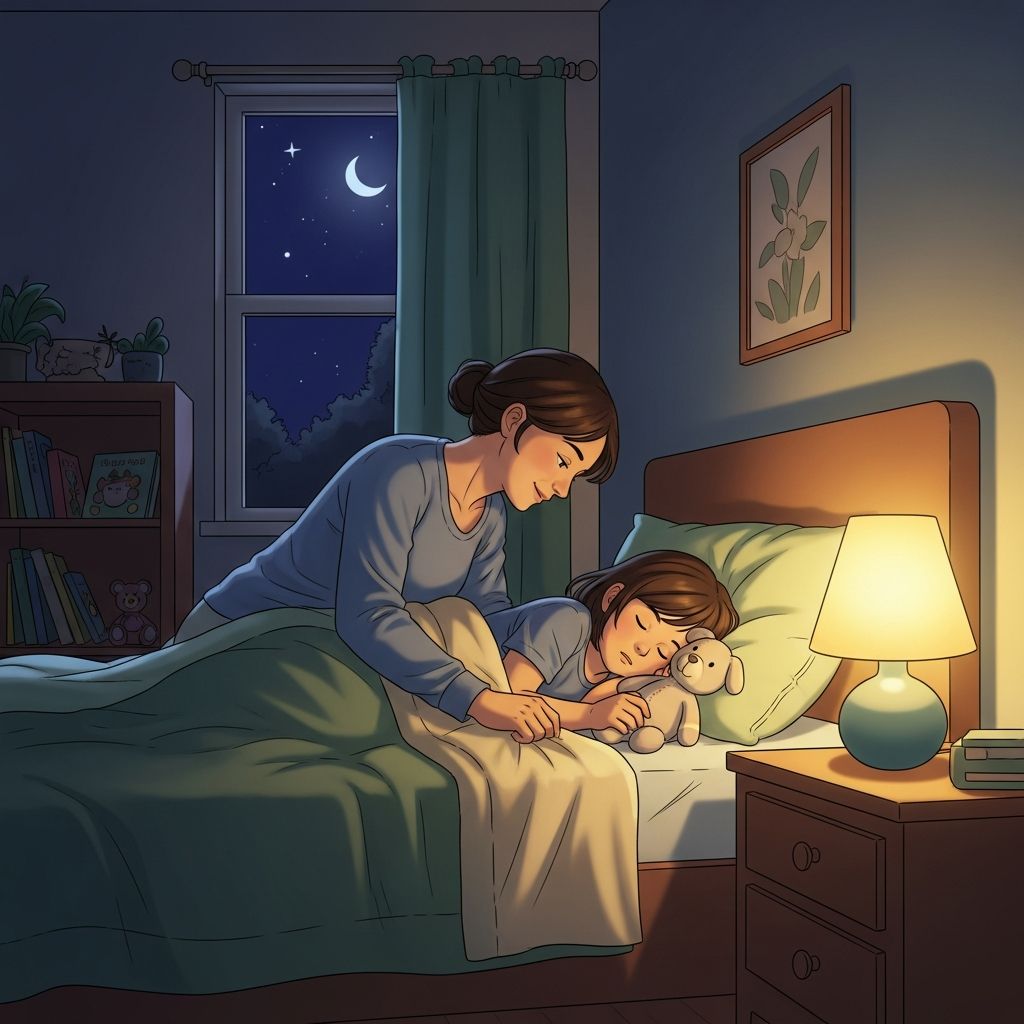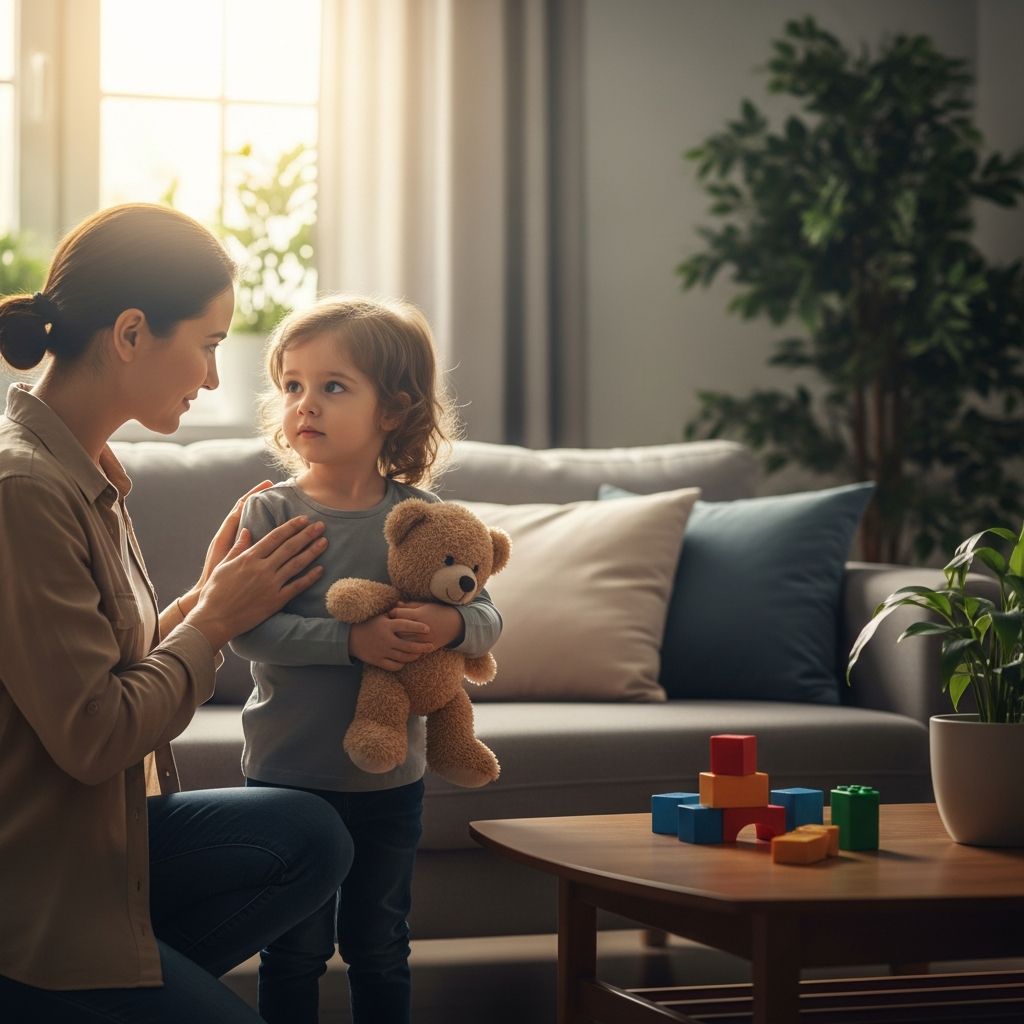
New motherhood brings profound changes that can reshape a woman’s thoughts, emotions, and priorities. Partners play a vital role in supporting this transition by recognizing these shifts and responding with empathy and practical help. This article draws on research to help men bridge the gap, fostering healthier family dynamics from the start.
The Postpartum Physical and Emotional Landscape
After giving birth, new mothers often face a whirlwind of physical recovery and hormonal fluctuations. These changes influence everything from energy levels to mood stability. Studies indicate that while about 15% of new mothers experience postpartum depression, many more navigate subtler emotional adjustments that affect daily interactions. Partners who understand this can offer targeted support without overwhelming her.
- Hormonal shifts: Estrogen and progesterone levels drop sharply, leading to fatigue, irritability, and weepiness.
- Sleep deprivation: Frequent night feedings disrupt rest, amplifying emotional sensitivity.
- Body image concerns: Recovery from pregnancy can spark self-consciousness about physical changes.
Recognizing these factors helps partners avoid taking reactions personally. Instead of questioning her feelings, focus on listening actively and validating her experiences.
Shifting Priorities: Baby at the Center
New moms frequently report that their world revolves around the baby, sidelining previous interests or couple time. This isn’t rejection but a natural protective instinct. Research shows mothers instinctively prioritize infant cues, which can make shared activities feel secondary.
To adapt, partners should embrace this shift temporarily. Engage in baby-inclusive bonding, like joint walks or play sessions, to stay connected without pulling her away from maternal duties.
| Common Mom Priority | Partner Support Strategy |
|---|---|
| Feeding and soothing baby | Prepare bottles, burp cloths, or handle diapers during/after feeds |
| Rest and recovery | Take over household tasks to free her for naps |
| Emotional attunement to baby | Observe and learn cues together, sharing insights |
Navigating Intimacy and Relationship Dynamics
Physical intimacy often pauses postpartum due to recovery needs, pain, or low libido from hormones and exhaustion. Partners may feel sidelined, echoing feelings some dads report during breastfeeding phases where moms bond exclusively. Patience is key; rushing can heighten her stress.
Rebuild connection through non-sexual touch: massages, cuddling without expectations, or date nights at home. Communicate openly about needs, using ‘I’ statements like ‘I miss our closeness’ to invite dialogue.
Household Roles: Stepping Up Without Being Asked
New moms appreciate partners who proactively manage home responsibilities. Don’t wait for a list—anticipate needs like meal prep, laundry, or cleaning. This reduces her mental load, a common source of overwhelm.
Evidence from family studies highlights that shared childcare from infancy boosts child outcomes, like better grades and social skills, emphasizing dads’ active role. Model this by handling routines independently, freeing her mental space.
Emotional Support: Listening Over Fixing
Many new moms crave empathy more than solutions. When she vents about frustrations, resist problem-solving. Phrases like ‘That sounds really tough’ validate without judgment. Research on paternal involvement stresses that emotional availability strengthens family health.
- Validate feelings: ‘It’s okay to feel overwhelmed.’
- Ask open questions: ‘What would help right now?’
- Avoid comparisons: Don’t say ‘I had it harder’—focus on her experience.
Health Realities: Her Risks and Your Role
Postpartum women face health challenges like depression, affecting 10-15%. Partners can encourage check-ins, accompany her to appointments, and watch for signs like persistent sadness or withdrawal. Your own health matters too—studies show new dads often neglect self-care, with 70% overweight and 10% depressed, impacting family wellbeing. Prioritize mutual health for longevity.
Building Your Bond with Baby
Dads uniquely stimulate infants through play and interaction, complementing maternal care. Skin-to-skin contact, even post-birth, fosters attachment. Active involvement during pregnancy and labor predicts long-term engagement, leading to kids avoiding risks and achieving better outcomes.
Take solo baby time: baths, walks, or tummy time. This gives mom breaks and builds your confidence.
Self-Care for Partners: Avoid Burnout
Supporting a new mom demands energy. Maintain your routines—exercise, hobbies, sleep—to stay resilient. Therapy can help process emotions, as many dads report improved parenting post-counseling. Healthy dads model balance for kids.
Long-Term Family Harmony
As routines stabilize, revisit couple goals. Plan for second children thoughtfully, noting research on divided attention but calmer responses. Parental prosocial modeling shapes kind kids. Stay engaged without over-parenting, avoiding anxiety links.
Frequently Asked Questions
What if she seems distant or irritable?
It’s often hormones and exhaustion, not you. Offer space and help without pressure; patience rebuilds closeness.
How can I help with breastfeeding?
Support by handling chores, providing comforts, and giving her breaks for dad-baby time to bond differently.
When should we worry about postpartum depression?
Signs include prolonged sadness, appetite changes, or disinterest. Encourage professional help promptly.
Is my health important too?
Yes—new dads face risks like obesity and depression. Prioritize check-ups for family modeling.
How involved should I be from pregnancy?
Highly—early engagement predicts stronger attachments and child success.
References
- New Dads Are Facing A Public Health Crisis, Study Says — Fatherly. 2023-approx. https://www.fatherly.com/health/new-dads-public-health-crisis
- The Importance Of Dad’s Involvement Is Indisputable. A New Report — Fatherly. 2023-approx. https://www.fatherly.com/parenting/importance-dads-involvement-indisputable-new-report
- Breastfeeding Is Great For Babies, But Is It Bad for Dads? — Fatherly. 2023-approx. https://www.fatherly.com/health/breastfeeding-is-great-for-babies-but-is-it-bad-for-dads
- The Encouraging Science of Fatherhood and the ‘Father Effect’ — Fatherly. 2023-approx. https://www.fatherly.com/health/science-benefits-of-fatherhood-dads-father-effect
- We’re Not Paying As Much Attention to Our Second Kid — Fatherly. 2023-approx. https://www.fatherly.com/love-money/how-to-balance-adding-second-child-family
- The Key To Raising Helpful, Kind Kids Lies Entirely With The Parents — Fatherly. 2023-approx. https://www.fatherly.com/parenting/key-to-raising-helpful-kind-kids