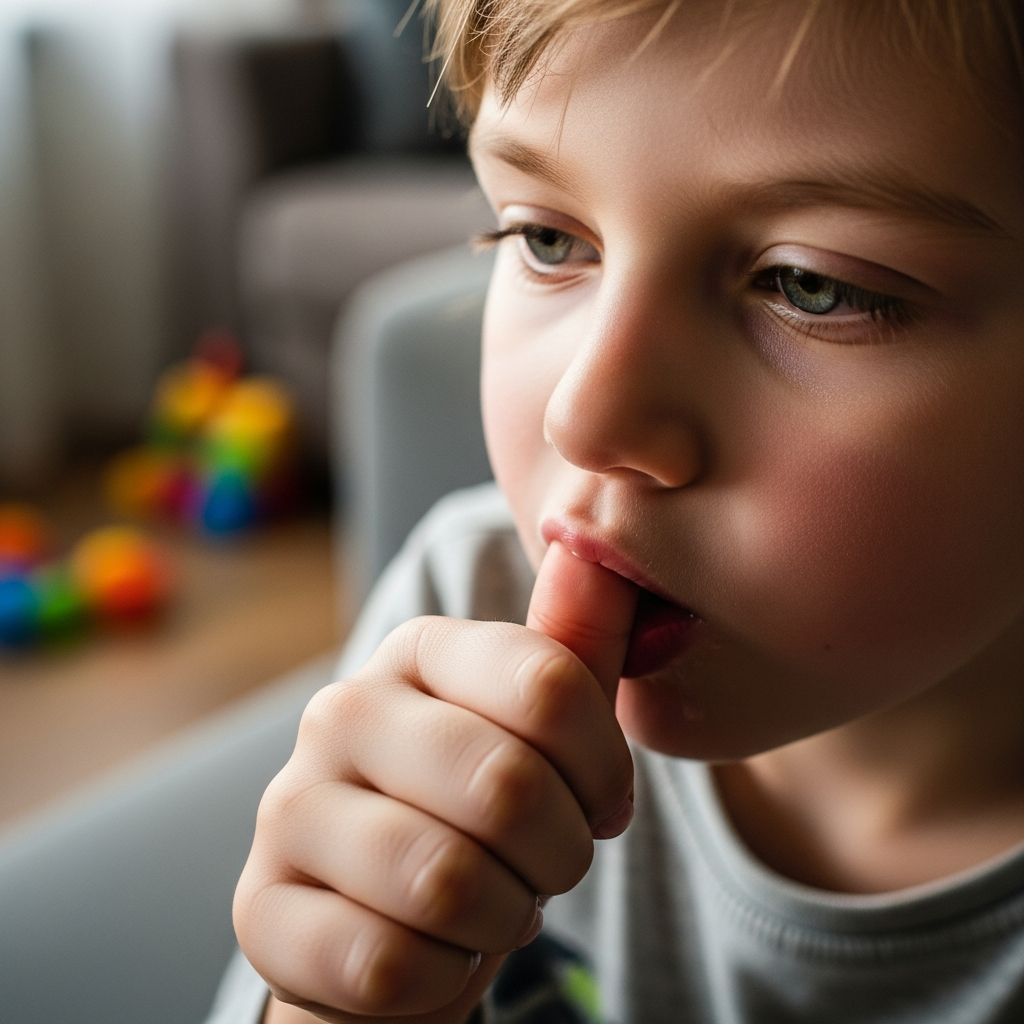
Disagreements are a normal part of any close relationship, and parenting partnerships are no exception. What matters most for children is not whether parents argue, but how they argue, how often, and what happens afterward. When conflict is handled with respect and repair, it can actually teach children valuable life skills; when it is frequent, hostile, or unresolved, it can quietly erode a child’s sense of safety.
This article explores how parental conflict shapes a child’s emotional world and offers practical, compassionate strategies to manage disagreements in ways that protect—and even strengthen—your relationship with your children.
Why Conflict in Front of Children Matters
Children read the emotional climate of their home to decide whether their world is safe. Even before they understand the content of an argument, they react to tone of voice, facial expressions, and body language. Raised voices, sarcasm, eye-rolling, and cold silence can feel deeply unsettling, especially when children do not understand what is happening or fear that they are to blame.
Over time, repeated exposure to intense or unresolved conflict can contribute to anxiety, sadness, sleep issues, aggression, or withdrawal. Children may begin to worry about their parents separating, feel responsible for keeping the peace, or learn that yelling and shutting down are normal ways to handle strong feelings.
Destructive vs. Constructive Conflict
Not every disagreement is harmful. In fact, when parents handle differences with respect, they give children a living model of how to navigate conflict in their own friendships and future relationships. The key distinction is between destructive conflict and constructive conflict.
| Destructive patterns | Constructive patterns |
|---|---|
| Yelling, insults, threats, name-calling, mocking | Calm voices, taking turns speaking, focusing on the issue |
| Bringing up old grudges to hurt or shame | Staying with the current problem and using specific examples |
| Silent treatment, slamming doors, storming off in rage | Pausing to cool down with an agreed time to return and talk |
| Blaming or criticizing the other parent as a person | Expressing feelings using “I” statements and describing needs |
| Involving the child, asking them to take sides or carry messages | Keeping children out of adult disputes and offering reassurance |
| Leaving issues unresolved, tension lingering for days | Apologizing, repairing, and demonstrating that the relationship is intact |
Children do not need parents who never disagree. They need parents who can disagree without attacking each other, who show that conflict can be faced, talked about, and healed. When repair is visible—through apologies, affection, and calm conversation—children learn that relationships can survive hard moments.
How Children Experience Parental Arguments
Children of different ages experience parental conflict in different ways, but nearly all are sensitive to emotional tension. A baby may cry or become fussy when voices are raised. A preschooler might cover their ears, cling to a parent, or act out later. An older child may withdraw, try to mediate, or begin to use the same harsh language they hear.
Common internal experiences for children include:
- Fear: Worry that parents might separate or stop loving each other.
- Self-blame: Believing the argument is “about me” or caused by something they did.
- Loyalty conflicts: Feeling torn about whom to support or comfort.
- Confusion: Struggling to make sense of intense emotions without enough context.
When conflict becomes a regular backdrop, children may adapt by numbing themselves, avoiding home, becoming “the good kid” who never causes trouble, or turning to aggressive behavior as a way to discharge tension they do not know how to process.
Common Myths About Fighting in Front of Kids
Parents often feel unsure about where the line is between healthy and harmful. Several myths can add to that confusion and guilt. Challenging these myths can open the door to more intentional, compassionate choices about how you handle conflict.
Myth 1: “All arguing is bad for kids.”
Children are stressed by hostility, contempt, and unresolved tension—not by every disagreement. Calm, respectful discussions, even when there is strong emotion, can help children learn that relationships can hold different opinions and big feelings without falling apart.
When parents can acknowledge feelings, listen, and move toward a solution, they show children that conflict is a normal part of life that can be worked through without blame or cruelty.
Myth 2: “We must hide every disagreement.”
Always taking arguments behind closed doors can protect children from the most intense moments, but an entirely conflict-free appearance can send an unrealistic message. Children may grow up believing that “good” relationships never struggle, leaving them unprepared for normal differences later in life.
What children need protection from is not the fact of disagreement but the intensity, frequency, and emotional fallout of that disagreement. They also need explicit reassurance that they are not responsible for adult problems.
Myth 3: “We never involve the kids, so they are fine.”
Even when children are not spoken to directly, they usually pick up on tension. Closed doors, clipped answers, and icy silences are loud to them. Saying “everything is fine” when it clearly is not can be more confusing than naming what is happening in age-appropriate language.
Children feel safer when adults are honest without oversharing: acknowledging that there was a disagreement, affirming that the adults are handling it, and emphasizing that the child is loved and not at fault.
The Most Harmful Patterns to Watch For
While every couple argues differently, some patterns are especially painful and confusing for children. Becoming aware of them is a powerful first step toward change.
- Frequent, intense blowups: Regular shouting matches or explosive confrontations create a home environment that feels unstable.
- Insults and contempt: Mocking, eye-rolling, name-calling, and sarcasm about a partner’s character can feel like the foundation of the family is cracking.
- Threats about leaving: Statements like “I’m done” or “Maybe we should just split up” are terrifying for children to overhear.
- Silent treatment and emotional shutdown: Long stretches of cold distance signal unresolved danger to a child’s nervous system.
- Using children as messengers or allies: Asking a child to carry complaints to the other parent or to “report back” on them puts them in an impossible position.
If these dynamics are common in your home, it does not mean you are failing as a parent. It means your family would benefit from new tools—and perhaps additional support—to handle conflict in ways that protect everyone’s well-being.
Principles for Arguing in Healthier Ways
Transforming how you fight is less about memorizing scripts and more about honoring a few guiding principles. These principles help you stay anchored in your values—even when emotions run high.
- Preserve dignity: Speak as if your child were standing right beside you, even when they are not.
- Protect safety: Avoid threats, intimidation, and anything that could feel physically or emotionally unsafe.
- Stay on the issue: Focus on the specific problem instead of attacking personality or revisiting every past hurt.
- Own your feelings: Use “I feel…when…” language instead of “You always…” or “You never…”
- Make repair visible: Let children see apologies, affection, and genuine reconnection after conflicts.
A Simple Framework for In-the-Moment Conflict
In the heat of the moment, it helps to have a simple plan. The following four-step framework can guide you during disagreements that happen around your children.
1. Notice the escalation
Pay attention to early signs that a conversation is turning into an argument: voices rising, faster speech, tense posture, interrupting, or replaying the same point with more frustration. As soon as you notice these signs, you have an opportunity to slow things down before they become overwhelming for you or your children.
Even a brief pause can shift the tone. Taking a deep breath, lowering your voice, or naming that things are getting heated can prevent an argument from spiraling into a full-blown fight.
2. Call for a respectful pause
Agree in advance on a neutral phrase you both can use, such as “Let’s pause” or “Time-out for us,” when emotions get high. When one partner uses the pause phrase, the other commits to stepping back without punishment or mockery.
During the pause, you might:
- Get a drink of water and focus on your breath.
- Step into another room briefly to reset.
- Change the subject to something neutral until you can talk privately.
3. Move the deeper discussion out of earshot
Once immediate tension has eased, continue the conversation in a private space if possible. This does not mean hiding every disagreement, but it does mean protecting children from the most intense parts of adult issues, especially complex topics like finances, parenting philosophy, or marital dissatisfaction.
If you cannot move elsewhere—for example, in a car—make a conscious choice to lower the emotional volume and postpone the most charged issues until later.
4. Return to repair—both with your partner and your child
After emotions settle, prioritize repair. This includes repairing with your partner (listening, validating, apologizing where needed) and repairing with your child. Children may have questions or lingering fear, even if they did not say anything at the time.
Repair with children can be simple and age-appropriate: acknowledge that voices were raised, affirm that the adults are working it out, reassure them that they are loved, and invite any feelings or questions without judgment.
What to Say to Children After a Fight
Words used after an argument can either deepen a child’s anxiety or restore their sense of safety. You do not need a perfect speech—only honesty, empathy, and clarity that they are not responsible.
Consider including three key elements:
- Recognition: “You might have noticed that we were upset with each other earlier.”
- Reassurance: “We are working it out, and we are both here for you.”
- Release of responsibility: “This is not your fault, and it is not your job to fix it.”
If your child shares feelings like fear or anger, welcome them. Thank them for telling you, validate their experience, and let them see that their emotional world matters just as much as the practical outcome of the argument.
Preventive Habits That Lower Conflict
Many explosive arguments are the result of chronic stress, exhaustion, or repeated small resentments that never get addressed. Building preventive habits can reduce how often you reach the boiling point in the first place.
- Regular check-ins: Set aside weekly time to discuss schedules, finances, and parenting decisions before they become urgent crises.
- Shared agreements: Create written or verbal agreements about recurring friction points such as screen time, bedtime, or discipline approaches.
- Division of labor: Revisit household responsibilities so that one partner is not silently carrying a disproportionate load.
- Stress management: Support each other in getting enough rest, movement, and personal time; partners running on empty are far more likely to escalate.
Prevention is not about eliminating all disagreements but about reducing the chronic pressure that makes minor issues feel like emergencies.
When to Seek Outside Help
Sometimes patterns are so entrenched, or pain runs so deep, that changing how you argue requires outside support. It is a sign of strength—not failure—to recognize that you need additional tools.
Consider reaching out for professional help if:
- Arguments frequently become explosive, cruel, or frightening.
- One partner feels afraid, controlled, or unsafe in the relationship.
- Children show ongoing signs of distress, such as persistent sleep problems, aggressive behavior, or withdrawal.
- Attempts to change your conflict style keep collapsing into old patterns.
Options include couples counseling, individual therapy, parenting coaching, or support groups. If there is any form of physical violence, coercive control, or emotional abuse, safety planning and specialized support services are essential, and arguments should not take place in front of children at all.
Quick Reference: Healthier Conflict Checklist
Use the following checklist as a quick reminder when tensions start to rise. You can even print it and place it somewhere discreet as a shared commitment.
- Voices stay at a respectful volume.
- No name-calling, mocking, or insults.
- No threats about leaving or separating in front of children.
- Children are never asked to choose sides or carry messages.
- A pause phrase is respected when either partner uses it.
- Arguments move to a private space whenever possible.
- Repair is visible: apologies, affection, and reassurance for children.
FAQs About Arguing in Front of Kids
Is it ever okay for kids to see us argue?
Yes, as long as the disagreement is handled respectfully and does not escalate into shouting, insults, or threats. Constructive disagreements can actually help children learn that conflict is normal and manageable, especially when they see adults listening, compromising, and reconnecting afterward.
What if we already argued badly in front of our child?
Most families have moments they wish they could redo. What matters now is how you respond. Talk with your child in age-appropriate language, acknowledge what happened, apologize for any scary behavior, reassure them of your love, and show them that you and your partner are working to handle things differently in the future.
Should we ask our child what they heard or felt?
Inviting your child to share their experience can be helpful, as long as you do not ask them to take sides or judge who was right. Ask open questions like “How was that for you?” and listen without defensiveness. Validate their feelings and emphasize that adult problems are never their responsibility to solve.
What if only one of us wants to change how we fight?
Even one person shifting their behavior can alter the tone of conflict. You can keep your own voice calm, refuse to use insults, suggest breaks, and prioritize repair. You might also invite your partner into a conversation, at a neutral time, about how arguments affect the children and what shared values you both want to model.
Can kids really recover from years of seeing conflict?
Children are remarkably resilient when adults take responsibility, seek support, and create new patterns. Healing begins when conflict becomes less frequent and less intense, and when children consistently experience repair, safety, and emotional responsiveness from their caregivers.
Every step you take toward more respectful, conscious conflict is a gift to your children. You do not need to be perfect; you only need to be committed to learning, repairing, and showing them that love can hold difficult emotions without breaking.