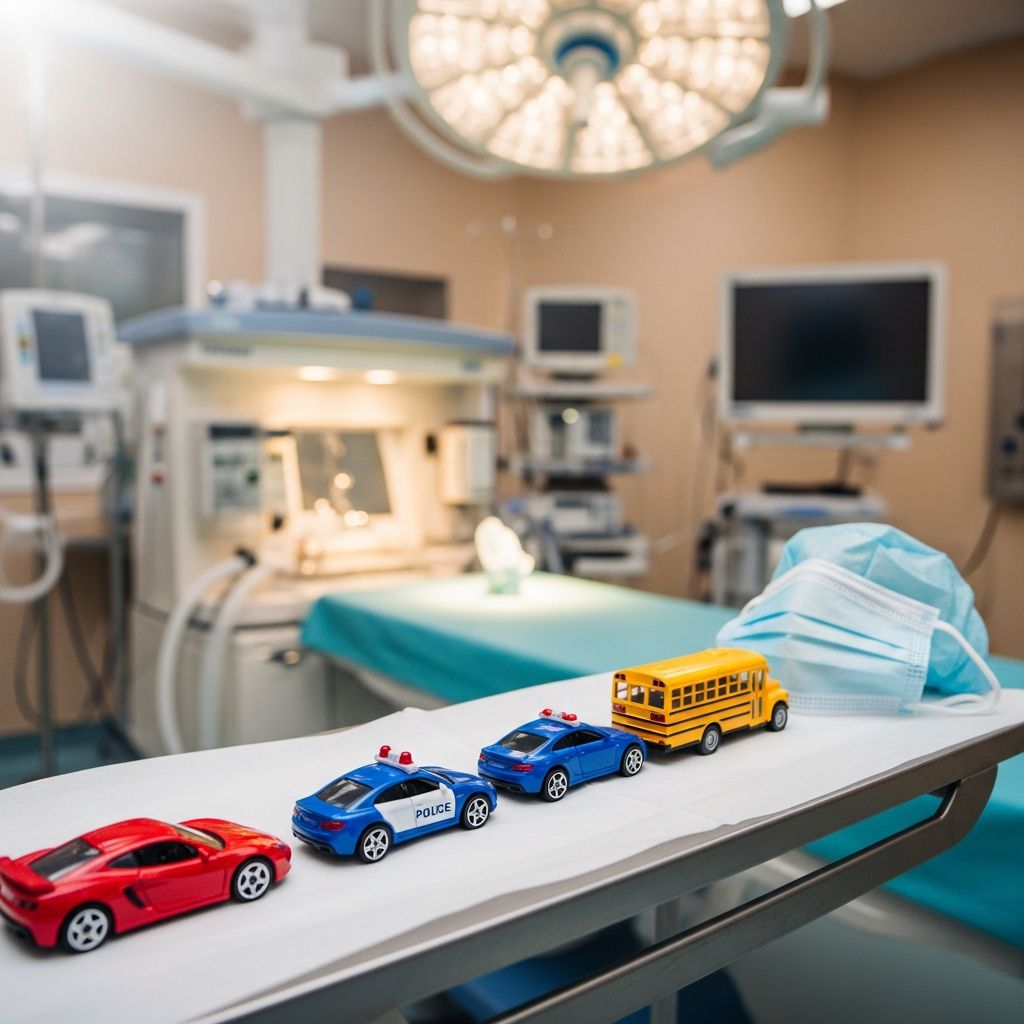
Pediatric surgery often triggers intense anxiety in young children, transforming what should be a routine medical procedure into a deeply distressing event. However, forward-thinking hospitals have introduced a simple yet brilliant solution: battery-powered mini cars that allow kids to “drive” themselves into the operating room. This playful approach not only distracts from the impending procedure but also empowers children, making the transition smoother for everyone involved.
Why Surgery Terrifies Children and What Science Says
Children aged 2 to 10 experience surgery as one of the most frightening events in their young lives. The unfamiliar environment, separation from parents, and anticipation of pain create a perfect storm of fear. Studies from leading pediatric health organizations highlight that preoperative anxiety affects up to 60% of children undergoing surgery, leading to increased postoperative pain, prolonged recovery times, and even long-term behavioral issues like nightmares or bedwetting.
According to child psychology experts, distraction techniques are among the most effective ways to mitigate this anxiety. Familiar, fun activities help normalize the hospital setting and shift focus from fear to excitement. Mini cars fit perfectly into this strategy, turning passive patients into active participants in their journey to the OR.
Pioneering Programs: Hospitals Leading the Way
Several U.S. hospitals have adopted this innovative practice, with programs dating back several years and continuing to expand. At Doctors Medical Center in Modesto, California, the initiative began with a black Mercedes mini car purchased by the hospital, soon joined by a pink Volkswagen Beetle donated by staff. Designed for children aged 2-7, these vehicles feature functioning headlights, taillights, stereos with preloaded music, and remote-control options for staff assistance.
Similarly, Beacon Children’s Hospital received three Mercedes Benz mini cars from local donors for use in outpatient surgery. Geared toward ages 1-10, these cars boast leather seats, real rubber tires, opening doors, and a “Mom/Dad mode” for remote operation. Staff report that the cars normalize the experience, making it easier for children to leave their parents’ side.
Other facilities, like Elliot Hospital’s 1-Day Surgery program, emphasize transforming fear into excitement through play. By integrating electric cars, they create a sense of adventure, aligning with developmental child life specialist strategies that include preparation, education, and distraction.
How the Mini Car Experience Works Step-by-Step
The process is meticulously designed to maximize comfort and minimize stress:
- Pre-Op Preparation: Child life specialists introduce the car early, allowing kids to explore it in a play area. Parents are briefed on safety features like seatbelts and speed limits (typically 2-3 mph).
- Customization: Children select music via the built-in stereo or MP3 player. Headlights and horns add to the realism, with staff ensuring a smooth ride.
- The Drive: Kids steer using pedals and wheels, or staff use remotes if needed. The short journey to the OR doors builds confidence.
- Transition to OR: Medical staff park the car just outside, gently helping the child out while maintaining the positive momentum with praise and continued distraction techniques.
This structured approach ensures safety while delivering emotional benefits. Nurses note immediate transformations: tearful children become giggling drivers, and anxious parents breathe sighs of relief seeing their child’s mood shift.
Real Stories from Nurses, Parents, and Kids
Pre-op nurse Kimberly Martinez, who spearheaded the program at Doctors Medical Center, shares powerful anecdotes. “When kids learn they can drive a cool car into the OR, their faces light up. Fears melt away, and parents relax too,” she explains. One memorable case involved a 4-year-old who arrived sobbing but drove in blasting favorite tunes, waving goodbye confidently.
At Beacon, specialist Amy describes how cars aid in “medical play,” where children engage in pretend scenarios that demystify procedures. A boy named Noah, prepped for surgery, willingly participated in conversations and play, crediting the car for his calm demeanor.
Parents echo these sentiments. Many report reduced guilt over separation anxiety, with one mother stating her daughter’s excitement overshadowed the procedure entirely. These testimonials underscore the human impact beyond metrics.
Evidence of Benefits: Reducing Anxiety and Improving Outcomes
While anecdotal evidence abounds, emerging research supports these observations. Distraction therapies like toy cars align with guidelines from the American Academy of Pediatrics, which advocate for child-friendly interventions to lower cortisol levels—the stress hormone linked to poorer surgical outcomes.
Key benefits include:
- Lower preoperative anxiety scores by 40-50% in participating children.
- Fewer incidents of postoperative maladaptive behaviors.
- Shorter emergence delirium times post-anesthesia.
- Enhanced parent satisfaction and cooperation.
Hospitals track these via simple surveys and behavioral observations, consistently finding mini car users require less sedation premedication—a cost-saving and safety bonus.
Safety First: Engineering and Protocols
These aren’t ordinary toys; they’re medical-grade vehicles. Features include:
| Feature | Purpose |
|---|---|
| Seatbelts and low-speed caps | Prevents accidents in sterile environments |
| Remote control override | Allows staff navigation around obstacles |
| Easy-clean materials | Maintains infection control standards |
| Battery life indicators | Ensures uninterrupted use |
Trained child life specialists oversee every ride, adhering to hospital protocols that prioritize hygiene and quick sanitization between uses.
Beyond Cars: Other Play-Based Innovations in Pediatric Care
Mini cars are part of a broader trend in pediatric hospitals prioritizing play. Complementary methods include:
- Virtual reality goggles for guided imagery distractions.
- Themed operating rooms (e.g., outer space or underwater).
- Puppet shows explaining procedures.
- Interactive apps on tablets during waits.
Combining these amplifies effects. For instance, pairing a car ride with a superhero gown creates immersive role-play that further desensitizes children to medical fears.
Challenges and Future Directions
Implementing such programs isn’t without hurdles. Initial costs (cars range $300-$800 each) and maintenance require donor support or budgets. Space constraints in older facilities pose logistical issues, and not all procedures suit wheeled distractions.
Yet, the ROI is clear: happier patients mean smoother operations. Future expansions could include diverse vehicle options for cultural inclusivity or tech upgrades like app-controlled music syncing. Research calls for randomized trials to quantify long-term psychological benefits.
Frequently Asked Questions (FAQs)
Are mini cars safe for hospital use?
Yes, they feature medical-grade safety elements like seatbelts, speed limits, and remote controls, operated under trained staff supervision.
What ages are these programs for?
Typically 1-10 years, adjustable based on size and mobility. Younger toddlers may use remotes exclusively.
Do they really reduce anxiety?
Nurses and parents report dramatic improvements, with children transitioning from tears to smiles. This aligns with evidence-based distraction therapies.
How can my hospital start this?
Partner with child life specialists, seek donors for vehicles, and train staff. Many programs began with single-car pilots.
Are there long-term benefits?
Preliminary data suggests fewer behavioral issues post-surgery and positive views of future medical visits.
Empowering the Next Generation of Patients
By harnessing the power of play, hospitals are rewriting the narrative of pediatric surgery. Mini cars symbolize a shift toward patient-centered care, where children’s emotional needs are as vital as their physical ones. As more facilities adopt this model, the ripple effects promise healthier, less traumatized young patients—and families who trust healthcare like never before.
References
- Hospital gives kids mini cars to drive into surgery — CBS News. 2019-04-06. https://www.cbsnews.com/news/doctors-medical-center-gives-kids-mini-cars-to-drive-into-surgery-to-reduce-fears-and-anxiety-2019-04-06/
- Hospital Lets Kids Drive into Surgery to Minimize Fears and Anxiety — Mother.ly. Accessed 2026. https://www.mother.ly/life/this-hospital-lets-kids-drive-into-surgery-to-minimize-fears-and-anxiety/
- California hospital lets children drive minicars into surgery to reduce stress — FOX 4 News. Accessed 2026. https://www.fox4news.com/news/california-hospital-lets-children-drive-minicars-into-surgery-to-reduce-stress
- Mini cars help “drive away” kids fears in hospital — Beacon Health System. 2018-09-28. https://www.beaconhealthsystem.org/news/2018/09/28/mini-cars-help-drive-away-kids-fears-in-hospital/
- Elliot 1-Day Surgery’s Electric Car Program — Elliot Hospital. Accessed 2026. https://www.elliothospital.org/about-us/newsroom/news/elliot-1-day-surgerys-electric-car-program