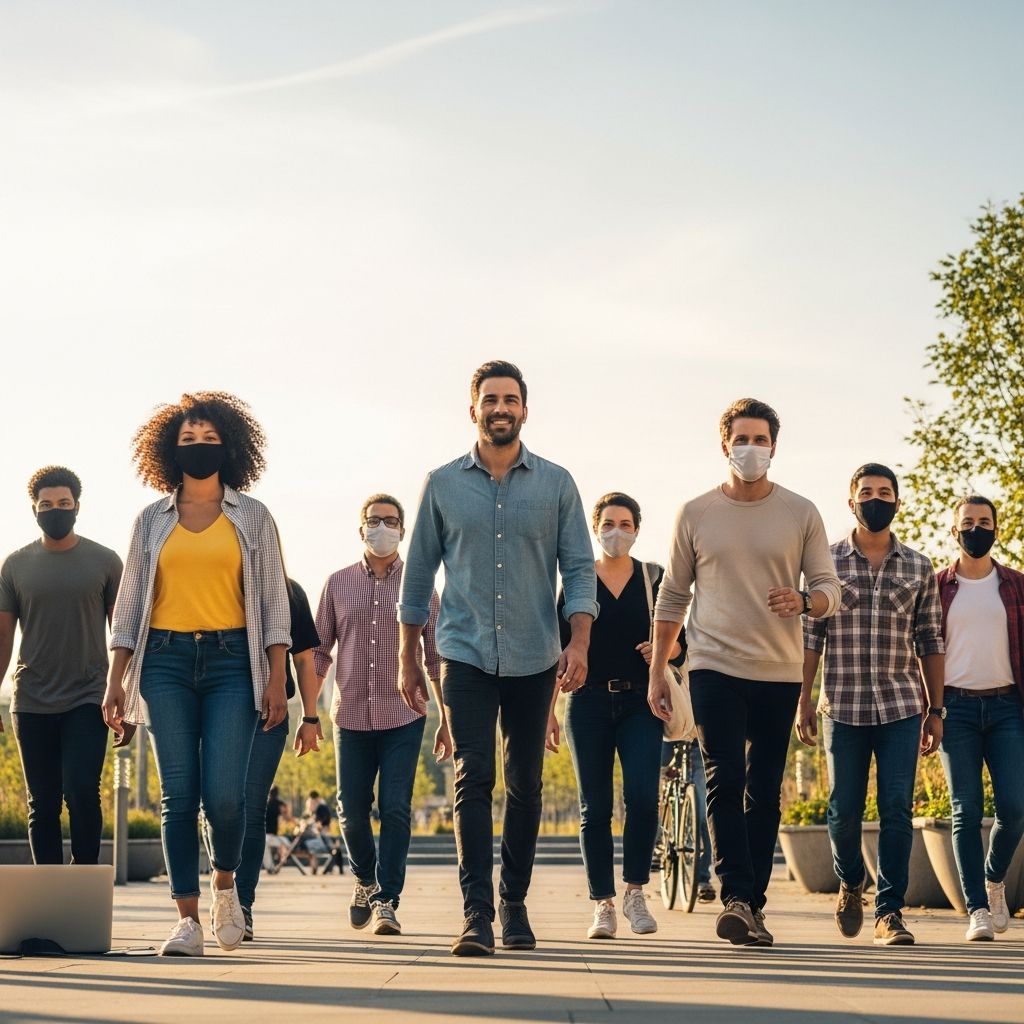
The COVID-19 pandemic fundamentally altered the fabric of everyday existence, introducing a “new normal” that continues to influence how people live, connect, and thrive. Years after initial lockdowns, society grapples with hybrid work models, persistent social withdrawal, and evolving health consciousness.
Redefining Work in a Digital Era
The shift to remote work stands as one of the most enduring legacies of the pandemic. What began as a necessity evolved into a preferred arrangement for many professionals. A Stanford University study revealed that 42% of the U.S. labor force worked remotely full-time during peak pandemic periods, prompting lasting changes in office designs, urban commuting, and work-life boundaries.
Today, among those eligible for remote roles, 43% now work from home at least some of the time, up from 23% pre-pandemic, according to Pew Research. This flexibility aids in balancing professional and personal demands but often leaves workers feeling disconnected from teams.
- Hybrid schedules blend office and home, boosting productivity for 60% of participants in recent surveys.
- Companies invest in virtual collaboration tools, reducing the need for large corporate campuses.
- Challenges include blurred boundaries, leading to burnout risks for parents juggling childcare.
These transformations signal a broader reevaluation of career structures, with implications for real estate markets and city planning.
Social Connections in Flux
Social interactions underwent a profound overhaul, with lockdowns enforcing physical distance that lingered in behaviors long after restrictions lifted. Research from the University of Colorado Boulder indicates 59% of older adults spend more time at home, citing infection fears and hostile public dynamics.
This retreat manifests in reduced outings: 41% shop for groceries less frequently, 75% dine out rarely, and 62% avoid cultural venues. Such patterns contribute to what the U.S. Surgeon General terms an “epidemic of loneliness,” particularly affecting vulnerable groups like the elderly and immunocompromised.
| Activity | Pre-Pandemic Routine | Post-Pandemic Change |
|---|---|---|
| Time at Home | Baseline | 59% increased |
| Grocery Shopping | Frequent | 41% less often |
| Dining Out | Regular | 75% reduced |
| Exercise Outdoors | Common | 10% increased |
| Religious Services | In-person | 53% less frequent |
Yet, positives emerge: 10% report more outdoor exercise, and virtual options expand access to events for isolated individuals. Balancing virtual and in-person ties remains key to rebuilding communal bonds.
Mental Health Challenges and Resilience
The pandemic amplified mental health struggles, with social isolation exacerbating anxiety and depression. Economic instability and disrupted services fueled hopelessness, while remote therapy, though helpful, faces accessibility barriers.
Post-crisis, many prioritize wellness, fostering resilience through community support and digital tools. The Stanford Center on Longevity notes heightened awareness of isolation’s dangers among aging populations, urging innovative interventions.
- Virtual support groups provide 24/7 access, bridging gaps in traditional care.
- Mindfulness apps surged in usage, aiding stress management.
- Policy calls for equitable mental health resources grow louder.
Health and Hygiene: A Lasting Vigilance
Hyperawareness of symptoms like coughing reshaped public etiquette, embedding stricter hygiene norms. Handwashing and sanitization became routine, potentially curbing future outbreaks.
Health outlooks shifted toward proactive wellness, with remote monitoring and telehealth normalizing. The PMC review highlights revised global health perspectives, emphasizing preparedness.
Educational Shifts and Digital Learning
Schools pivoted to online platforms, accelerating edtech adoption. While challenging for underserved areas, it opened flexible learning paths. Long-term, hybrid education models promise personalized experiences but widen digital divides.
Economic Ripples and Inequality
Supply chain disruptions and job losses exposed vulnerabilities, intensifying disparities. Marginalized communities faced steeper hurdles in tech access and remote work opportunities. Strategic policies are essential to mitigate these gaps.
Embracing Local Living and Sustainability
Travel curbs spurred domestic tourism, bolstering local economies. A renewed appreciation for nearby escapes and outdoor activities emerged, aligning with sustainability goals.
Post-pandemic, wanderlust persists, but balanced with caution, reshaping leisure patterns.
Technology’s Double-Edged Role
Internet usage proved vital, with 90% deeming it essential during crises. Half of Americans report altered tech habits, favoring younger demographics. From Zoom fatigue to enhanced connectivity, digital reliance endures.
Building Forward: Strategies for Adaptation
To thrive in this era:
- Cultivate hybrid social networks blending online and offline.
- Prioritize mental health with routine check-ins.
- Advocate for inclusive policies addressing disparities.
- Leverage technology mindfully to enhance, not replace, human ties.
Society’s evolution demands intentional navigation of these changes.
Frequently Asked Questions
What percentage of workers now embrace remote setups?
43% of eligible U.S. workers do some or full remote work, compared to 23% before, per Pew Research.
How has loneliness impacted older adults?
59% spend more time homebound, fueling an epidemic of isolation, especially among the vulnerable.
Did the pandemic improve work-life balance?
Yes for many remote workers, though colleague disconnection is a common drawback.
Are hygiene habits here to stay?
Likely, as heightened vigilance against symptoms promotes ongoing personal cleanliness.
What role does technology play now?
It’s central, with lasting shifts in usage reported by half of adults.
References
- Post-COVID pandemic: The new normal and aftermath — PMC. 2024. https://pmc.ncbi.nlm.nih.gov/articles/PMC11610867/
- An epidemic of loneliness: How the pandemic changed life for aging adults — University of Colorado Boulder. 2024-04-09. https://www.colorado.edu/today/2024/04/09/epidemic-loneliness-how-pandemic-changed-life-aging-adults
- A New Map of Life: After the Pandemic — Stanford Center on Longevity. 2023. https://longevity.stanford.edu/after-the-pandemic/
- How life has changed due to COVID-19 (and tips to help you cope) — The Skill Collective. 2023. https://theskillcollective.com/blog/coronavirus-new-normal
- 5 Years Later: America Looks Back at the Impact of COVID-19 — Pew Research Center. 2025-02-12. https://www.pewresearch.org/politics/2025/02/12/5-years-later-america-looks-back-at-the-impact-of-covid-19/