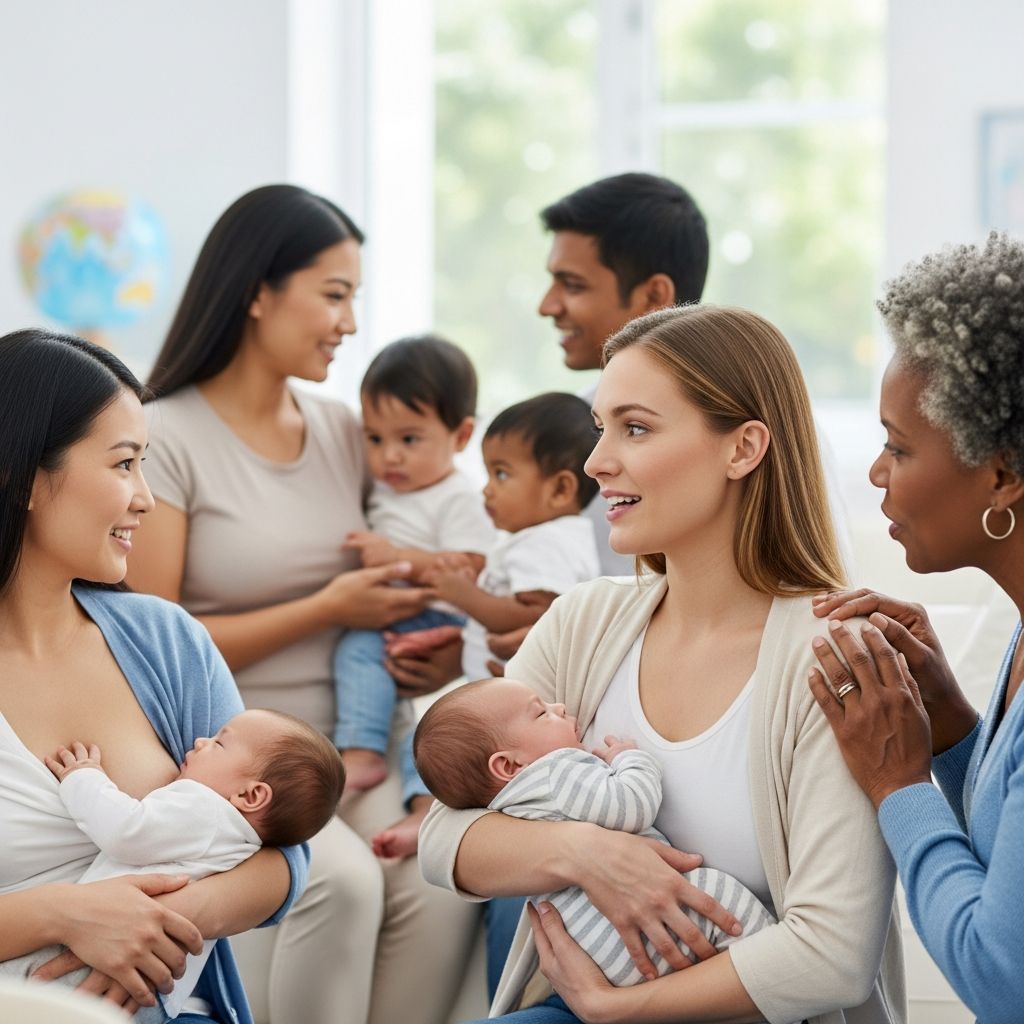
The journey into parenthood begins with the firstborn, a child who arrives when everything is uncharted territory. This little one becomes the trailblazer, offering unwavering faith in a parent still discovering their role. That trust forges an irreplaceable connection, one built on shared firsts and mutual growth.
The Pioneering Spirit of the First Child
Every parent remembers the awe of holding their first baby. No prior experience prepares you for the midnight feedings, the deciphering of cries, or the sheer responsibility. Yet, the firstborn dives in with innocent confidence, unaware of the novice at the helm. This dynamic creates a foundation of resilience for both parent and child.
Firstborns often exhibit natural leadership qualities. Studies indicate they tend to be more responsible and initiative-taking compared to younger siblings. A 2017 Swedish study highlighted that firstborns are emotionally stable, persistent, and socially outgoing, predispositions that contribute to later-life success, such as higher representation in executive roles.
- They receive undivided attention initially, fostering strong socialization skills.
- Cognitive advantages emerge early, with better performance on tests in infancy.
- Parental investment is highest at first, diminishing with subsequent children due to time constraints.
This pioneering role isn’t without challenges. Firstborns may internalize high expectations, linking their worth to achievements. Parents must balance guidance with reassurance of unconditional love.
Lessons Learned in the Early Days
The first year with a newborn is a masterclass in adaptability. As a new parent, every decision feels monumental—from choosing the right swaddle to navigating sleep regressions. The firstborn, with their forgiving nature, allows space for trial and error. Their smiles amid the chaos affirm progress, turning uncertainty into empowerment.
Consider the evolution of routines. Initial schedules are rigid, born of anxiety over ‘doing it right.’ Over time, flexibility emerges, lessons carried forward to siblings. This child teaches patience, not through words, but through their steady presence.
| Early Parenting Phase | Challenges Faced | Gifts from Firstborn |
|---|---|---|
| Newborn (0-3 months) | Sleep deprivation, feeding puzzles | Unconditional cuddles, first milestones |
| Infancy (4-12 months) | Teething, mobility risks | Laughter discovery, bonding rituals |
| Toddlerhood (1-3 years) | Tantrums, independence bids | Playful adventures, empathy building |
These phases reveal how firstborns catalyze parental confidence. Their belief accelerates the shift from fear to joy.
Navigating the Arrival of Siblings
Nothing tests the firstborn-parent bond like a new baby. Suddenly, attention divides, and the eldest must adapt. Yet, this transition strengthens family ties if handled thoughtfully. The firstborn often steps into a helper role, modeling maturity.
Research shows firstborns outperform siblings academically and professionally, partly from early undivided focus. However, they may feel pressure to uphold standards. Parents can mitigate this by celebrating their unique traits, not comparisons.
- Validate emotions: Acknowledge dethronement feelings openly.
- Involve them: Assign age-appropriate sibling duties.
- Maintain rituals: Preserve one-on-one time weekly.
This period underscores the firstborn’s enduring specialness. They paved the way, and their grace eases the family’s expansion.
Emotional Depth of the Firstborn Bond
Beyond logistics, the emotional layer is profound. Firstborns hold the parent’s heart in a singular way—the vessel of initial dreams and vulnerabilities. Their achievements feel personal triumphs; their struggles, shared burdens.
Psychological insights reveal firstborns crave appreciation. They thrive when noticed for efforts, not just outcomes. Daily affirmations counteract achievement-driven self-worth, fostering security.
“Firstborns need to hear they are loved apart from performance—eye contact and heartfelt words make all the difference.”
This bond evolves but never fades. Even as independence grows, the firstborn remains the anchor of family history.
Practical Strategies for Supporting Your Firstborn
Raising a firstborn demands intentionality. Here are evidence-based approaches to nurture their strengths and address needs:
- Offer Focused Affirmation: Daily, express pride in their character. This combats perfectionism.
- Encourage Individuality: Avoid sibling rivalry traps by highlighting unique talents.
- Provide Unconditional Security: Reassure love persists regardless of outcomes.
- Balance Family Dynamics: With gaps over five years, treat later children as a ‘new firstborn’ cycle.
- Foster Leadership Safely: Delegate responsibilities matching their drive without overload.
Implementing these builds confident firstborns who lead without resentment.
Long-Term Impacts on Family Legacy
The firstborn shapes generational patterns. Their experiences influence how parents approach education, discipline, and affection with others. This ripple effect creates harmonious homes.
Statistically, firstborns dominate leadership—presidents, CEOs—owing to instilled responsibility. Parents who appreciate this role cultivate not just success, but fulfillment.
Reflecting on this journey evokes deep thanks. The firstborn’s trust transformed novices into capable guardians, forever grateful.
Frequently Asked Questions
What makes firstborns unique in birth order theory?
Firstborns often receive more parental attention, leading to traits like responsibility and higher cognitive scores, per studies.
How can parents ease sibling transition for firstborns?
Involve them in baby prep, maintain special time, and validate feelings to preserve their sense of value.
Do firstborns face more pressure?
Yes, they may tie worth to achievements; counter with affirmations of unconditional love.
Are firstborn advantages lifelong?
Research links them to career success, but emotional support ensures balanced growth.
How to appreciate firstborns daily?
Notice efforts, use eye contact for heartfelt praise, and celebrate their leadership.
References
- To My Firstborn, I’m So Thankful God Gave Me You First — Her View From Home. 2023-05-15. https://herviewfromhome.com/kids-moms-love-for-firstborn-child/
- Why Being Firstborn is a Blessing and a Curse — Aish.com. 2022-11-10. https://aish.com/why-being-firstborn-is-a-blessing-and-a-curse/
- Dear firstborn—thanks for showing me the way — Motherly. 2024-03-22. https://www.mother.ly/life/dear-firstbornthanks-for-showing-me-the-way/
- Understanding Your Firstborn — The Music Place. 2023-08-07. https://musicplace.com/learn-more/educational-resources/42-understanding-your-firstborn
- Birth Order: What Firstborns Need Most from their Parents — Monica Swanson. 2024-01-14. https://monicaswanson.com/birth-order-what-firstborns-need-most-from-their-parents/