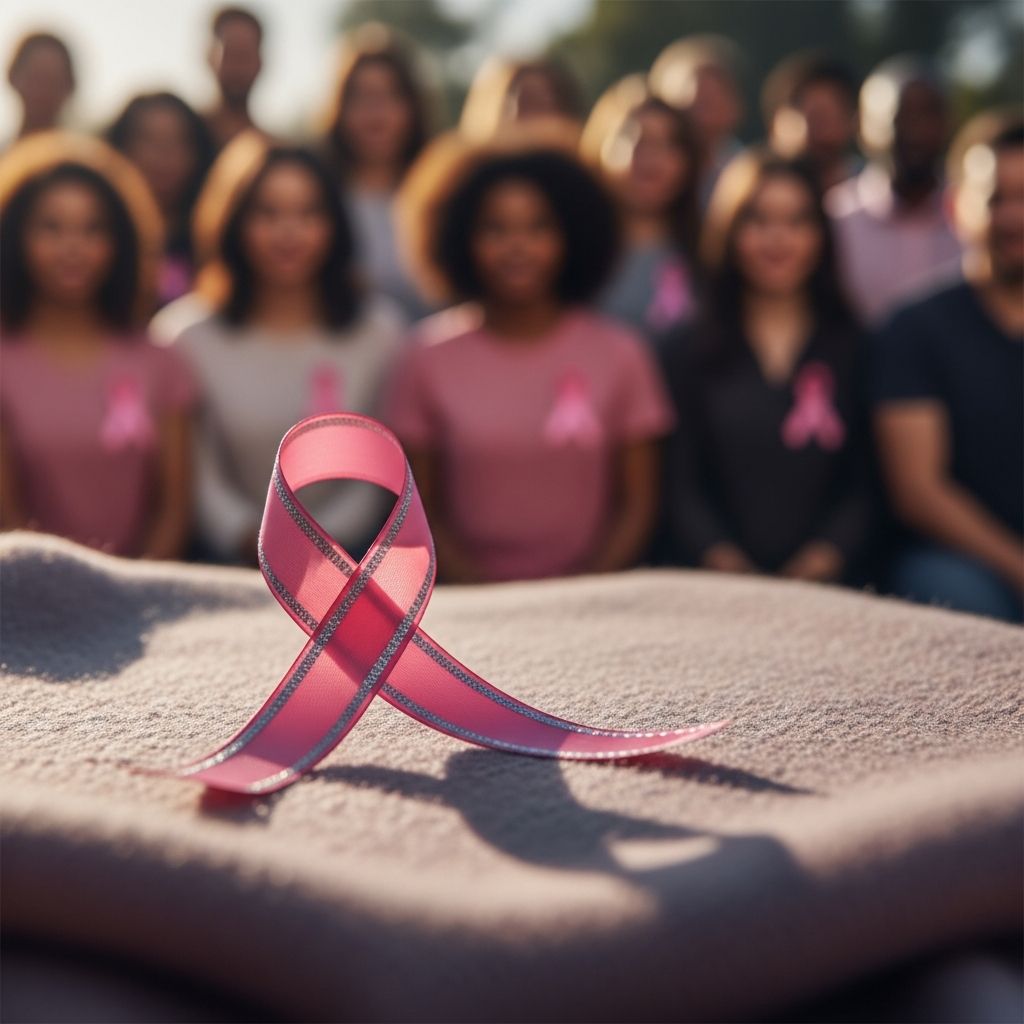
The Power of Mass Media in Fighting Breast Cancer
Breast cancer remains a significant public health challenge across the United States. In 2026, an estimated 321,910 new cases of invasive breast cancer are expected to be diagnosed in women, making it the most common cancer among American women next to skin cancer. Beyond the staggering diagnosis numbers, approximately 42,140 women are projected to die from breast cancer in 2026. These sobering statistics underscore the critical importance of awareness campaigns that reach wide audiences and inspire preventive action.
One of the most effective channels for disseminating health messages to millions of Americans is through prominent advertising platforms. Major televised events, watched by tens of millions of viewers, provide unique opportunities for health organizations and advocacy groups to share their messages about breast cancer screening, risk factors, and available treatment options. These high-visibility platforms transcend traditional healthcare settings, bringing vital health information directly into homes and public spaces where everyday people consume media.
Understanding the Reach and Impact of Televised Health Messaging
Television remains one of the most influential mediums for public health communication in America. When health organizations secure advertising time during major sporting events or entertainment programs with massive viewership, they gain access to demographics that might otherwise miss health information through conventional channels. This broad reach is particularly valuable for breast cancer awareness because it democratizes access to information that could literally save lives.
The impact of such campaigns extends beyond immediate awareness. Research demonstrates that exposure to health messaging through entertainment and sports programming can influence behavior change, particularly when the message is paired with actionable steps like scheduling mammograms or learning about risk factors. For audiences who may not regularly visit healthcare providers or seek out medical information independently, these moments of exposure represent critical touchpoints for education.
Key Statistics Demonstrating the Need for Enhanced Awareness
The epidemiological data provides compelling justification for robust awareness efforts. Consider these pivotal statistics about breast cancer in America:
- Lifetime Risk: Approximately 1 in 8 women (13%) in the U.S. will develop invasive breast cancer at some point in their life
- Annual Diagnoses: An estimated 316,950 women will receive a breast cancer diagnosis in 2026, along with 60,730 additional cases of non-invasive ductal carcinoma in situ (DCIS)
- Survivor Population: More than four million women in the United States currently live with a history of breast cancer
- Mortality Rates: Breast cancer ranks as the second leading cause of cancer death in women, surpassed only by lung cancer
- Frequency of Diagnosis: Every two minutes, a woman receives a breast cancer diagnosis in the United States
- Early Detection Success: When breast cancer is diagnosed at a localized stage, the five-year survival rate reaches 99%
These statistics highlight a critical reality: early detection through routine screening can dramatically improve outcomes. Women who receive regular mammograms have a 26% lower breast cancer death rate compared to those who do not participate in screening programs. This makes public awareness about screening recommendations particularly vital for reducing mortality.
How Awareness Campaigns Drive Behavioral Change
Public health campaigns function through several interconnected mechanisms. First, they increase knowledge about risk factors and screening recommendations. Many women remain unaware of guidelines suggesting regular mammograms beginning at age 40 or 50, depending on individual risk profiles. Second, campaigns work to normalize conversations about breast health and cancer risk, reducing stigma and encouraging women to discuss concerns with healthcare providers. Third, effective messaging creates a sense of urgency while remaining balanced and evidence-based rather than fear-based.
The most successful campaigns combine emotional resonance with practical information. When audiences hear personal stories from survivors or see testimonials from women who discovered cancer early through screening, these narratives create memorable moments that statistics alone cannot achieve. However, the campaigns must also provide clear, actionable guidance about next steps—whether that involves scheduling a screening appointment, understanding family history risk factors, or knowing what symptoms warrant medical evaluation.
Addressing Disparities in Breast Cancer Screening and Outcomes
While breast cancer affects women across all demographic groups, significant disparities exist in screening rates, diagnosis timing, and survival outcomes. Black women have a breast cancer mortality rate that is substantially higher than other populations, and they are more likely to be diagnosed with more aggressive forms of cancer. Rural women often face barriers to accessing screening facilities and specialty cancer treatment. Younger women under 50 are experiencing increasing breast cancer diagnoses at a rate of 1.4% annually, faster than their older counterparts.
Awareness campaigns that reach diverse audiences and acknowledge these different risk profiles help address these disparities. Campaigns that are culturally tailored, available in multiple languages, and distributed through channels frequented by underserved populations can help ensure that critical health information reaches everyone who needs it, not just those with easy access to healthcare information through conventional routes.
The Role of Advocacy Organizations in Campaign Development
Major breast cancer organizations like Susan G. Komen, the National Breast Cancer Foundation, and Young Survival Coalition invest substantially in awareness campaigns. These organizations conduct research to identify knowledge gaps in the population, develop evidence-based messaging, and secure partnerships with media outlets and corporations to amplify their reach. Many organizations specifically focus on educating specific populations about risk—for example, younger women about increased incidence in their age group, or women with family histories about genetic testing options.
These advocacy organizations serve as credible messengers in the healthcare landscape. When audiences see campaigns backed by established, respected organizations, they are more likely to trust the information and take recommended actions. The organizations’ expertise ensures that messaging is accurate, up-to-date with current screening guidelines, and sensitive to the needs and concerns of those affected by breast cancer.
Integrating Screening Education with Treatment Information
Comprehensive awareness campaigns extend beyond simply promoting mammogram appointments. They also educate the public about treatment advances, survivorship resources, and support networks. Modern breast cancer treatment includes various options—surgery, radiation, chemotherapy, hormonal therapy, and targeted therapies—depending on the type and stage of cancer. Awareness campaigns help demystify these options and connect newly diagnosed patients with resources to understand their choices.
Additionally, campaigns increasingly focus on survivorship. Research shows that 20% to 30% of people initially diagnosed with early-stage breast cancer later develop metastatic disease. Awareness campaigns that educate survivors about ongoing monitoring, lifestyle factors that may reduce recurrence risk, and available support services help improve long-term outcomes and quality of life.
Measuring Campaign Effectiveness
Organizations assess campaign impact through multiple metrics. These include increases in mammogram scheduling during and after campaign periods, improved knowledge about screening guidelines as measured through surveys, increased website traffic to educational resources, and feedback from healthcare providers about patient conversations. Some campaigns track broader impacts on public perception and willingness to discuss breast cancer openly.
The challenge in measuring effectiveness stems from the multiple factors influencing screening behavior. A woman’s decision to obtain a mammogram depends on personal health beliefs, access to healthcare, provider recommendations, insurance coverage, and family history. Isolating the specific impact of a single advertising campaign proves difficult. However, research consistently shows that increased media exposure to health messages correlates with increased screening participation and earlier-stage diagnoses.
The Evolving Landscape of Health Communication
While traditional television advertising remains powerful, modern awareness campaigns increasingly employ multi-channel strategies. Social media platforms allow for targeted messaging to specific demographics and enable two-way conversations where individuals can ask questions and share experiences. Digital platforms also facilitate the rapid dissemination of updated guidelines or new research findings. Podcasts, blogs, and streaming platforms reach audiences who consume less traditional television.
Despite the diversity of available channels, broad-reach programming remains valuable because it exposes people who might not actively seek health information. Someone watching entertainment content may encounter a breast cancer awareness message they would never find through deliberate internet searching. This passive exposure to important health information, delivered in a trusted context, can prompt meaningful behavioral change.
Why Sustained Awareness Efforts Matter
Breast cancer awareness is not a problem that can be solved through a single campaign. The disease continues to develop, new treatments emerge, and new generations of women must learn about screening recommendations. Sustained, repeated messaging reinforces key information and keeps breast health visible in public consciousness. When awareness campaigns occur regularly and reach diverse audiences, they create a cultural environment where breast cancer is discussed openly, screening is normalized, and individuals feel empowered to take action for their health.
Frequently Asked Questions
At what age should women begin breast cancer screening?
Current guidelines recommend that women discuss screening options with their healthcare providers beginning at age 40, with many organizations recommending mammograms starting at age 50 for average-risk women. Women with family history or other risk factors may benefit from earlier screening conversations.
How often should women get mammograms?
Most guidelines recommend annual or biennial (every two years) mammograms for women undergoing regular screening. The appropriate frequency depends on individual age, risk factors, and previous screening results.
What is the difference between invasive and non-invasive breast cancer?A: Invasive breast cancer has spread beyond the ducts or lobules into surrounding breast tissue. Non-invasive cancer, such as ductal carcinoma in situ (DCIS), remains confined to the ducts and has not spread into the surrounding tissue.
Q: Can men develop breast cancer?
Yes, though it is rare—less than 1% of all breast cancers occur in men. In 2026, approximately 2,670 men are expected to receive a breast cancer diagnosis.
What are common symptoms that warrant medical evaluation?
Symptoms include a lump or thickening in the breast, dimpling or puckering of the skin, discharge from the nipple, or changes in breast size or appearance. Any concerning changes should be evaluated by a healthcare provider promptly.
References
- Breast Cancer Statistics — Susan G. Komen®. 2026. https://www.komen.org/breast-cancer/facts-statistics/breast-cancer-statistics/
- Breast Cancer Facts & Stats 2025 — National Breast Cancer Foundation. 2025. https://www.nationalbreastcancer.org/breast-cancer-facts/
- Breast Cancer Statistics — Living Beyond Breast Cancer (LBBC). 2026. https://www.lbbc.org/about-breast-cancer/what-is-breast-cancer/statistics
- Breast Cancer Facts and Statistics 2025 — Breastcancer.org. October 10, 2025. https://www.breastcancer.org/facts-statistics
- Breast Cancer Statistics in Young Adults — Young Survival Coalition. 2026. https://youngsurvival.org/breast-cancer-statistics